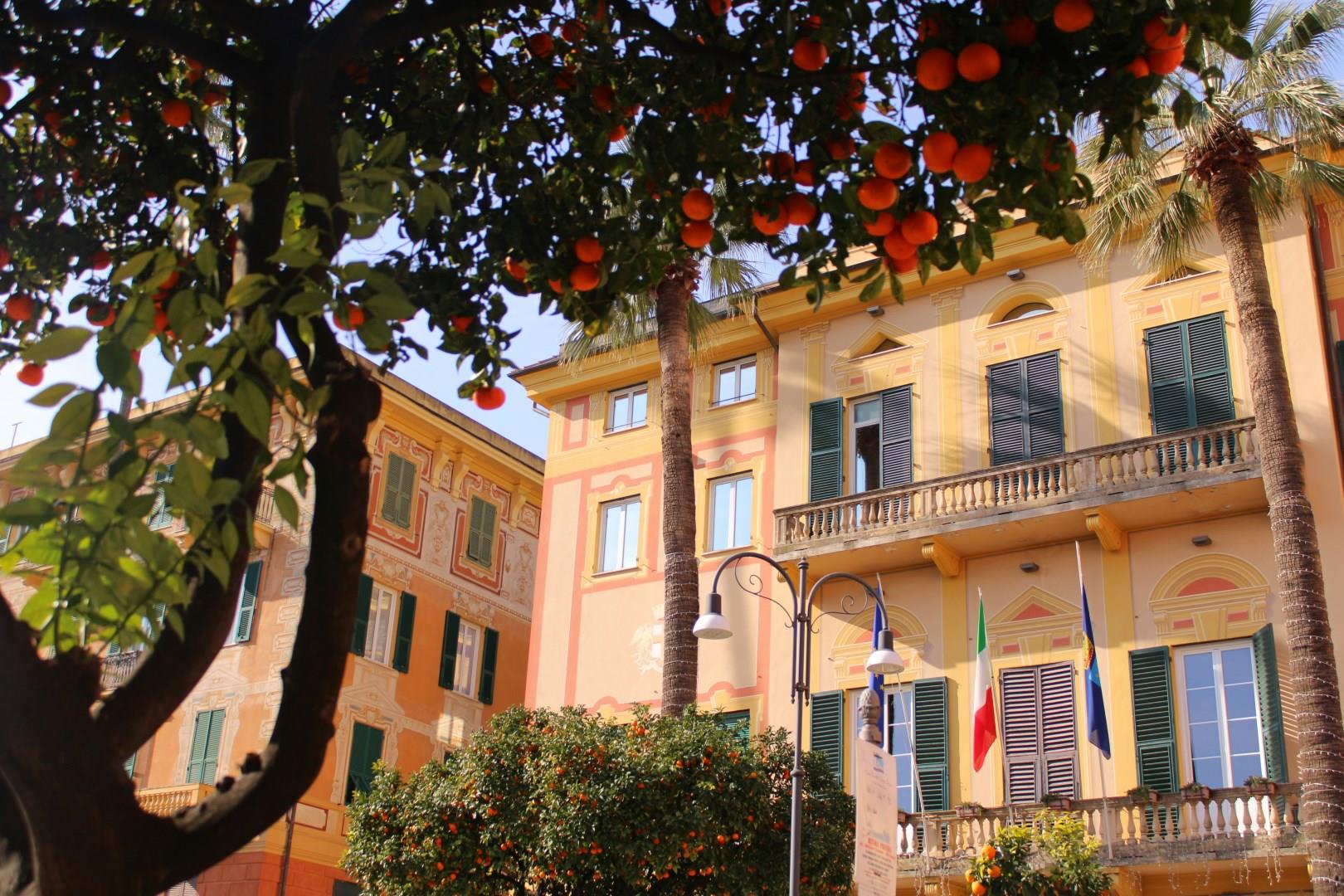
Santa Margherita Ligure
Santa Margherita Ligure is a coastal town on the Italian Riviera in the Liguria region of northwestern Italy. Positioned along the Gulf of Tigullio, the town is known for its palm-lined waterfront, pastel-colored buildings, fishing harbor, and hillside villas overlooking the Ligurian Sea.

Canyonlands National Park
Canyonlands National Park, located in southeastern Utah, offers an awe-inspiring landscape of deep canyons, rugged mesas, and striking rock formations. This vast park is divided into four districts: Island in the Sky, the Needles, the Maze, and the Rivers. Each district showcases its own unique geological features and breathtaking vistas. The Island in the Sky district provides panoramic views from its high mesa, including breathtaking vistas of the Colorado and Green Rivers.

Sri Lanka
Sri Lanka, an island nation in the Indian Ocean, is known for its lush landscapes, ancient history, and vibrant culture. From the sacred city of Kandy and the rock fortress of Sigiriya to colonial-era Galle Fort, the country offers a deep connection to centuries of heritage and tradition.
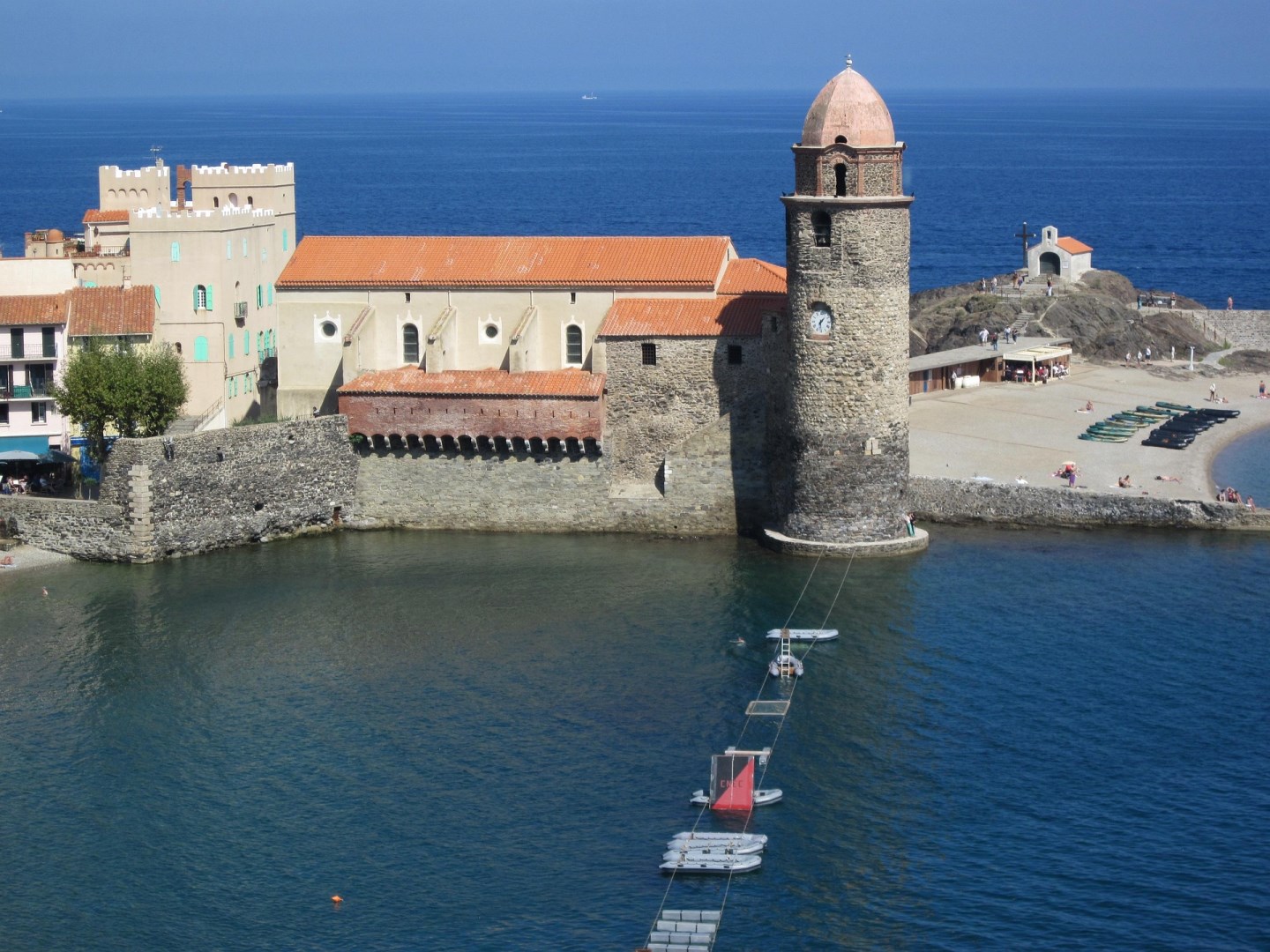
Collioure
Collioure, just before the Spanish border, aims its charms at its own people. It's the ideal small town-without-the-glitz antidote to condo city Riviera. Like an ice cream shop, Collioure offers 31 flavors of pastel houses and six petite scooped-out beach-sprinkled lightly with beachgoers.
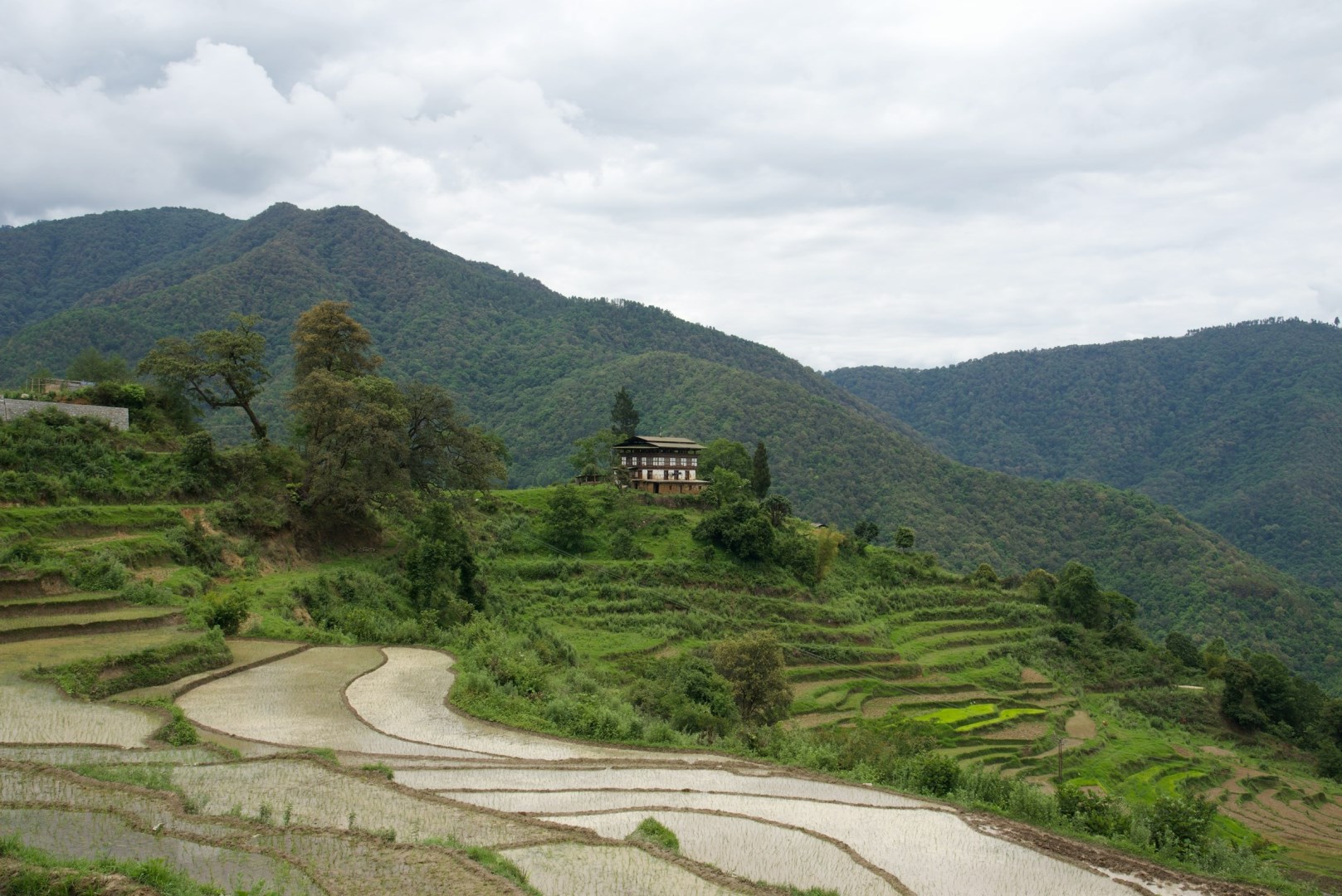
Khuruthang
Khuruthang is a small town in Punakha District in western Bhutan, situated along the Punatsangchhu River in the fertile Punakha Valley. It serves as the main township of Punakha and contains residential areas, shops, government institutions, schools, and a local market. The town is surrounded by hills, villages, and cultivated land, with rice fields visible across parts of the valley. Khuruthang is also an important stopping point for travelers visiting nearby Punakha, making it a practical base