

Guayaquil
Guayaquil, Ecuador, is a vibrant port city and a frequent starting point for cruises to the Galapagos Islands.

Dominica
Dominica, known as the “Nature Island of the Caribbean,” is a haven for eco-tourists and adventure seekers. Nestled between the French islands of Guadeloupe and Martinique, this lush island boasts a remarkable landscape of volcanic mountains, dense rainforests, and stunning waterfalls. Dominica’s most iconic natural wonder is the Boiling Lake, the second-largest hot spring in the world.
Yerevan
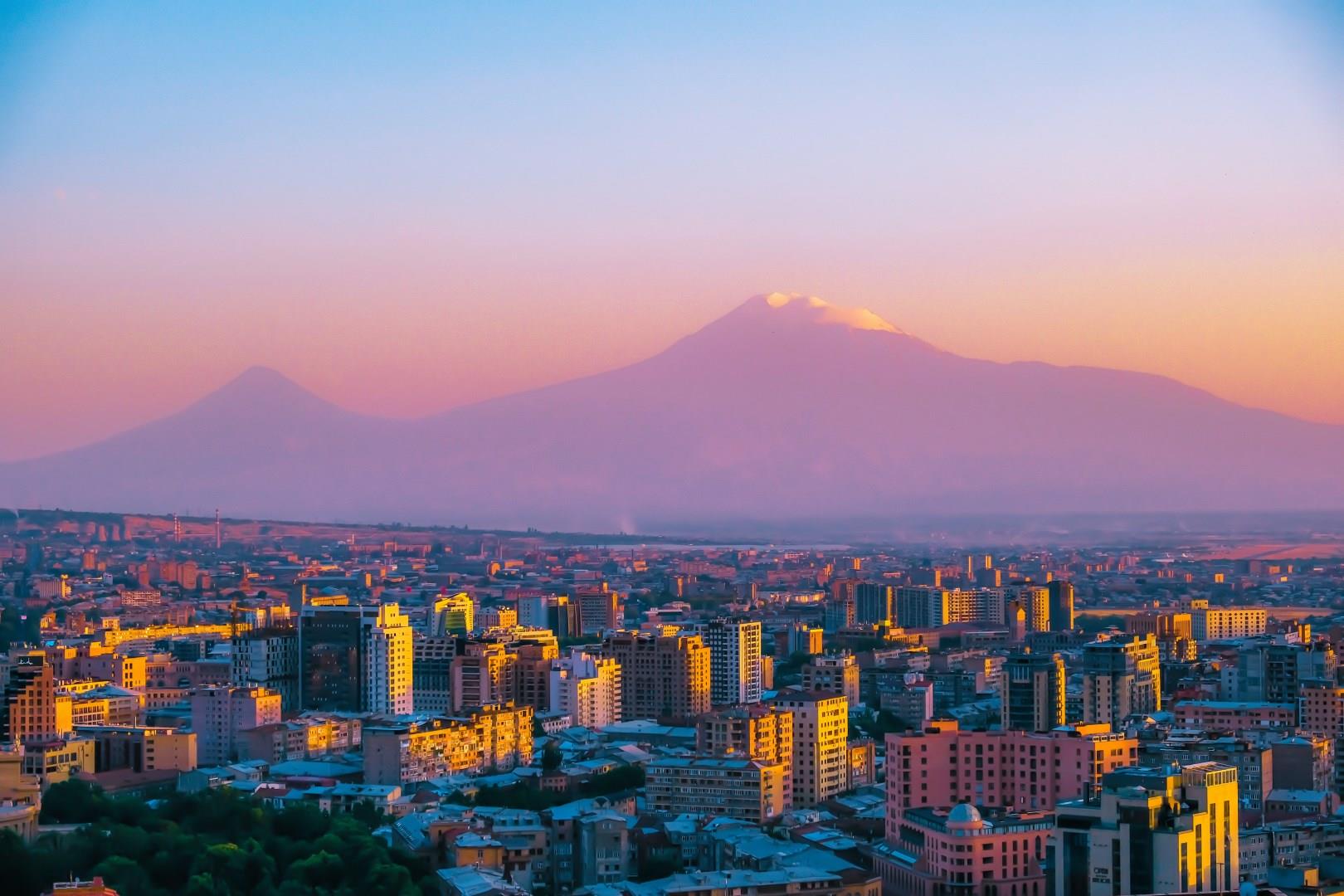
Yerevan, the capital of Armenia, is one of the oldest continuously inhabited cities in the world, with a history stretching back more than 2,800 years. Despite its ancient roots, it feels vibrant and modern, with wide boulevards, lively cafes, and an ever-present view of the majestic Mount Ararat on the horizon.
Vancouver
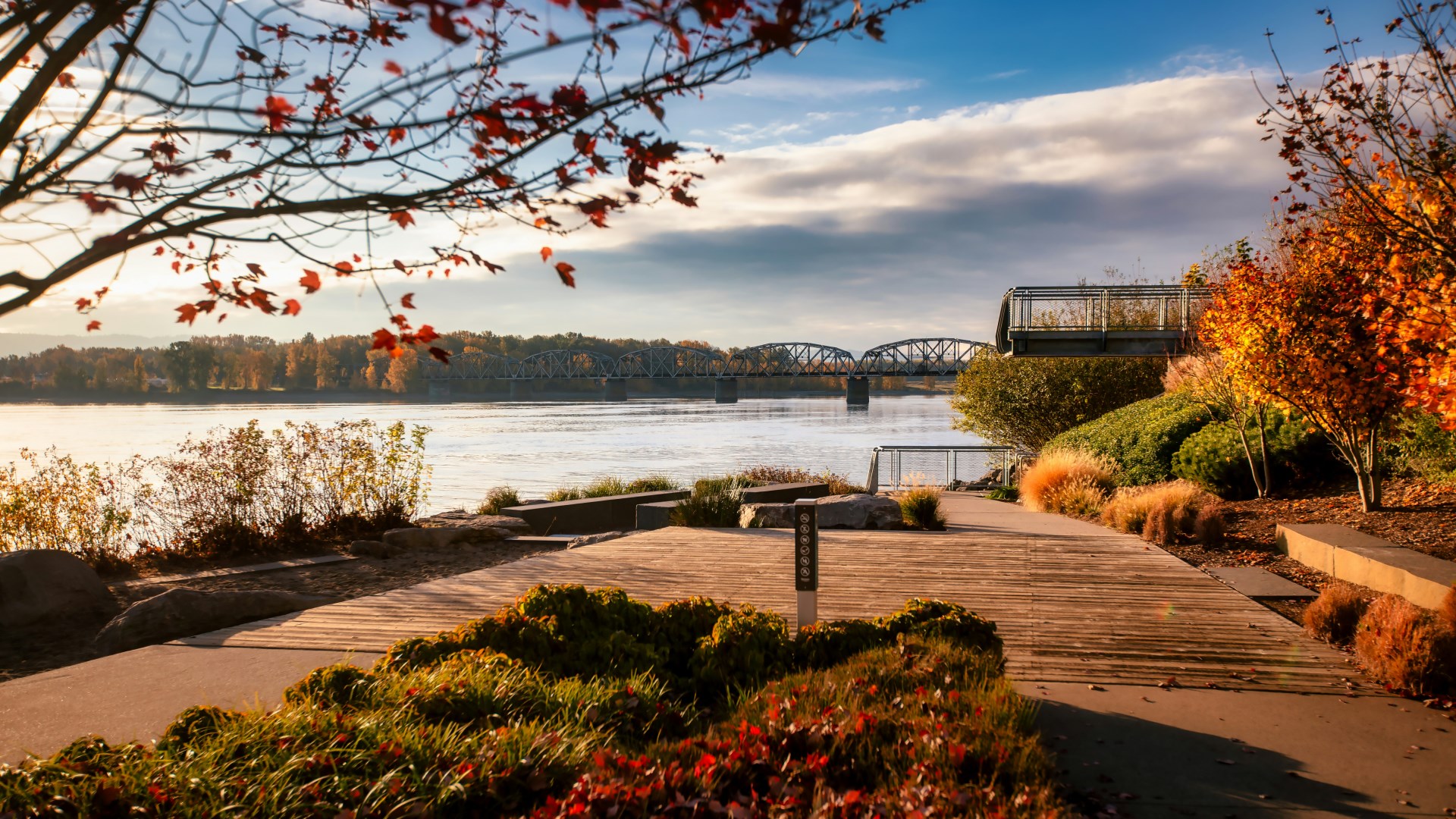
Vancouver is a city in southwestern Washington located along the north bank of the Columbia River, directly across from Portland, Oregon. It is one of the oldest continuously inhabited areas in the Pacific Northwest and serves as the county seat of Clark County.
Ouarzazate
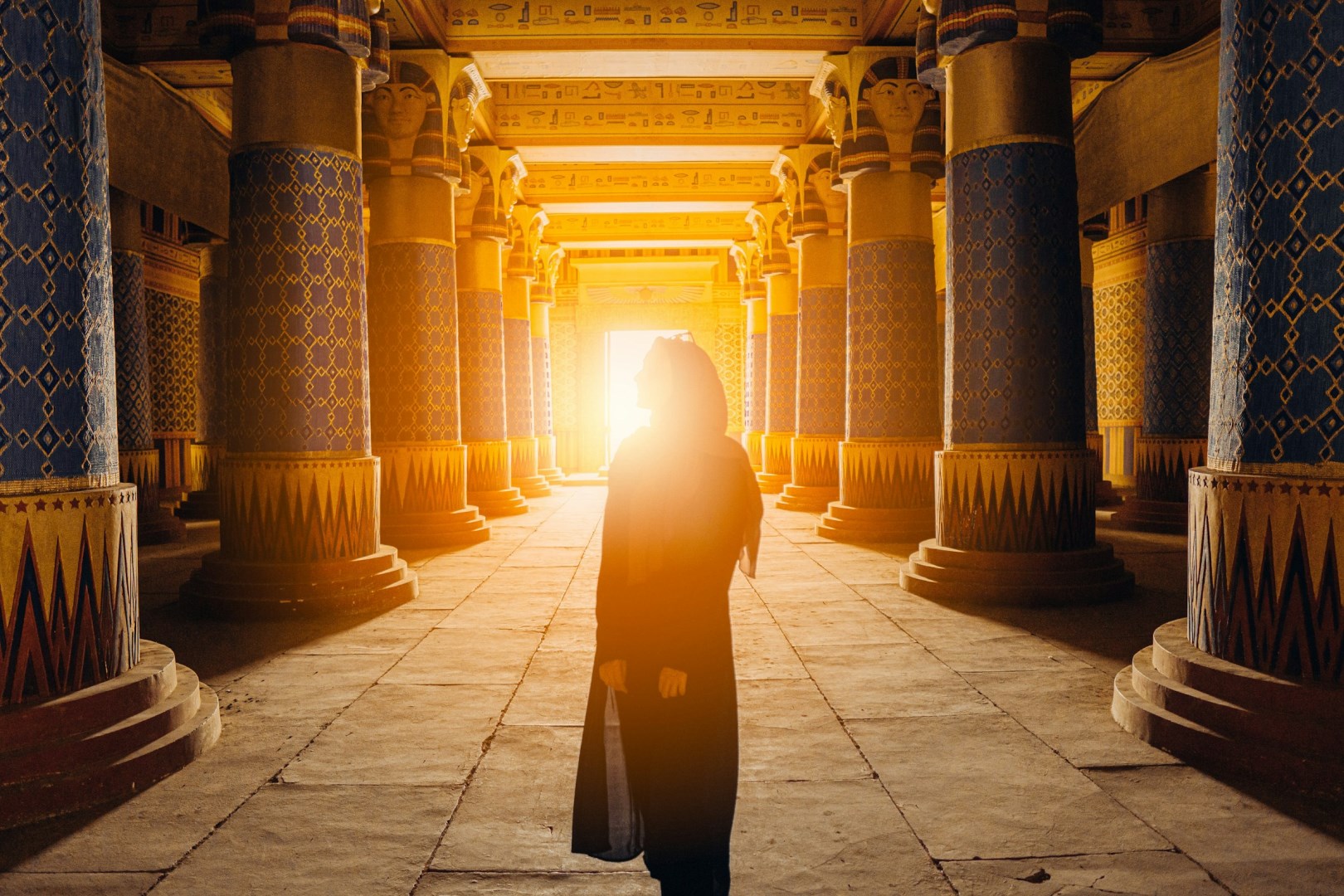
The whole south of Morocco is summarized in the historical, traditional and exotic sounding word "Ouarzazate". In Ouarzazate everything is calm, beautiful and fresh - the very image of the authentic south of Morocco, where time has stood still for centuries. The town has been located in three different places during its existence, two of them still inhabited
today.
today.
