Bariloche
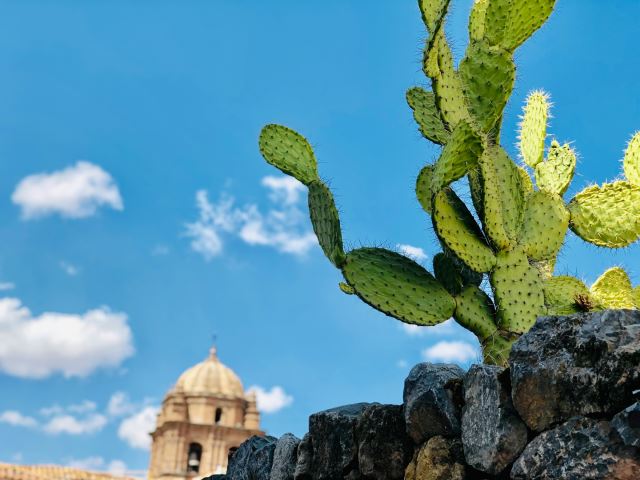
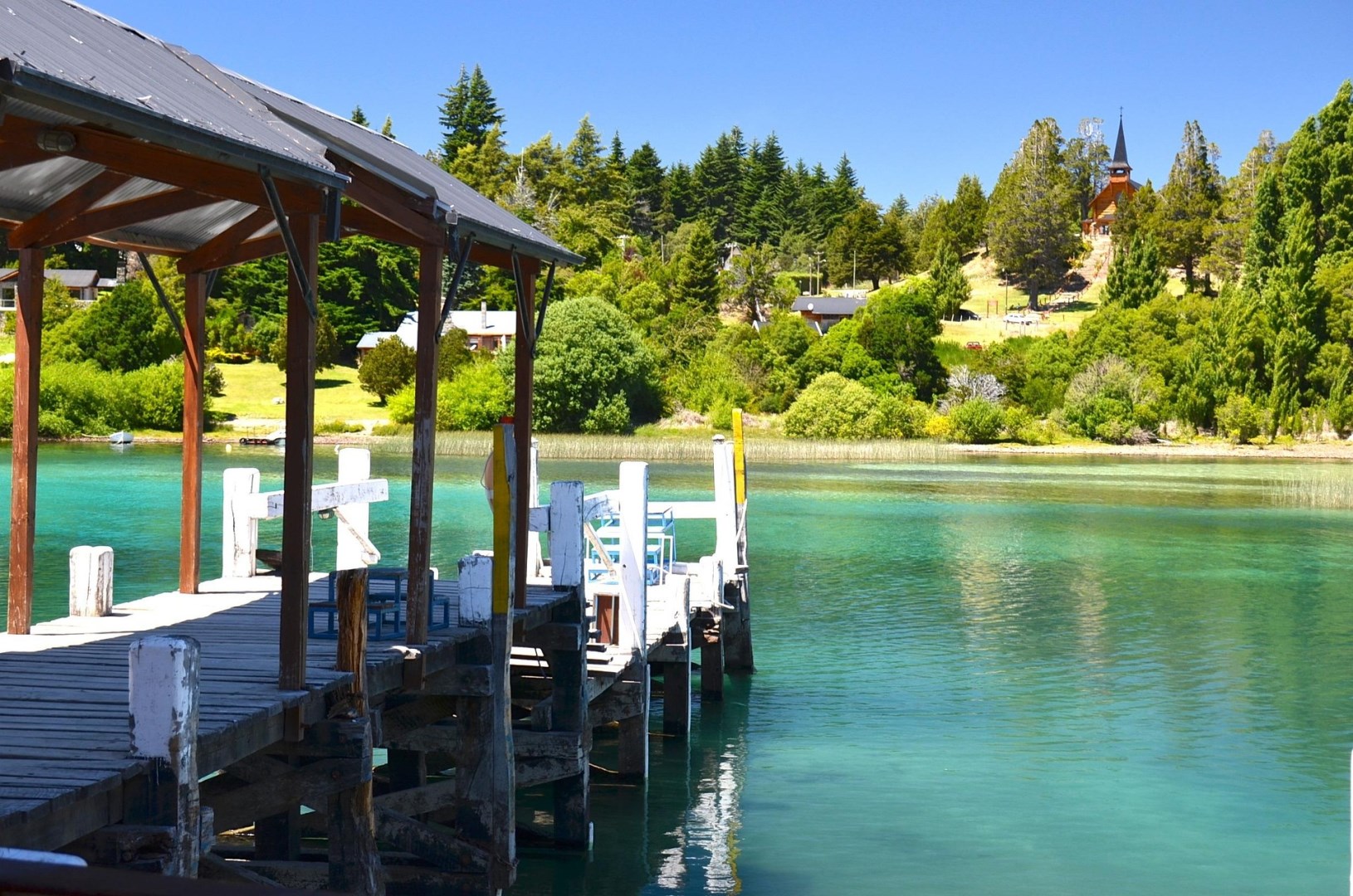
Bariloche, tucked into the foothills of the Andes in Argentina’s Patagonia region, is a town that feels both alpine and uniquely Argentine. With its wooden chalets, Swiss-style architecture, and chocolate shops on every corner, many visitors are surprised to find a lakeside town that resembles parts of Europe. But Bariloche’s identity is all its own, shaped by deep indigenous roots, waves of immigration, and the striking presence of Lake Nahuel Huapi.
Rundu
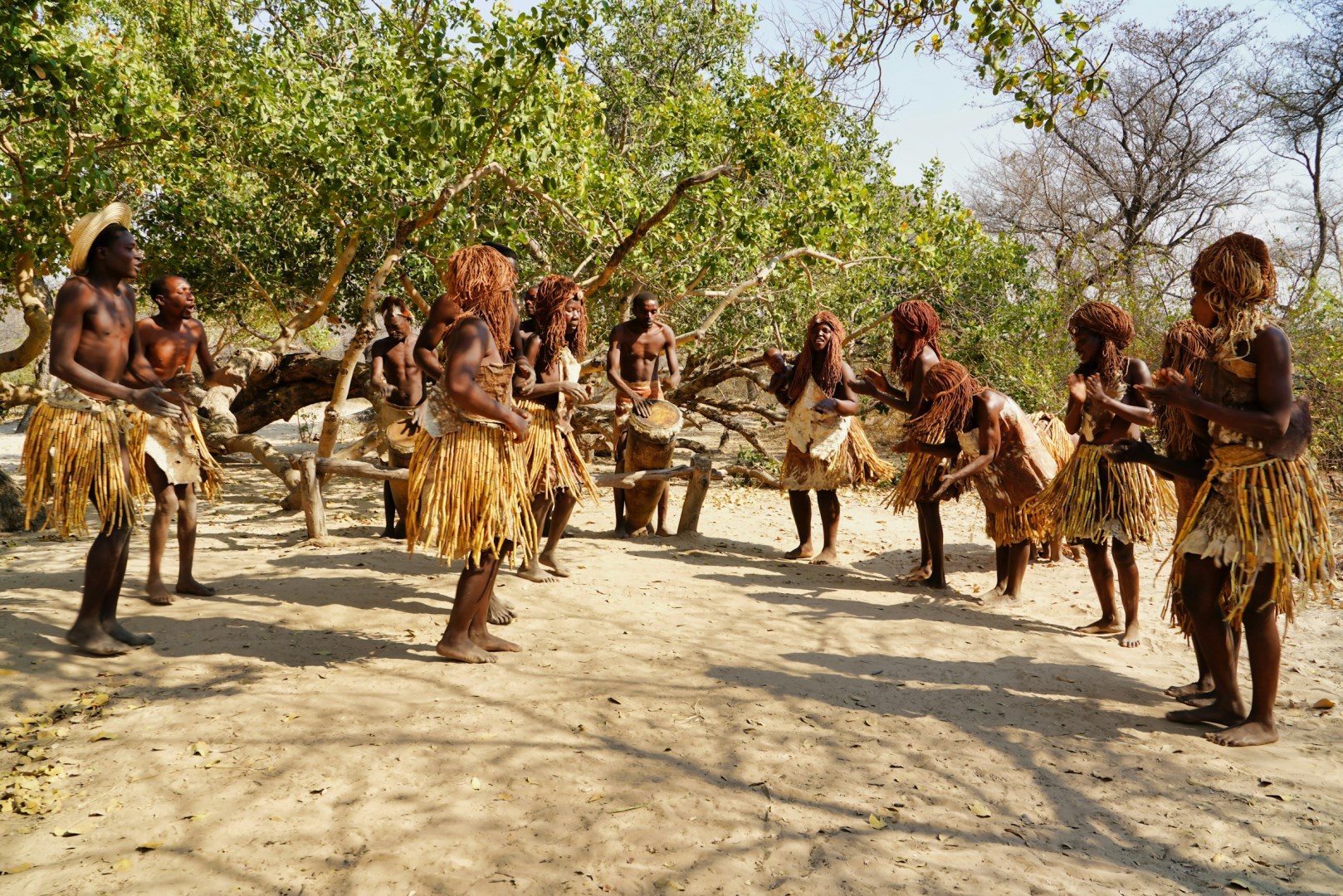
Rundu is the capital of Namibia’s Kavango East Region and a major town on the southern bank of the Kavango River, opposite Angola. Unlike much of Namibia’s dry interior, the area around Rundu is shaped by a permanent river, wooded floodplains, and fertile land used for small-scale agriculture.
Robin Hood's Bay
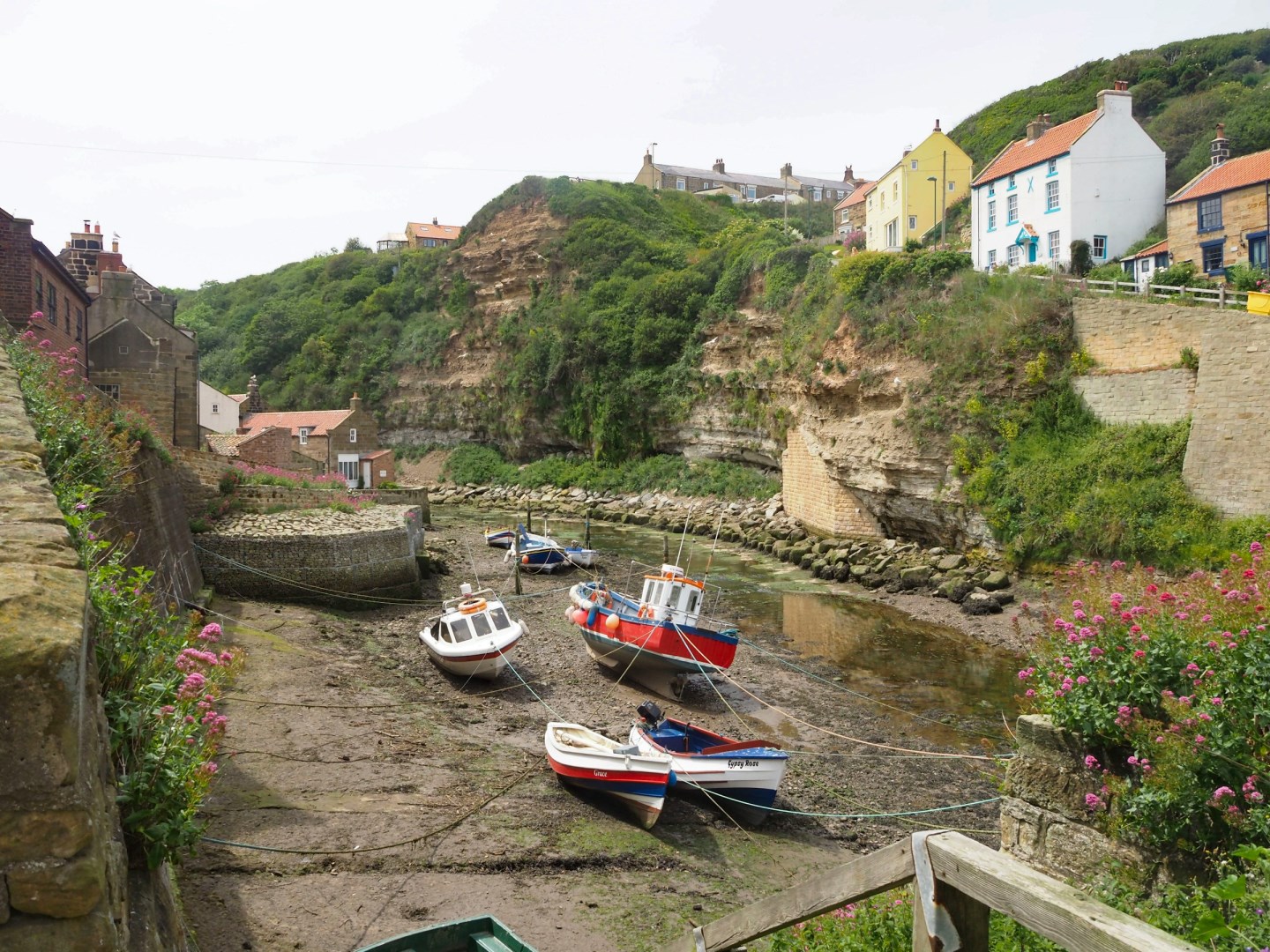
Robin Hood's Bay is a small coastal village on the North Yorkshire coast, set within a steep-sided valley that reaches the North Sea. Its tightly packed stone cottages, narrow lanes, and winding passages descend toward a rocky shore, giving the village a distinctive layout shaped by its position between the cliffs and the sea. Robin Hood's Bay lies within the North York Moors National Park and forms part of the Yorkshire coast, with walking routes connecting it to nearby settlements and beaches.
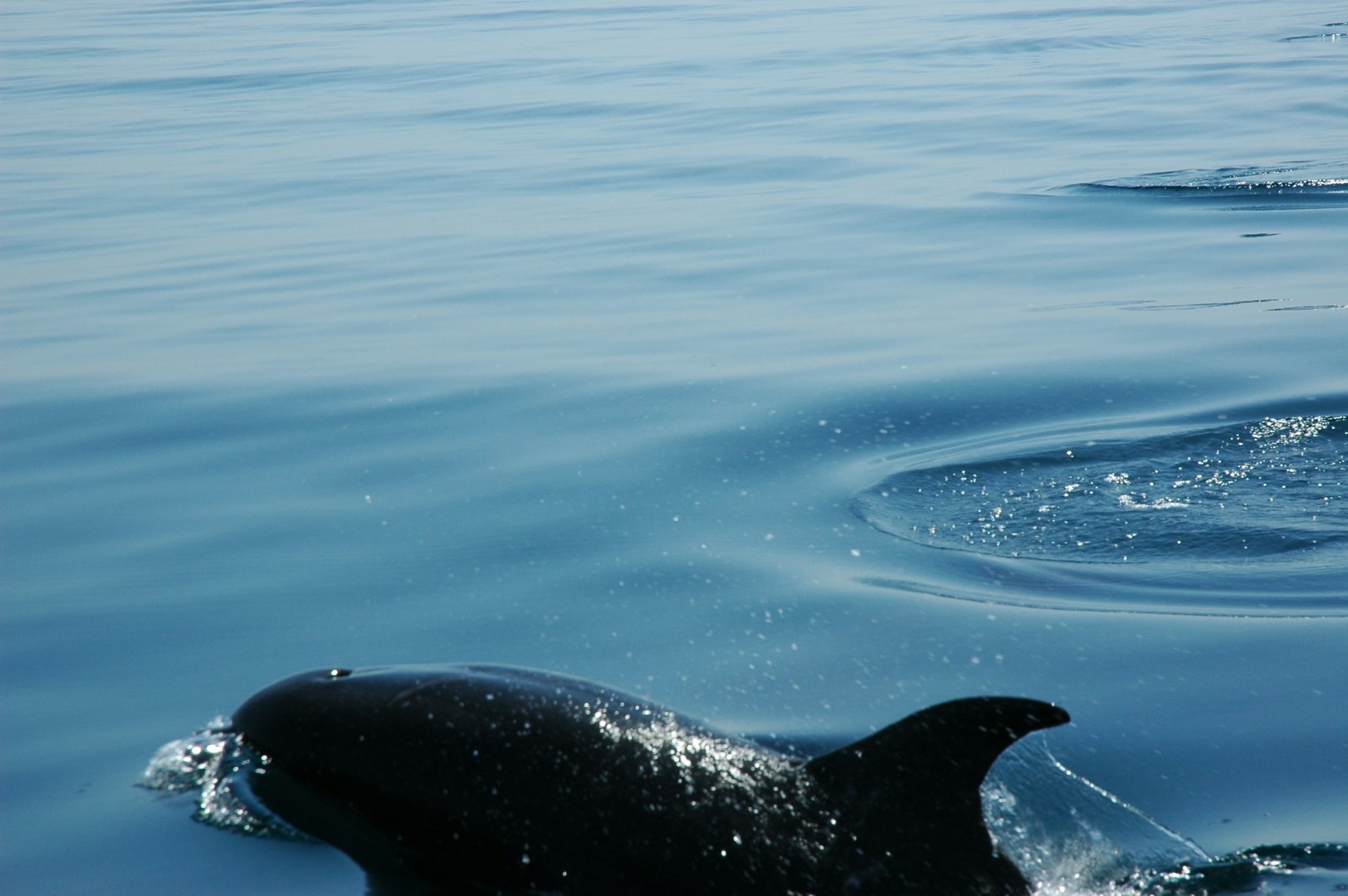
Gulf of California
The Gulf of California, also known as the Sea of Cortez, is a dazzling stretch of water that separates the Baja California Peninsula from mainland Mexico. This remarkable body of water offers a paradise for nature enthusiasts and adventure seekers alike.
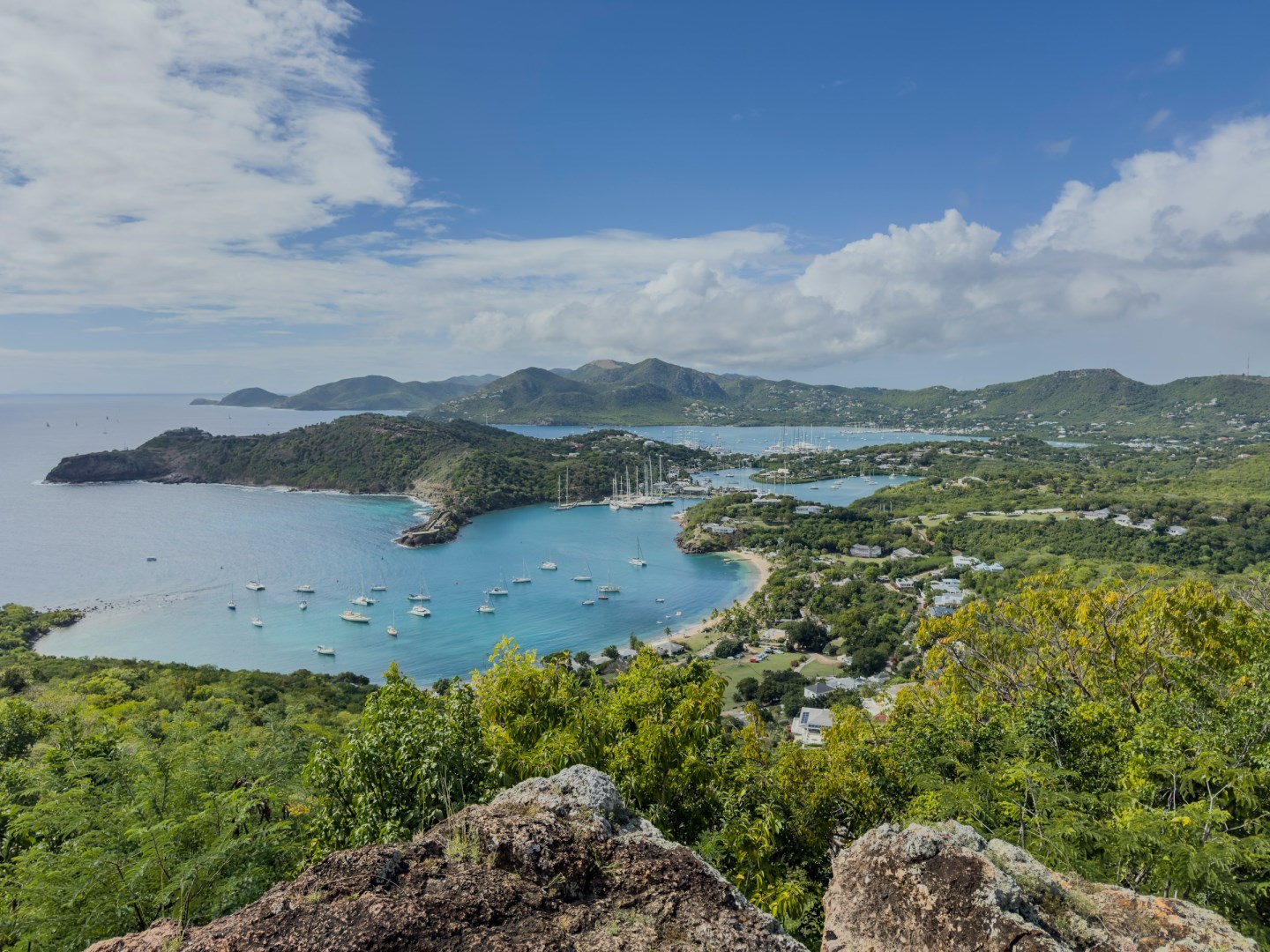
English Harbour
English Harbour is a historic harbour district on the southeastern coast of Antigua, known for its sheltered bay, maritime heritage, and surrounding hills. The area is closely associated with Nelson's Dockyard, a preserved Georgian naval complex that remains one of Antigua and Barbuda's best-known heritage sites.