
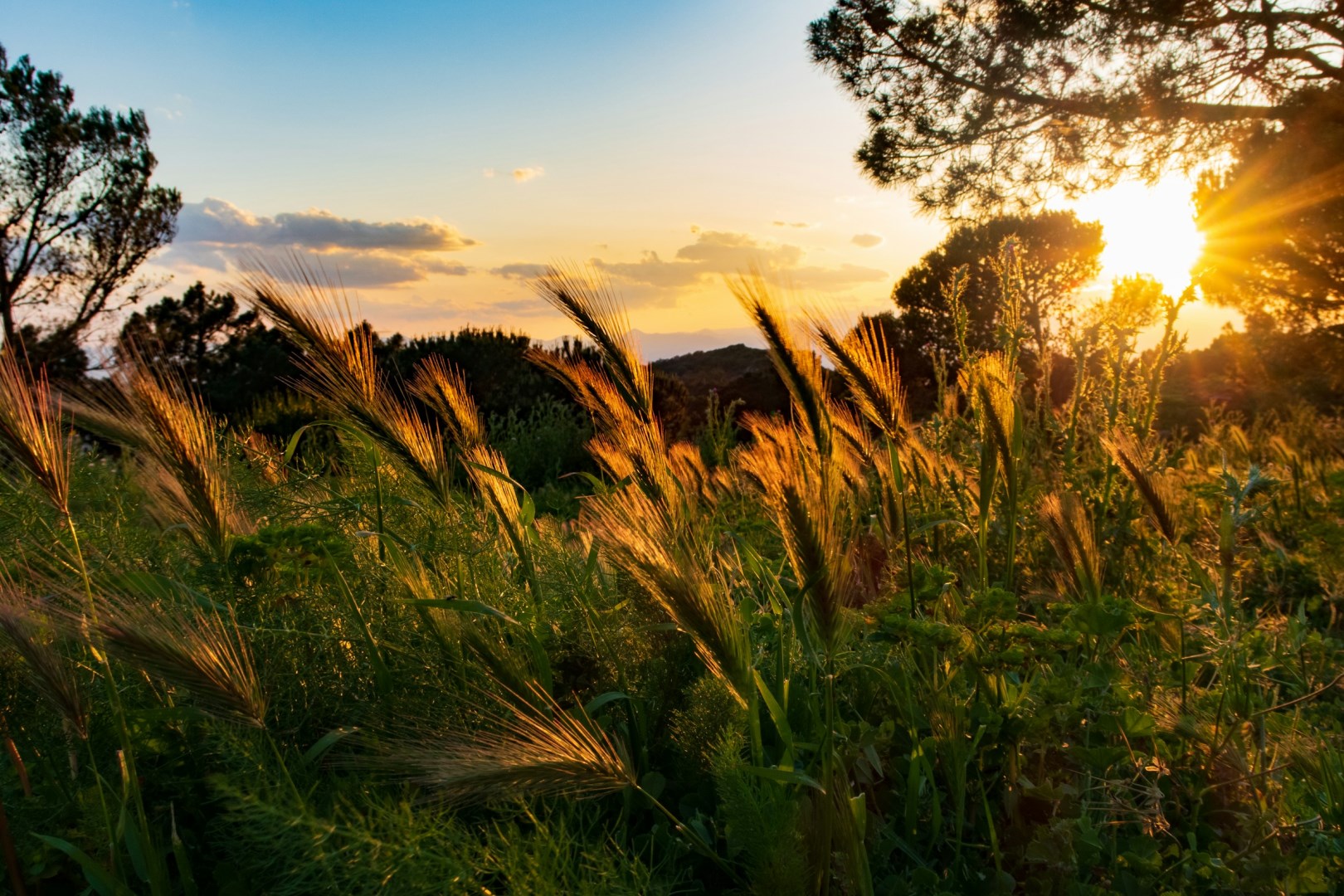
Roses
Roses is a coastal town in Catalonia’s Alt Empordà, positioned at the eastern edge of the Iberian Peninsula where the Pyrenees meet the Mediterranean. Its broad bay opens toward the Cap de Creus peninsula, giving the town a landscape of beaches, rocky headlands, and low coastal hills. Roses has a strong maritime identity, with a fishing port operating alongside a marina and a long seafront promenade.
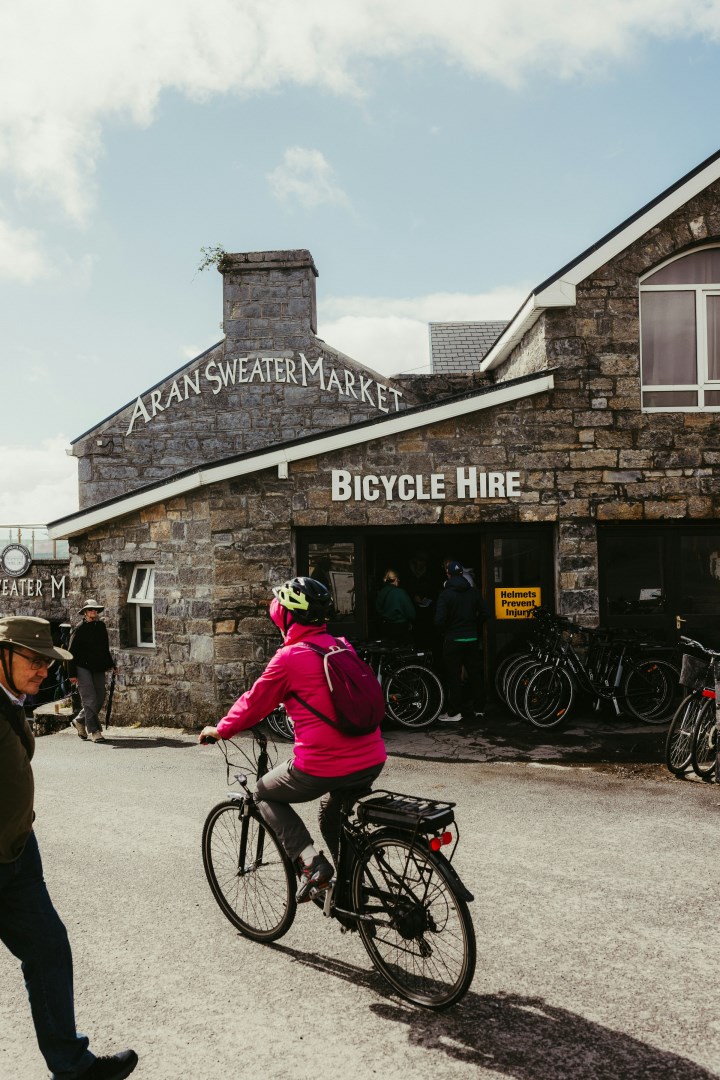
Aran Islands
The Aran Islands lie at the mouth of Galway Bay on Ireland’s west coast and comprise three inhabited islands: Inis Mór, Inis Meáin, and Inis Oírr. Their landscapes are defined by limestone terraces, stone walls, small fields, sea cliffs, and exposed coastal ground shaped by Atlantic weather. The islands are known for their distinctive dry-stone walls, which divide much of the farmland into small plots.
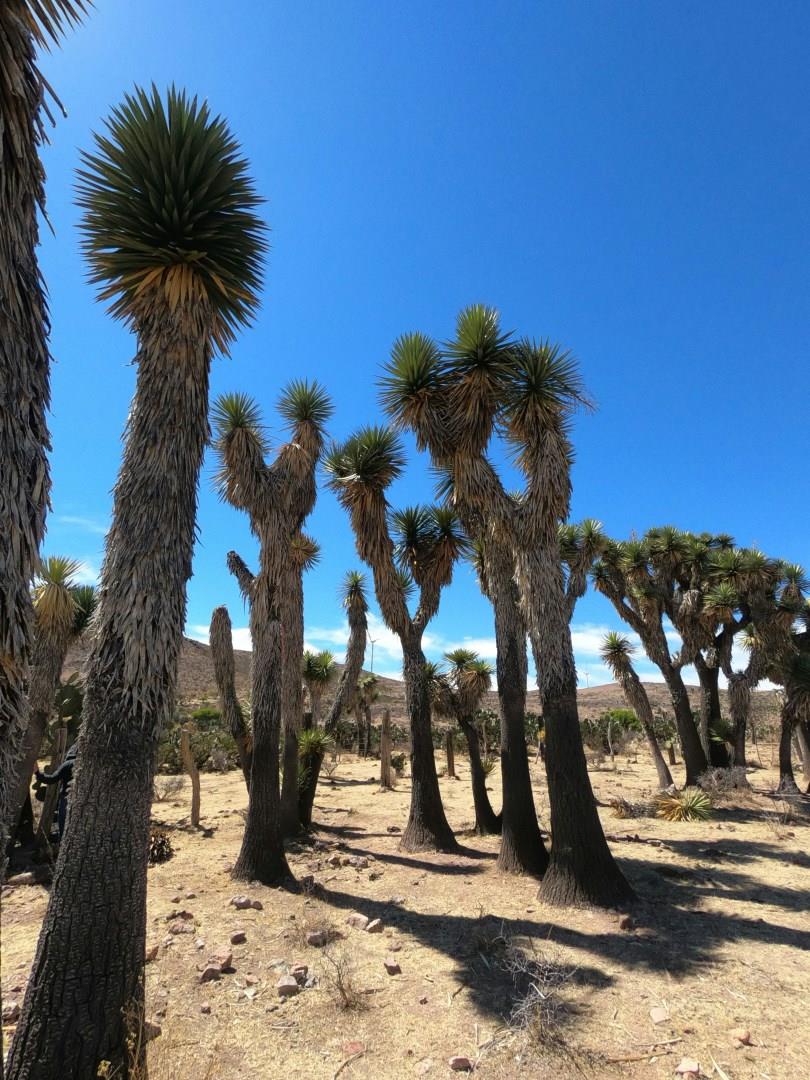
Zacatecas
Zacatecas, built into the slopes of a narrow ravine in north-central Mexico, is a city with a deep mining past and a striking skyline. The historic center, a UNESCO World Heritage Site, is known for its pink cantera stone buildings, narrow alleys, and impressive baroque facades. The Cathedral Basilica of Zacatecas, completed in 1752, stands as one of the most detailed examples of Mexican baroque architecture, with hundreds of carved figures covering its sandstone exterior.
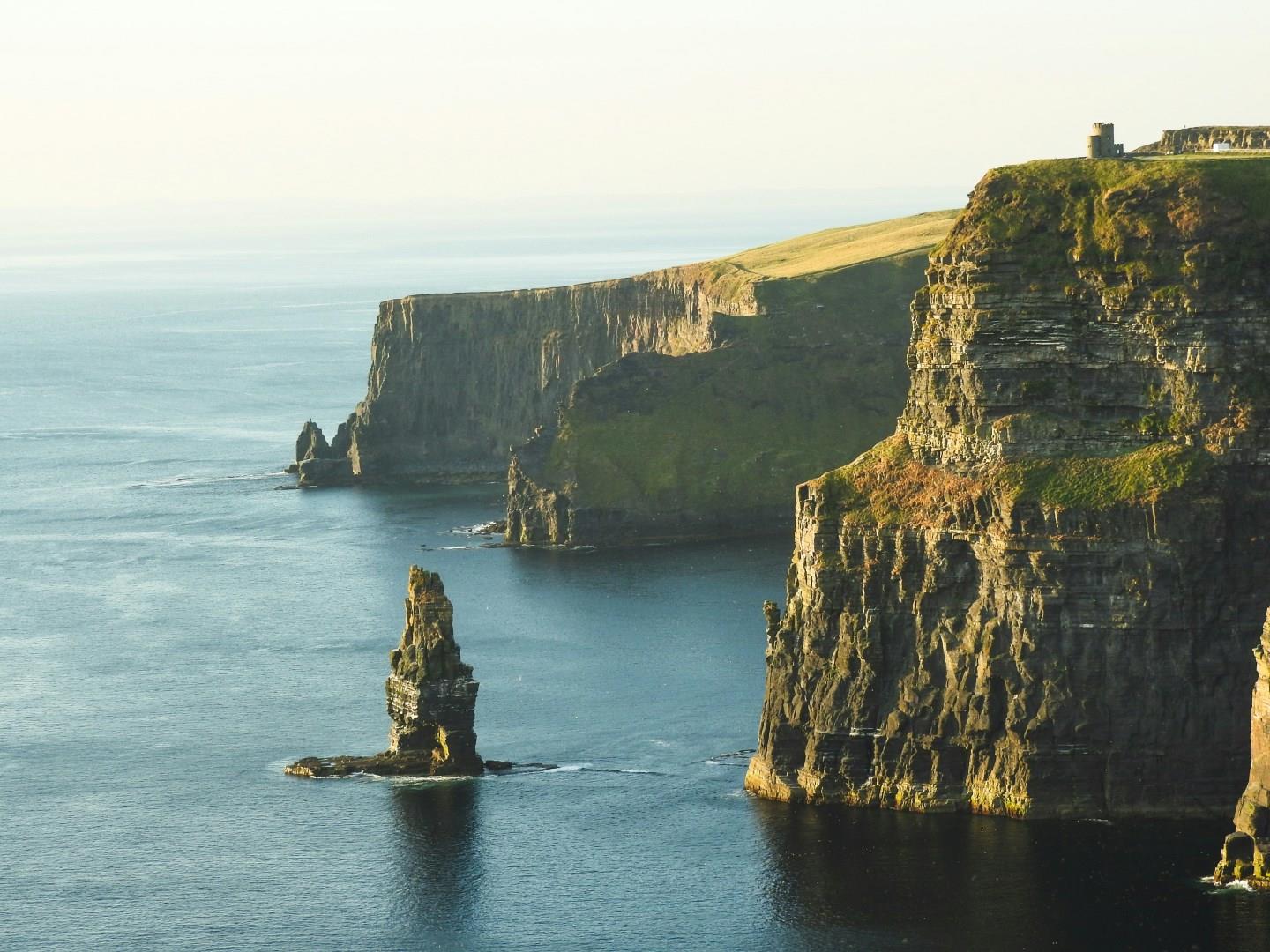
Cliffs of Moher
The Cliffs of Moher rise dramatically from the Atlantic Ocean, stretching for about 8 kilometers along Ireland’s western coast in County Clare. At their highest point near O'Brien's Tower, the cliffs reach 214 meters, offering uninterrupted views of the Aran Islands, Galway Bay, and the craggy peaks of Connemara on a clear day. These ancient sea cliffs have stood for over 300 million years and remain one of the most visited and photographed sites in Ireland.
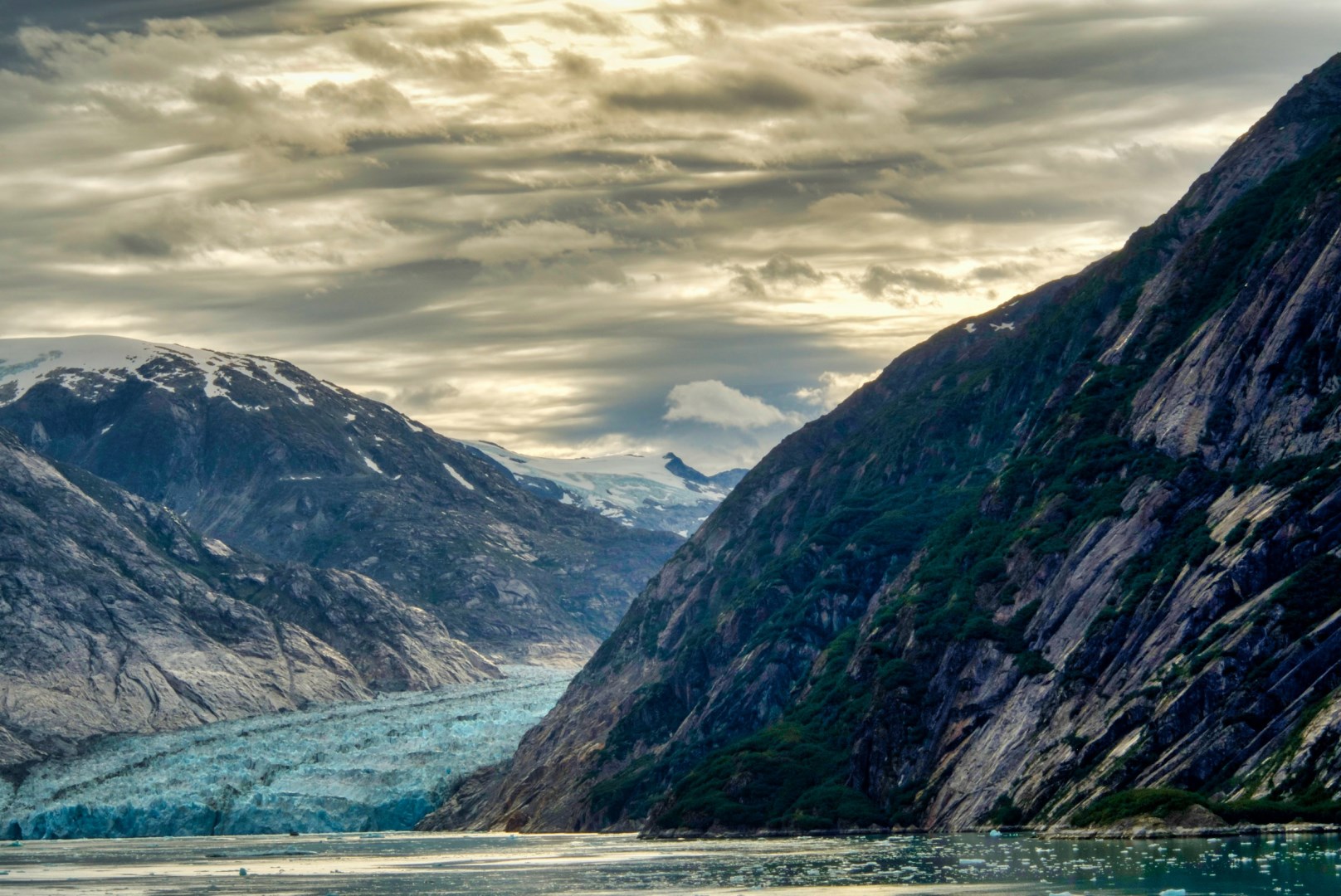
Endicott Arm
Whether witnessing the thunderous calving of Dawes Glacier, spotting orcas gliding through the water, or simply taking in the serenity of the fjord, a journey through Endicott Arm is a remarkable encounter with one of Alaska’s most stunning landscapes.
