Burgundy
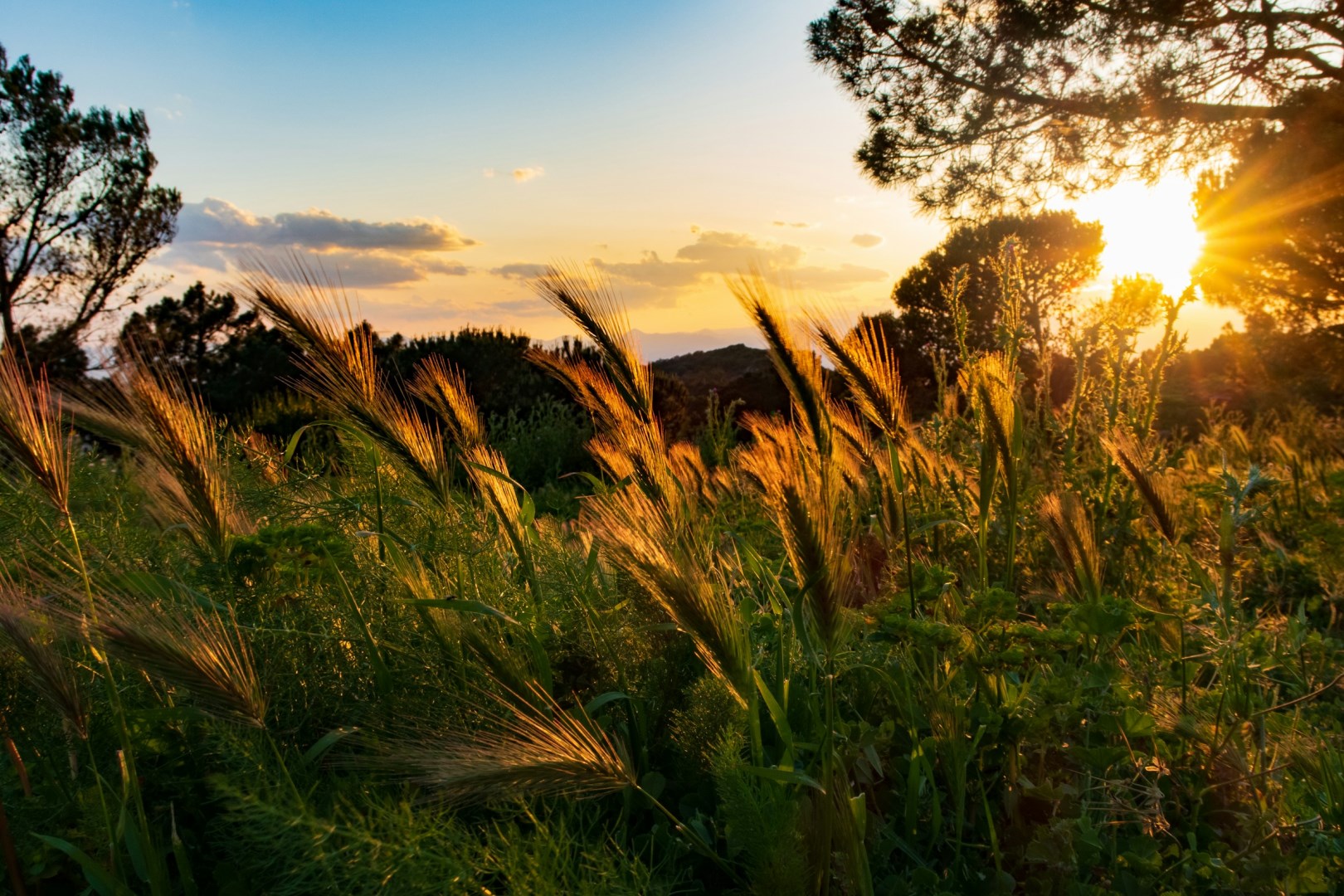
Burgundy, or Bourgogne in French, is a region in eastern France famed for its rolling vineyards, historic towns, and deep cultural heritage.
Heceta Head
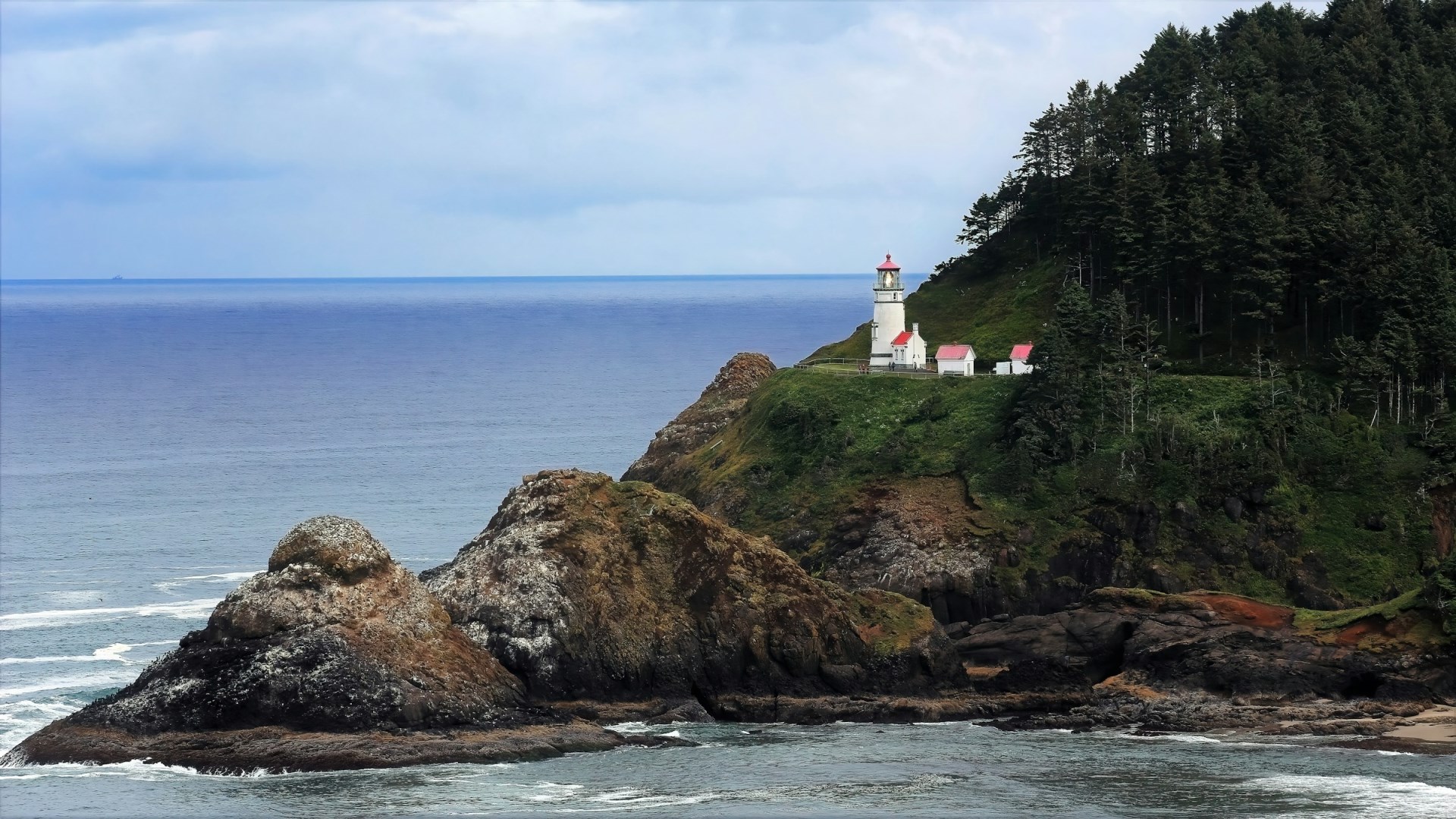
Heceta Head is a prominent coastal headland on Oregon’s central coast, rising above the Pacific Ocean north of Florence. The area is part of the Siuslaw National Forest and is known for its steep forested slopes, rocky shoreline, and sweeping ocean views. Heceta Head Lighthouse stands on the headland above the coast and remains one of Oregon’s best-known navigational landmarks.
Albany
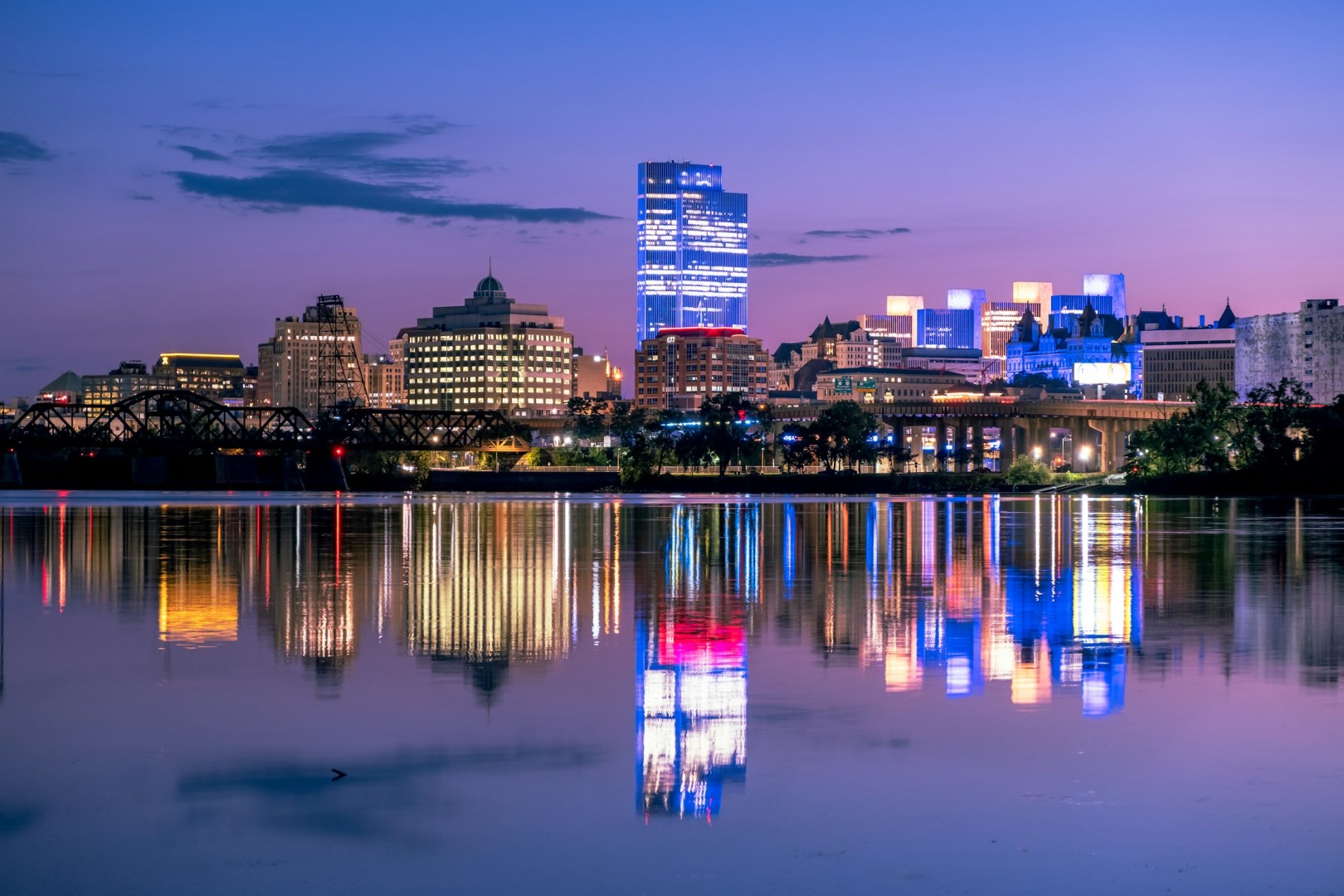
Albany is the capital of the state of New York. Albany is noted for the Empire State Plaza, which houses government buildings and the New York State Museum.

Visby
Medieval city with walls, defense towers and several churches. Every August, a medieval week is held, with jousting, food and authentic wardrobes.
Pattaya
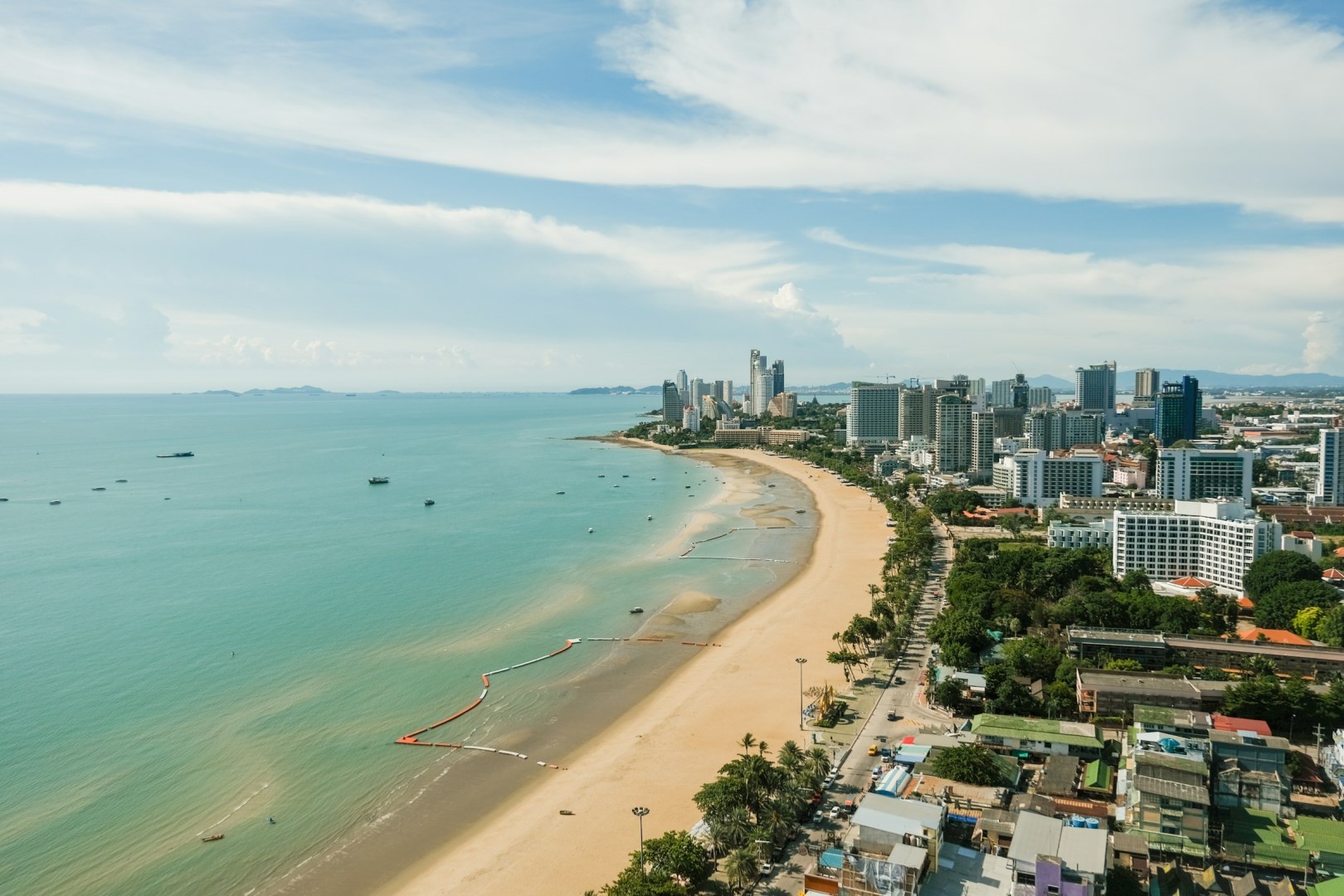
Pattaya is a coastal city in Chon Buri Province on Thailand's eastern Gulf coast, within easy reach of Bangkok. It developed from a small fishing community into a major seaside urban center, and today its landscape includes beaches, a busy waterfront, hotels, shopping areas, residential neighborhoods, and entertainment districts. Pattaya Beach forms the central shoreline, while Jomtien Beach extends south of the city and provides a more spacious coastal setting.