
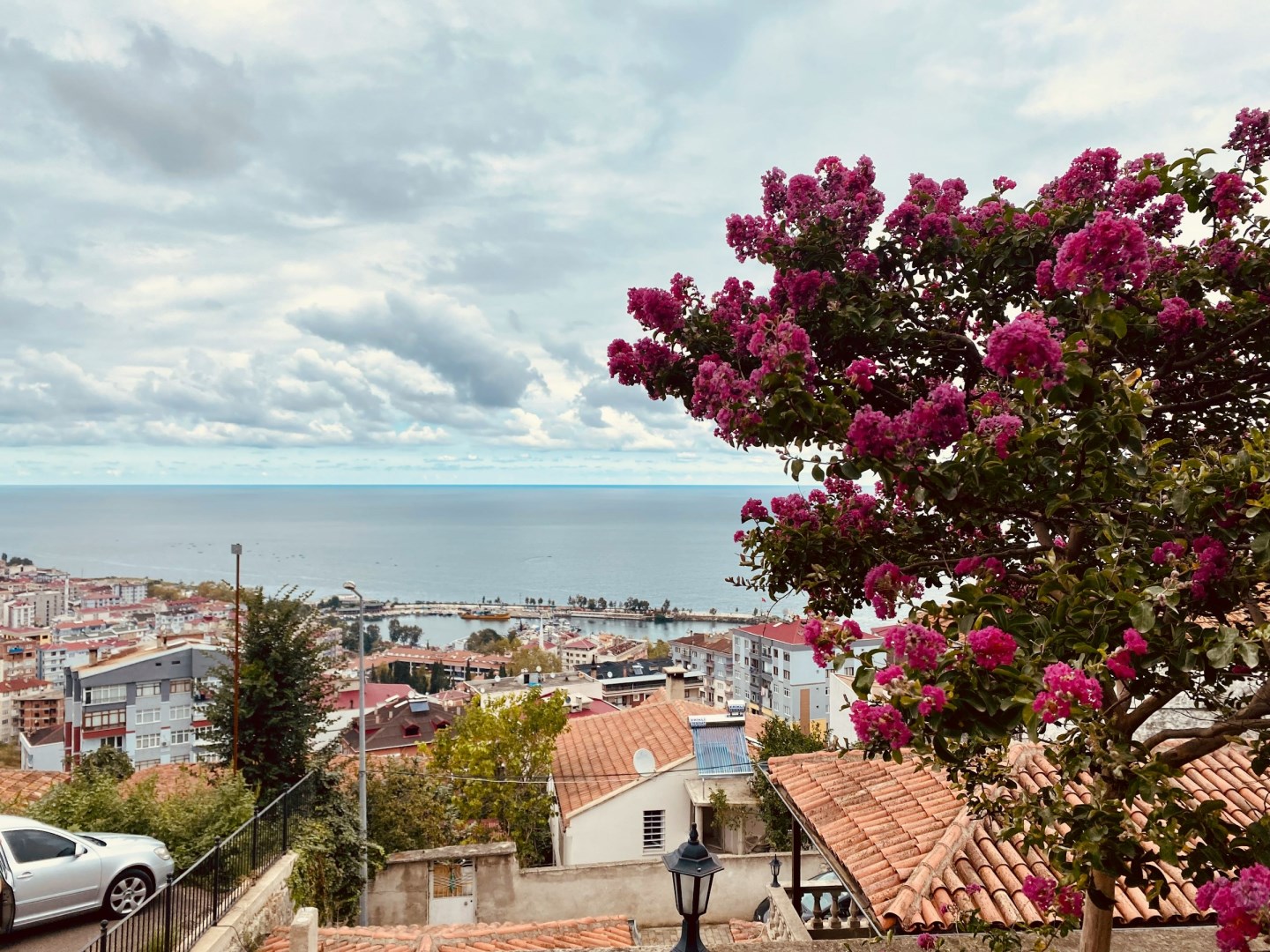
Trabzon
Trabzon was founded in the 7th century B.C. by Milletain colonists. On entering the city, on a green hill descending to the sea, is a well-preserved 13th century Byzantine church, now the Avasofya Museum. The walls of this church are decorated with frescoes, some of the finest examples of Byzantine craftmanship. The higher part of the city, the old quarter, inside the still extant fortifications with its timber houses, should be visited.

Newport
Newport, Rhode Island, is a charming coastal city steeped in history and elegance. Often referred to as the "Sailing Capital of the World," Newport offers stunning seaside views, rich colonial heritage, and Gilded Age grandeur. Stroll along the famous Cliff Walk, a 3.5-mile path that weaves between the crashing waves of the Atlantic Ocean on one side and the opulent Newport mansions on the other.
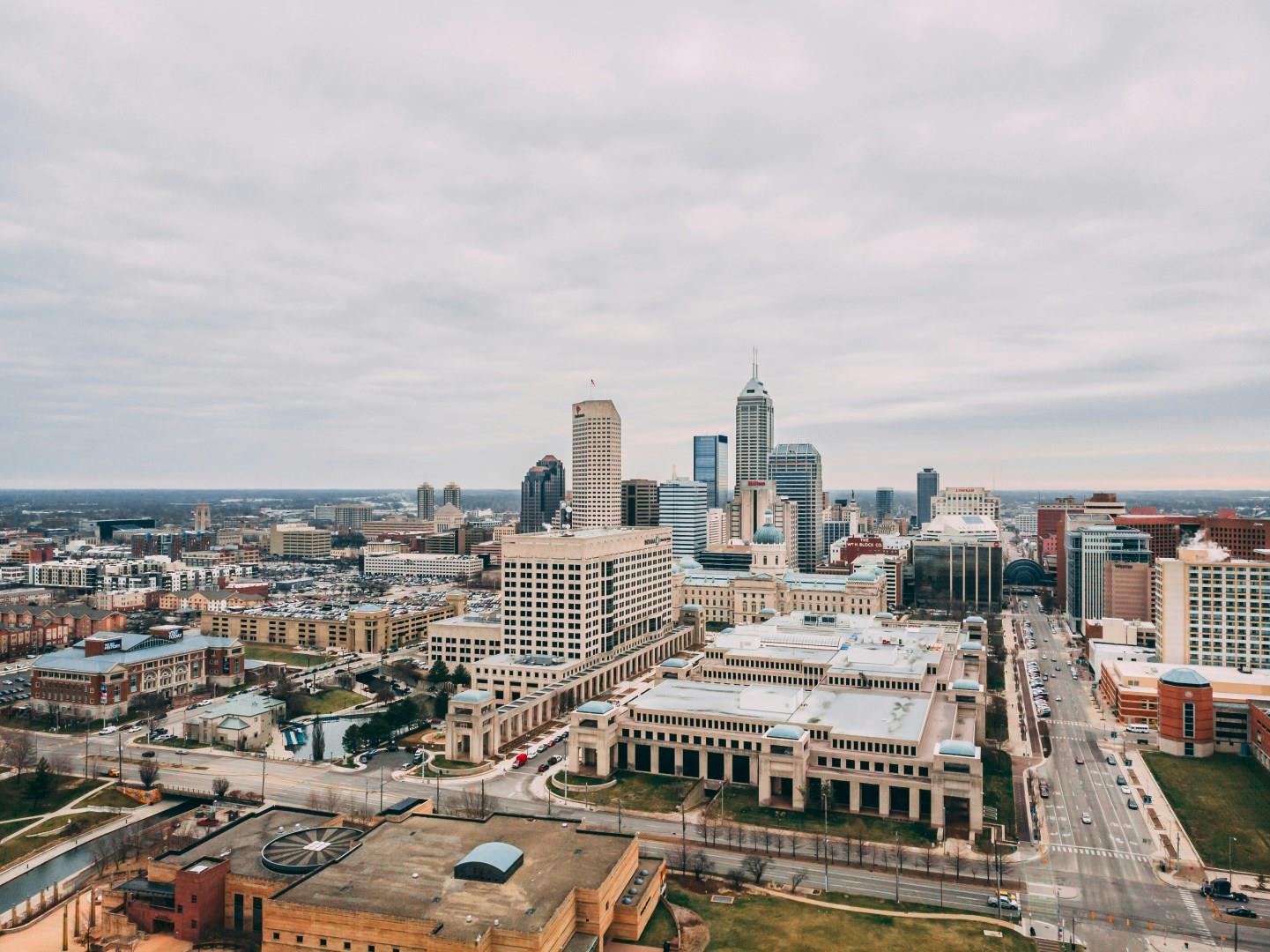
Indianapolis
Indianapolis, known as the Crossroads of America, is more than just a hub for interstates and conventions, it’s a city where speed, sports, and creativity intersect. At the center of it all is Monument Circle, a grand civic plaza anchored by the Soldiers and Sailors Monument, which visitors can climb for panoramic views of the skyline. Just a few blocks away is the Indianapolis Motor Speedway, the largest sporting venue in the world by capacity.

Napa Valley
Napa Valley, California, is synonymous with world-class wine, offering a refined yet welcoming escape to one of the most renowned wine regions on the planet. Nestled between the Mayacamas Mountains and Vaca Range, Napa Valley boasts over 400 wineries. Tourists flock to this bucolic haven to experience wine tastings, vineyard tours, and cellar explorations. But Napa is more than just a destination for wine lovers; it's a gateway to California's finest culinary offerings.
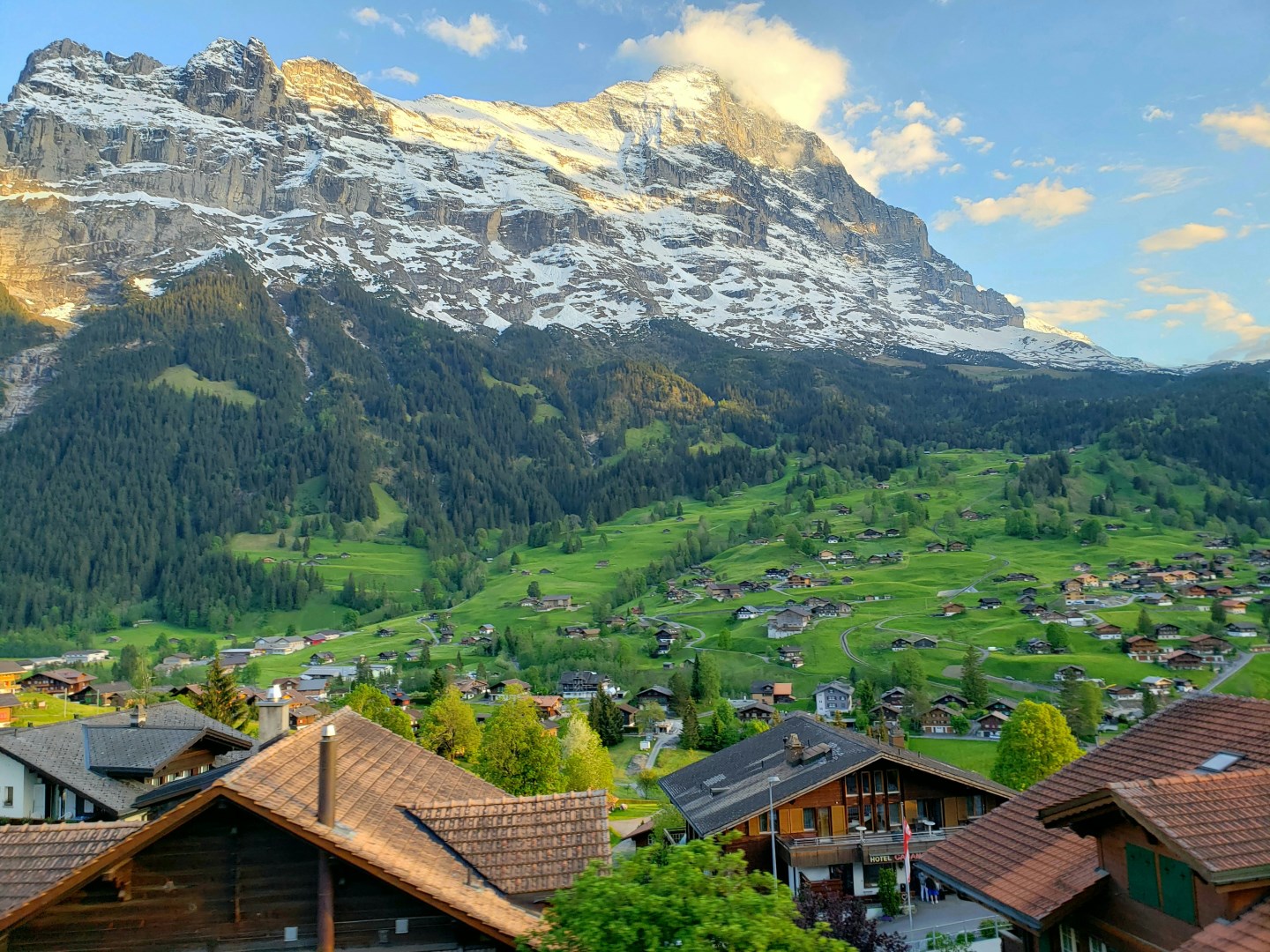
Grindelwald
Set in a wide alpine valley beneath the north face of the Eiger, Grindelwald has long been a place where mountain life and mountaineering history intersect. The village grew from a farming settlement into one of Switzerland’s earliest alpine tourism hubs in the 19th century, when climbers, writers, and scientists arrived to study—and attempt—the surrounding peaks.
