Akita
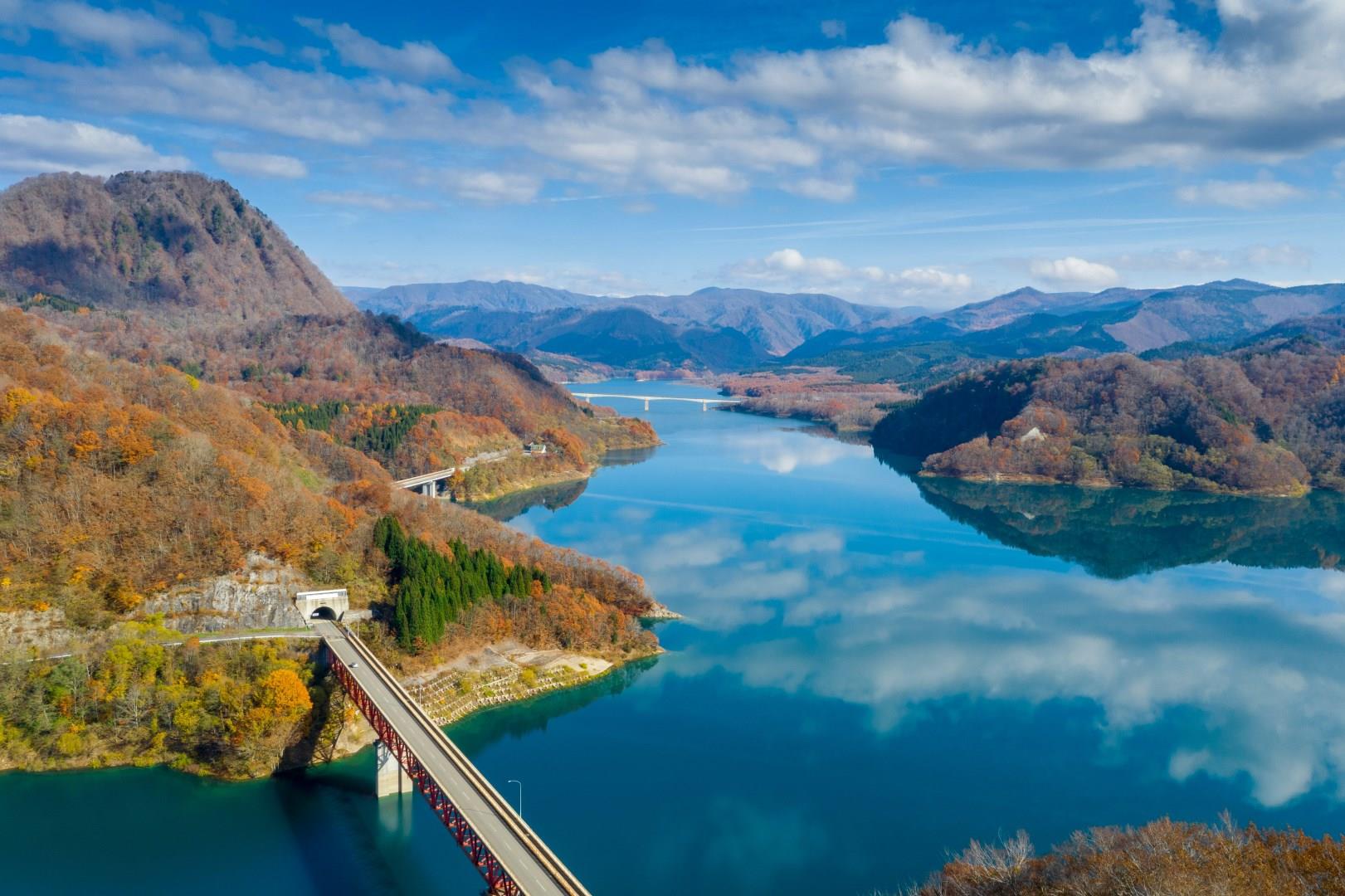
Akita sits in the northern part of Japan’s Tōhoku region and offers travelers experiences rooted in long-held traditions, lively festivals, and scenic valleys. Its capital city blends seasonal appeal with cultural offerings, from Senshu Park, once the site of Kubota Castle, where cherry blossoms and lotuses draw locals and visitors alike, to the Akita Museum of Art, a striking building designed by famed architect Tadao Ando that displays works including pieces by Tsuguharu Foujita.
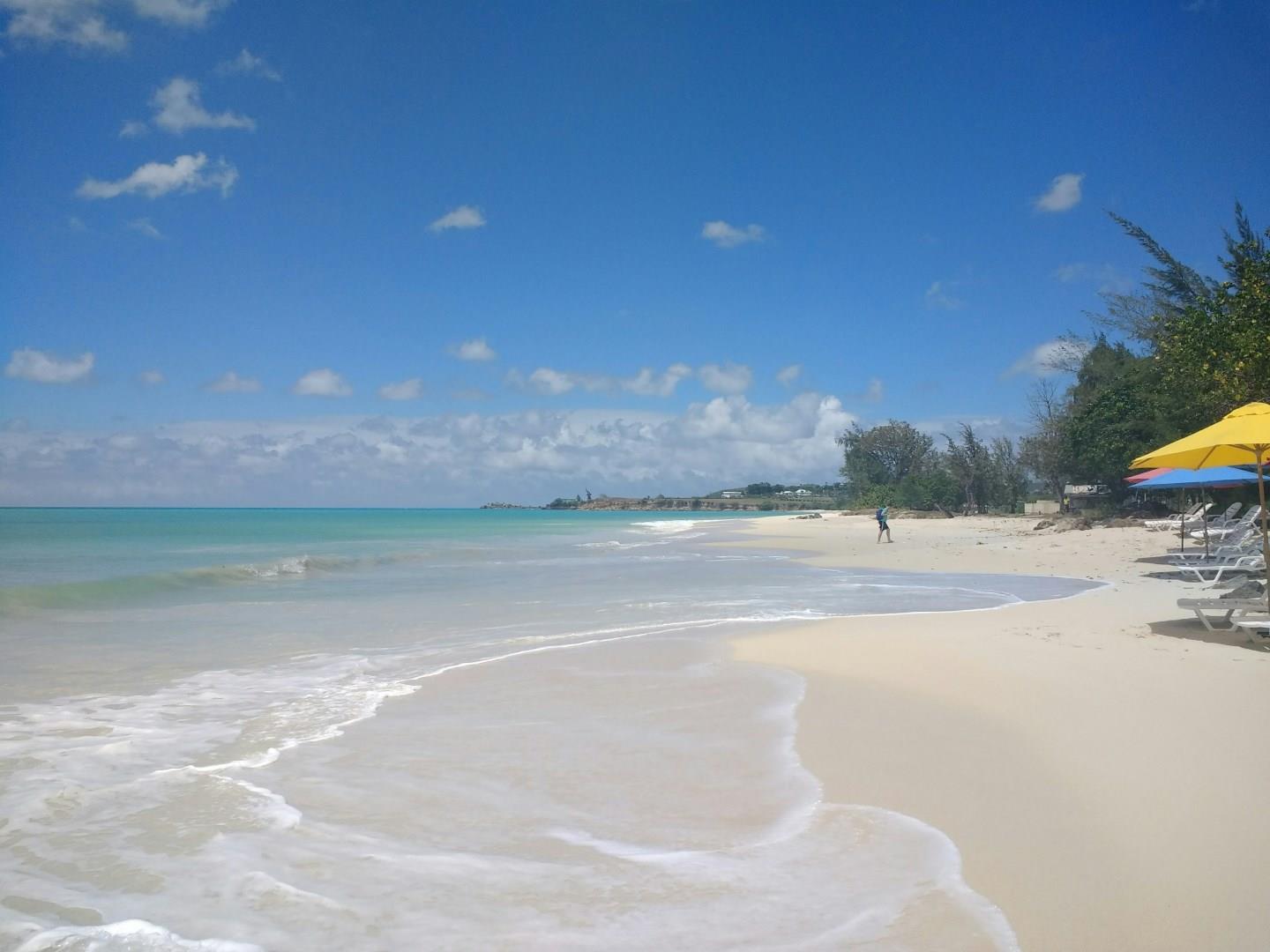
Fort James Beach
Fort James Beach, just outside St. John’s in Antigua, is a long stretch of soft white sand framed by calm, turquoise waters. The beach takes its name from nearby Fort James, a historic 18th-century British stronghold built to guard the harbor.
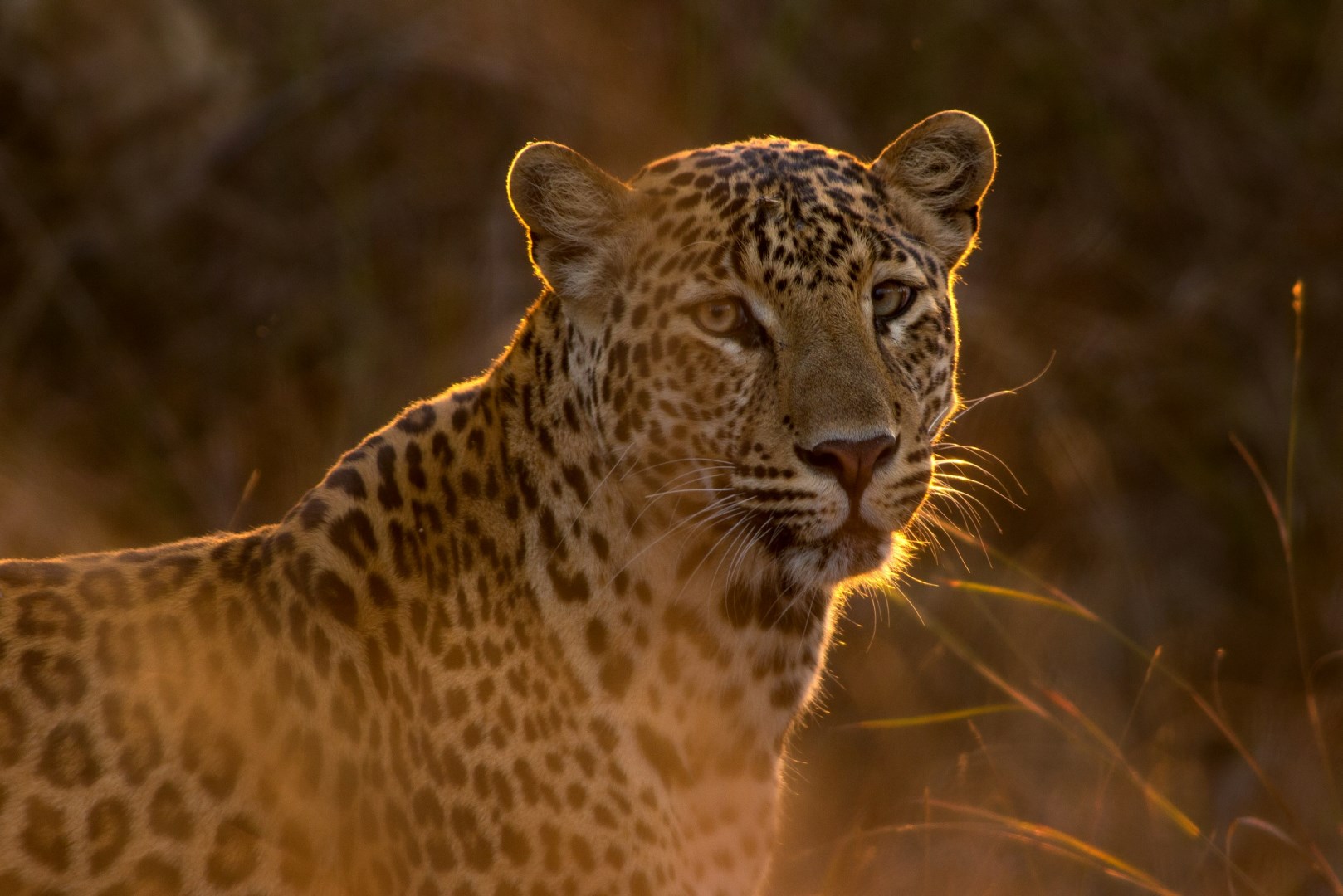
Panna National Park
Panna National Park lies in the Vindhya Hills of Madhya Pradesh in central India, extending across the Panna and Chhatarpur districts. The Ken River runs through a landscape of dry deciduous forest, open grassland, rocky plateaus and deep gorges.
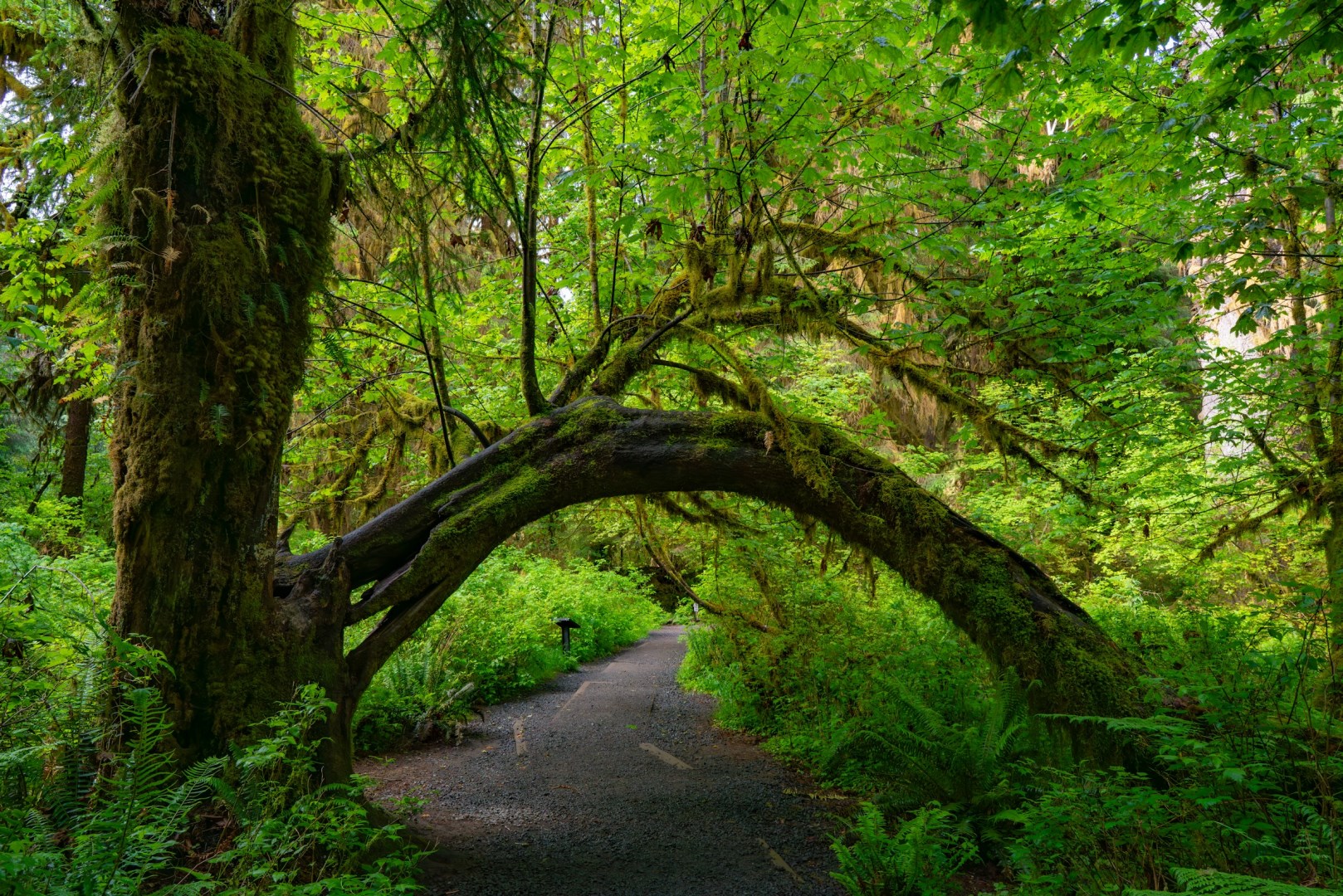
Olympic National Park
Olympic National Park occupies Washington State’s remote northwest corner, shaped by isolation and ecological range rather than a single defining feature.
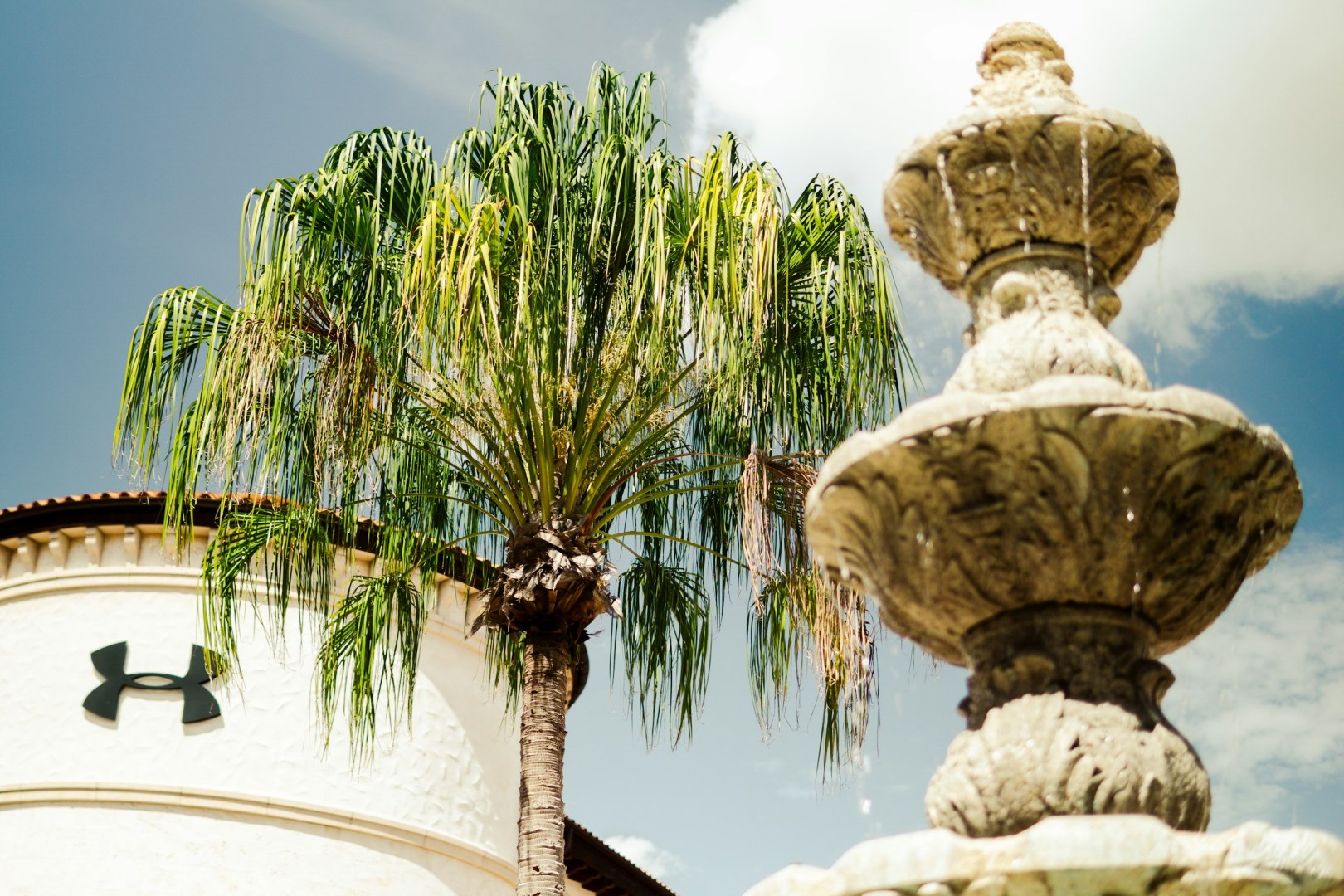
Lake Buena Vista
Lake Buena Vista, Florida, is the gateway to magic and adventure, nestled in the heart of the Sunshine State. Known primarily as the home of the Walt Disney World Resort, this vibrant city offers a wealth of experiences for visitors of all ages. From the enchanting Cinderella Castle in Magic Kingdom to the futuristic rides of EPCOT, Lake Buena Vista promises a world of wonder.