
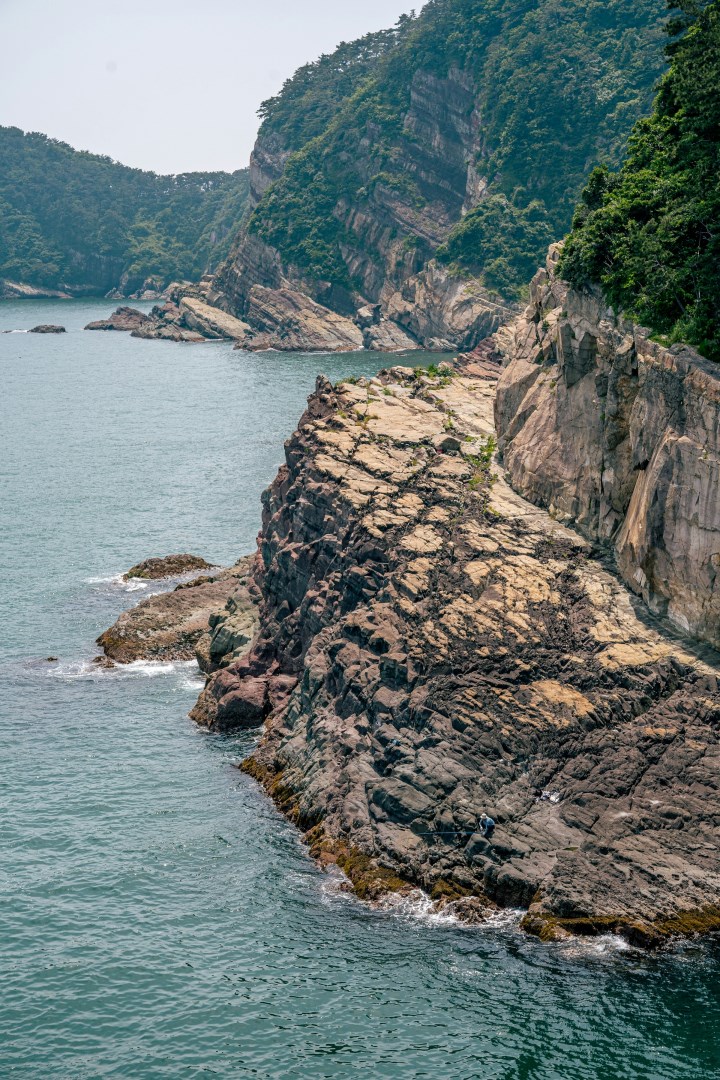
Incheon
Located on the Yellow Sea in northwest South Korea, it is a large port city.

Osaka
Osaka is a city that thrives on contrasts with centuries-old castles sit just blocks from neon-lit arcades and high-speed trains. Once known as “Japan’s kitchen” during the Edo period, Osaka played a key role in rice trading and food distribution across the country. Today, visitors can walk the grounds of Osaka Castle, originally built in the 16th century by Toyotomi Hideyoshi, and take in panoramic city views from the top floor of its museum.
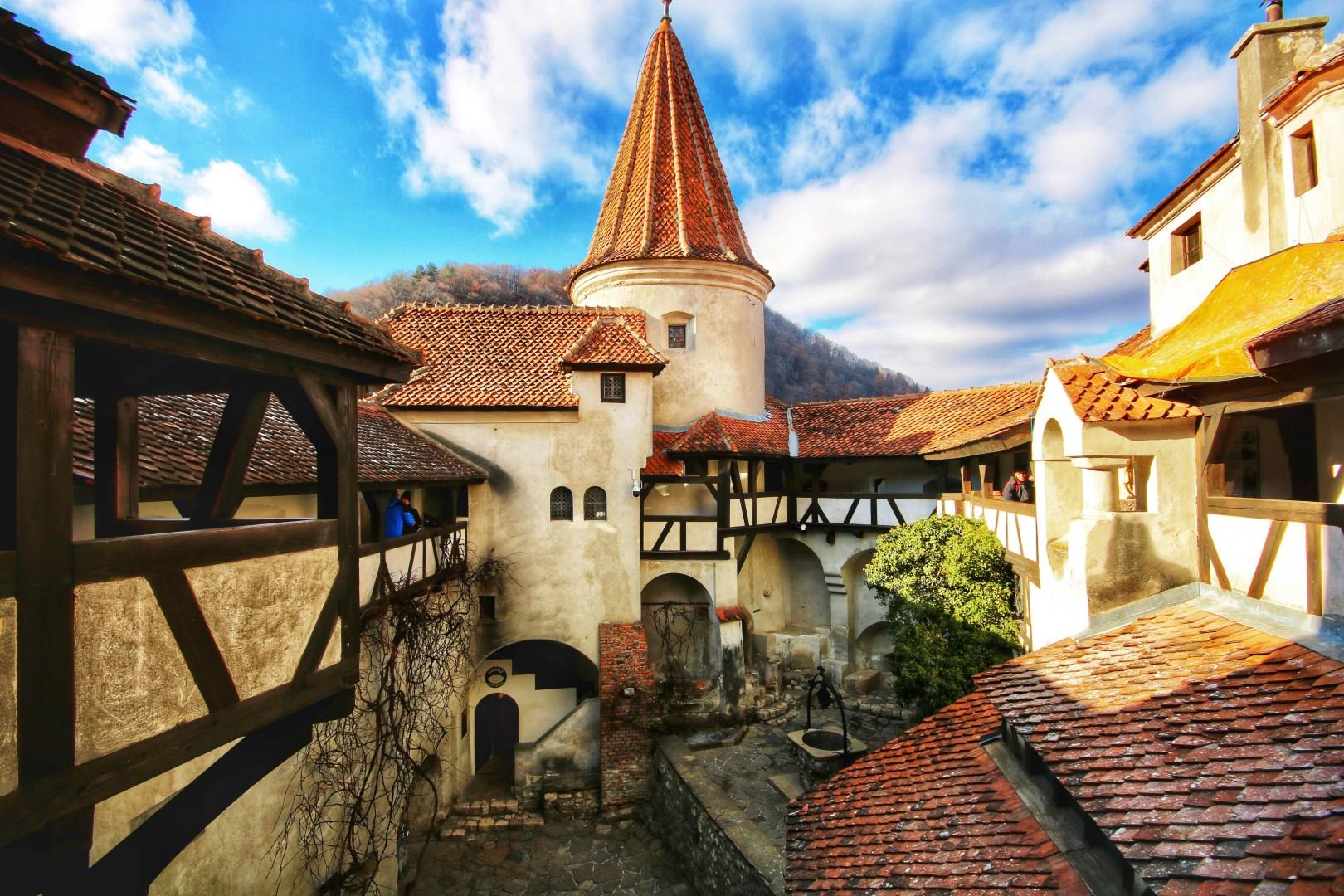
Bran
Bran, a small village nestled in the Carpathian Mountains of central Romania, is best known for its medieval fortress commonly referred to as “Dracula’s Castle.” While the connection to Bram Stoker’s fictional character is loose at best, Bran Castle continues to draw travelers with its striking towers, stone walls, and position on a rocky cliff. Originally built in the 14th century to defend against invading forces, the castle has passed through royal hands, most notably Queen Marie of Romania.

Gothenburg
Gothenburg, Sweden’s vibrant west coast gem, offers a perfect blend of maritime charm, innovative design, and sustainable living. Known for its picturesque canals, cobblestone streets, and classic Nordic architecture, Gothenburg invites visitors to explore its rich history and modern flair. The city’s heart is anchored by the famous Kungsportsavenyen (Avenyn), a grand boulevard lined with cafes, boutiques, and cultural landmarks like the Gothenburg Museum of Art.
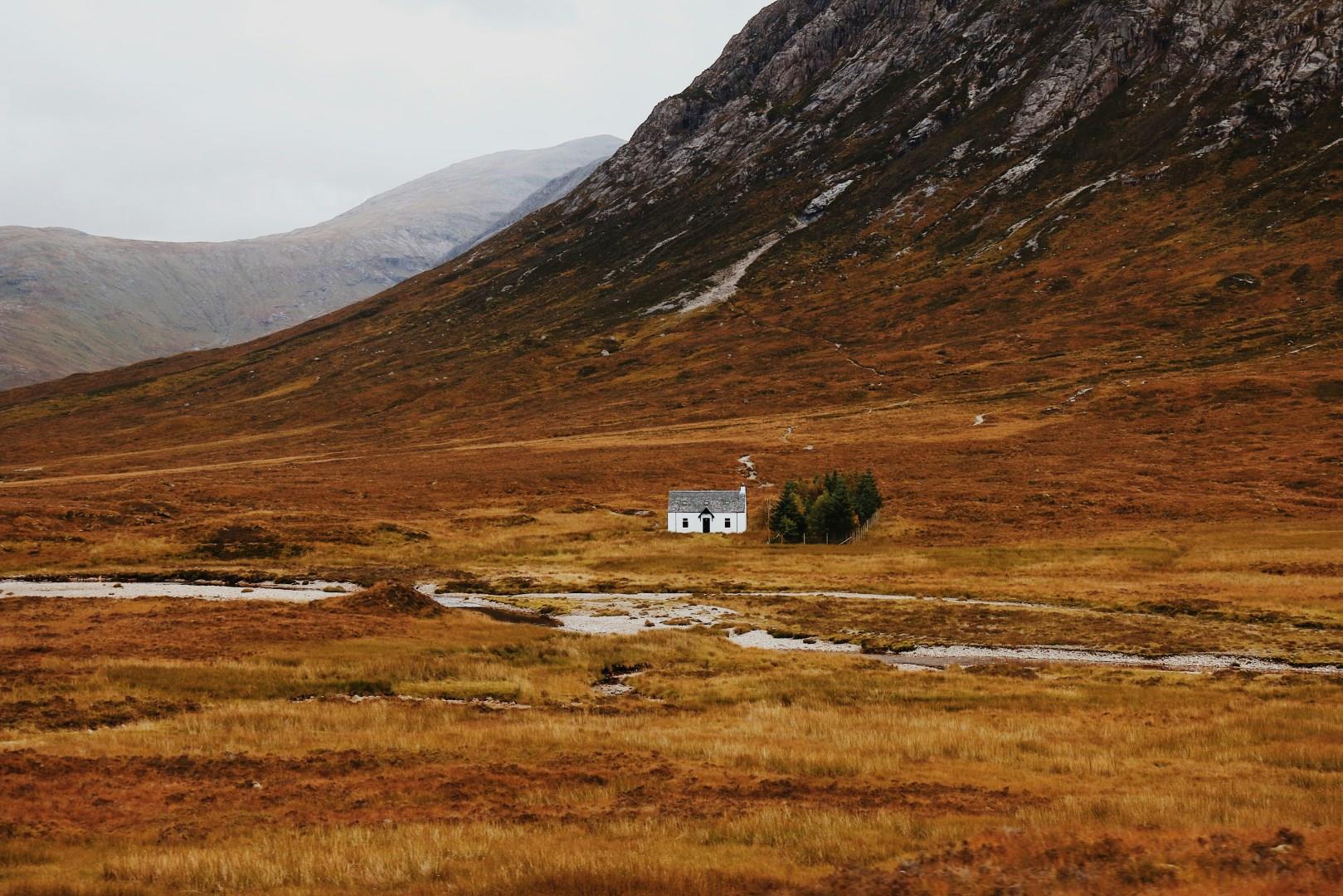
Glencoe
Glencoe lies in the western Highlands of Scotland, where a long, steep-sided valley cuts through mountains shaped by ancient volcanic activity and glaciation.
