

Dominica
Dominica, known as the “Nature Island of the Caribbean,” is a haven for eco-tourists and adventure seekers. Nestled between the French islands of Guadeloupe and Martinique, this lush island boasts a remarkable landscape of volcanic mountains, dense rainforests, and stunning waterfalls. Dominica’s most iconic natural wonder is the Boiling Lake, the second-largest hot spring in the world.
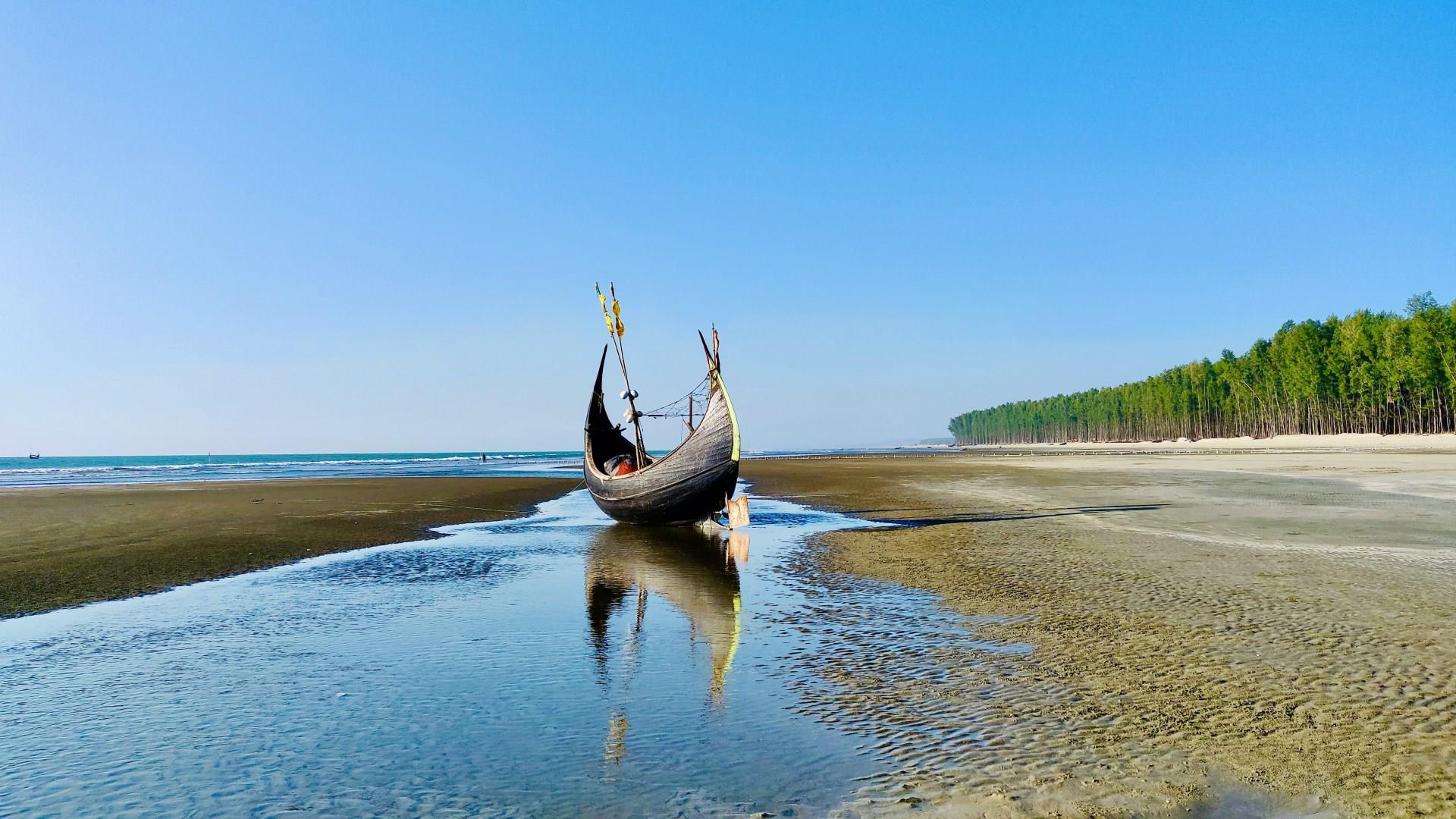
Bangladesh
Bangladesh, set in the heart of South Asia, is known for its lush greenery and waterways. It is often described as the “land of rivers,” with the Ganges, Brahmaputra, and Meghna weaving through its landscapes.
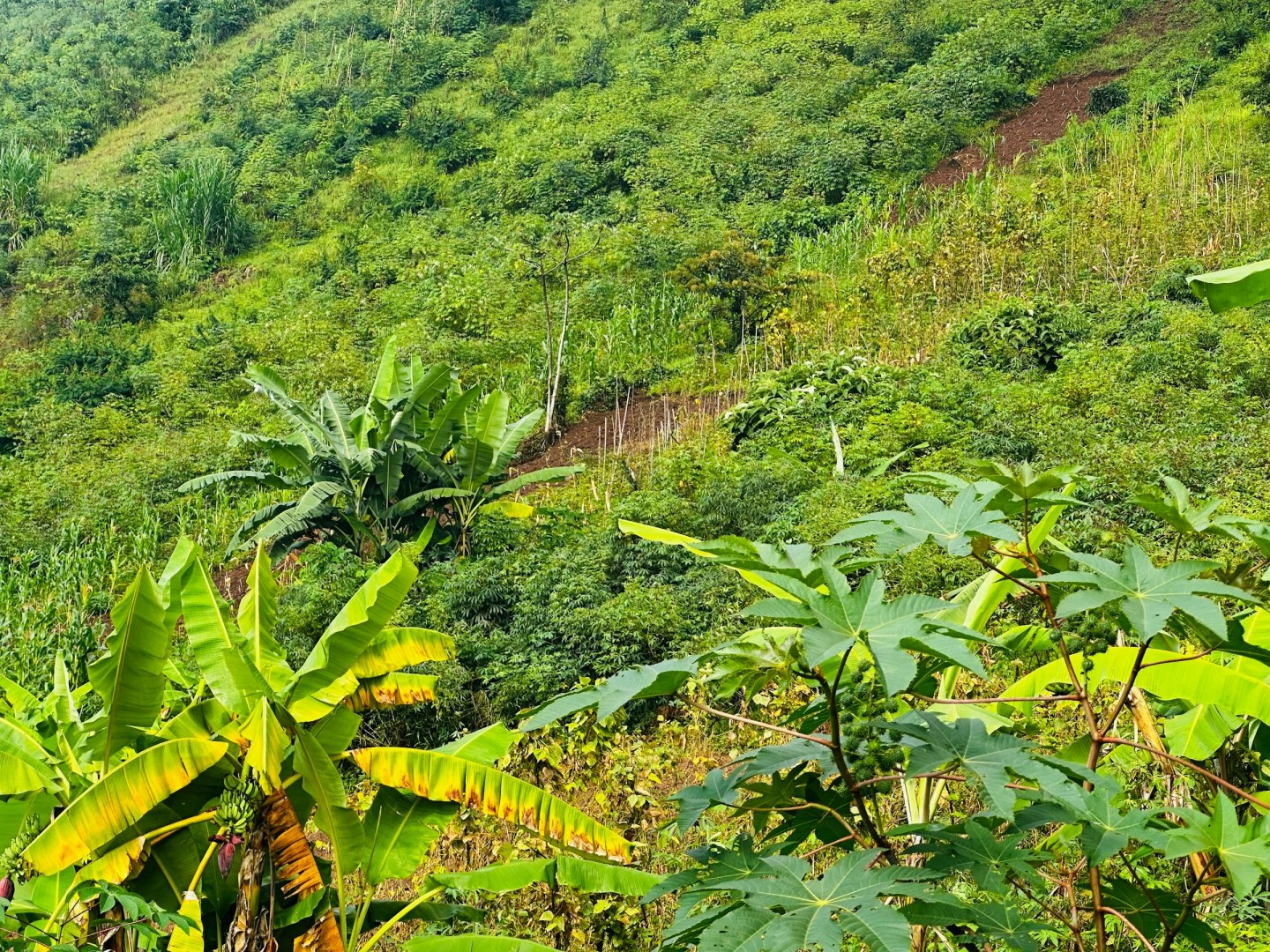
Bujumbura
Bujumbura is Burundi’s largest city and economic centre, extending along the northeastern shore of Lake Tanganyika beneath the hills of western Burundi.
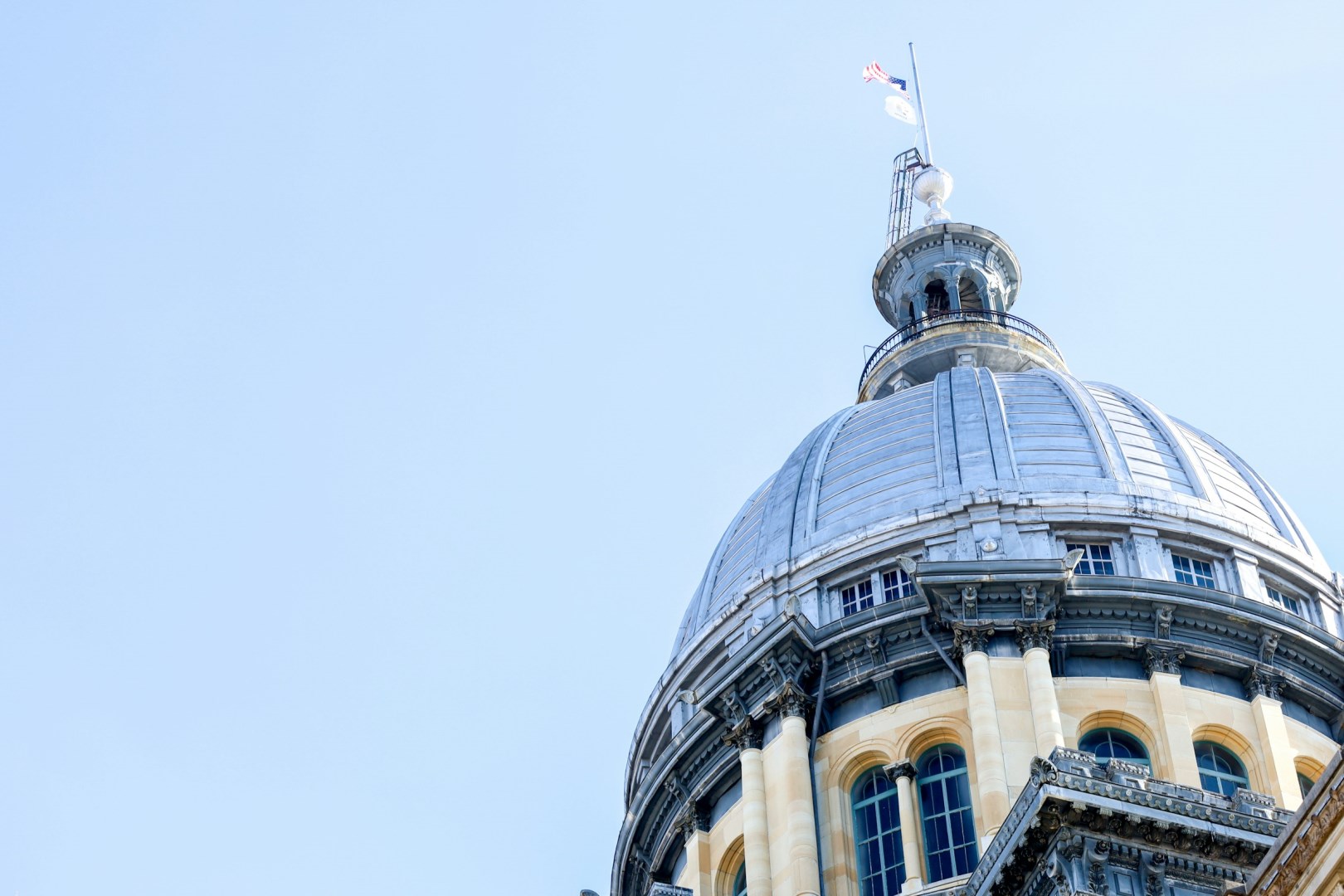
Springfield
Springfield is the capital of Illinois and a city closely associated with Abraham Lincoln, whose home, law practice, and political career were based there before he became president. Located in the central part of the state, Springfield sits amid the prairie landscape of the Sangamon River Valley.

Pilsen
Pilsen, located in the western part of the Czech Republic, is renowned for its rich history and vibrant cultural scene. The city is best known as the birthplace of Pilsner beer, a name synonymous with the iconic pale lager that has become a global standard.
