
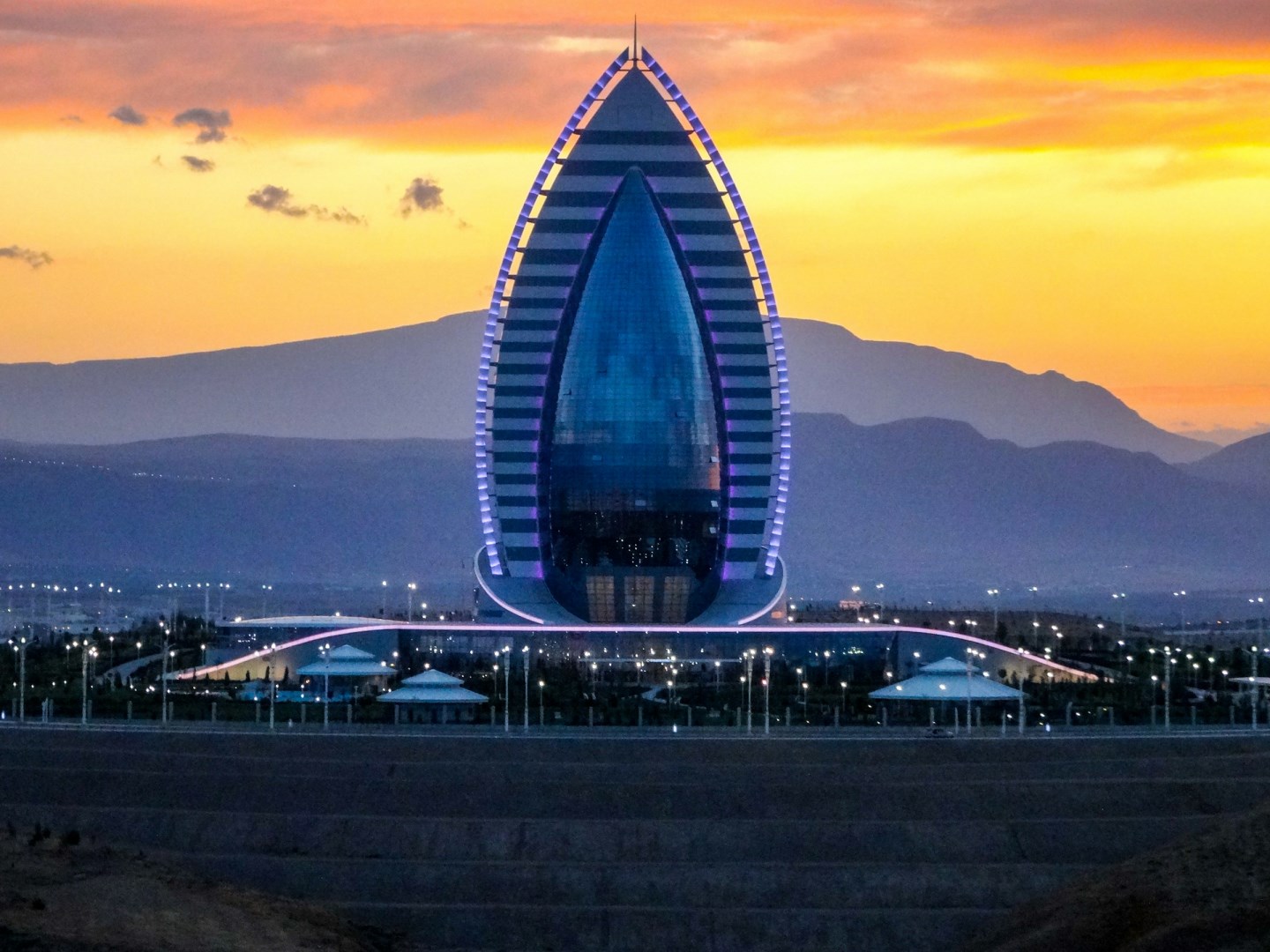
Ashgabat
Ashgabat (formerly Ashkhabad) is the capital and the largest city of Turkmenistan. In Persian, the name means "city of love." Notable attractions include the Karakum Canal, the Trans-Caspian railway, and numerous monuments and museums to explore.

Fakarava
Fakarava, a hidden paradise in French Polynesia, is an ideal destination for those seeking unspoiled natural beauty and adventure. This atoll, part of the Tuamotu Archipelago, is known for its pristine coral reefs and crystal-clear lagoons.
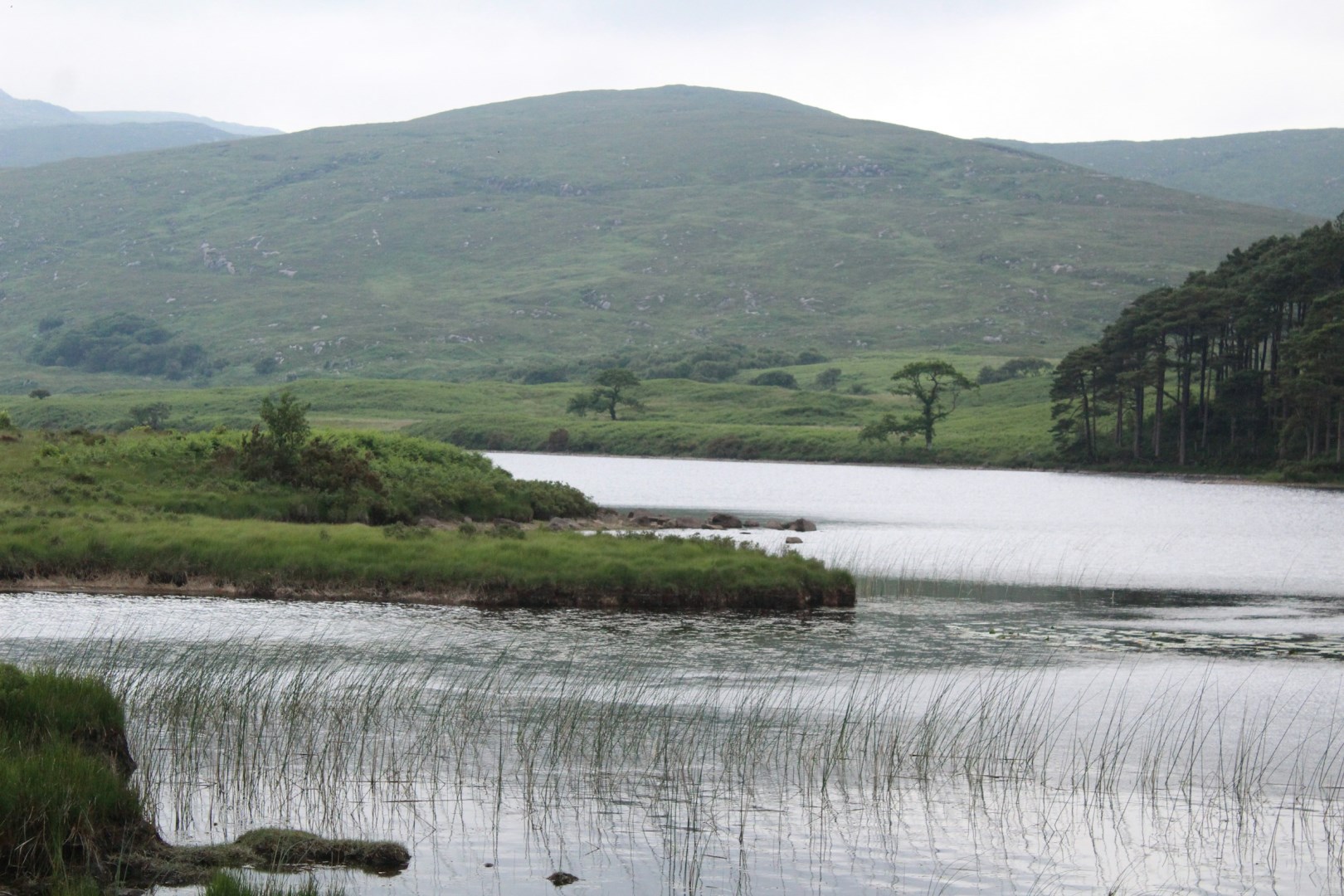
Letterkenny
Letterkenny, the largest town in County Donegal, Ireland, is a vibrant hub where traditional charm meets modern amenities. Set amidst the picturesque landscapes of Donegal, Letterkenny serves as a gateway to the rugged beauty of the Wild Atlantic Way. This bustling town offers a mix of cultural attractions, outdoor activities, and local charm that will captivate any traveler.
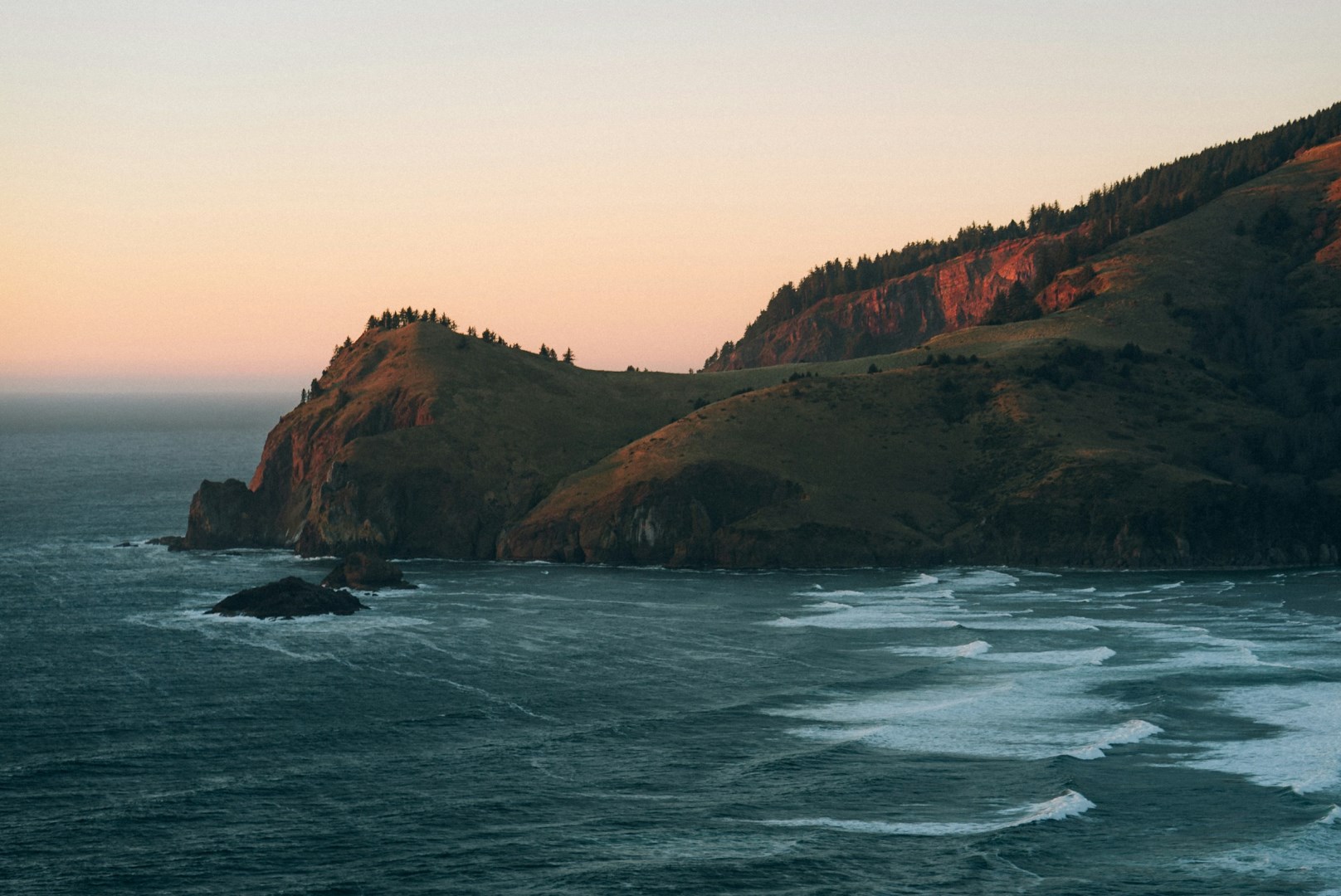
Lincoln City
On the Oregon Coast, Lincoln City is more a collection of beach towns strung along 7.5 miles of ocean, than a city....Fans of sports or nature walks find pieces of heaven. River, lake or ocean, fishers can take their pick. The boutiques, shops, galleries and national brand factory outlets say that you've found a place where shopping really is a day at the beach.

Nuva Hiva
Nuku Hiva, the largest island in the Marquesas archipelago, offers an unparalleled escape into Polynesian paradise. This rugged island is renowned for its dramatic landscapes, characterized by lush valleys, towering cliffs, and volcanic peaks.
