Chichester
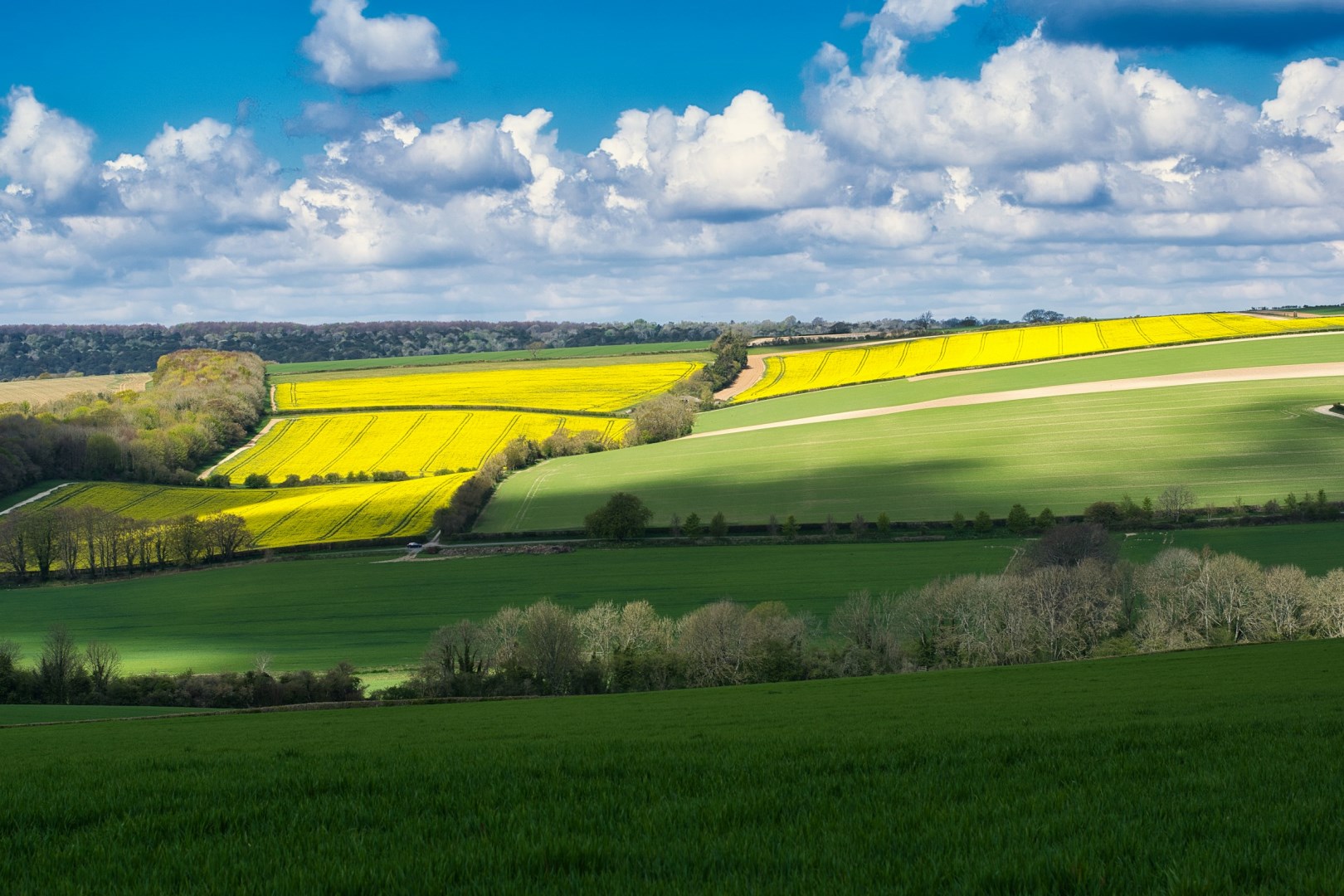
Chichester is an ancient cathedral city on the South Coast of England. It lies between Portsmouth - the city of maritime history - and Brighton, home of the English seaside. Its withing an hour's drive of Gatwick and Heathrow, the tow main airports for the UK, and two cross channel ports.
Chester
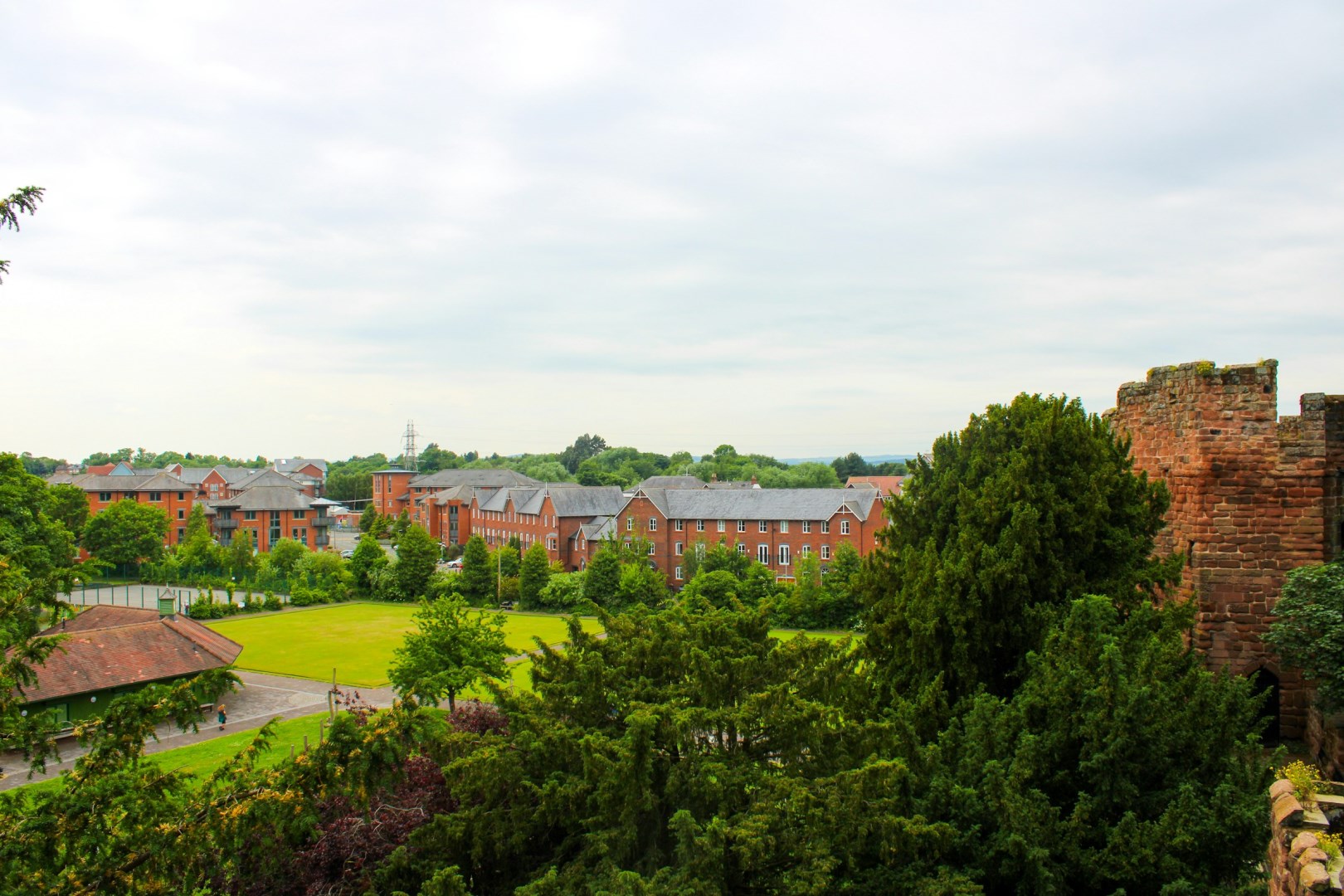
One of the few fully walled cities from Roman times, this city is located south of Liverpool. Interesting shops in the town center are on the second level.
Uxmal
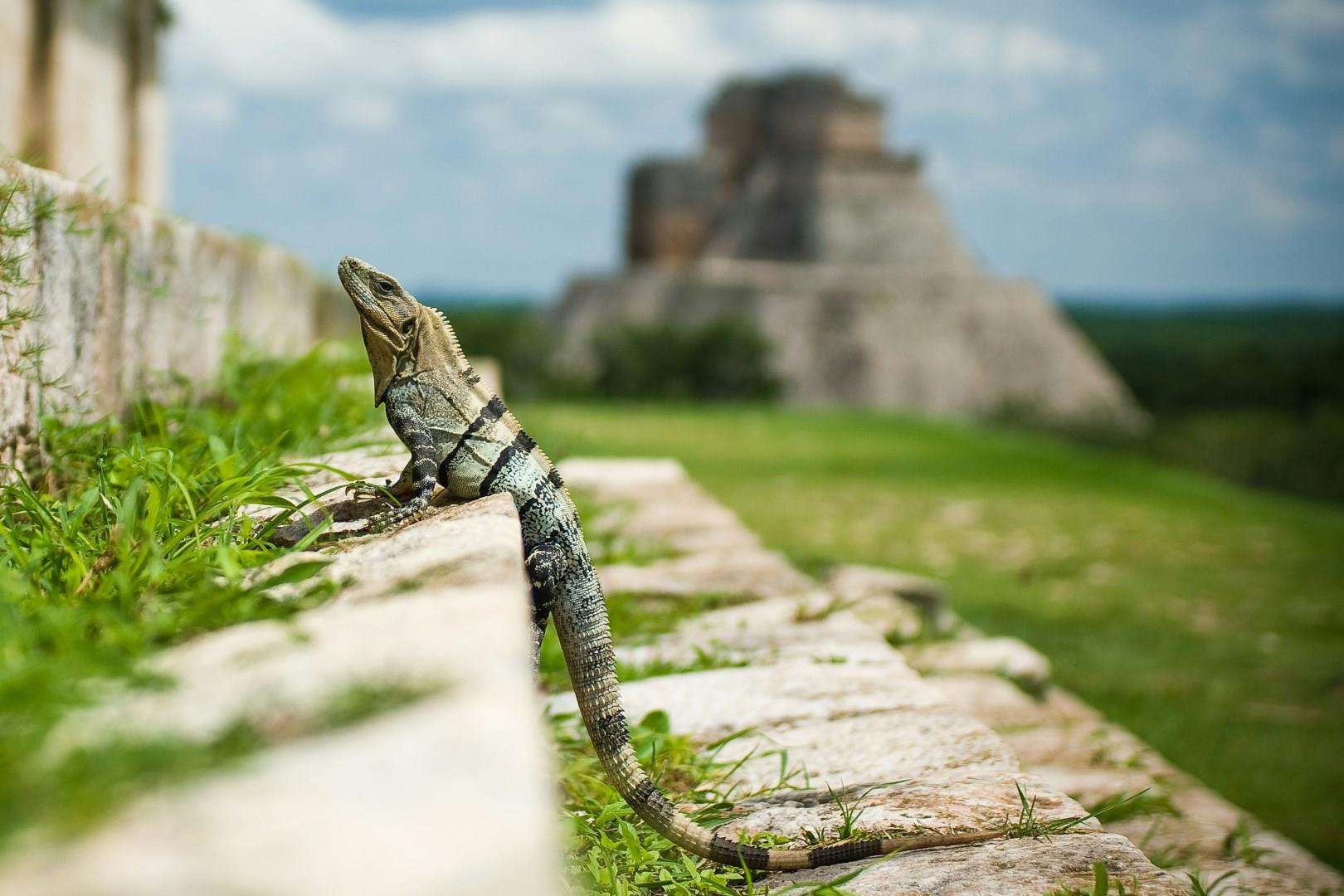
Uxmal, located about 80 kilometers south of Mérida in the Puuc region of Yucatán, is one of the most architecturally refined ancient Maya cities. Unlike other major Maya sites built with steep pyramids and narrow passageways, Uxmal is known for its smooth limestone structures, wide plazas, and intricate stone mosaics. One unique experience available to visitors is the nightly light and sound show, which uses colored projections to highlight carvings and narrate local legends and Maya cosmology.

Lake Nakuru National Park
Lake Nakuru National Park is located in the heart of the Great Rift Valley. The Park encompasses the alkaline Lake Nakuru and has earned fame as the greatest bird spectacle in the world. The gathering of hundreds of thousands of greater and lesser pink flamingos.

Gulf of Alaska
The Gulf of Alaska, a vast expanse of icy blue waters nestled along the southern coast of Alaska, is a remarkable destination for nature enthusiasts and adventure seekers. This pristine region is renowned for its dramatic fjords, rugged coastline, and majestic glaciers, which contribute to its breathtaking scenery.