

Cochem
Along the banks of the Moselle River, Cochem is a charming village known for Reichsburg castle as well as its old town, with its half-timbered houses.
Port Said
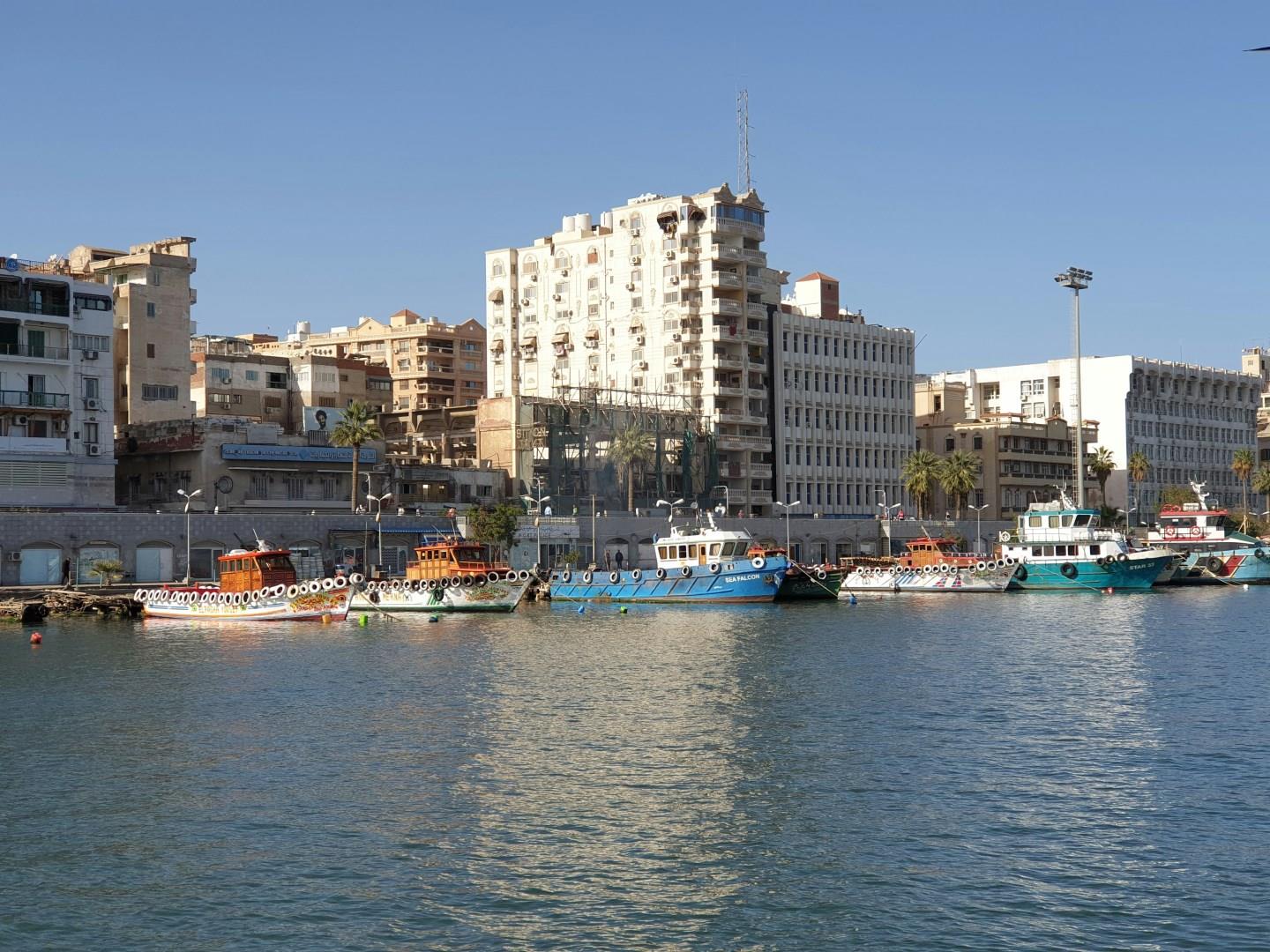
Egypt’s Port Said sits at the northern entrance of the Suez Canal, where the Mediterranean meets one of the world’s most famous waterways.
Tamuning
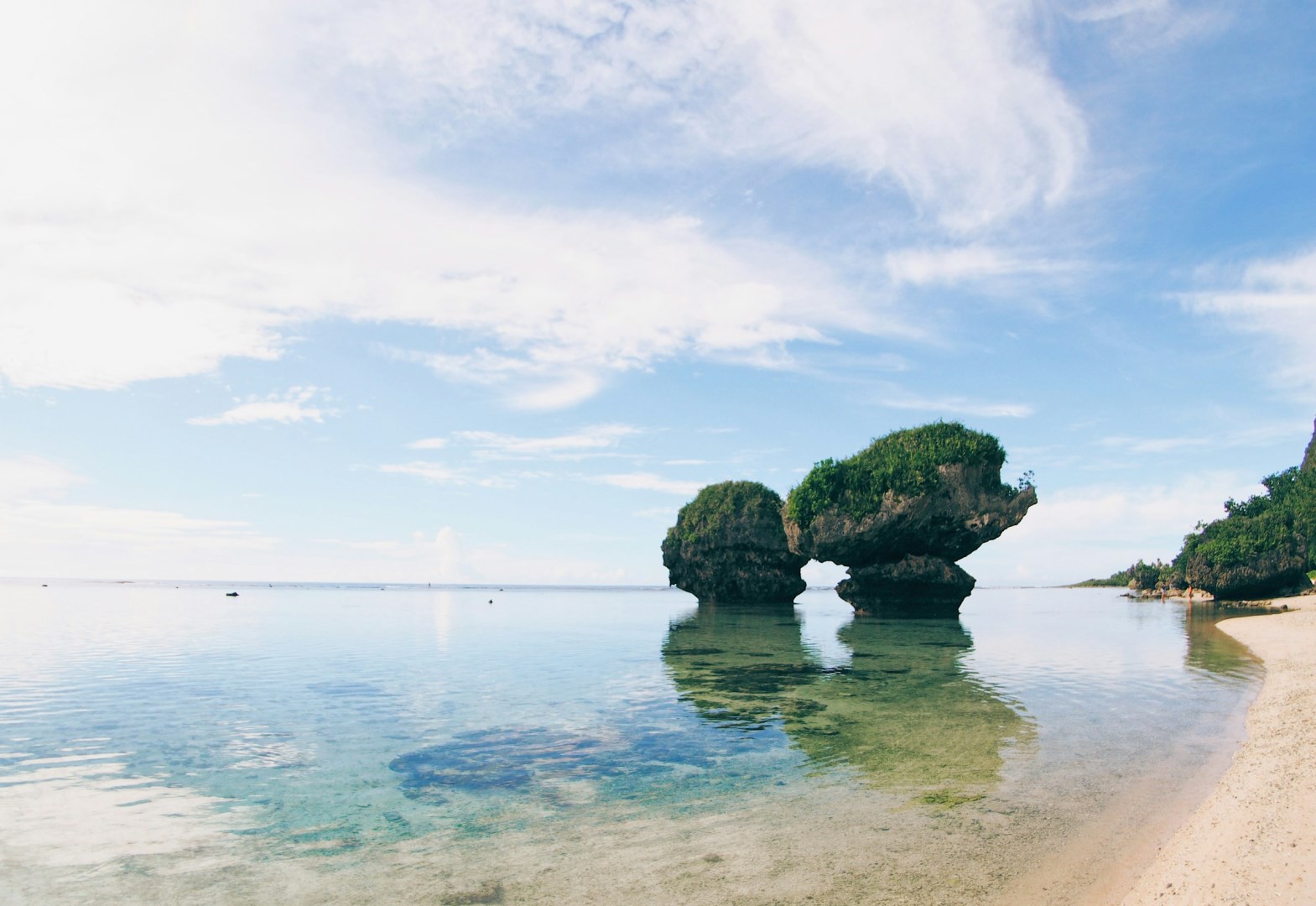
Tamuning, Guam activities include: submarines tours of marine life (Guam-Atlantis Submarines), snorkeling, surfing, sports, fishing,and sports . . .
La Rochelle
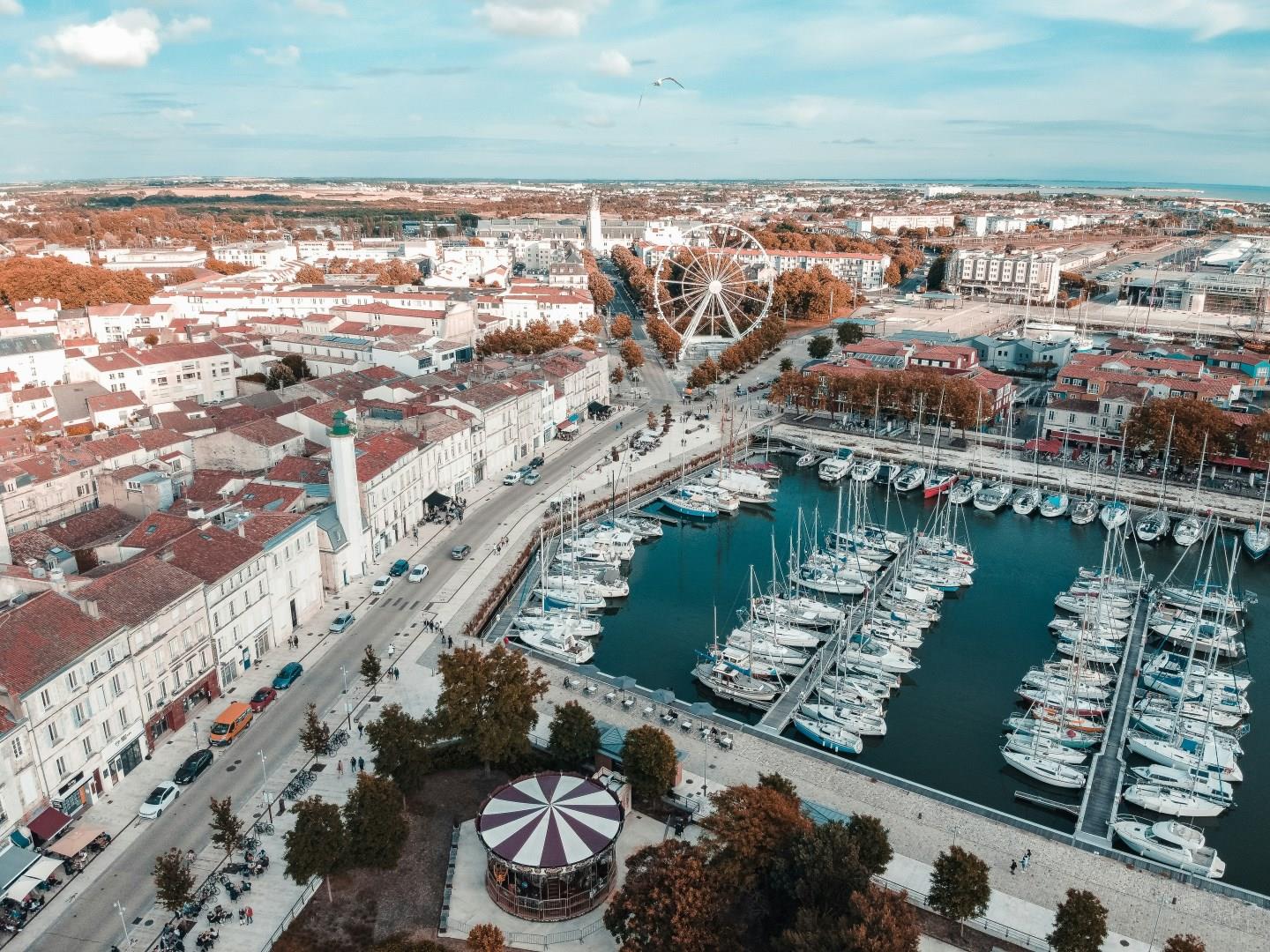
La Rochelle sits on France’s Atlantic coast, shaped by centuries of maritime trade, independence, and outward-looking ambition. Once a powerful port with strong Protestant roots, the city developed a reputation for autonomy that still colors its identity. Its old harbor, guarded by medieval towers, reflects a history tied to navigation, commerce, and connections far beyond western France.
Nagoya
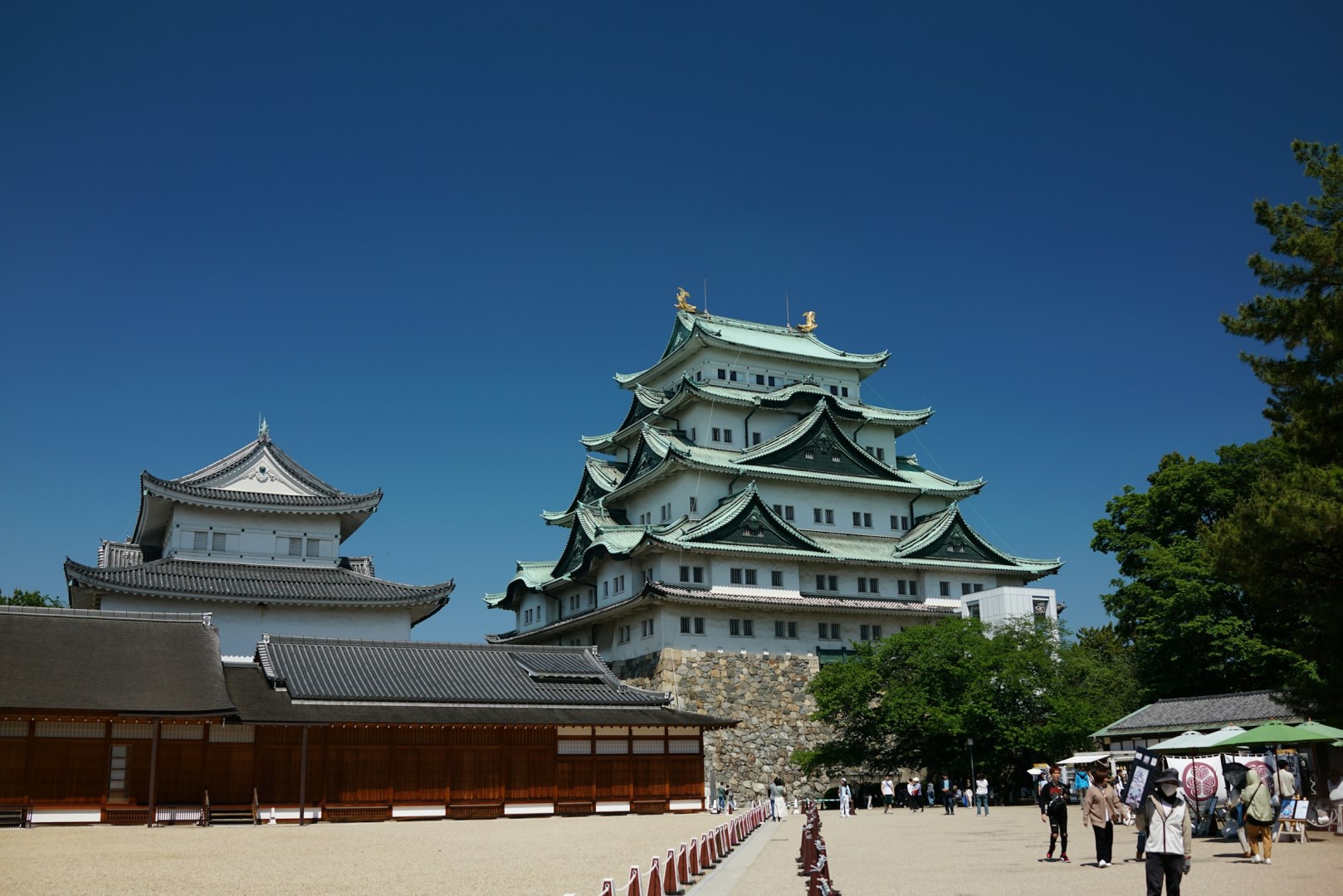
Nagoya’s charm lies in its ability to connect the past and future. Whether exploring historical landmarks, marveling at technological achievements, or indulging in the city’s distinct cuisine, visitors to Nagoya will find themselves immersed in a dynamic and unforgettable experience.
