Monkey Mia
Monkey Mia, located within the Shark Bay World Heritage Area on the western coast of Australia, is a serene paradise known for its world-famous wild dolphin encounters. This remote coastal gem, surrounded by the turquoise waters of the Indian Ocean, invites visitors to experience up-close interactions with bottlenose dolphins in their natural habitat. For over 50 years, these dolphins have made daily visits to Monkey Mia’s shores, creating a unique tradition that brings awe to travelers.
La Rioja
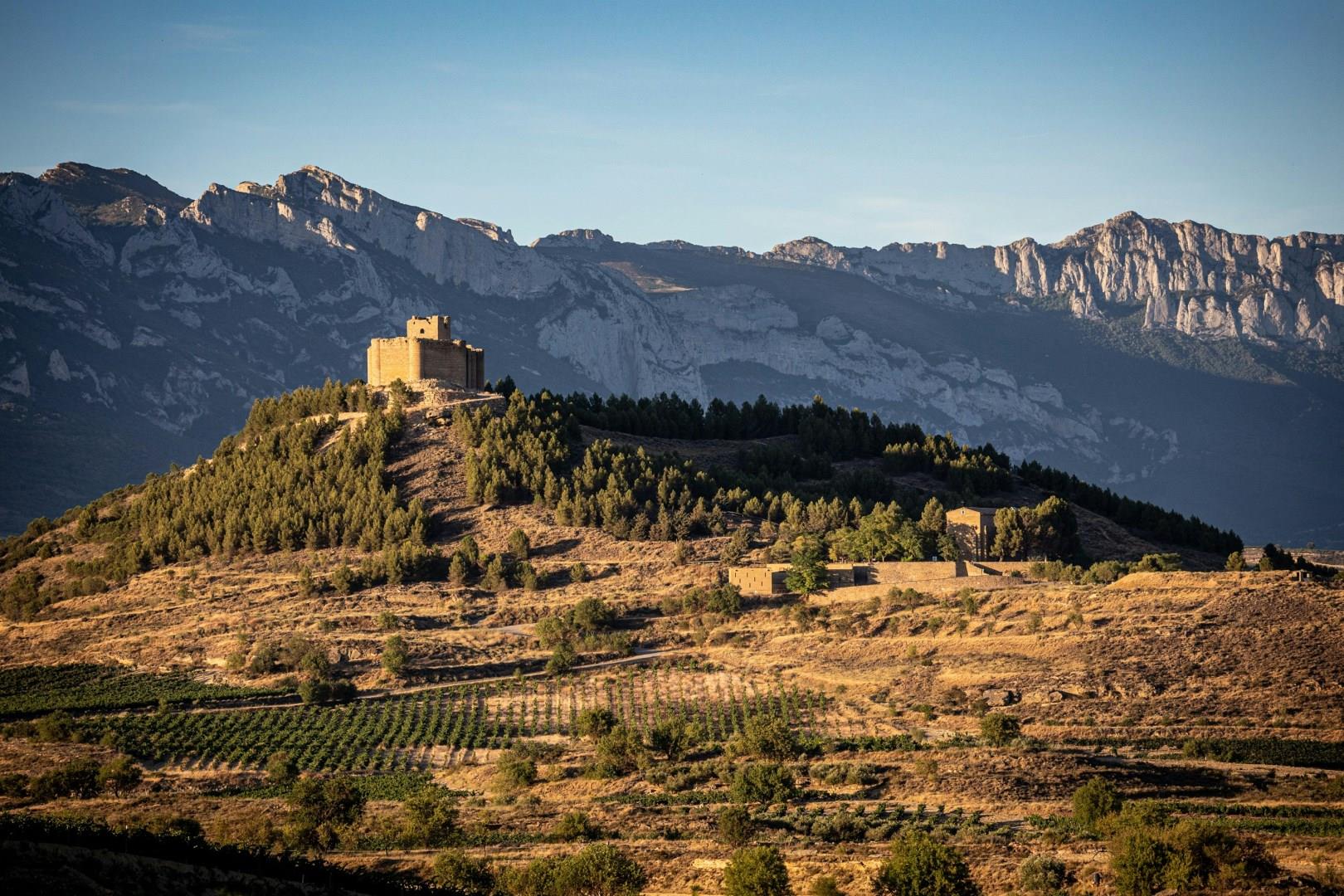
La Rioja, located in northern Spain, is best known for its wine, but the region offers much more than vineyard views. Its capital, Logroño, sits along the Camino de Santiago and has welcomed travelers for centuries. The city’s historic center is compact and lively, with narrow streets lined by centuries-old churches, pintxo bars, and quiet plazas.
Port Vendres
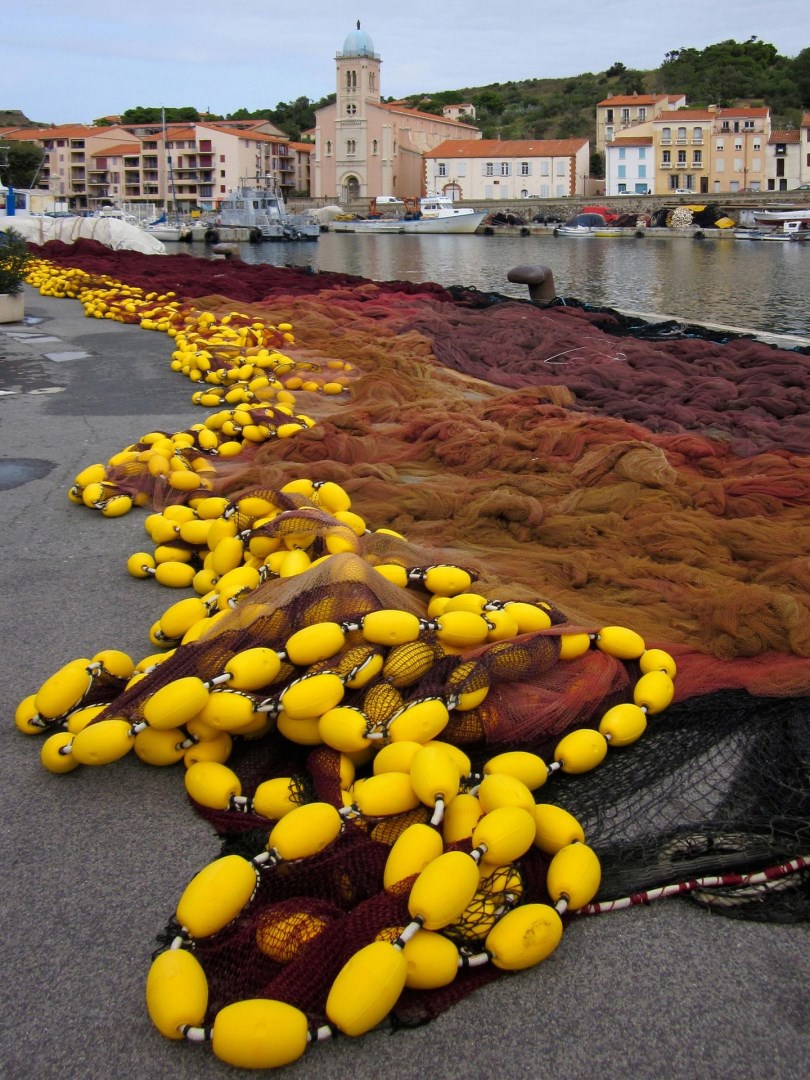
Port Vendres is an old natural harbour that welcomes trade vessels, fishing and yachting boats. It has 3 basins: the outer harbour, the Old Port and the new Darse.

Calvi Corsica
Calvi, a picturesque gem on the northwest coast of Corsica, France, enchants visitors with its blend of rich history, rugged landscapes, and sparkling Mediterranean waters. This charming seaside town is dominated by its iconic citadel, a formidable 15th-century fortress that stands sentinel over the turquoise bay.
Peanut Island
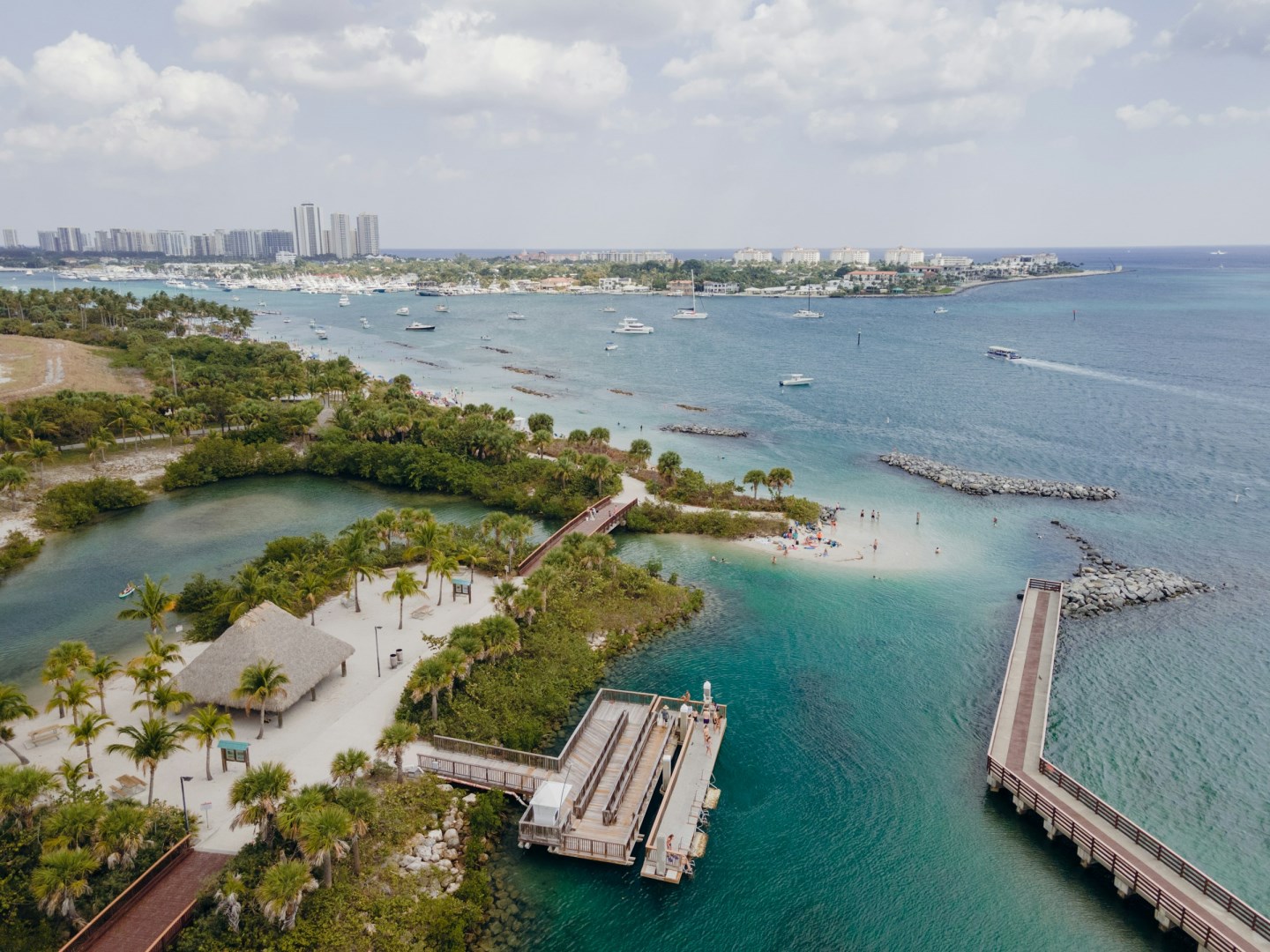
Peanut Island is a small 79-acre island in Lake Worth Lagoon, just north of the Port of Palm Beach in southeastern Florida. Accessible only by boat or water taxi, the island is known for its sandy beaches, clear lagoon waters, picnic areas, and views of the surrounding Palm Beach County coastline. A network of paths crosses the island, connecting its beaches and recreation areas. Peanut Island is also notable for its location near the Lake Worth Inlet, where the lagoon meets the Atlantic Ocean,