

Akosombo
Akosombo is a town in southeastern Ghana, situated along the Volta River near the southern end of Lake Volta. The surrounding landscape combines forested hills, rocky outcrops, river valleys, and the broad waters of the reservoir created by the Akosombo Dam. The town developed closely around the hydroelectric project and remains an important center for electricity generation and industry.

Al Ain
Al Ain is located about 160 km east of Abu Dhabi, and has its own international airport, which opened in 1994. Its many attractions include camel races, ancient forts, a zoo, museums, and the Jabal Hafit Mountain.
Panama City
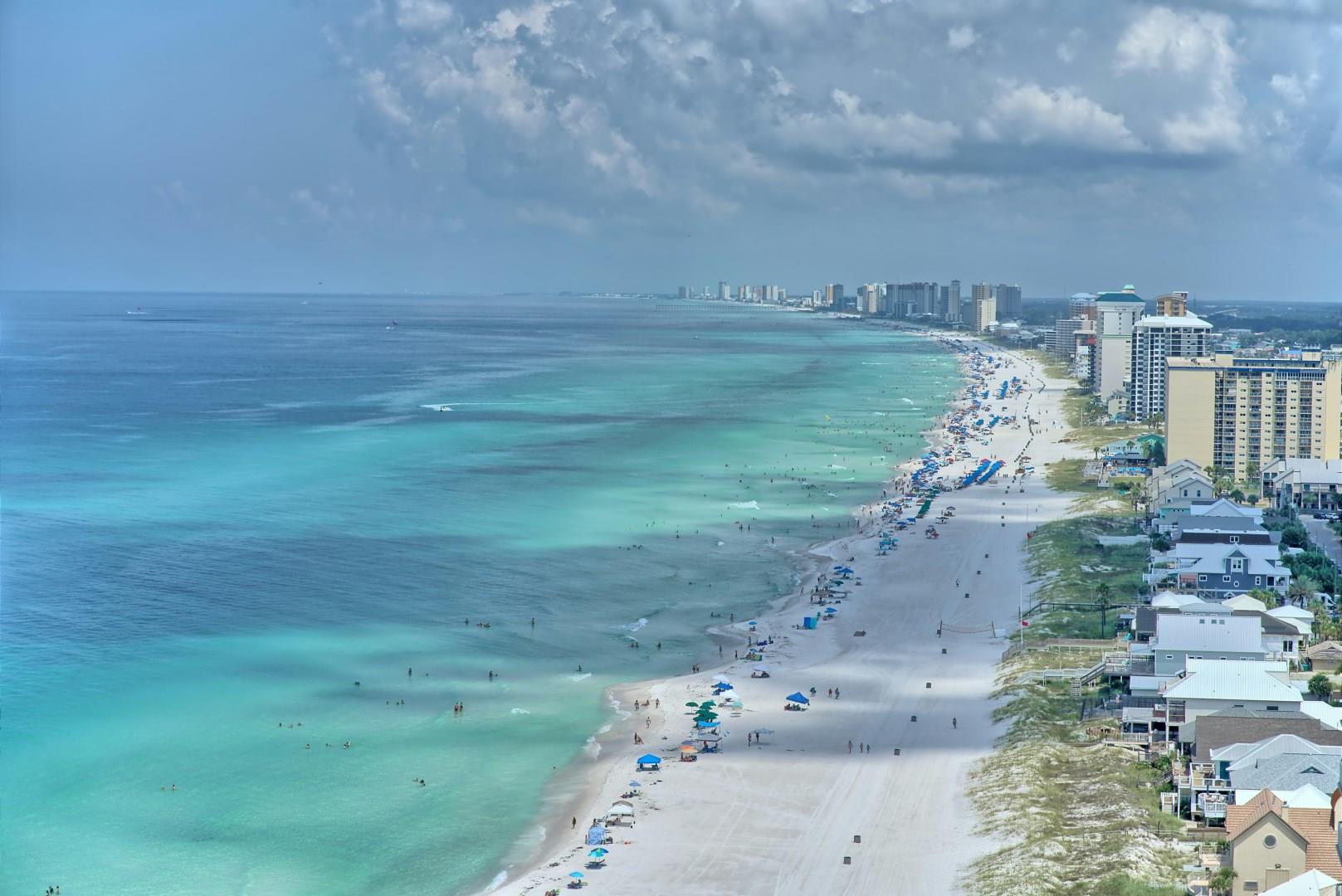
Panama City, Florida, sits along the Gulf Coast where maritime history and modern beach culture intersect. Originally tied to shipbuilding and fishing, the city developed around St. Andrews Bay, which still anchors local identity through working marinas and long-established neighborhoods.
Córdoba
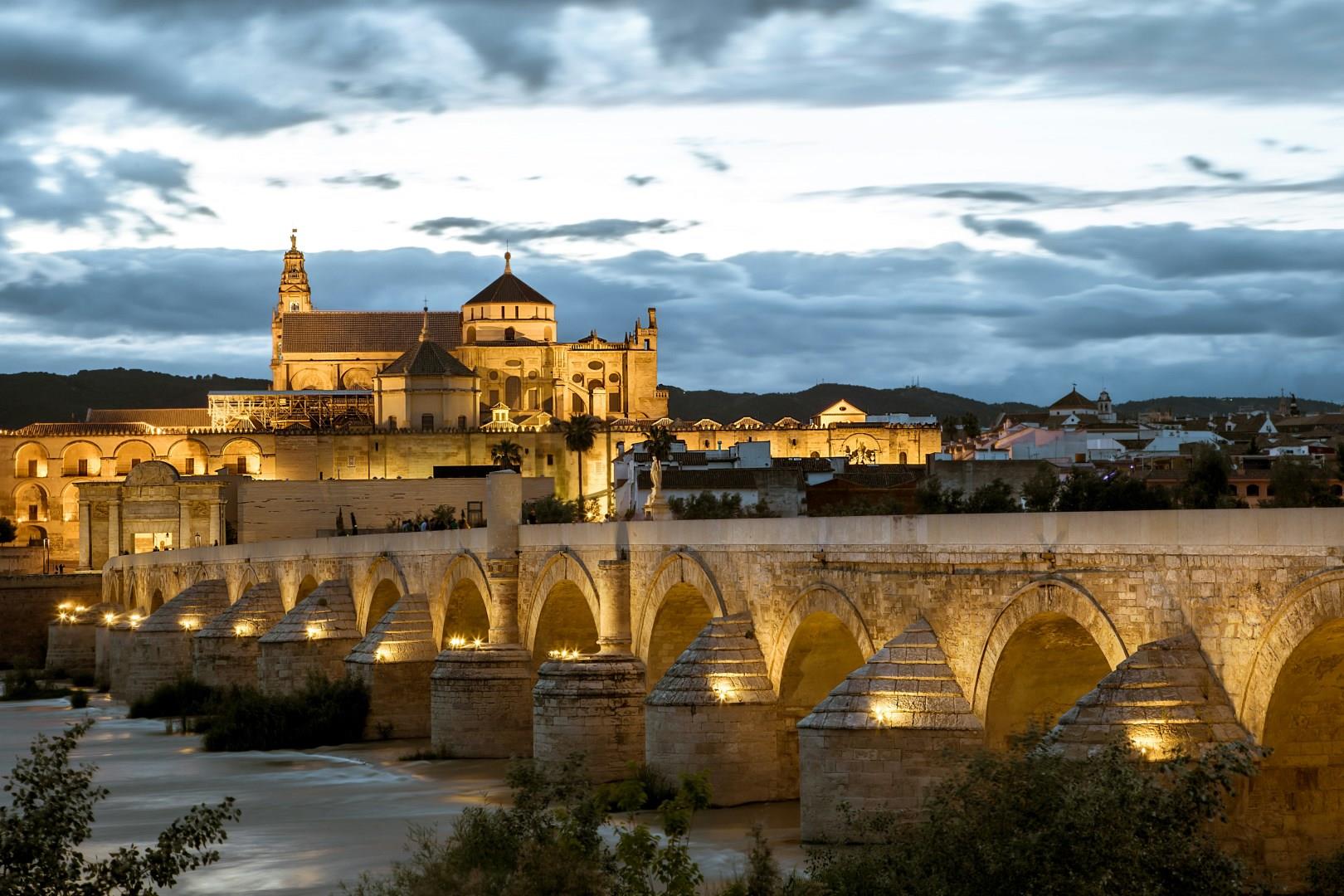
Córdoba, located in the heart of Andalusia, was once the most advanced city in Western Europe. During the 10th century, it served as the capital of Al-Andalus and was a center for learning, science, and art. Today, visitors walk the same streets that philosophers, poets, and physicians once crossed. The city’s most famous landmark, the Mezquita-Catedral, reflects its layered past. The red and white horseshoe arches inside are one of the most photographed interiors in Spain.
Lucca
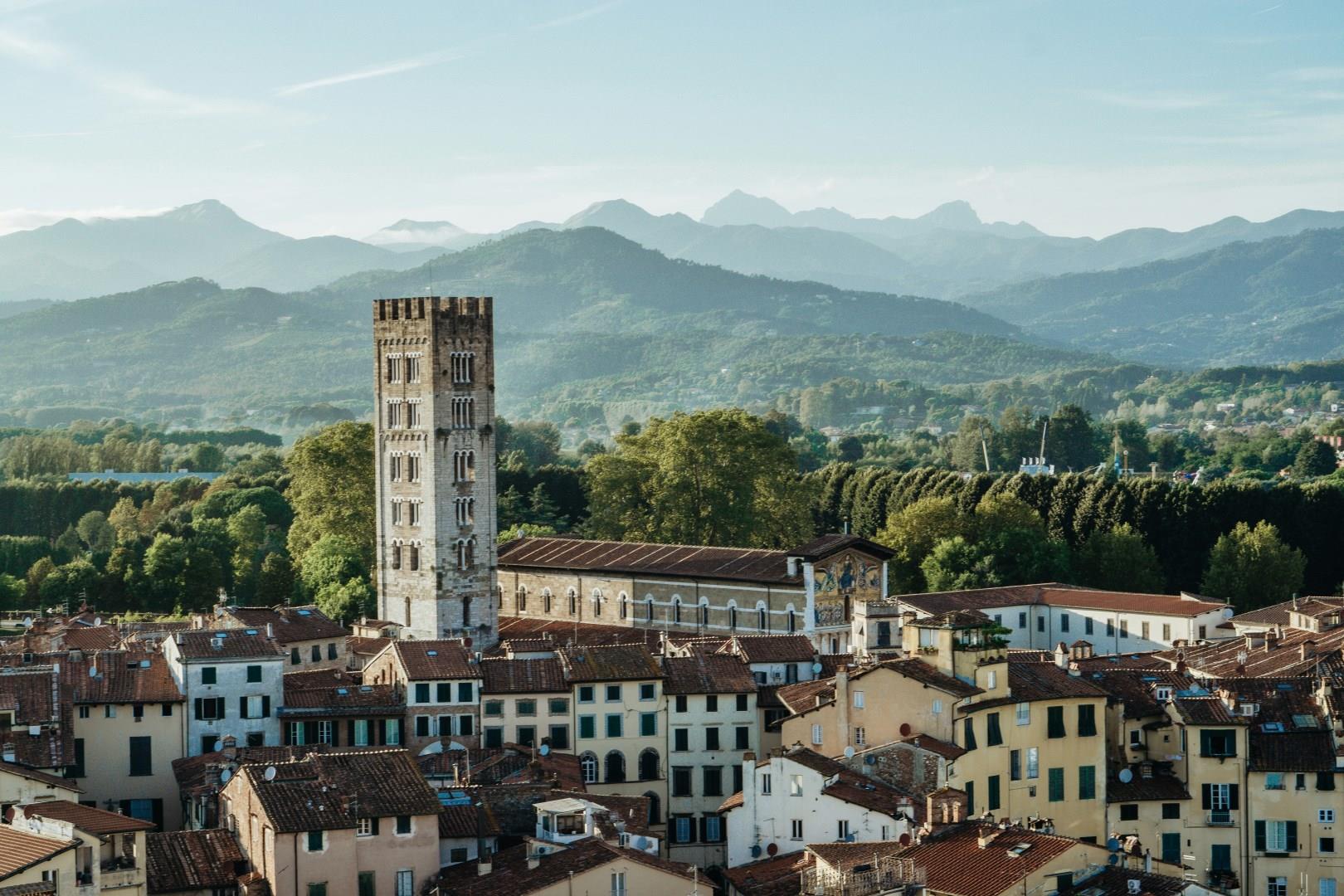
Lucca, a Tuscan city surrounded by remarkably intact Renaissance walls, offers more than just postcard views. Known for its quiet streets and grand piazzas, Lucca stands apart with its circular street layout, still following the lines of a Roman amphitheater from centuries ago. The walls, now repurposed as a 4-kilometer tree-lined park, are a favorite route for locals and visitors who explore them on foot or by bike, passing old bastions and panoramic viewpoints along the way.
