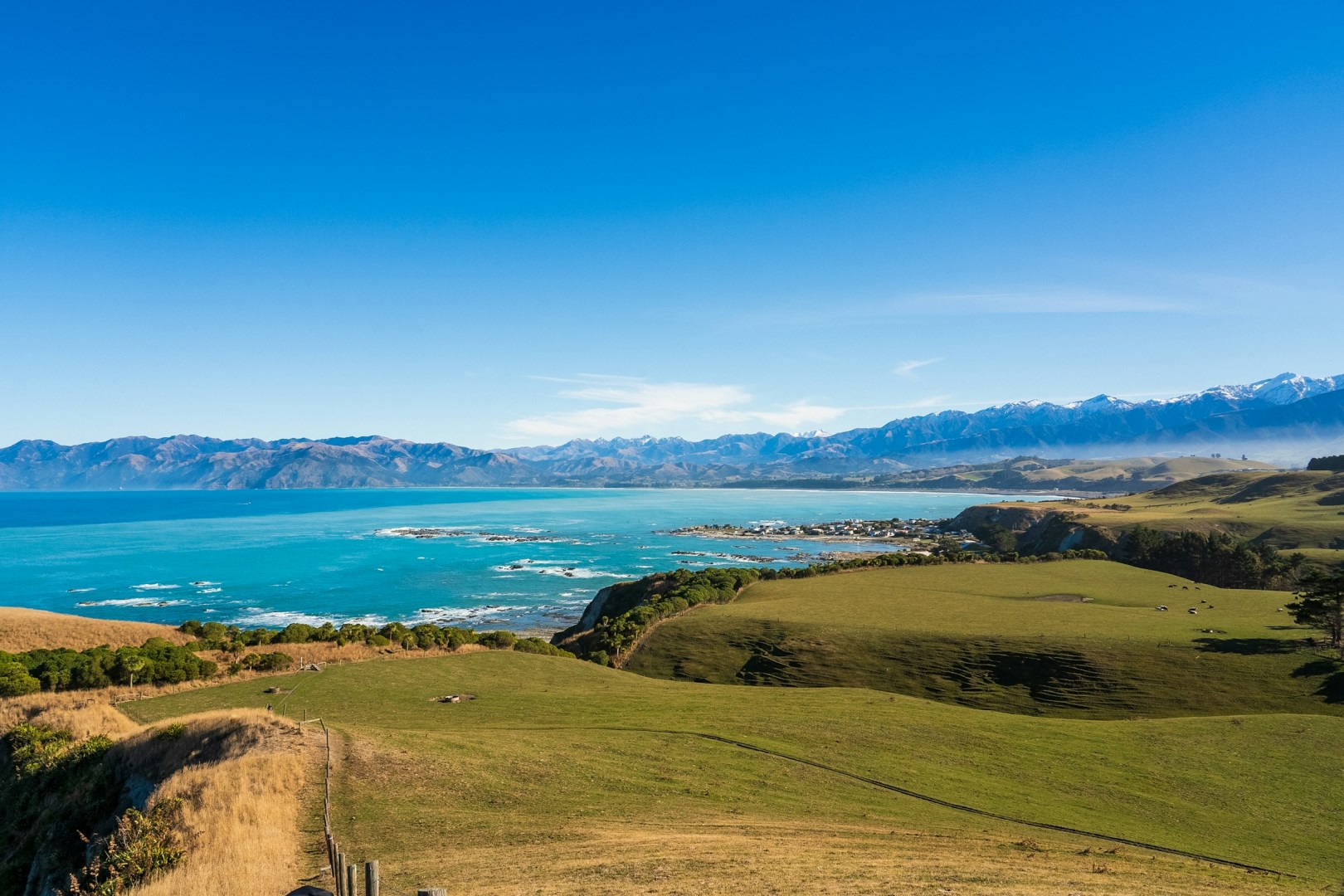
Kaikōura
What sets Kaikōura apart are the extraordinary marine encounters that begin just off the shoreline. The Kaikōura Canyon, an underwater gorge that plunges to great depths close to land, creates currents rich with nutrients that attract a remarkable array of sea life year-round. Sperm whales are a common sight here and are frequently spotted on local boat tours. Dusky dolphins twist and leap in large pods, and colonies of New Zealand fur seals laze on rocky outcrops along the coast.
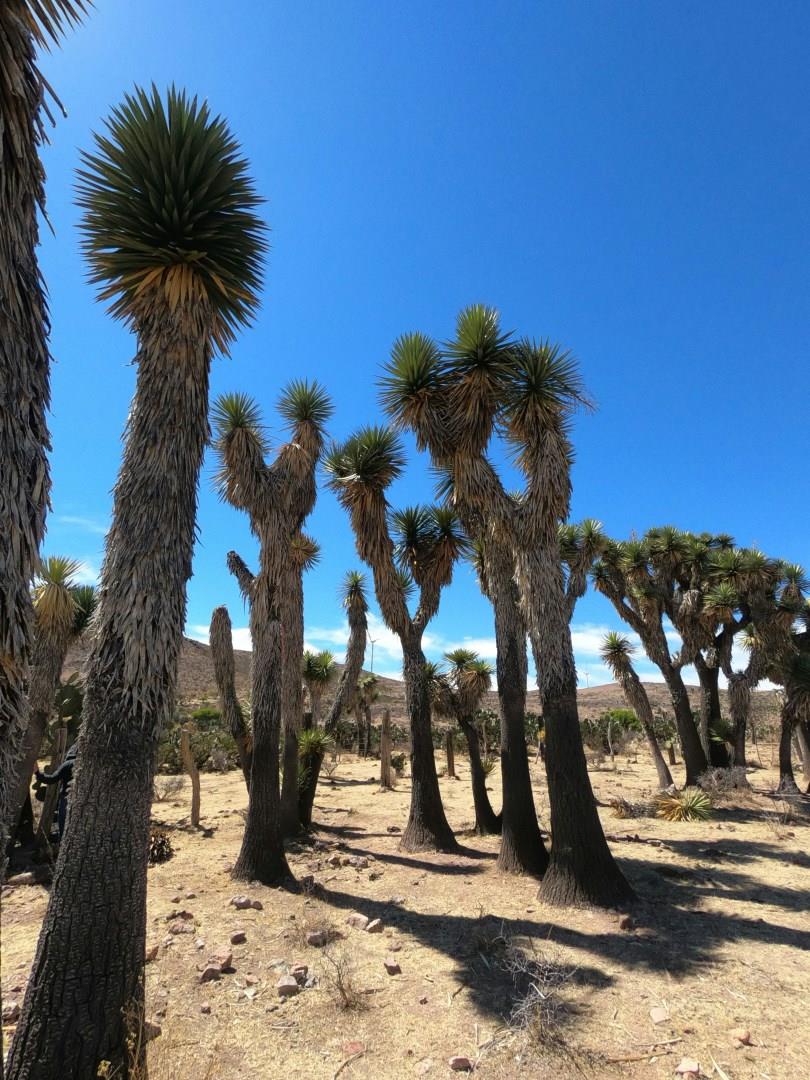
Zacatecas
Zacatecas, built into the slopes of a narrow ravine in north-central Mexico, is a city with a deep mining past and a striking skyline. The historic center, a UNESCO World Heritage Site, is known for its pink cantera stone buildings, narrow alleys, and impressive baroque facades. The Cathedral Basilica of Zacatecas, completed in 1752, stands as one of the most detailed examples of Mexican baroque architecture, with hundreds of carved figures covering its sandstone exterior.
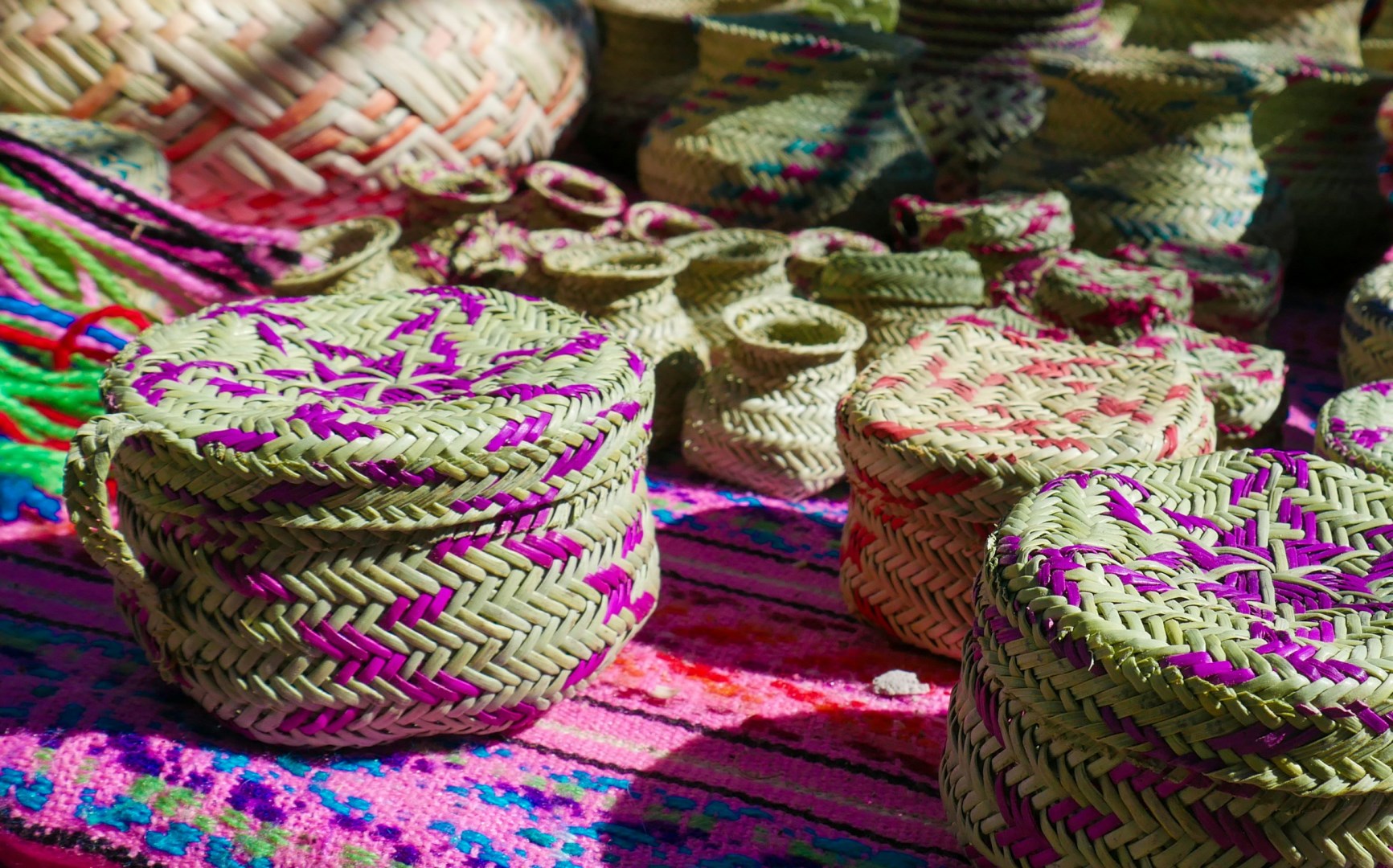
Chihuahua
In northern Mexico, it is the capital of Chihuahua State and known most for the hairless dogs that bear the same name. Pancho Villa operated out of the surrounding mountains. It is a major mining and cattle raising center. The smelting plant employs many of the citizens.
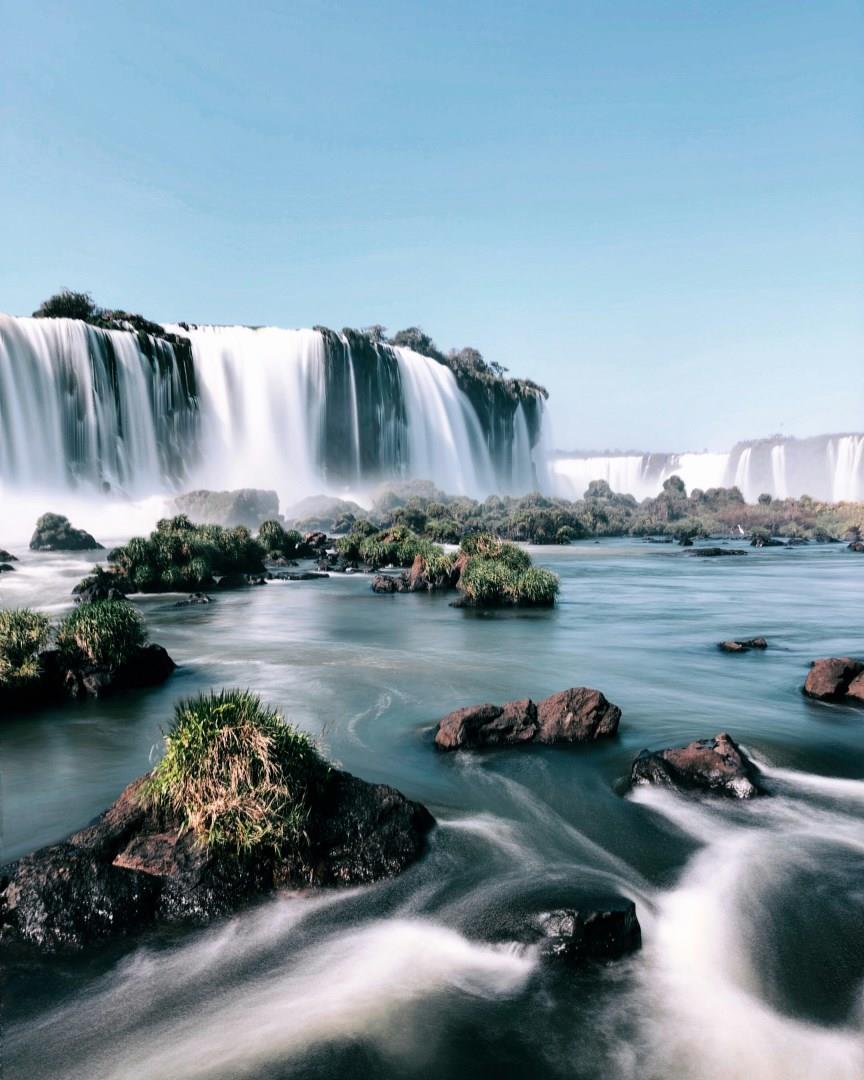
Foz do Iguaçu
Set at the meeting point of Brazil and Argentina, Foz do Iguaçu is defined by the sheer scale of the Iguaçu Falls. Nearly 275 individual waterfalls stretch across close to three kilometers, sending mist into the air and sound echoing through the surrounding forest. Visitors follow raised walkways that bring them face to face with this moving wall of water, culminating at the dramatic Devil’s Throat, a deep, curved drop where the river seems to vanish into the earth.

Veneto
Veneto, a region in northeastern Italy, offers a rich tapestry of history, culture, and natural beauty. The city of Verona, famous for its Shakespearean connection, is a jewel within this region. Visitors can explore the ancient Roman Arena, where operas and concerts are still held amidst the ruins. Wander through Verona’s medieval streets, and you’ll find Juliet’s House, a romantic site made famous by Romeo and Juliet.