
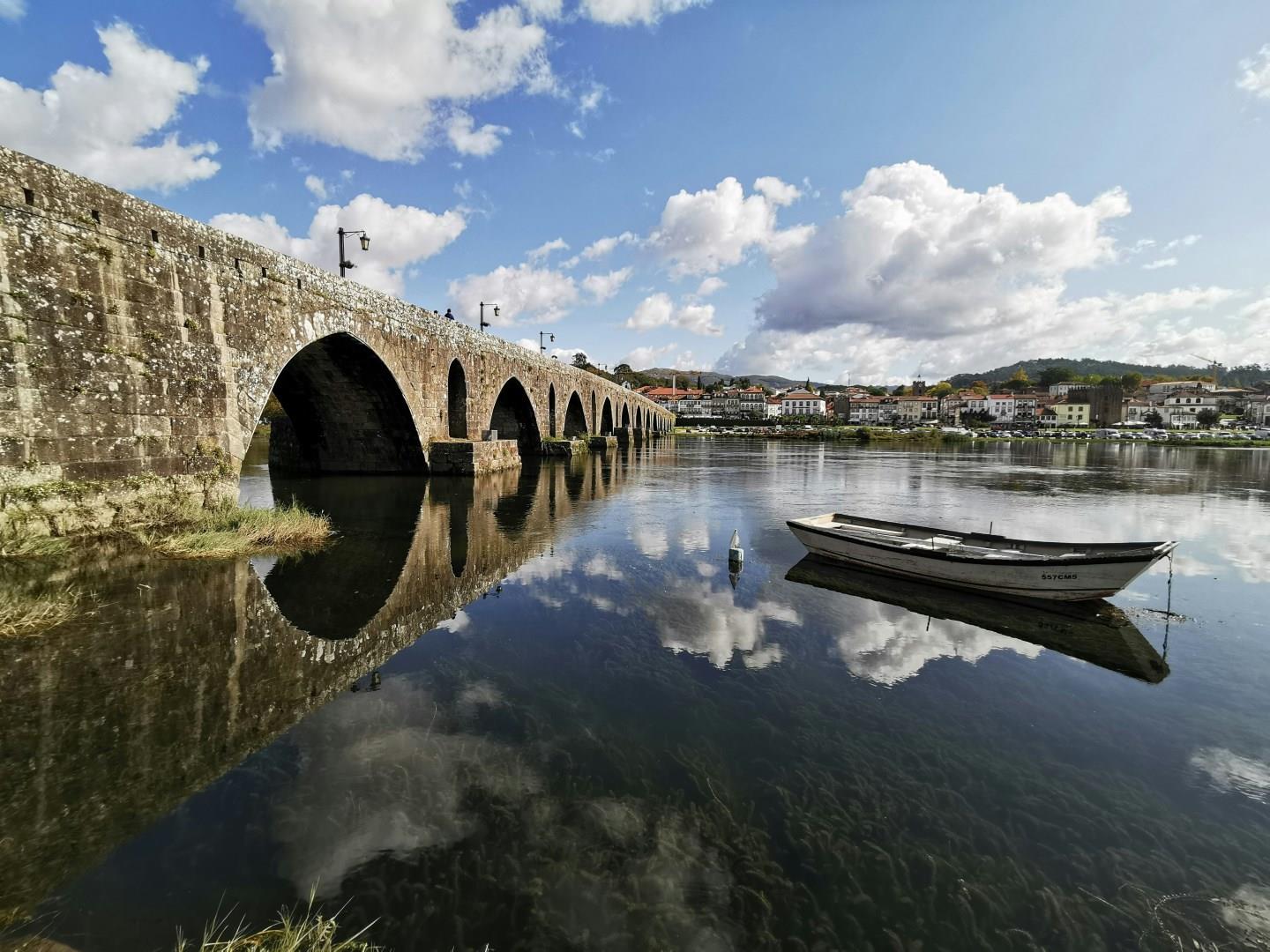
Ponte de Lima
Ponte de Lima sits along the Lima River in northern Portugal and is often regarded as the country’s oldest town. Its identity centers on the medieval bridge that spans the river, parts of which date back to Roman times and still structure how the town is experienced today.
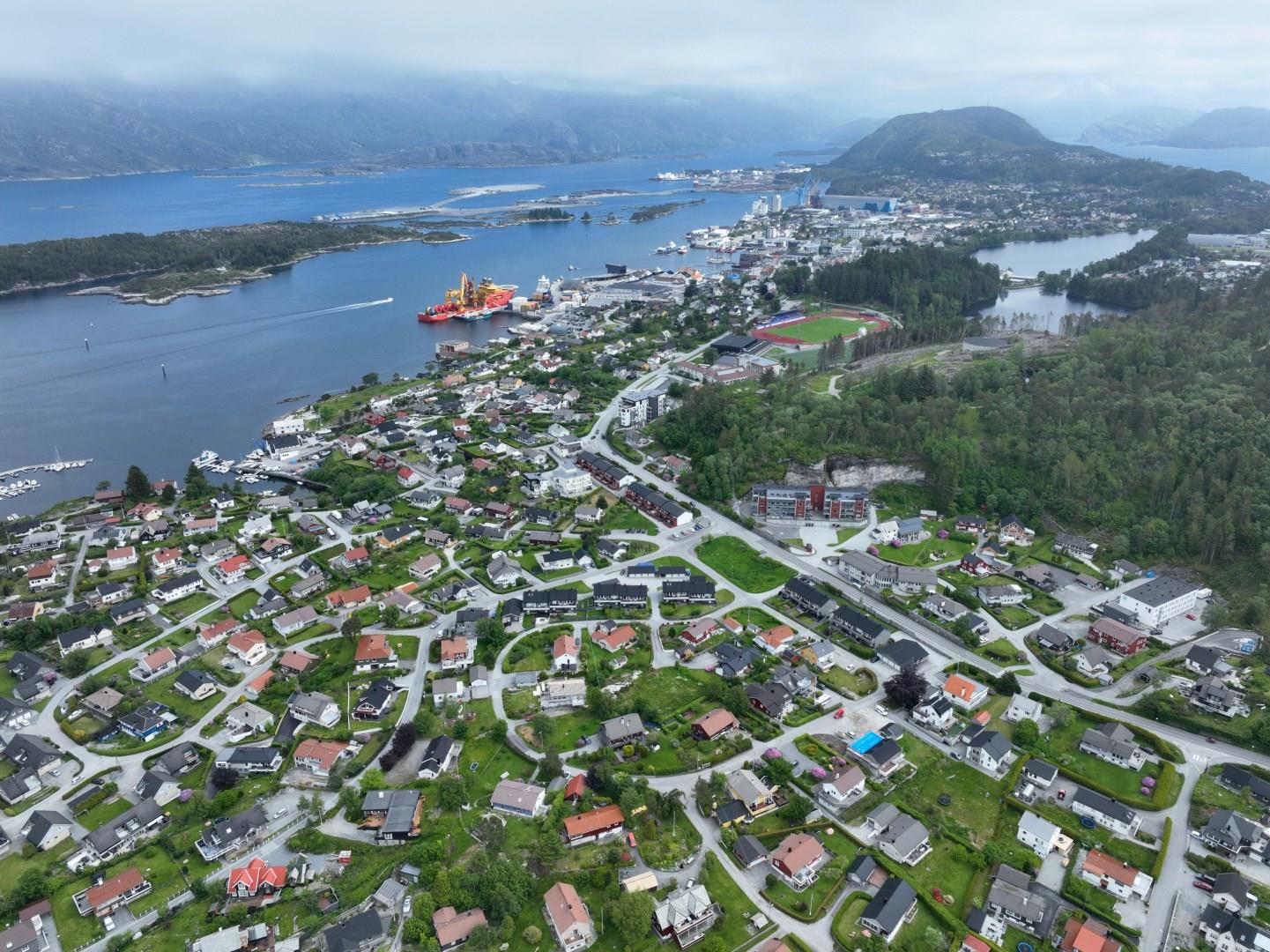
Florø
Florø, the westernmost town in Norway, sits right at the edge of the sea as a small, coastal town with deep maritime roots and front-row views of the North Atlantic. Established in 1860 as a herring fishing hub, Florø still carries the rhythm of the ocean in daily life. Though small in size, the town serves as a jumping-off point to explore the rugged coastline, scenic fjords, and a collection of islands that each have their own stories and scenery.

Prince Rupert
Located along the British Columbia coast, it is the last northern road access to the coast and the a ferry port for the BC ferry system.

Luxor
Luxor, often referred to as the world’s greatest open-air museum, is a city where ancient history and breathtaking archaeology converge. Nestled along the eastern bank of the Nile River, Luxor is home to some of the most remarkable and well-preserved relics of ancient Egypt. A visit to the Karnak Temple Complex, an expansive and awe-inspiring site dedicated to the Theban triad of gods, reveals the grandeur of ancient Egyptian architecture and religious practices.
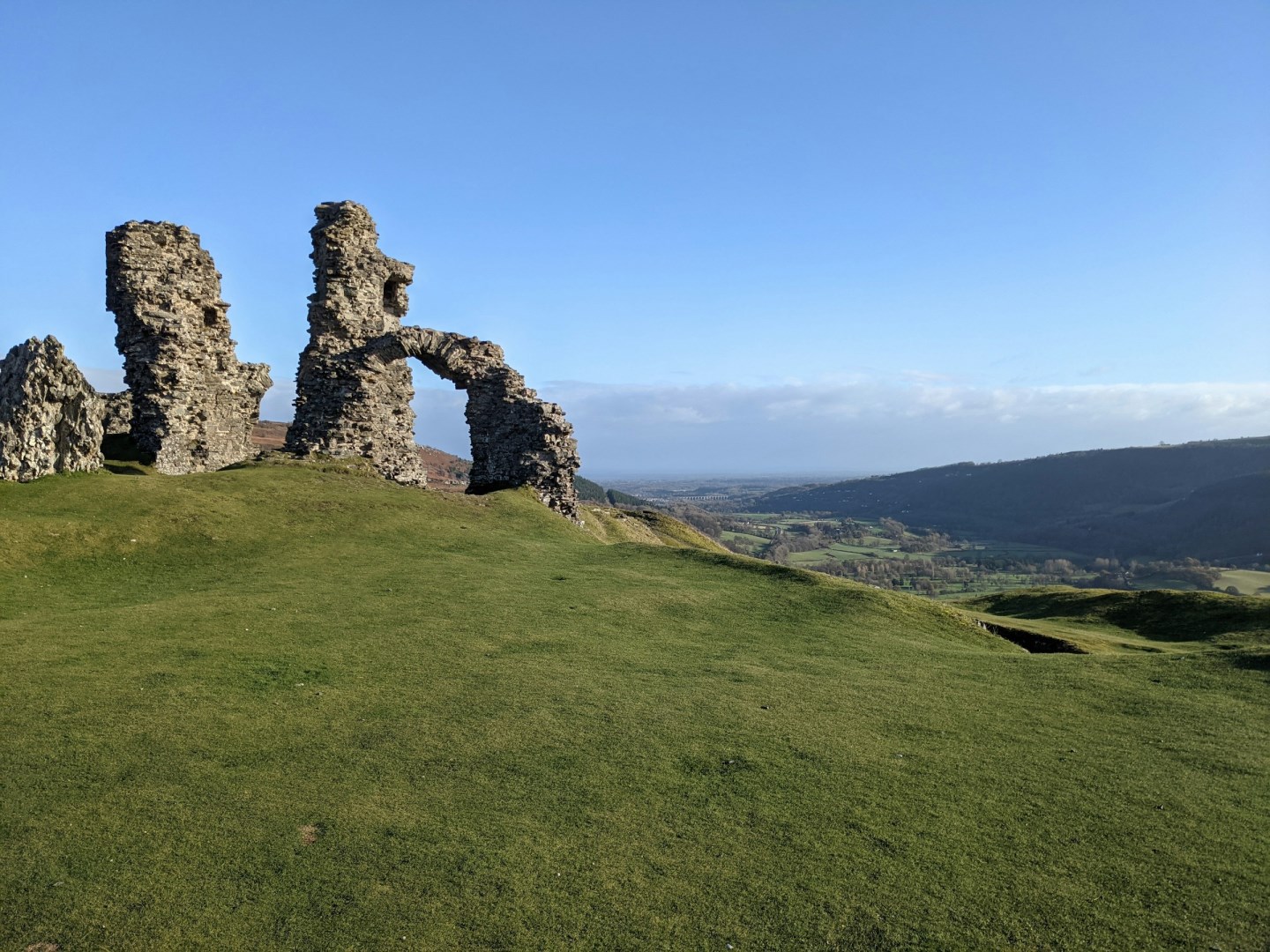
Llangollen
In common with so many ancient Welsh towns, Llangollen takes its name from its founding Saint; Collen, a seventh century saint, who chose this place to build his hermitage or cell in the custom of the times, with tiny church, hospice and outhouses all enclosed within a wall.
