The Strait of Magellan, a pivotal waterway connecting the Atlantic and Pacific Oceans, offers an extraordinary experience for travelers seeking both natural wonder and historical significance. This legendary strait, named after the Portuguese explorer Ferdinand Magellan who navigated it in 1520, is a gateway to the rugged beauty of southern Chile.
The Middle East offers an extraordinary mix of history, culture, and natural beauty. Whether uncovering its ancient mysteries, indulging in its delicious cuisine, or experiencing its warm hospitality, travelers are sure to create lasting memories in this remarkable part of the world.
Tashkent, the capital of Uzbekistan, lies at the crossroads of Central Asia and has long been a hub of culture, trade, and political life. Its history stretches back over two millennia, shaped by Persian, Mongol, and Russian influences.
Vanuatu, a chain of 83 islands in the South Pacific, offers travelers an experience that’s both bold and deeply rooted in custom. Once known as the New Hebrides, Vanuatu blends ancient Melanesian traditions with dramatic landscapes shaped by volcanic activity. On Tanna Island, visitors can stand at the rim of Mount Yasur, one of the world’s most accessible active volcanoes, and watch fiery eruptions light up the night sky.
Ottawa, the charming capital of Canada, offers a unique blend of history, culture, and modernity. Nestled along the scenic Ottawa River, the city is home to the iconic Parliament Hill, where the Gothic Revival architecture of the Parliament Buildings stands majestically above the riverbanks. Visitors can witness the ceremonial Changing of the Guard in the summer or explore the Peace Tower for panoramic views of the city.
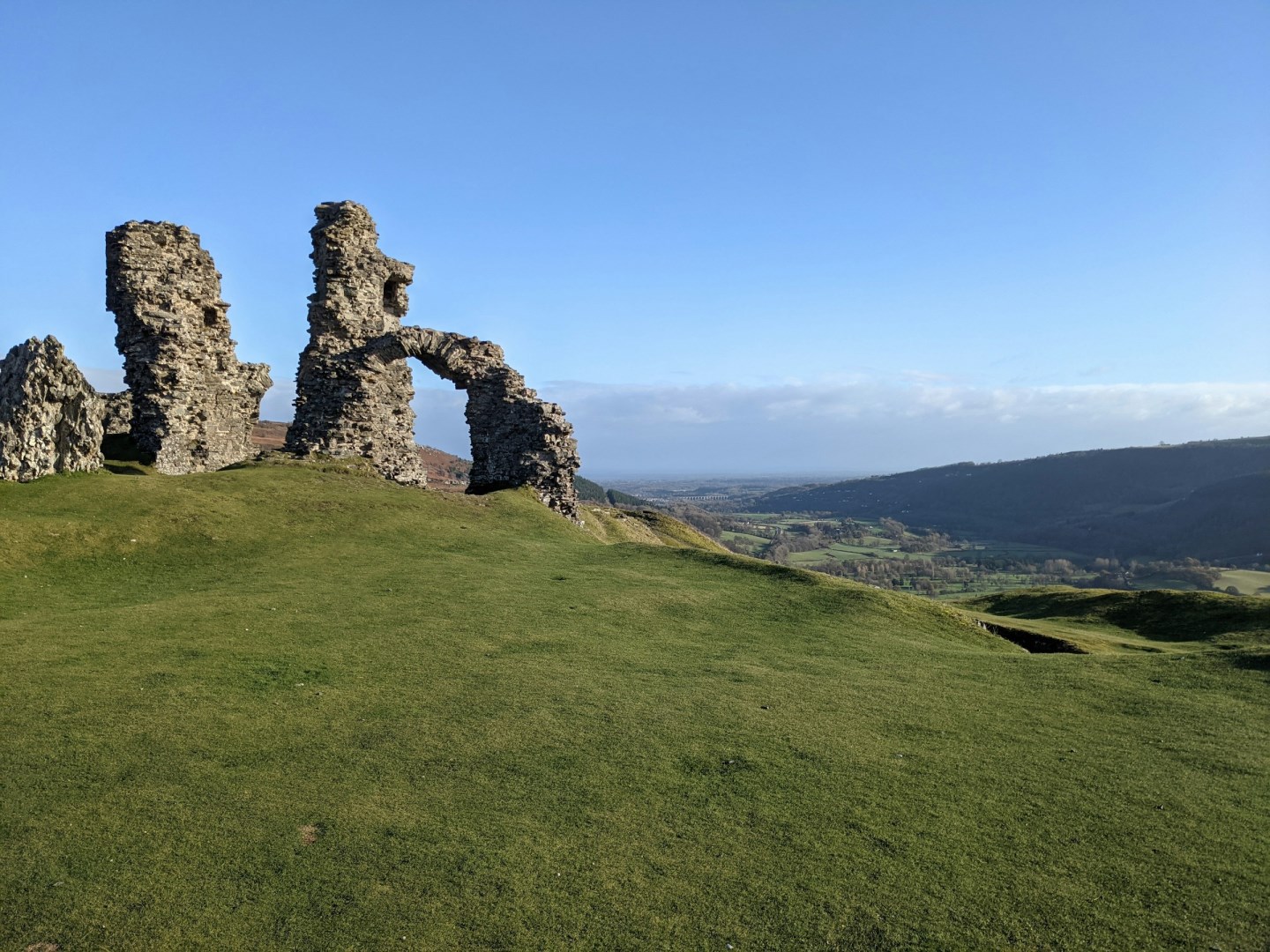
In common with so many ancient Welsh towns, Llangollen takes its name from its founding Saint; Collen, a seventh century saint, who chose this place to build his hermitage or cell in the custom of the times, with tiny church, hospice and outhouses all enclosed within a wall.
The Welsh word Llan means an enclosure - not church as so often wrongly translated - hence the town name Llangollen -'Collen's Enclosure. Eventually the original wooden church building was rebuilt in stone but the tower remained of wooden construction until 1749, by 1863/4 the church had grown into the building we see today and the town developed around it. The famous Dee Bridge, was built by Bishop Trevor of Trevor Hall in I345. Llangollen was 'literally' put on the
map because of its prominent position on the very important London to Holyhead coaching road, much improved by Thomas Telford in 1815 and now perhaps best known as the 'A5'. His full programme of ímprovements continued for 15 years and this, together with the construction of his newly completed canal brought about considerable immigration into
Llangollen during the early part of the 19th century.
Improved communications and natural resources made the town a splendid location for newly developing industries. The old Water Mill opposite the Railway Station had already functioned for hundreds of years when a new Flannel Mill was erected at the north end of Church Street on a site later to be occupied by a tannery after the business had expanded
and moved across the river to Lower Dee Mills.