

Uluru-Kata Tjuta National Park
Uluru-Kata Tjuta National Park, national park in the Northern Territory, Australia, in the arid center of the continent, southwest of Alice Springs. The area was established as Ayers Rock/Mount Olga National Park in 1958 and renamed Uluru National Park in 1977.

Mount Kilimanjaro
Mount Kilimanjaro, located in Tanzania, stands as Africa’s highest peak and an iconic symbol of adventure. This majestic stratovolcano rises 5,895 meters (19,341 feet) above sea level, making it one of the world’s most accessible high summits. Climbing Kilimanjaro offers a unique opportunity to traverse multiple climate zones, from lush rainforests and alpine meadows to the icy summit.
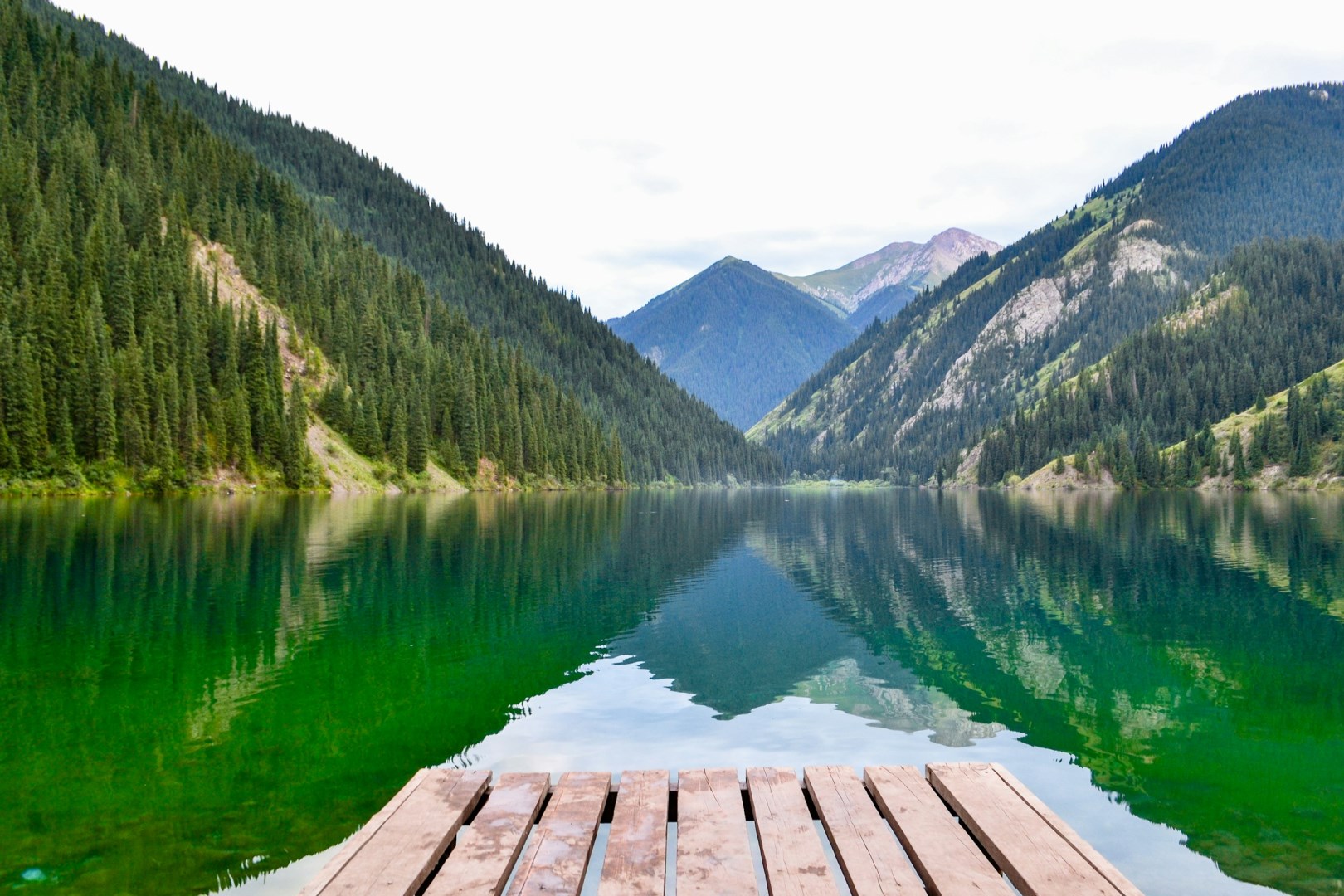
Kolsai Lakes National Park
Kolsai Lakes National Park is a protected mountain area in southeastern Kazakhstan, located in the northern Tian Shan east of Almaty. The park is centered on a chain of alpine lakes surrounded by steep forested slopes, rocky peaks, and mountain valleys. The three Kolsai Lakes occupy different elevations along the Kolsai River, with the landscape changing from coniferous forest at lower levels to alpine terrain higher in the mountains.
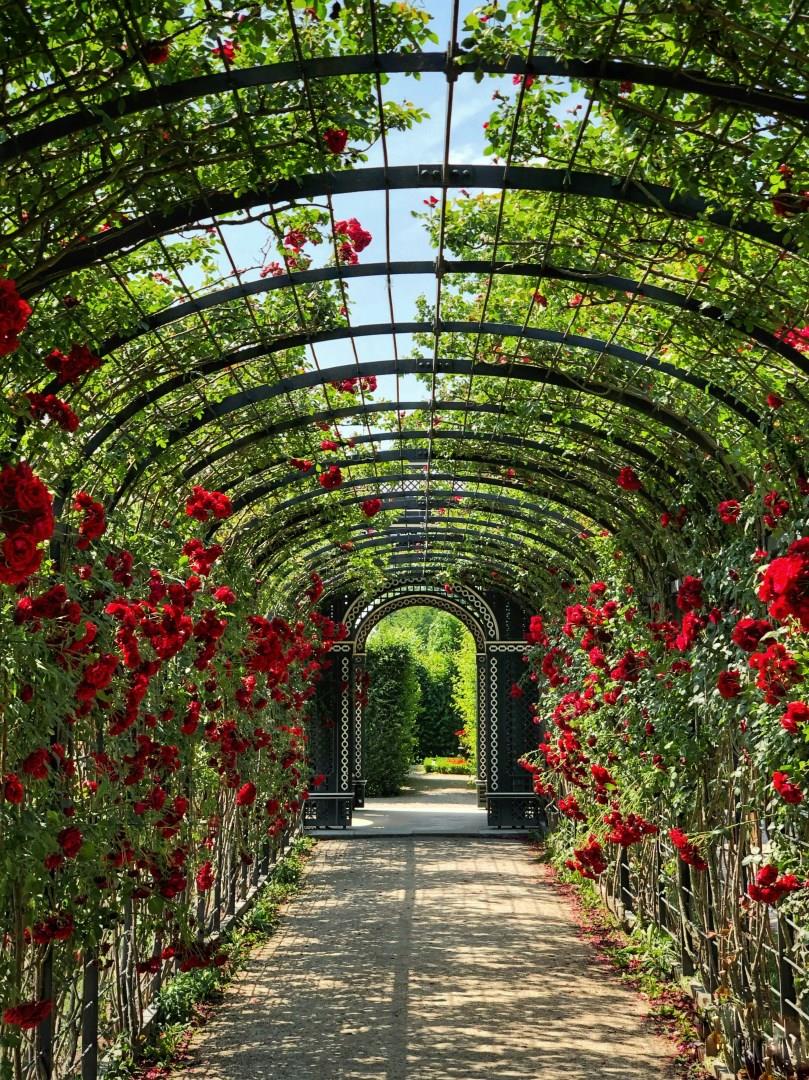
Vienna
Vienna has a long memory. Once the capital of the Habsburg Empire, the city still carries signs of its imperial past in its palaces, concert halls, and wide boulevards. Visitors can walk through the Hofburg complex, where emperors once ruled, or tour the opulent rooms of Schönbrunn Palace, which features 1,441 rooms and a maze in its gardens. But Vienna’s many historic buildings now house contemporary art museums, cafés, and institutions that reflect the city’s modern identity.

Tangier
Located on the north coast of Morocco near the Strait of Gibraltar, Tangier is a cultural capital replete with historic sites, colorful architecture, and splendid beaches. An essential stop is the Ancien Medina, a walled collection of winding streets and alleys filled with cafes and shops leading to the Kasbah, a former palace and mosque that also houses a museum.
