Vidin
Nestled on the banks of the Danube River, Vidin, Bulgaria, is a city where history and scenic beauty converge. This ancient city, known for its well-preserved medieval fortress, the Baba Vida Castle, offers a unique glimpse into Bulgaria's past. The fortress, dating back to the 10th century, stands as one of the best-preserved medieval fortifications in the country.
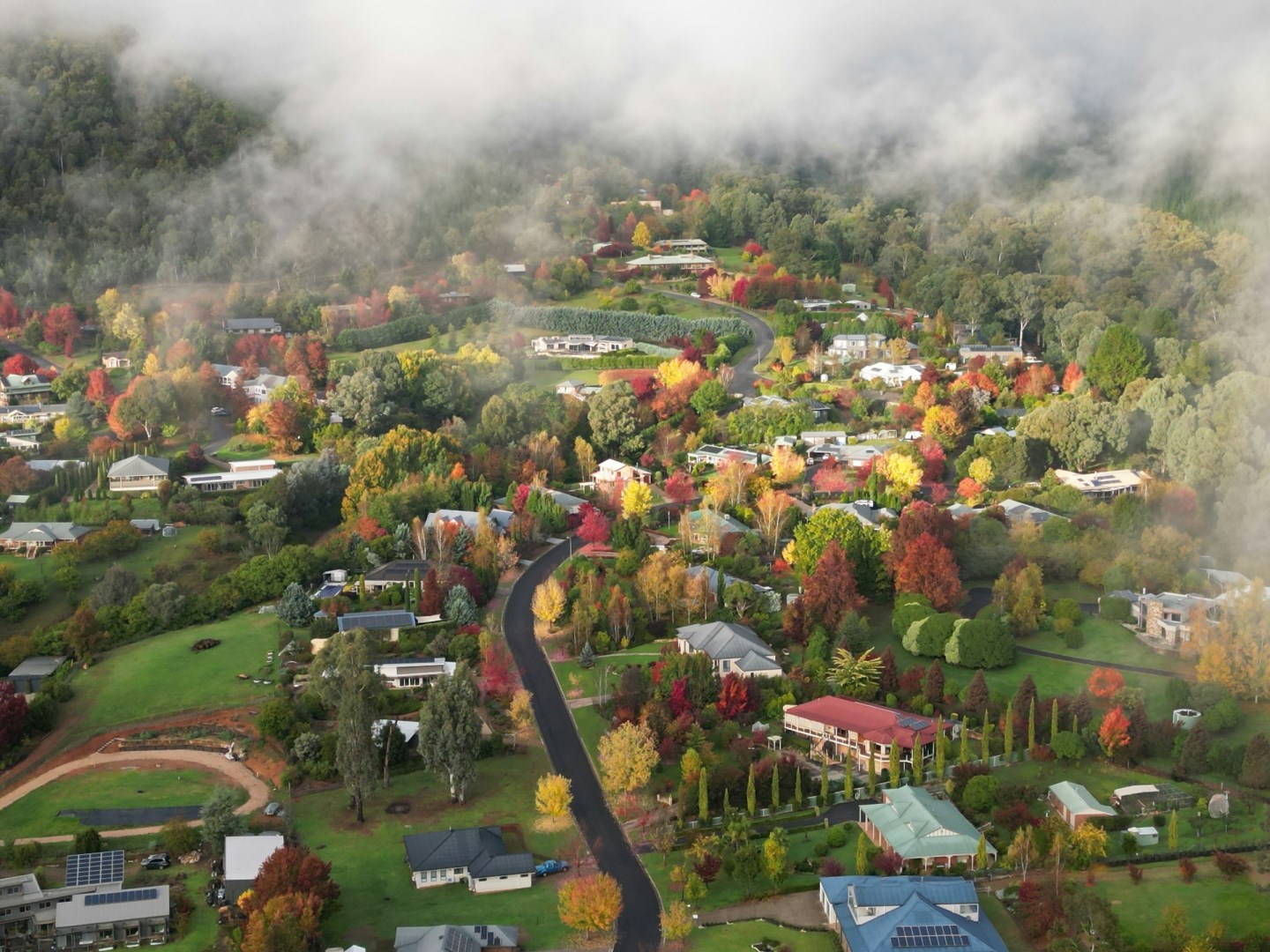
Bright
Bright is situated in the Ovens Valley and offers beautiful scenery and landscape. There are many ski resorts surround Bright, with Mt Buffalo National Park being the closest. This is obviously one attraction to the area, although Bright offers various activities all year around
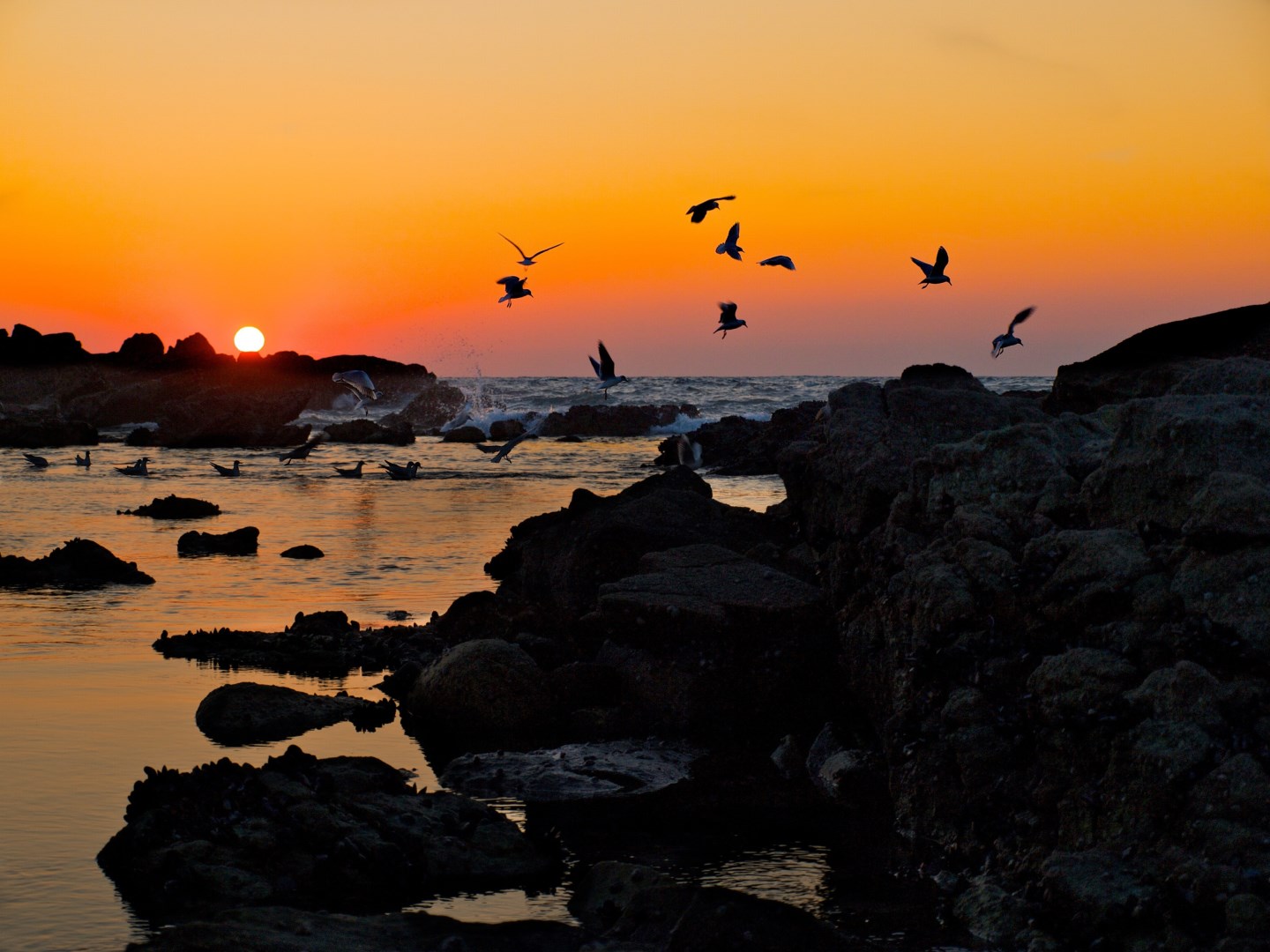
Baiona
Baiona is a coastal town in Galicia, Spain, located along the Atlantic Ocean in the province of Pontevedra. It sits at the entrance of the Ría de Vigo, with a historic harbor that has long connected it to maritime activity. The town is known for its seafront setting, where fishing traditions and tourism exist side by side.
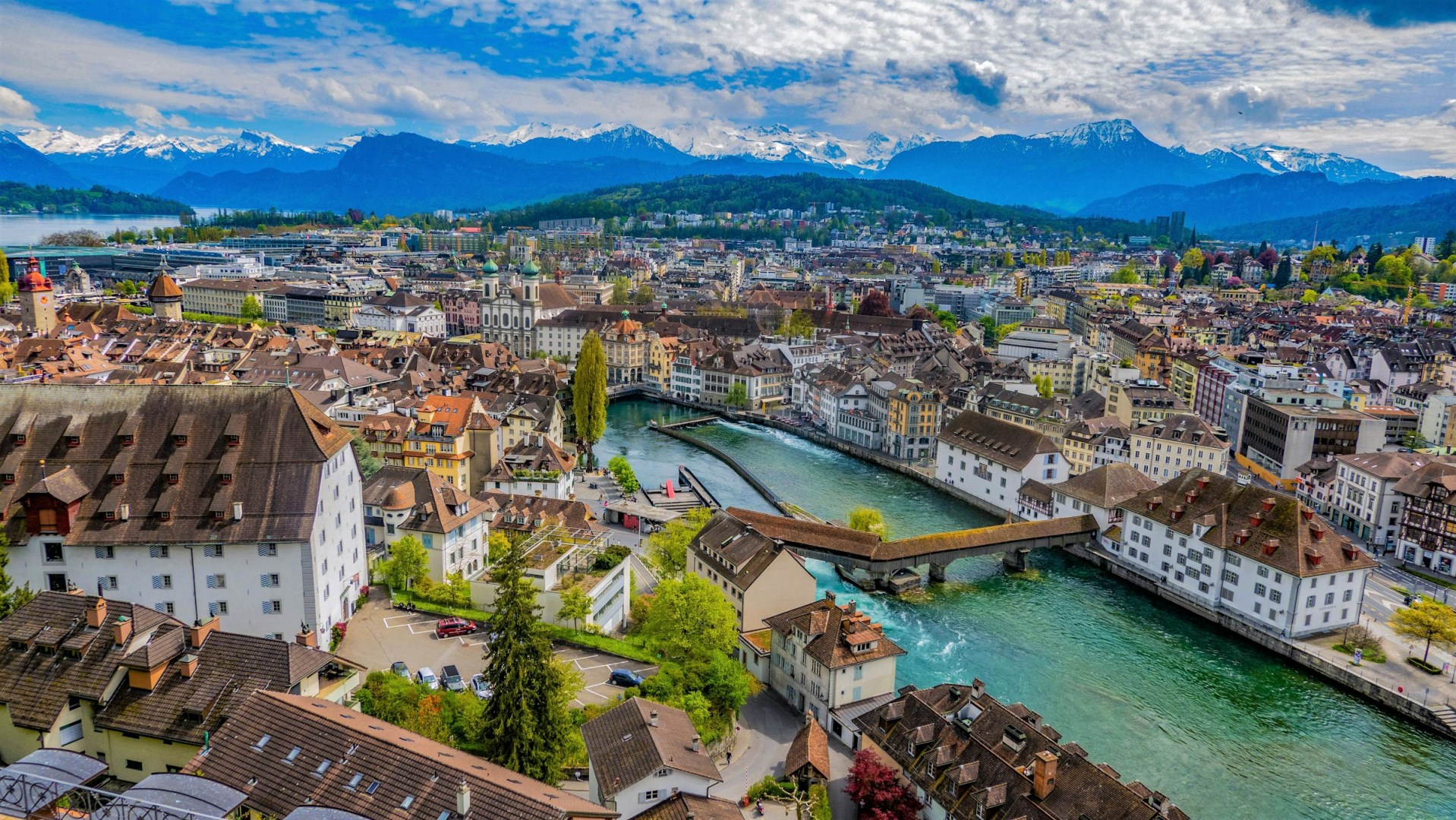
Lucerne
Behold beautiful Lucerne! This German-speaking area of central Switzerland on Lake Lucerne is a truly spectacular locale. Surrounded by mountains and notable for its famous Chapel Bridge, this idyllic and musical Swiss locale is wonderful any time of year.
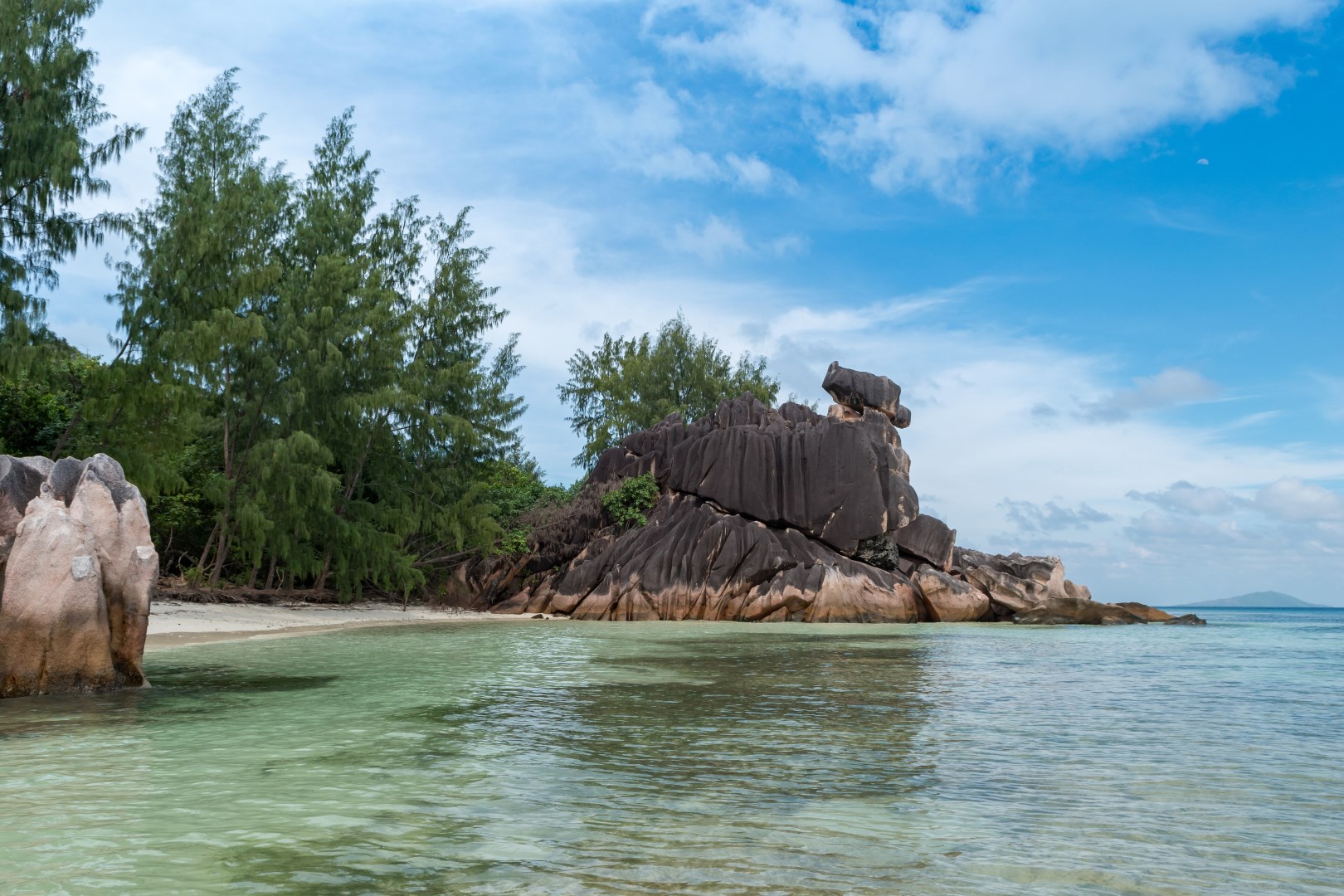
Curieuse Island
Curieuse Island, nestled in the Seychelles’ Indian Ocean, offers a captivating blend of natural beauty and rich history. Located just off the coast of Praslin Island, this 2.9 square kilometer island is renowned for its protected marine and terrestrial ecosystems.