

Dusseldorf
The commercial and cultural center for the Ruhr region on the Rhine River, Duseldorff is also the site of the Felderhof Cave where Neanderthal man was found in 1856.
Telšiai
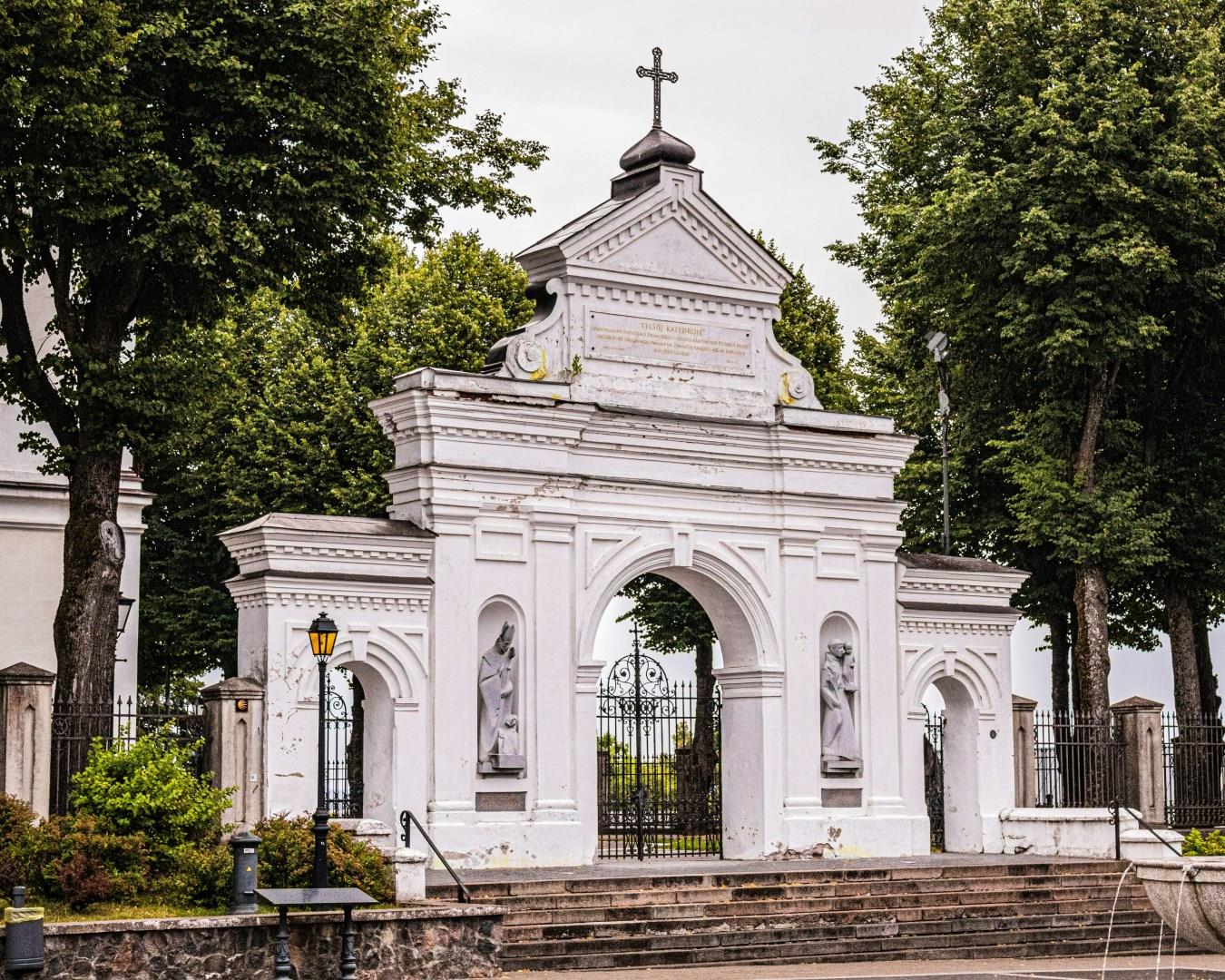
Telšiai, often called the capital of Lithuania’s Samogitia region, offers visitors a deep dive into a unique cultural heritage paired with striking natural settings. The town is set on the shores of Lake Mastis, where the reflections of historic buildings and lush forests create a calm and inviting atmosphere. Telšiai’s old market square bustles with life and is home to some of the town’s most notable landmarks, including the Neo-Gothic St. Anthony of Padua Cathedral.
Pamplona
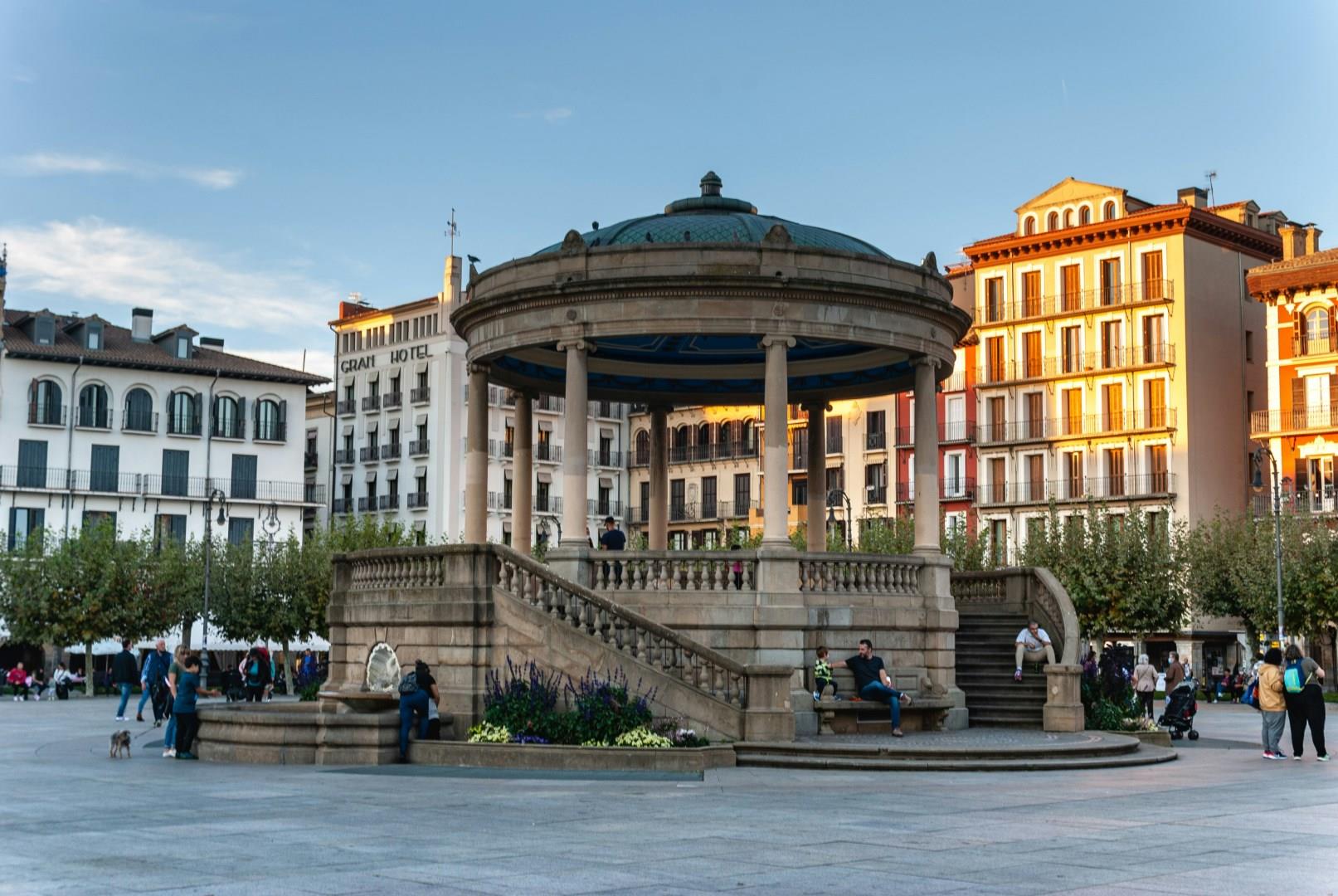
Pamplona, the capital of Spain’s Navarre region, is best known worldwide for the Running of the Bulls during the San Fermín festival each July. But beyond the brief rush of that event lies a city steeped in medieval history, Basque influence, and a slower pace that surprises many visitors. One of the most significant aspects of Pamplona is its place on the Camino de Santiago, the ancient pilgrimage route to Santiago de Compostela.

Wānaka
Nestled on the southern shores of its namesake lake, Wanaka is a charming resort town in New Zealand's South Island that offers a captivating blend of adventure, relaxation, and stunning natural beauty. Surrounded by snow-capped mountains and crystal-clear waters, Wanaka is an ideal destination for outdoor enthusiasts.
Bandon
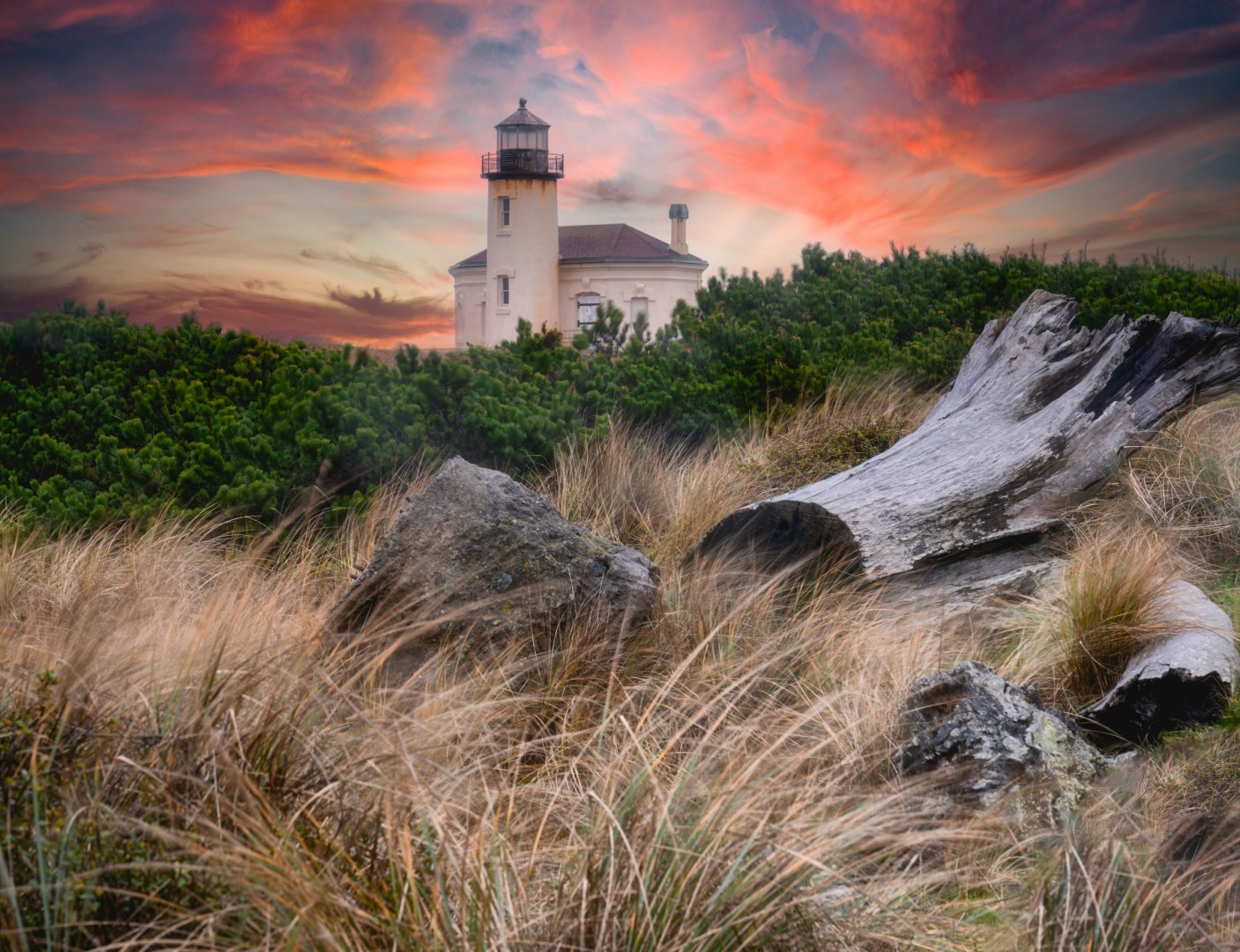
Bandon is a coastal city on Oregon’s southern coast, positioned beside the Coquille River and the Pacific Ocean. Its setting combines a small harbor, sandy beaches, forested areas, and a rugged shoreline marked by offshore sea stacks. The city is known for its relaxed coastal character and its connection to the surrounding landscape rather than large-scale development. Bandon’s Old Town district contains shops, galleries, restaurants, and historic buildings, while the waterfront provides access
