

St. Malo
Saint-Malo, a captivating walled city on the coast of Brittany, France, invites visitors to step back in time while embracing the beauty of the rugged coastline. Known for its rich maritime history, this former pirate stronghold has retained its medieval charm, with narrow cobblestone streets, towering granite walls, and fortifications that echo tales of seafaring adventures.
Vienna
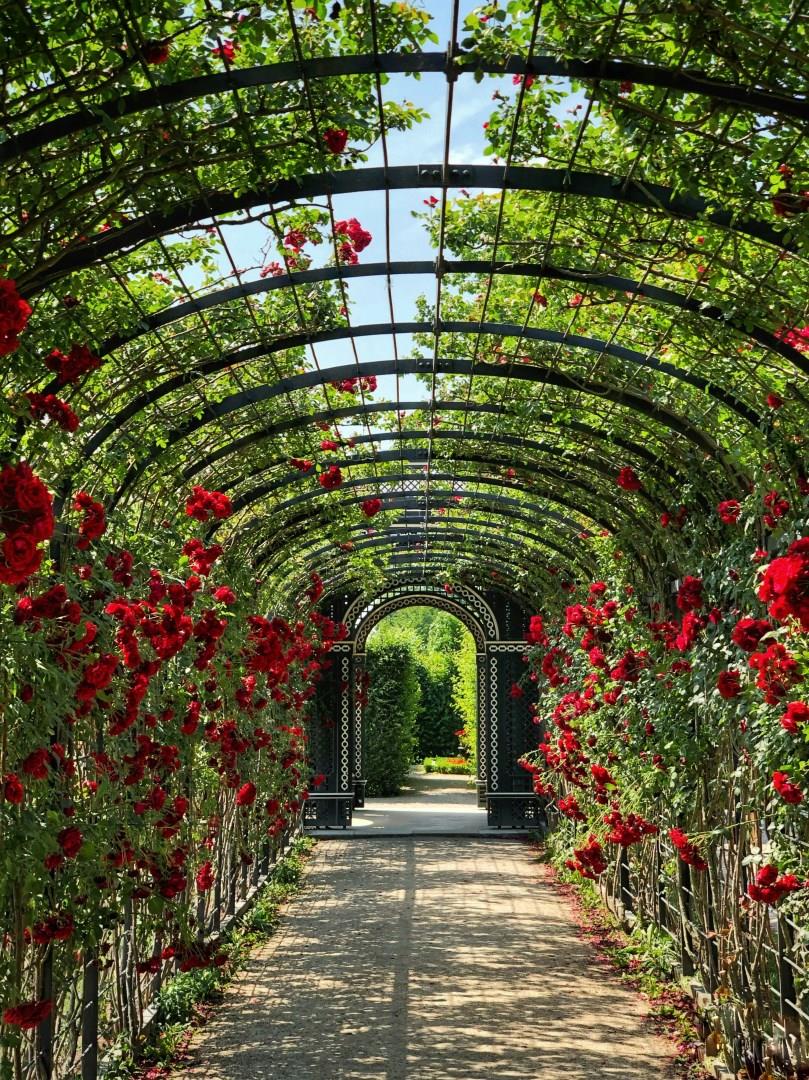
Vienna has a long memory. Once the capital of the Habsburg Empire, the city still carries signs of its imperial past in its palaces, concert halls, and wide boulevards. Visitors can walk through the Hofburg complex, where emperors once ruled, or tour the opulent rooms of Schönbrunn Palace, which features 1,441 rooms and a maze in its gardens. But Vienna’s many historic buildings now house contemporary art museums, cafés, and institutions that reflect the city’s modern identity.
Sault Sainte Marie
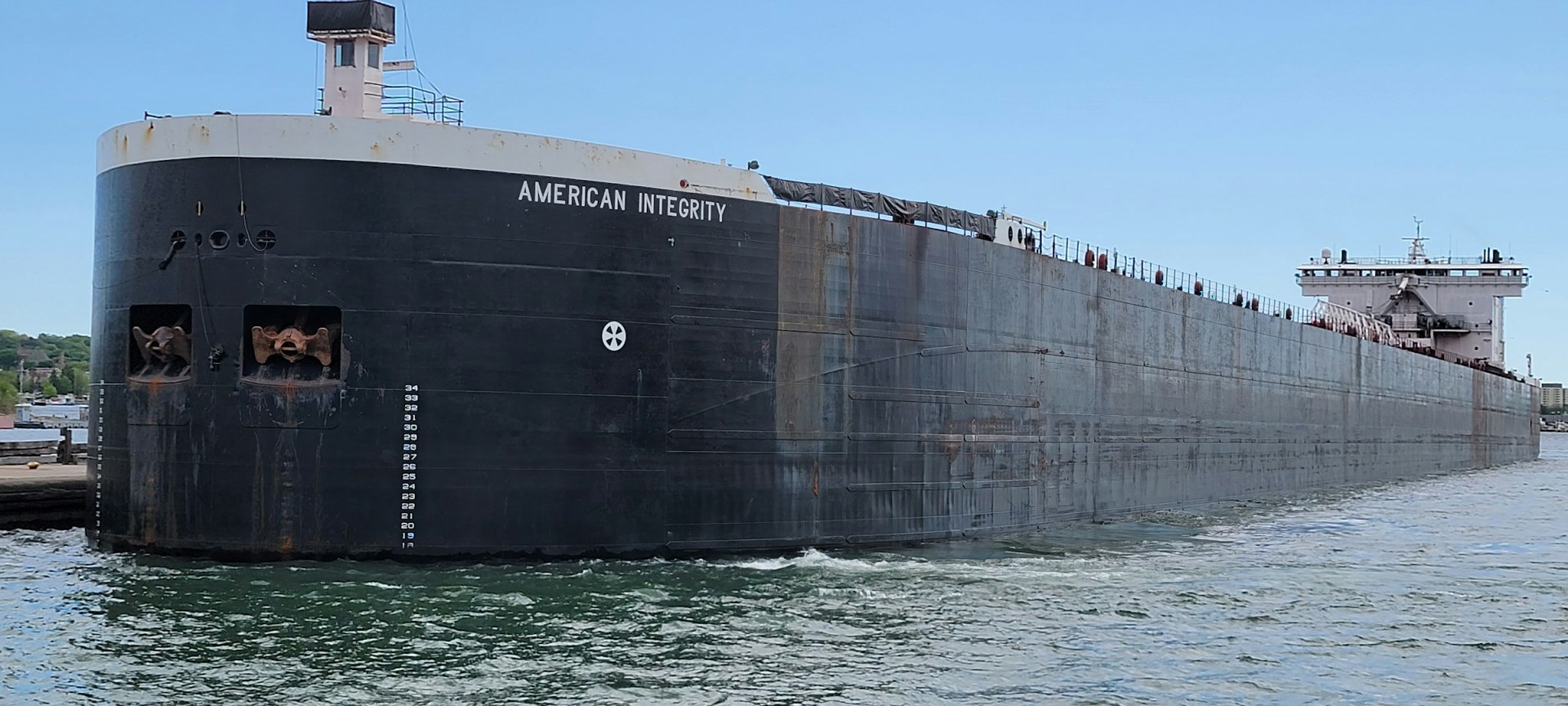
On the Canadian border where Lake Huron and Lake Superior meet, a canal built in 1895 still is used to have boats bypass the rapids of the St. Mary's river.
Ohio
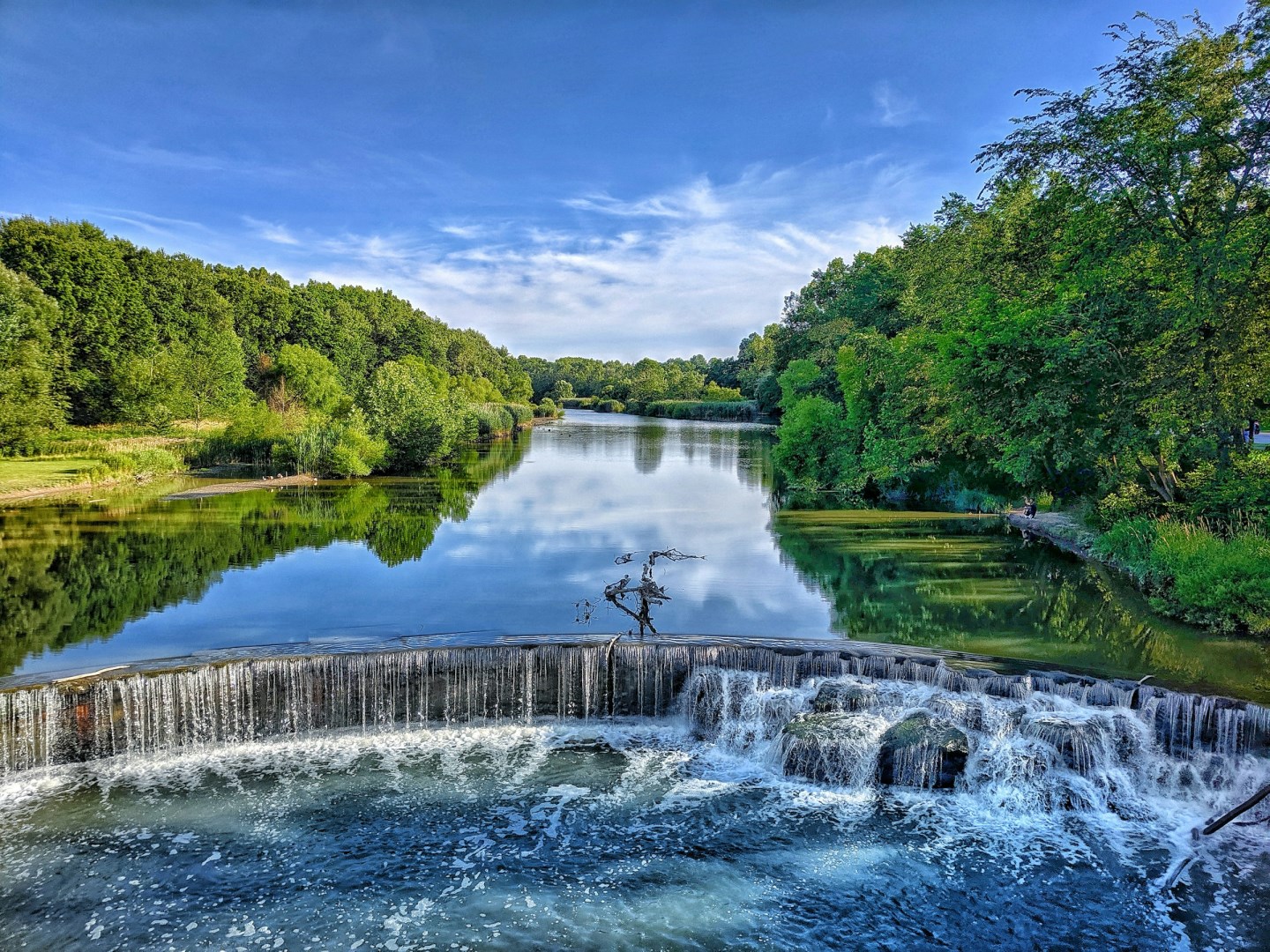
Ohio offers a blend of surprises that range from ancient earthworks to world-class roller coasters. In the southern part of the state, the newly designated Hopewell Ceremonial Earthworks tells the story of a sophisticated Native American culture that built massive geometric mounds over 2,000 years ago. Visitors can walk among these quiet, grassy structures and learn how they were used for ceremonies, astronomy, and social gatherings long before European contact.
Nîmes
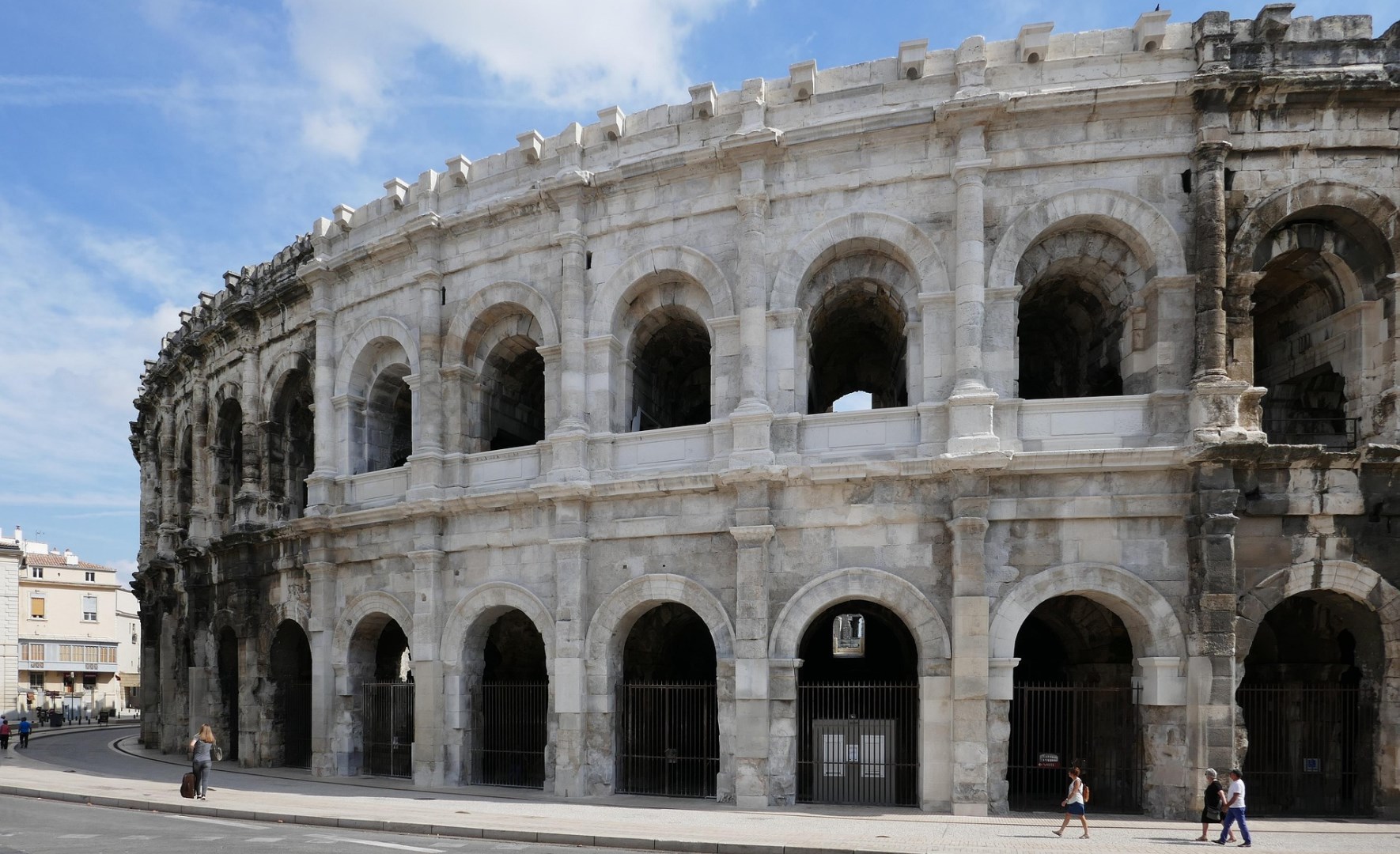
Located among the calcareous plateaus covered with Mideterranean scrub and alluvial deposites from the coastal plains, Nîmes appears as a city with various faces. First and foremost, the city is known as the 'French Roma', because of its famous history and its well conserved antique monuments. Nîmes is also, for many 'aficionados', the 'French Madrid'.
