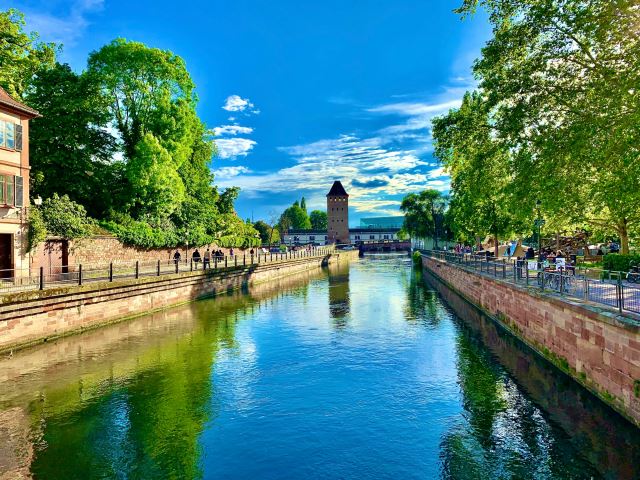
Lapland
The region of Lapland, Finland, is a dream come true for travelers in search of a real winter wonderland. The area has long been associated with Father Christmas, reindeer and a dense, snow-covered wilderness.

Bruges
Bruges, often referred to as the "Venice of the North," is a city where medieval charm meets modern allure. Nestled in the heart of Belgium's Flanders region, Bruges is renowned for its well-preserved medieval architecture, winding canals, and cobblestone streets that invite visitors to step back in time.

Nawiliwilli, Kauai
This is your passage into the sacred "Garden Isle," where the sweet smell of the mokihana berry permeates the air and the lush green landscapes intoxicate your senses. Visit Waimea Canyon and witness the union of water, sunshine, clouds and canyon walls as they create the most colorful rainbows imaginable.
George
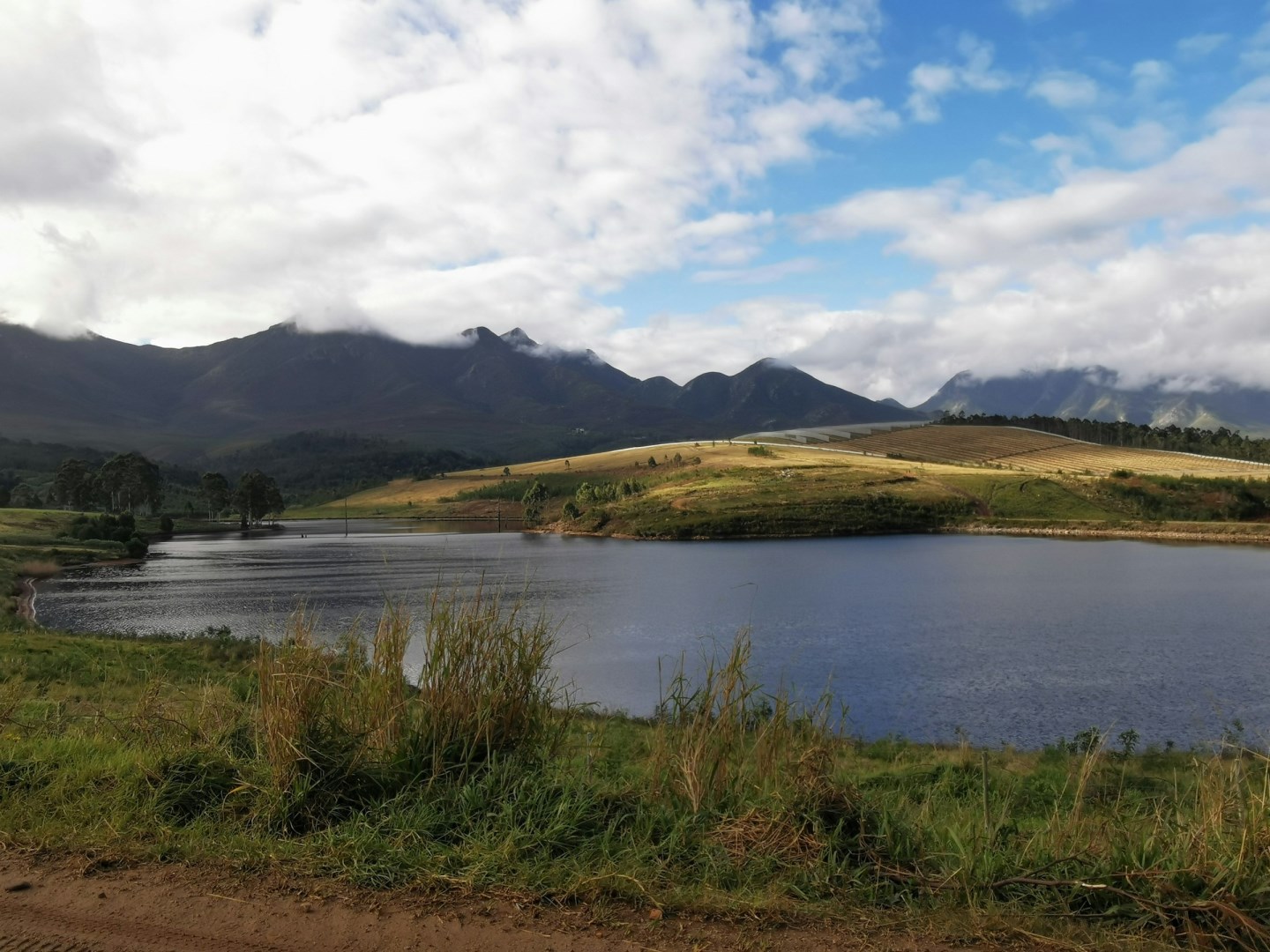
George, nestling below the magnificent Outeniqua Mountains is the sixth oldest town in South Africa. It is situated in the beautiful Western Cape Province and is the Capital of the Southern Cape. The town's central position between Cape Town and Port Elizabeth and its close proximity to other towns of the Garden Route with road, air and rail links to all the important centers in the country, has resulted in George becoming a major distribution, education and medical centre.
Danco Island
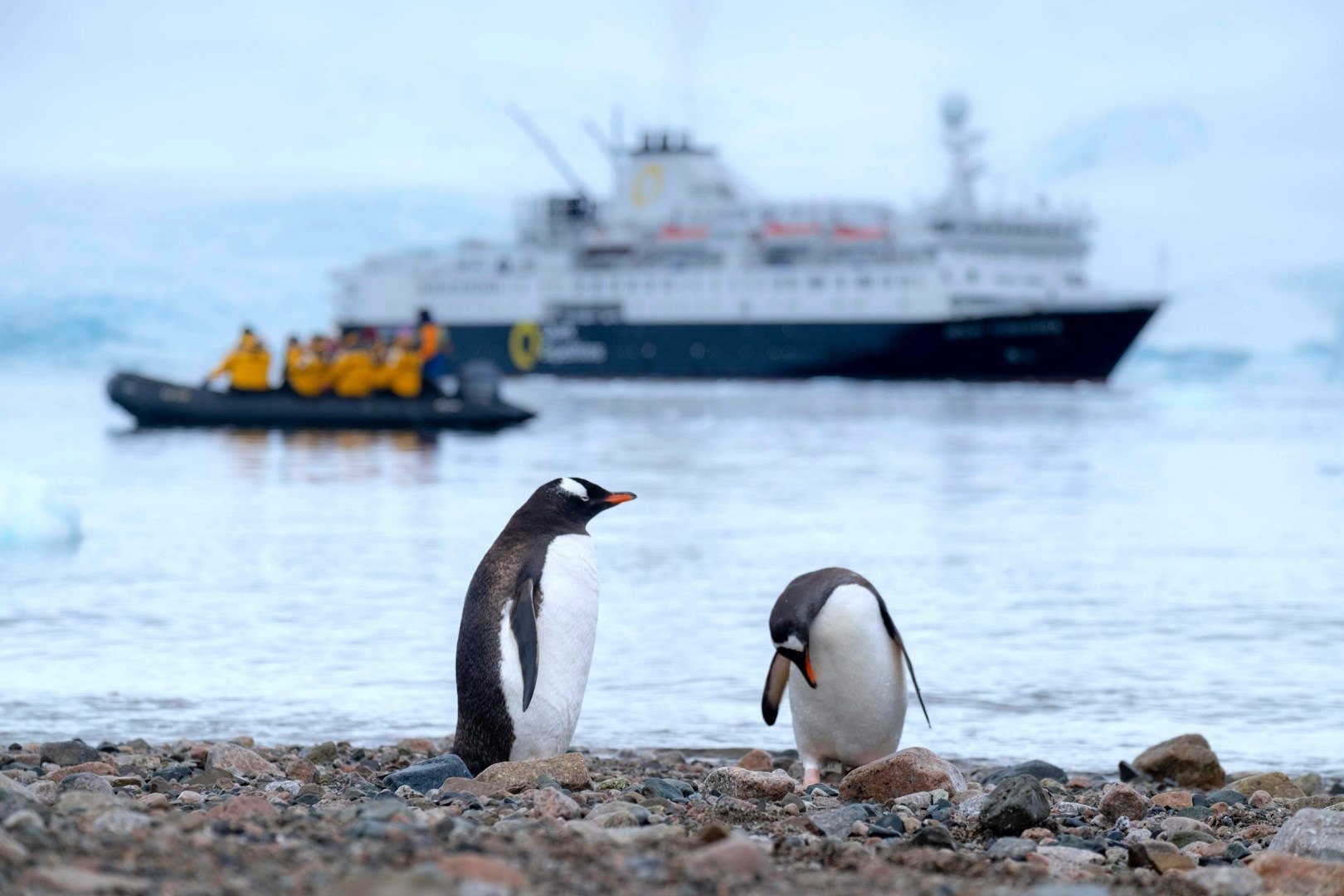
Danco Island also offers a close look at how Antarctic wildlife uses a small ice-covered island. Gentoo penguins establish colonies on rocky and snow-free areas, while the surrounding channel provides access to feeding grounds. The island’s exposed slopes and summit can be windy, and snow conditions may vary considerably between visits. Its compact landscape means that even a short excursion can reveal glaciers, mountains, sea ice, seabirds, and penguin colonies within a relatively small area.