

Hamburg
Located in northern Germany, Hamburg is an important commercial hub on the Elbe River and unique for the expansive system of canals which divide the city in two. Replete with fascinating architecture and scenic waterfront promenades, Hamburg offers plenty to see and explore!
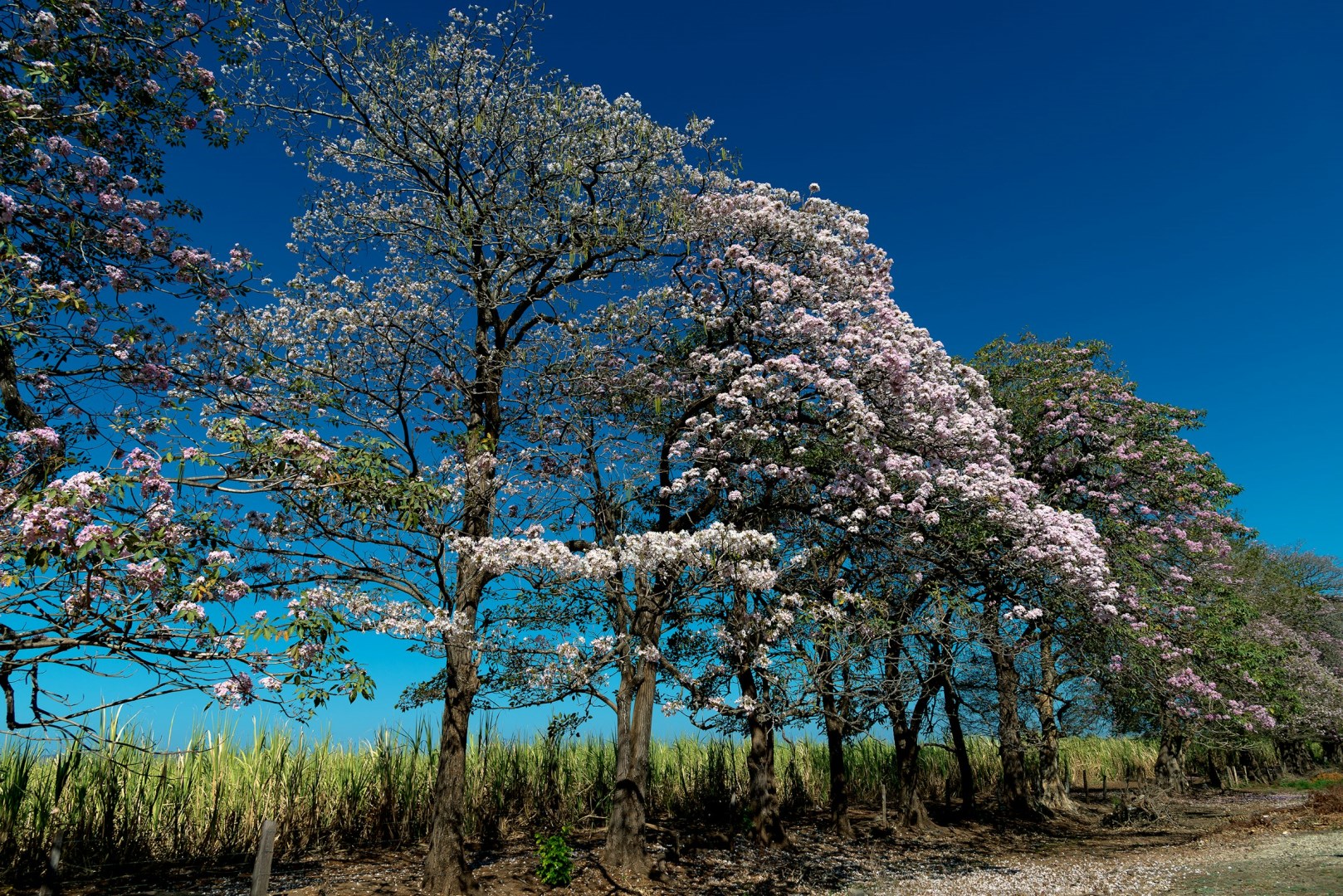
Liberia
This Northern Costa Rica city is known for its volcanoes (both active and inactive), the Catholic church Ermita de La Agonía, and the Museo del Sabanero.

Mesa Verde National Park
Mesa Verde National Park, nestled in the southwestern corner of Colorado, offers an extraordinary journey into the ancient past of the Ancestral Puebloans. This UNESCO World Heritage Site is renowned for its remarkably well-preserved cliff dwellings, built into the sheer rock faces of the canyon walls.
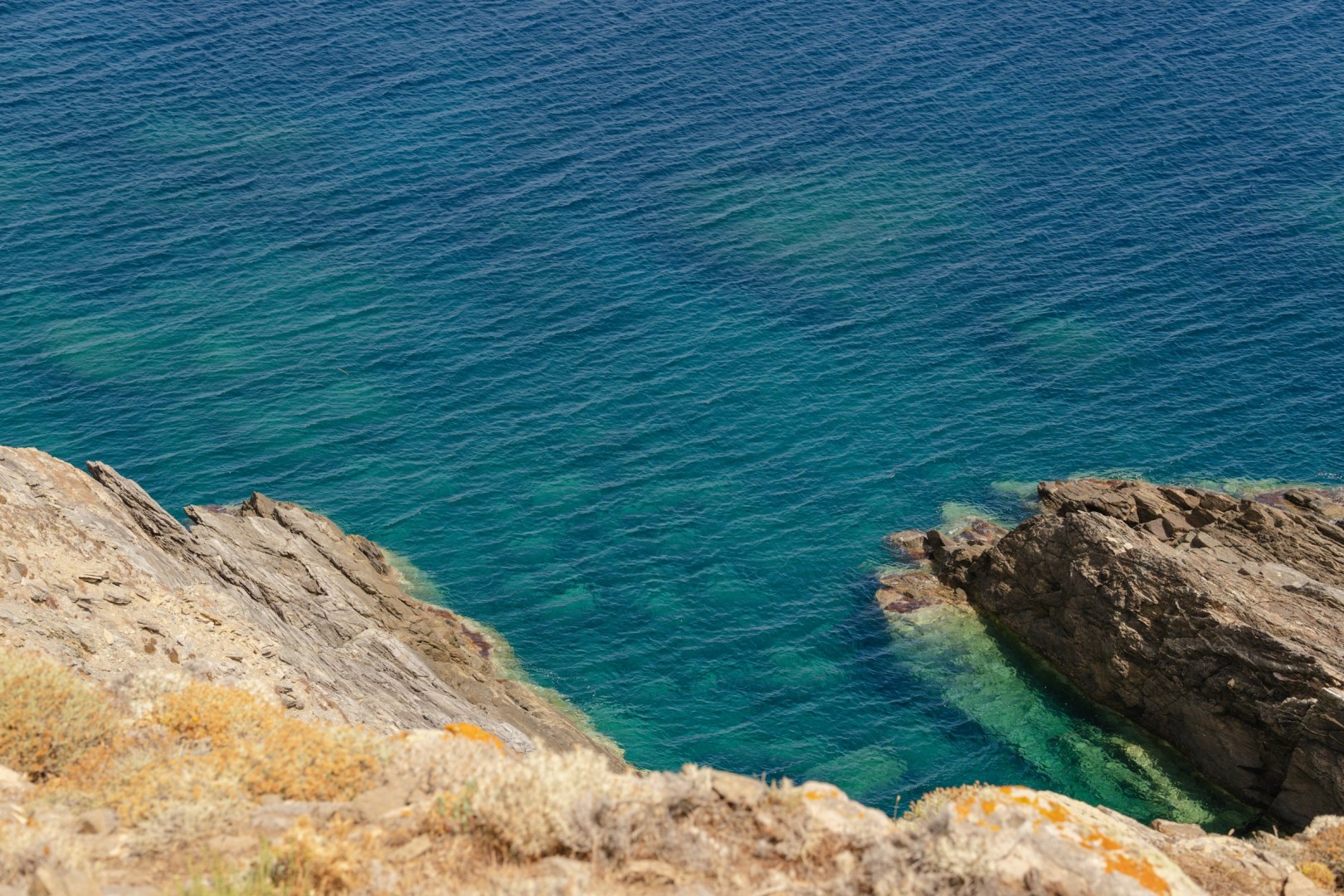
Porto Torres
Porto Torres is a city in northern Sardinia, situated on the bay of the Gulf of Asinara. It is home to a number of historical sights: the Basilica of San Gavino, an 11th-century Romanesque church, the largest in Sardinia; the necropolis of Su Crucifissu Mannu, an archaeological site from the Neolithic age; the remains of the Roman bridge on the Rio Mannu; and the ancient megalithic edifices known as nuraghi which have become a symbol of the Sardinian region.
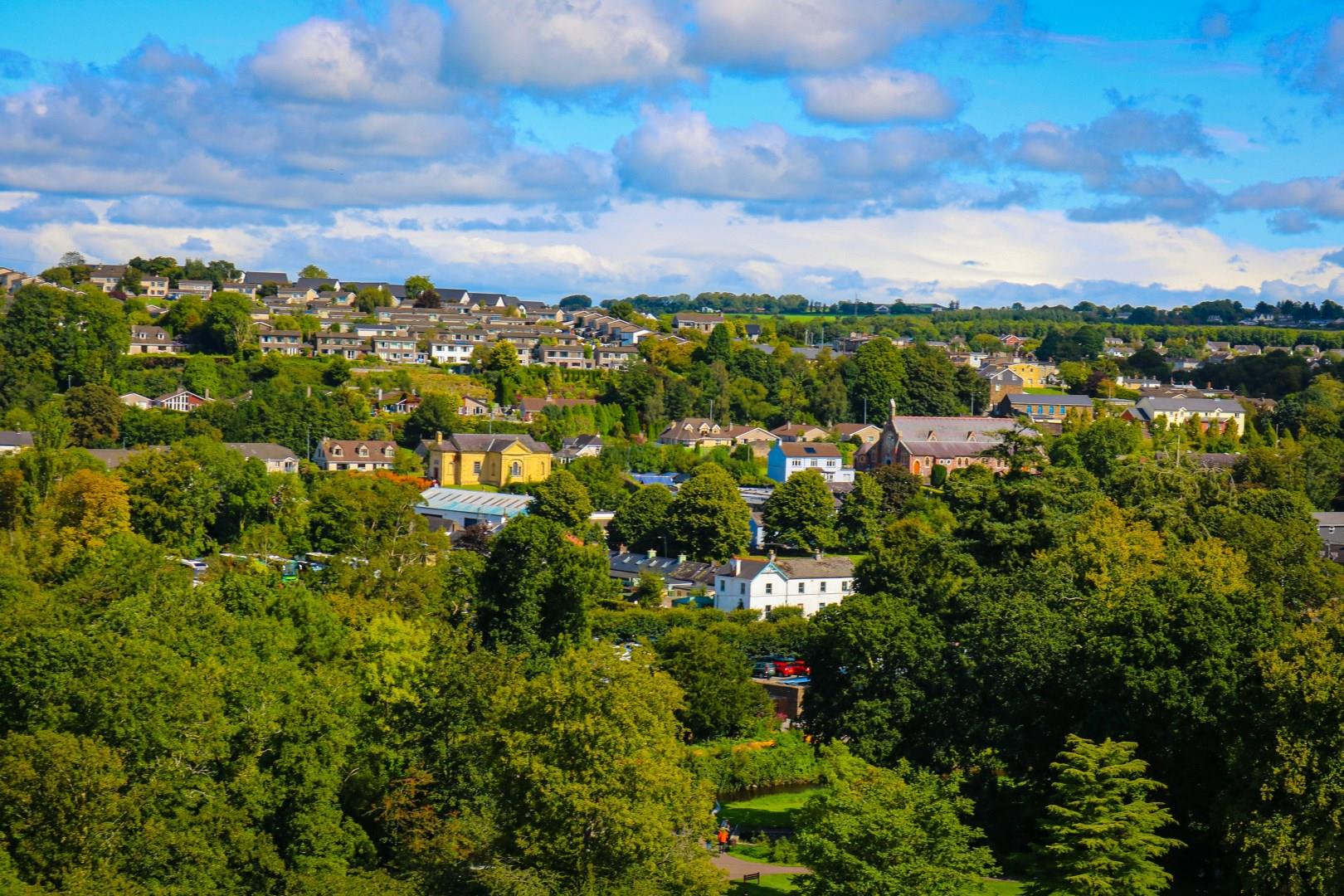
Blarney
Blarney, a village just outside Cork in Ireland, is best known for its legendary Blarney Castle, where travelers from around the world come to kiss the famous Blarney Stone.
