Blue Mountains
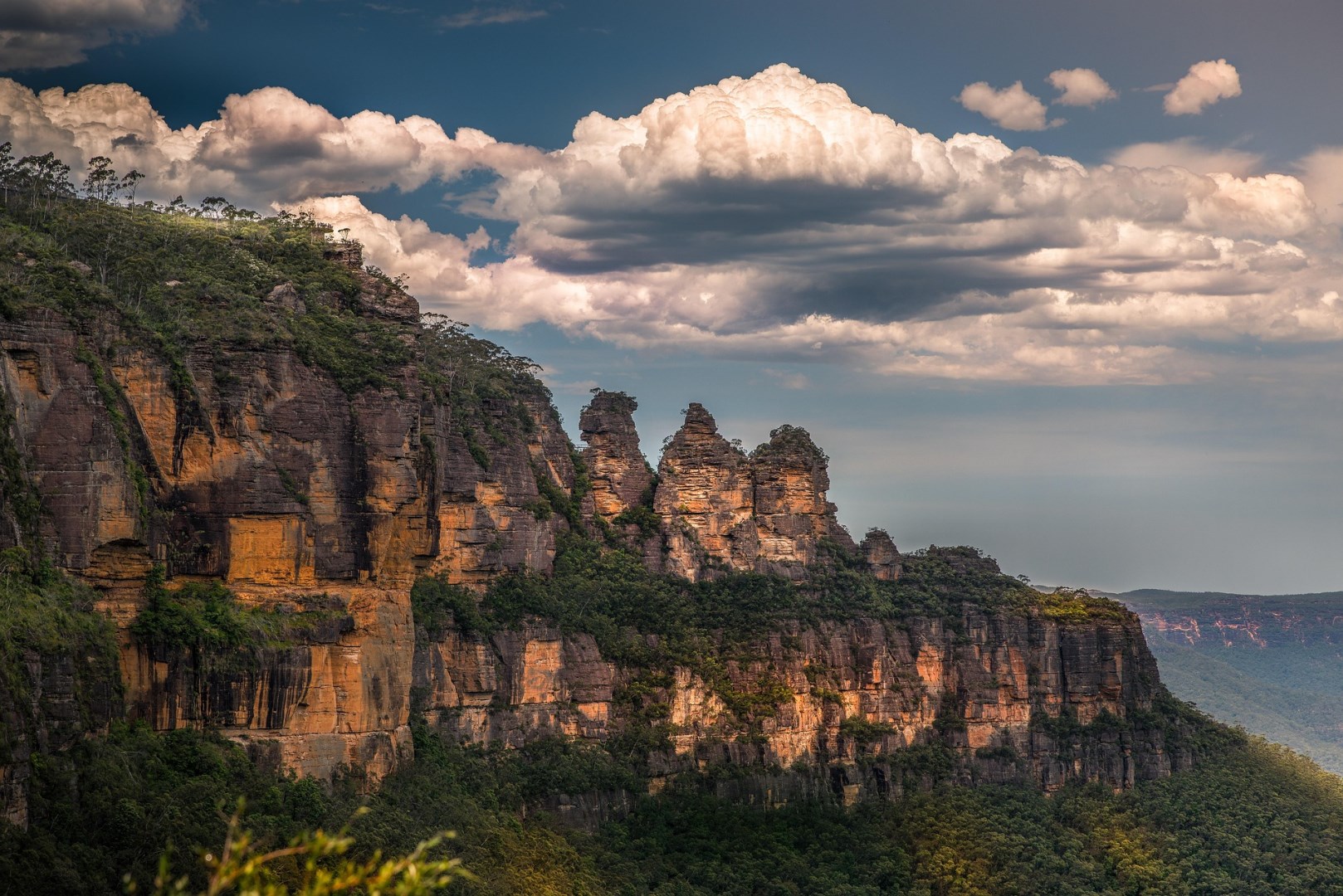
Indulge your taste for romance, drink in the clear mountain air, walk through the world-famous bushland or just relax in front of a roaring log fire. Located less than two hour's drive from Sydney, the Blue Mountains offer a natural wonderland of untamed bush, spectacular rock formations and native wildlife.

Asheville
Nestled in the heart of North Carolina’s Blue Ridge Mountains, Asheville is a haven for nature lovers, art enthusiasts, and history buffs alike. This vibrant city boasts stunning scenery with the Blue Ridge Parkway, often dubbed “America’s Favorite Drive,” providing unparalleled views of the Appalachian wilderness. In autumn, the mountains burst with fiery reds and golds, creating one of the most picturesque fall displays in the U.S. Beyond its natural beauty,
Nanyuki
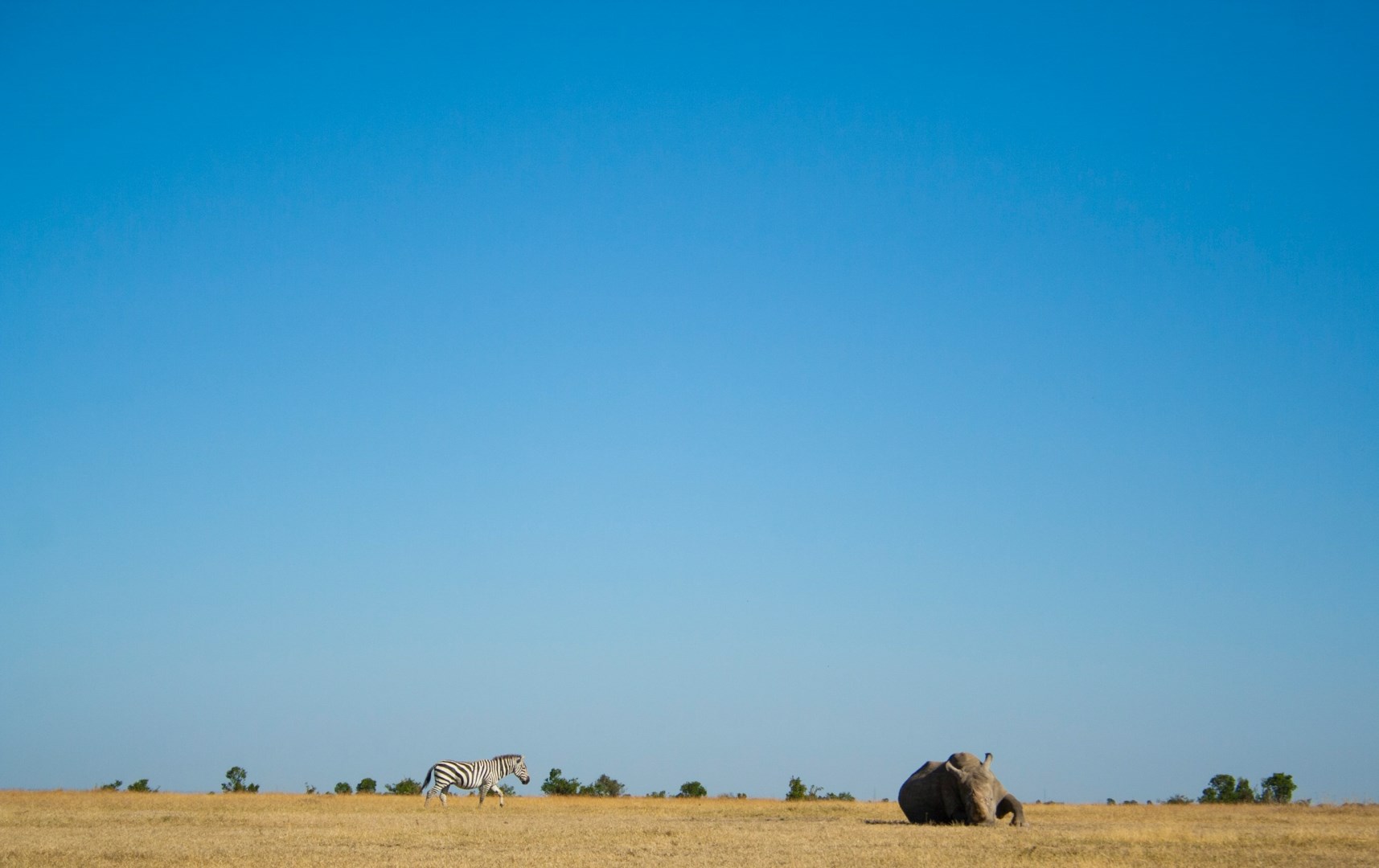
Nanyuki, located on the equator in central Kenya, is a lively town that serves as a gateway to Mount Kenya and the Laikipia Plateau. Founded by British settlers in the early 20th century, it still carries traces of its colonial past while embodying the energy and diversity of modern Kenya.
Sicily
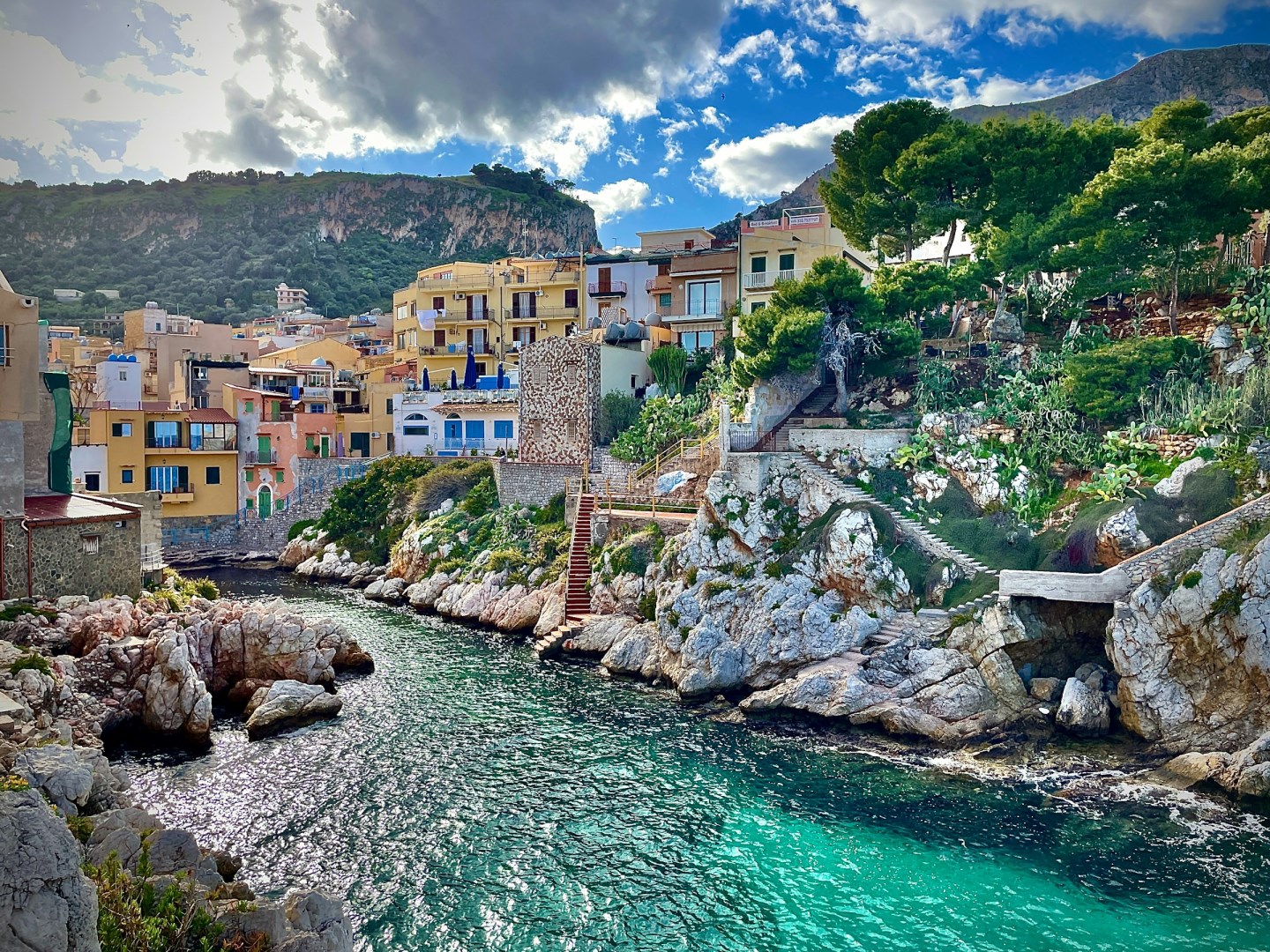
Sicily, the largest island in the Mediterranean, is a captivating blend of ancient history, stunning landscapes, and vibrant culture. The island’s rich past is evident in its archaeological treasures, with Greek, Roman, Arab, and Norman influences shaping its architecture and traditions. The Valley of the Temples in Agrigento is a must-visit for history lovers, where you can wander among some of the best-preserved Greek temples outside of Greece.
Candi Dasa
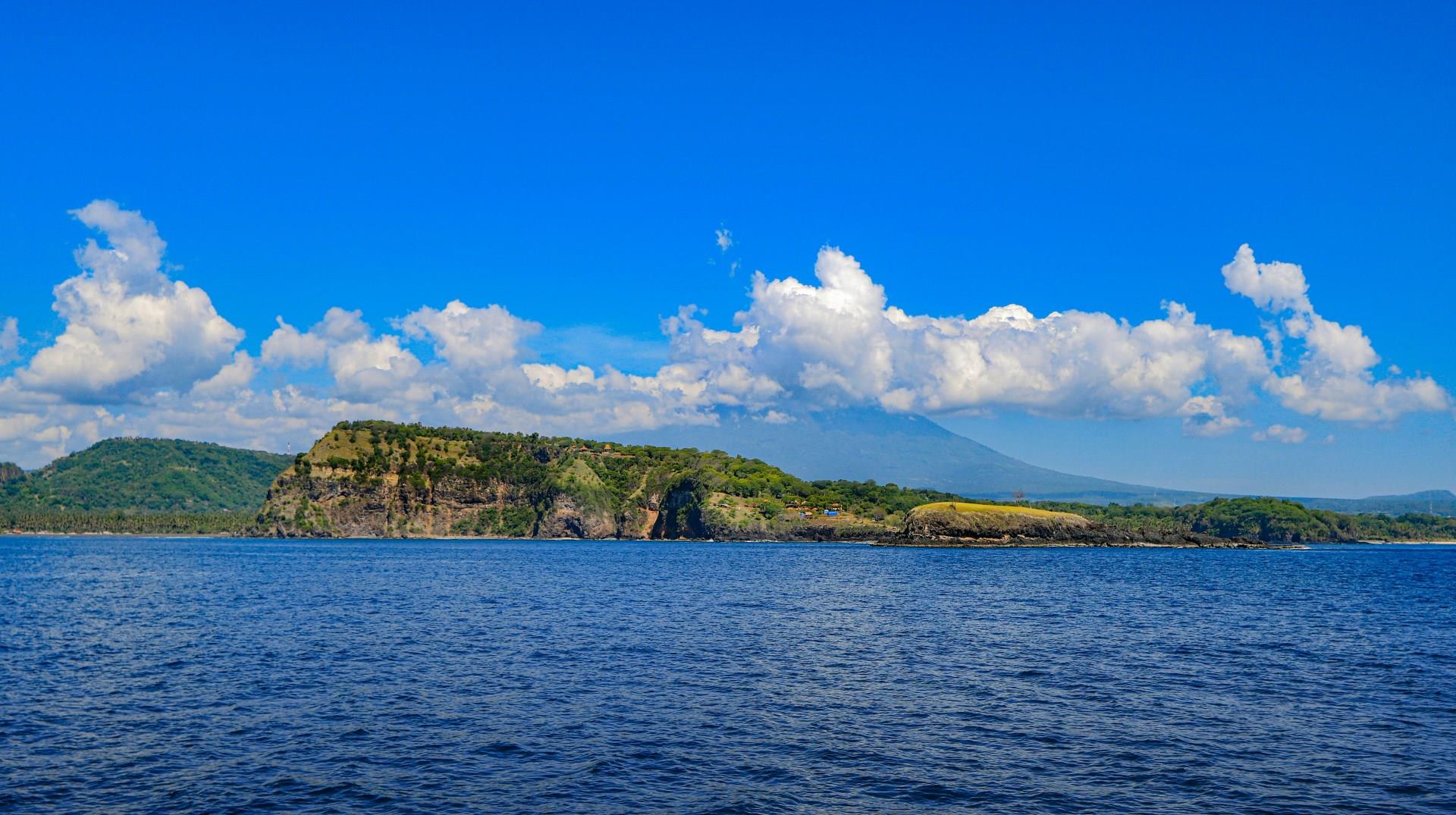
Candi Dasa lies along Bali’s quieter east coast, where the village grew around a coastal lagoon once used for ritual and fishing life. Its development has remained low-key compared to southern Bali, and local temples and daily offerings reflect a rhythm shaped more by tradition than tourism.