
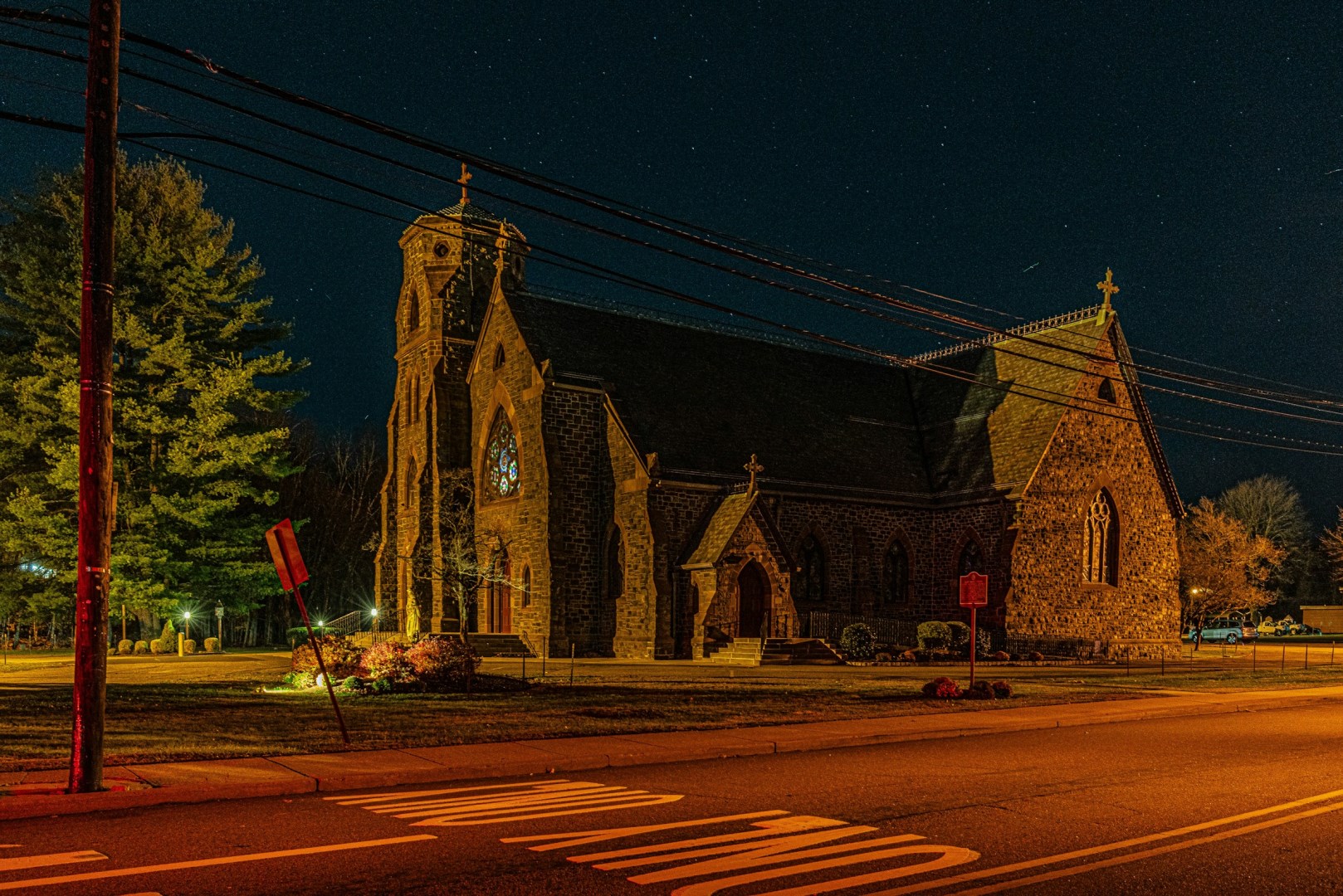
Dover
Dover, located in Morris County, New Jersey, is a small yet historically rich town nestled along the Rockaway River about 30 miles west of New York City. Founded in the early 1700s, Dover grew as an important ironworking and industrial center during the 18th and 19th centuries, thanks to its proximity to the Morris Canal and the region’s abundant natural resources.

Leknes
Leknes sits in the heart of Norway’s Lofoten Islands, a small town shaped more by geography than by long urban history. It developed as a regional hub for farming, fishing, and transport, serving surrounding villages spread across Vestvågøy. Rather than presenting a preserved past, Leknes reflects contemporary life in the north, practical and closely tied to seasonal rhythms.
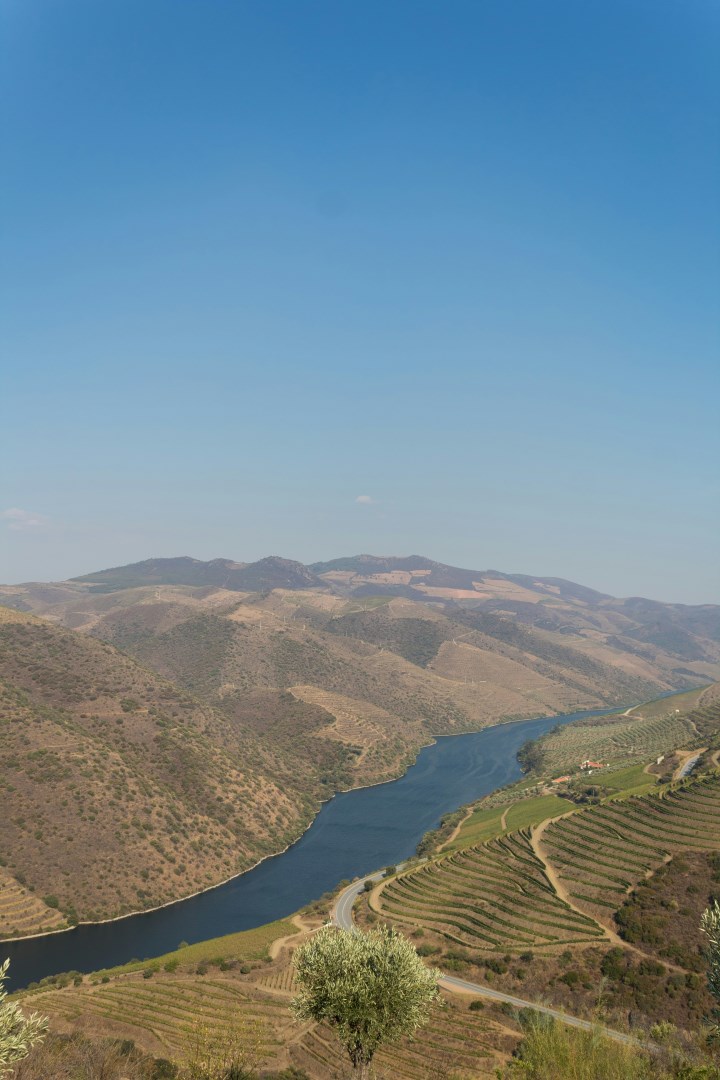
Côa Valley
Coa Valley lies in northeastern Portugal near the Douro River, in a landscape shaped by steep hills, schist cliffs, vineyards, olive groves, and almond trees. The area is best known for its open-air prehistoric rock engravings, spread across the banks of the Coa River and protected as a UNESCO World Heritage Site.
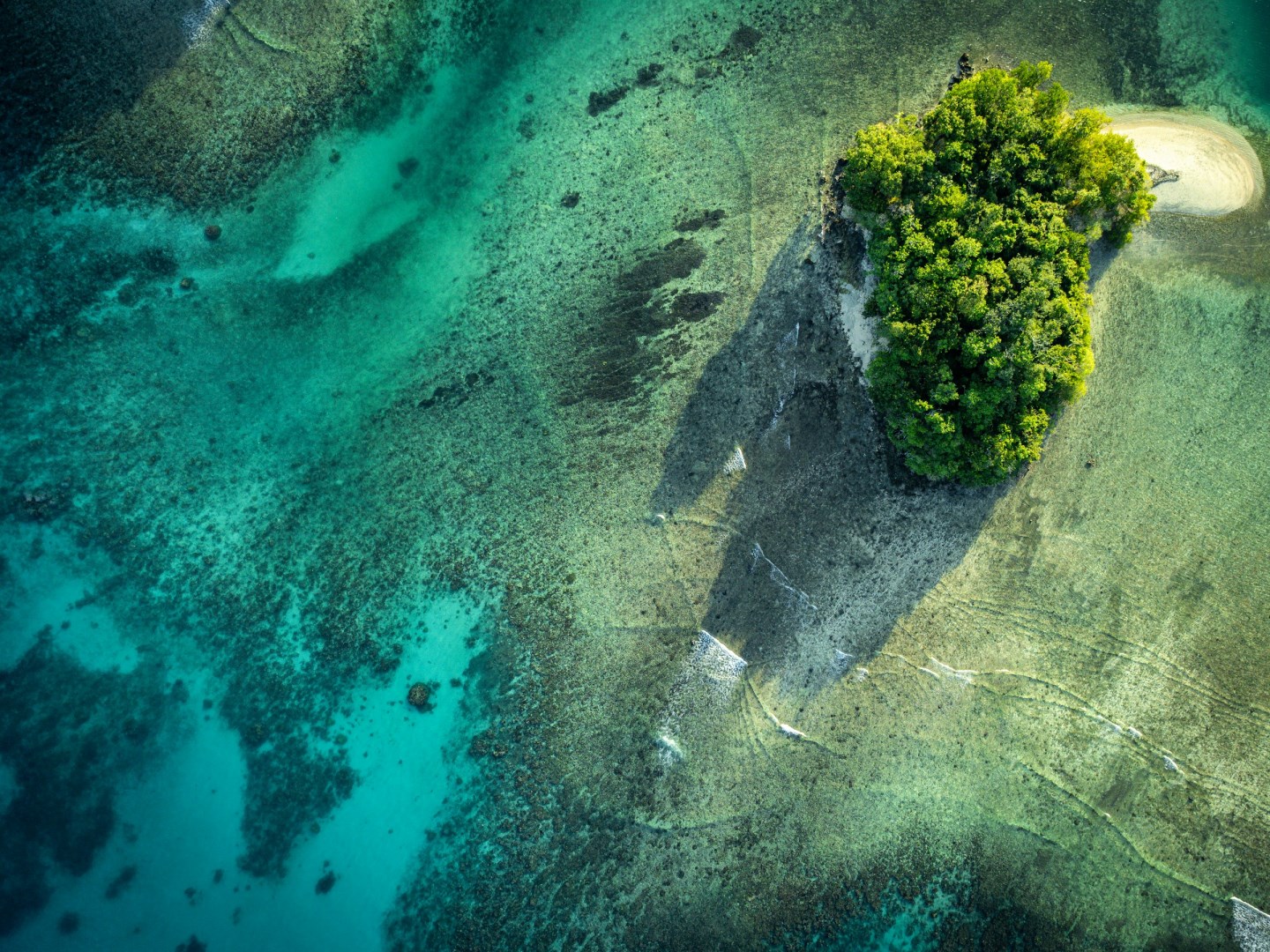
Espiritu Santo Island
Espiritu Santo, one of the largest islands of Vanuatu off the east coast of Australia, is a popular destination for divers. Famous Champagne Beach, as one might guess from the name, offers crystal clear waters and powdery white sands, while the western side of the island is dotted with caves to explore and reefs team with marine life just offshore.

Aguas Calientes
Aguas Calientes, officially called Machupicchu Pueblo, sits in a narrow valley below the ruins of Machu Picchu, shaped almost entirely by geography and access. The town grew around the railway and hot springs that give it its name, becoming a necessary stopping point rather than a destination planned in advance. Its identity is closely tied to movement, with most people arriving on foot or by train and staying briefly before heading uphill.
