

Santo Domingo
The capital city of the Dominican Republic is rich in history and beauty, boasting 16th-century Spanish architecture and the oldest cathedral in the Americas. The narrow streets of the old colonial city are a testament to the complex mixture of forces that contributed to the construction of the first European city in the Western Hemisphere.
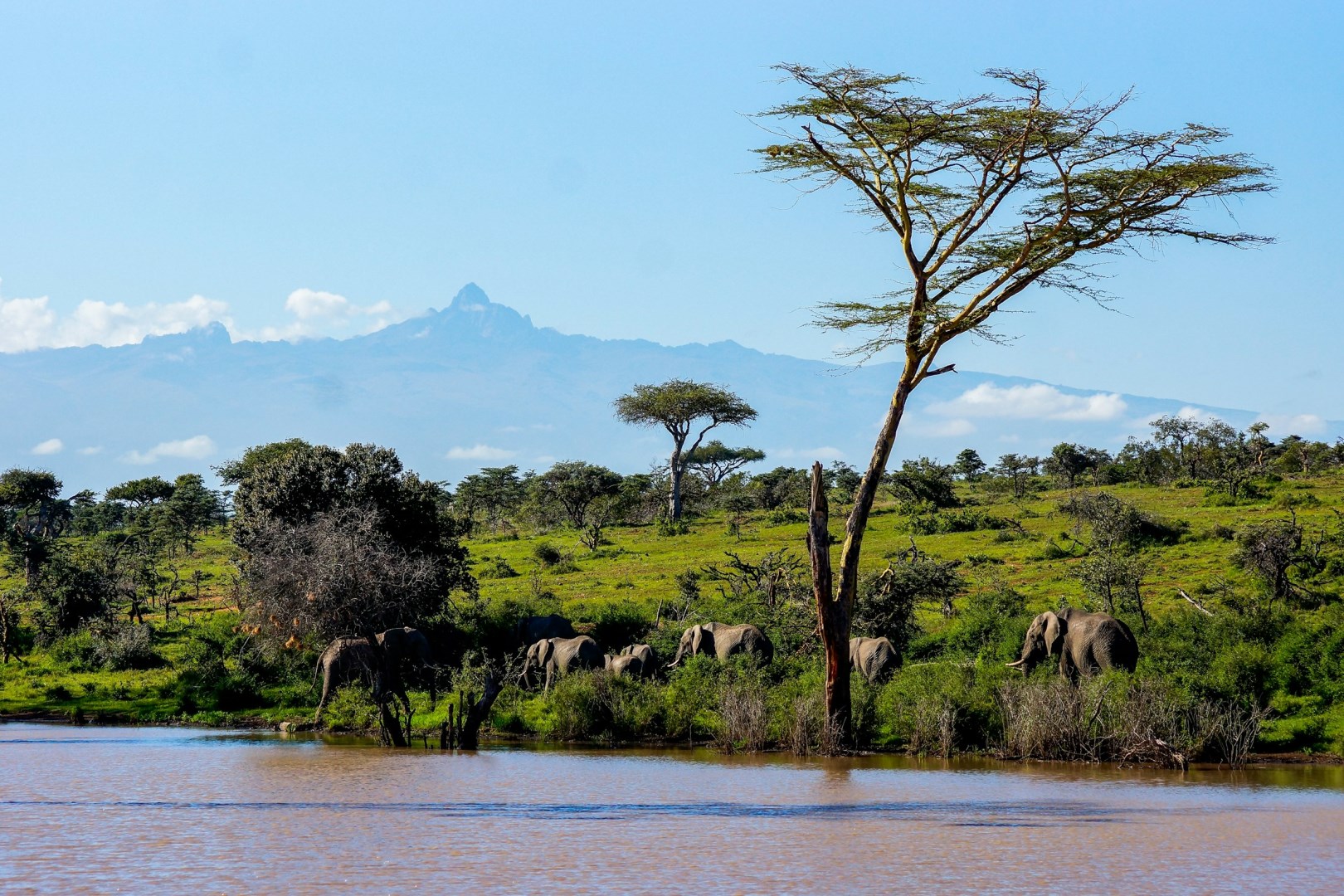
Laikipia Plateau
Laikipia Plateau is a highland region in central Kenya, lying between Mount Kenya and the northern Kenyan lowlands. Its broad grasslands, acacia woodland, rocky valleys, and volcanic soils create a varied landscape shaped by seasonal rainfall and altitude. Rather than being a single protected park, Laikipia is a mosaic of private conservancies, community lands, ranches, and farms.
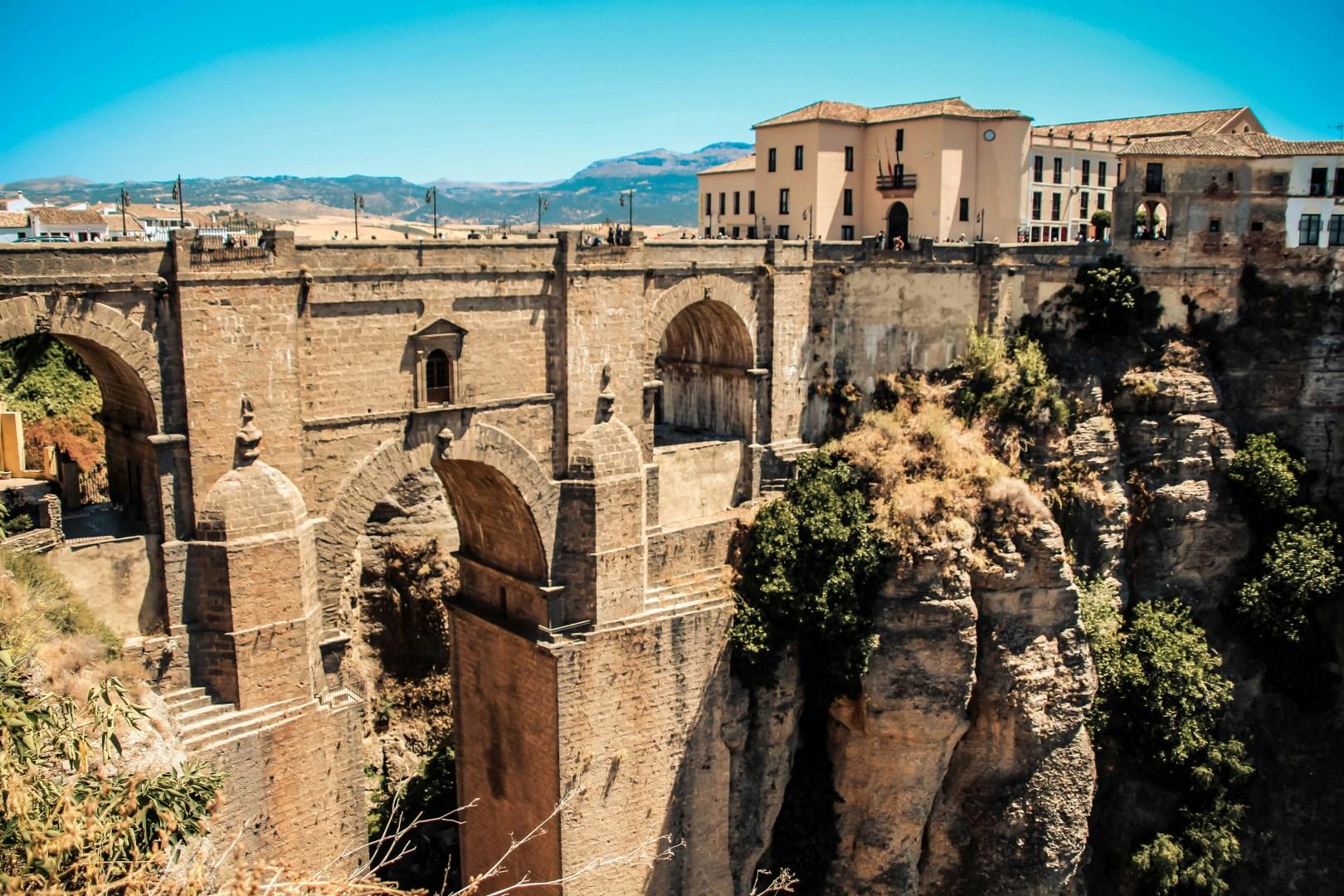
Ronda
Ronda, perched high above the El Tajo gorge in southern Spain’s Málaga province, offers one of the most dramatic landscapes in Andalusia. The city is split in two by a 120-meter-deep canyon carved by the Guadalevín River, and connected by the iconic Puente Nuevo, an 18th-century stone bridge that took over 40 years to complete. Visitors crossing the bridge can stop at the viewpoint built into the stone itself, once used as a prison.
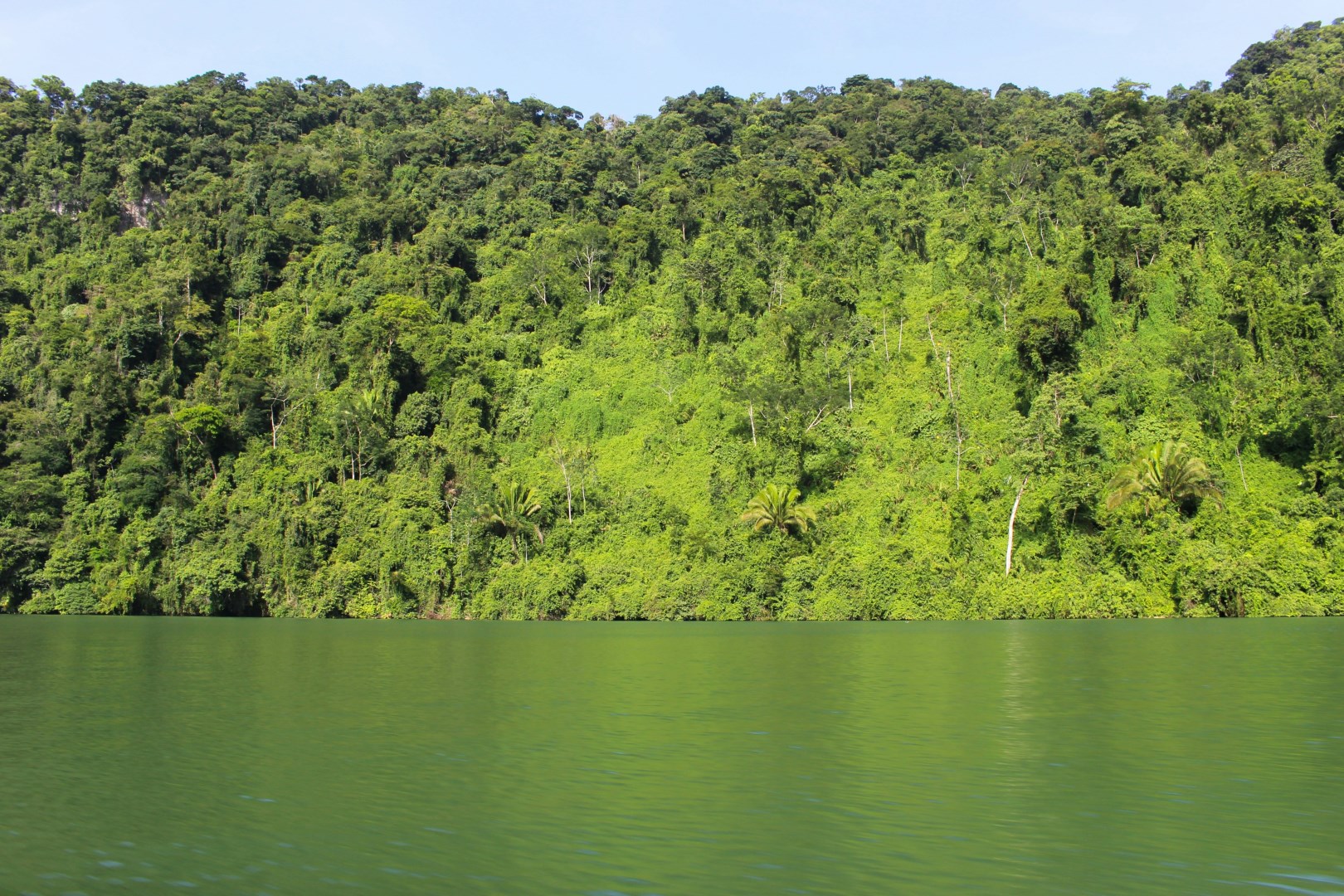
Rio Dulce
Rio Dulce is a river region in eastern Guatemala that connects Lake Izabal to the Caribbean Sea. The area is centered around the town of Fronteras and the long waterway that cuts through tropical forest, limestone cliffs, and wetland habitats.

Dusseldorf
The commercial and cultural center for the Ruhr region on the Rhine River, Duseldorff is also the site of the Felderhof Cave where Neanderthal man was found in 1856.
