Puerto Barrios
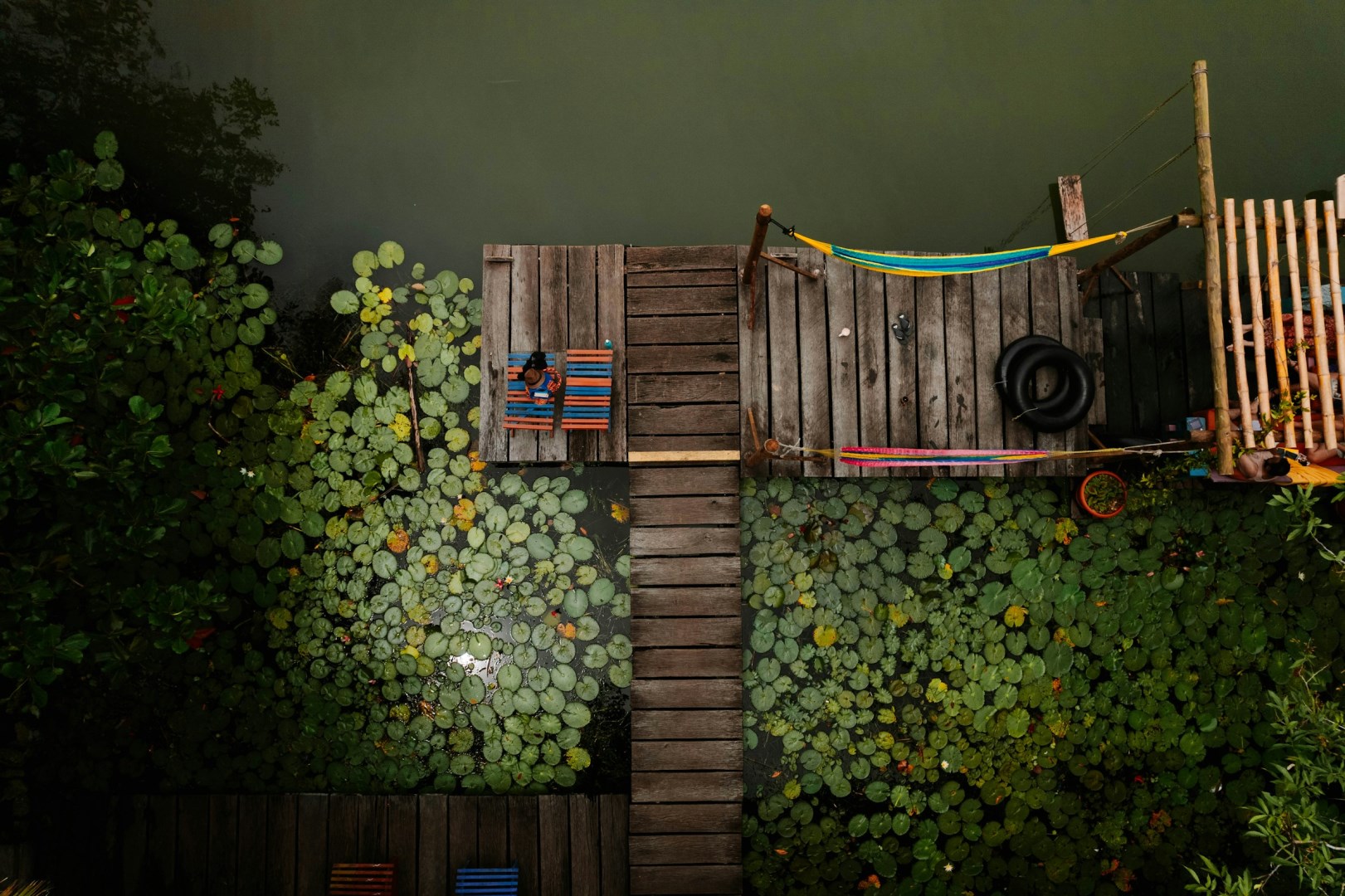
Located in the Gulf of Honduras, this area of the Mayan offers jungle tours along the Rio San Carlos or walking through the Mayan ruina at Quirigua. In ancient Mayan culture, priests used to drive sting ray spines through their tongues to appease their gods.

Suez
Suez, Egypt, is a city of historical significance and strategic importance, making it an intriguing destination for travelers. Located at the southern end of the Suez Canal, this city has been a key player in global trade and naval history for over a century. Suez is not only a gateway to the world-renowned canal but also a place rich in history and culture.
Hood River
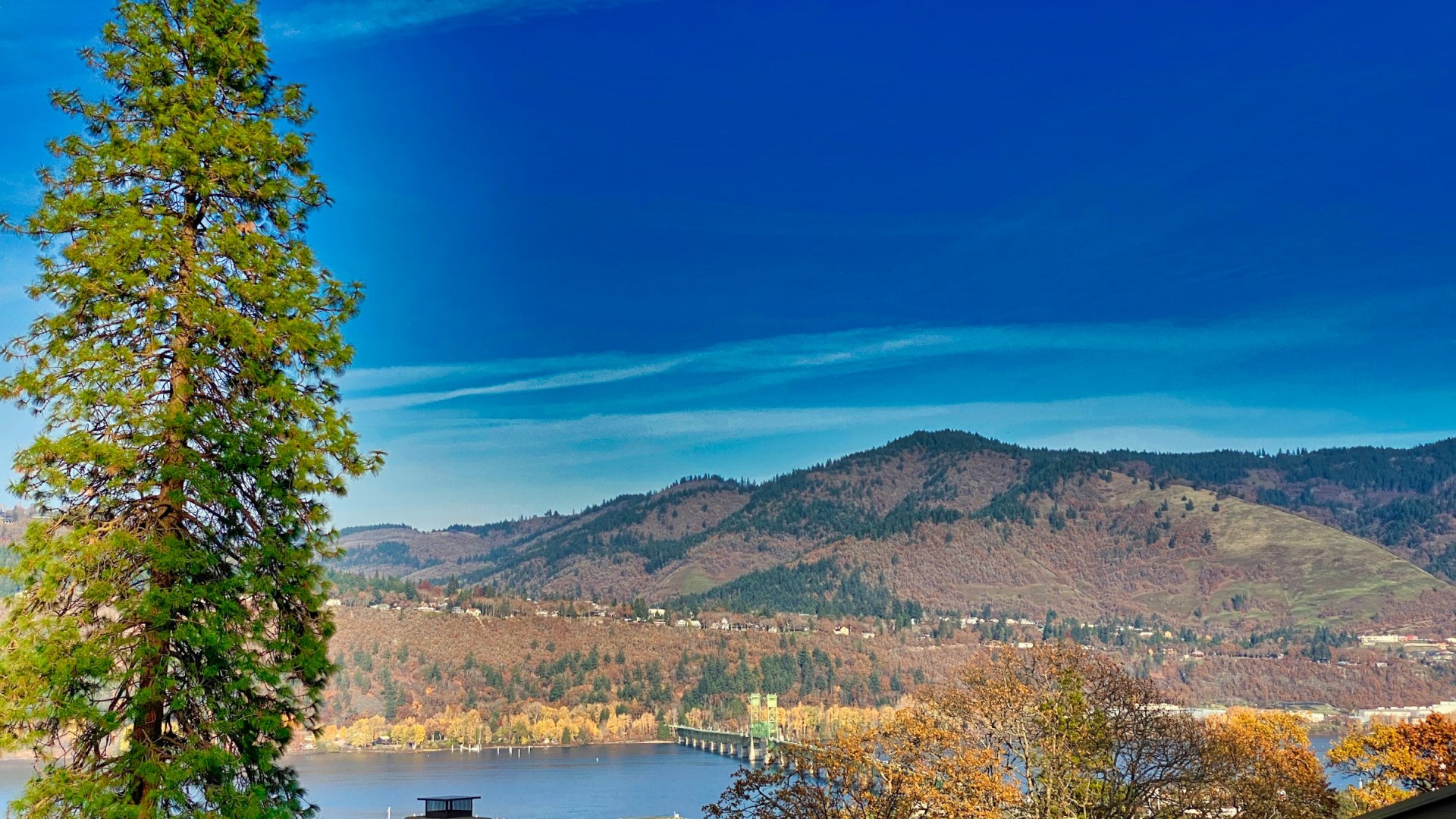
Hood River, Oregon, is a vibrant city nestled on the banks of the Columbia River and surrounded by the majestic peaks of the Cascade Range. Known for its stunning natural beauty and outdoor adventure opportunities, Hood River is a paradise for those who love windsurfing, kiteboarding, and mountain biking. The city's location on the Columbia River Gorge provides exceptional conditions for these water sports, making it a premier destination for thrill-seekers.
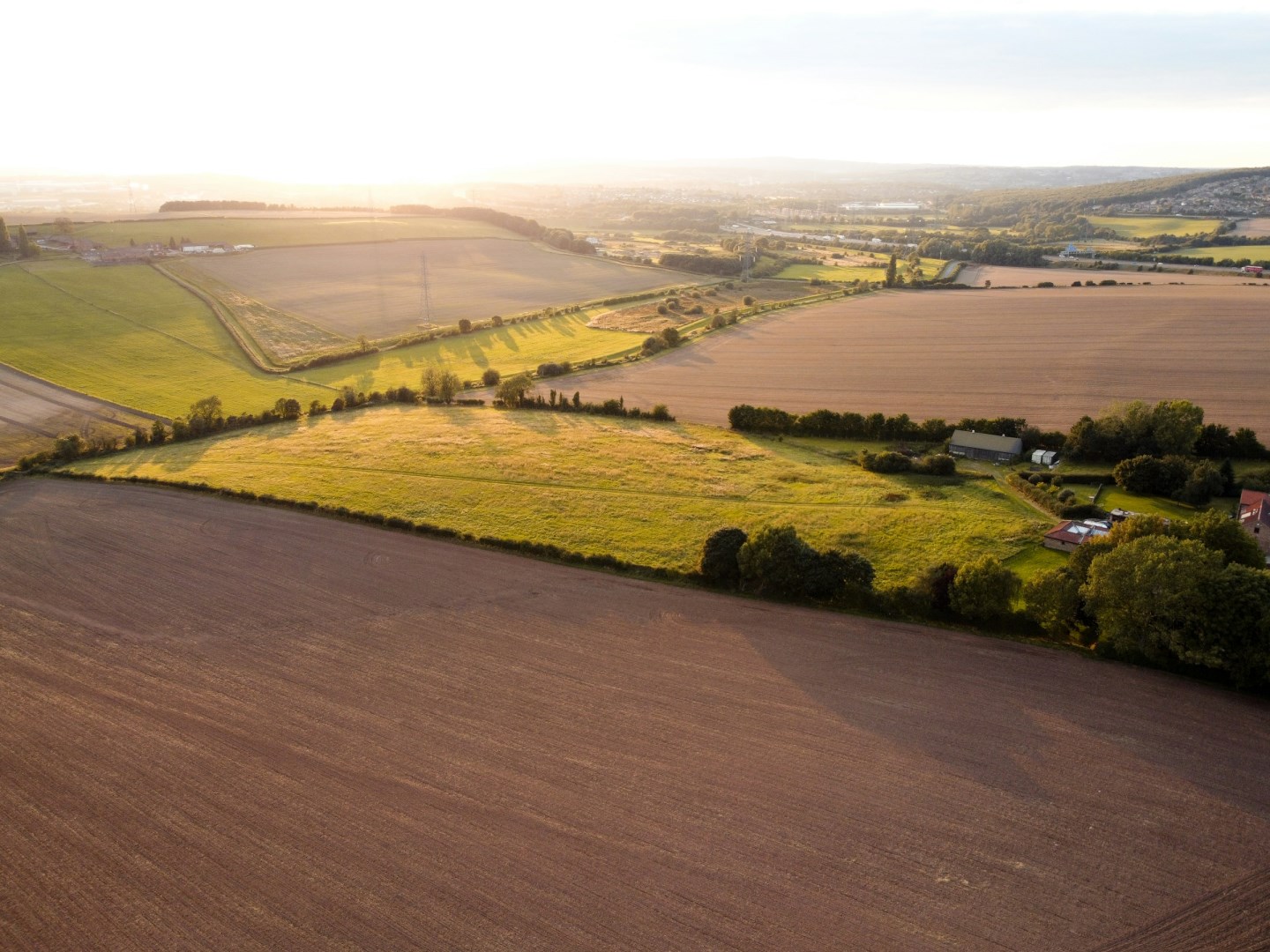
Rotherham
Rotherham is a town in South Yorkshire, set where the River Rother meets the River Don and surrounded by a landscape shaped by industry, agriculture, and woodland. Its town centre combines historic buildings with modern shopping areas, while the surrounding borough includes villages, country parks, reservoirs, and former industrial sites. Rotherham's location between Sheffield and the wider South Yorkshire countryside makes it a useful base for exploring both urban and rural attractions.
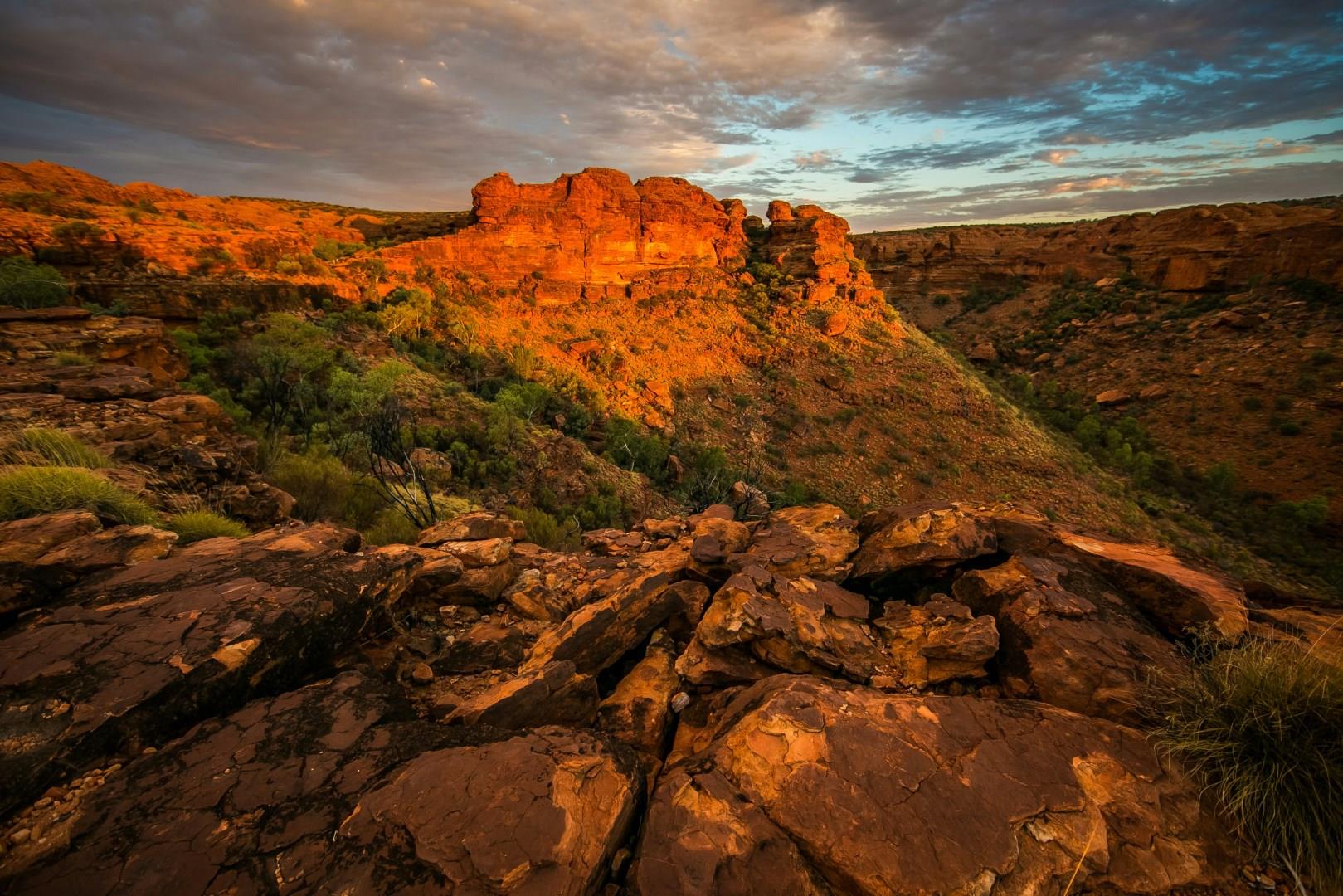
Kings Canyon
Kings Canyon, located in Australia’s Northern Territory within Watarrka National Park, is one of the Red Centre’s most striking natural landmarks. Carved over millions of years, the canyon holds deep cultural significance for the Anangu people, particularly the Luritja, for whom the area remains a sacred landscape tied to creation stories, ceremony, and traditional knowledge.