

Dakar
Dakar, the lively capital of Senegal, stands at the edge of the Atlantic Ocean on the Cape Verde Peninsula. As the westernmost city on the African mainland, it has long been a crossroads of cultures, trade, and ideas.
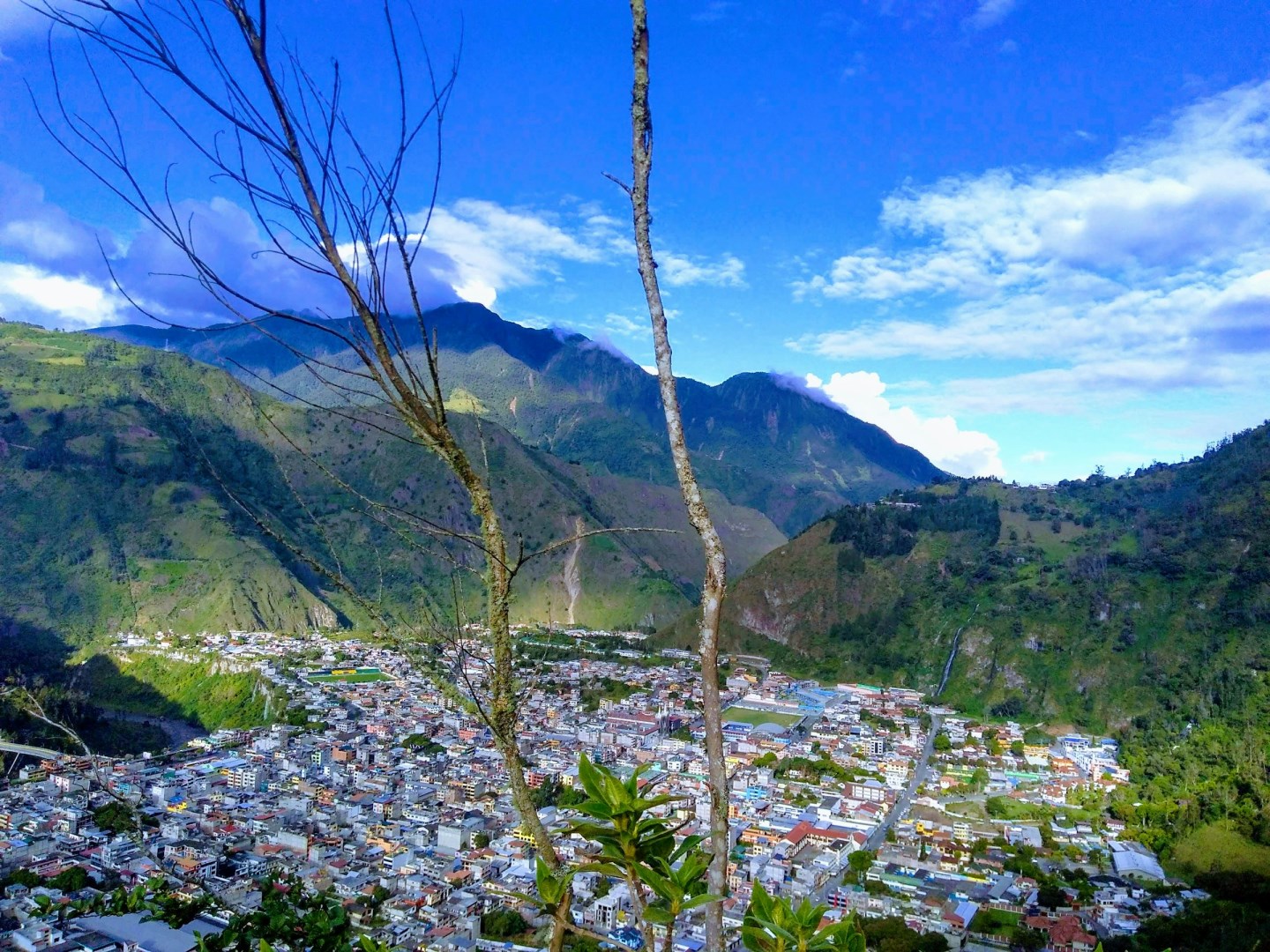
Baños de Agua Santa
Baños de Agua Santa is a small city in Ecuador's Tungurahua Province, set in a narrow valley on the eastern slopes of the Andes. The city sits beneath the active Tungurahua volcano and is surrounded by steep, green mountains, waterfalls, and forested hills. Its full name refers to the thermal springs that have long been associated with the town. Baños also marks a transition between the high Andes and the warmer Amazon basin, giving the surrounding landscape a mixture of mountain and subtropical
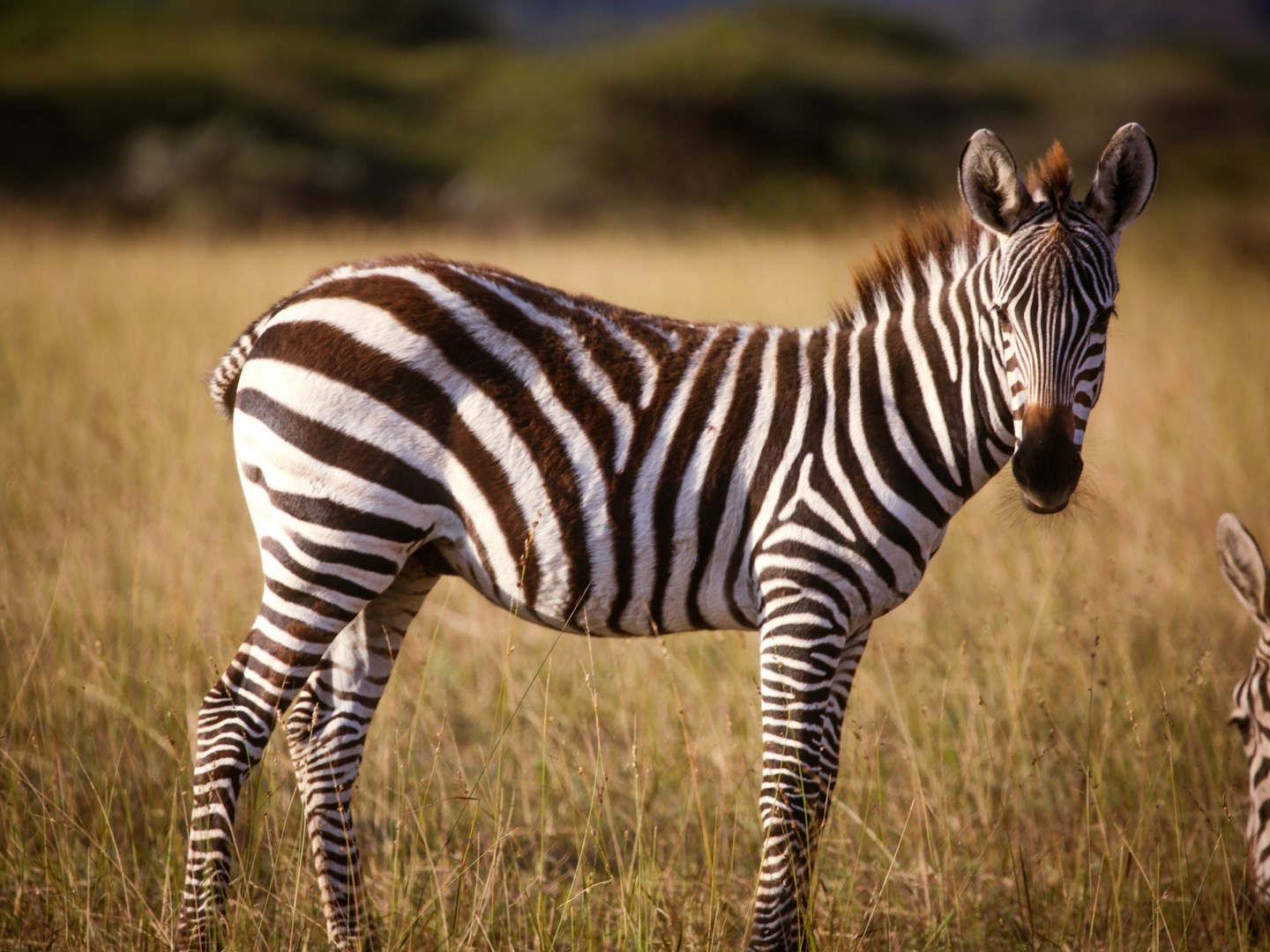
Chyulu Hills National Park
Chyulu Hills National Park lies in southeastern Kenya between Amboseli and Tsavo, forming a long range of volcanic hills covered by grassland, shrubland, and patches of montane forest. The hills rise from the surrounding plains and are shaped by relatively recent volcanic activity, with lava flows, cones, caves, and other geological features visible across the landscape.

Guatemala
Guatemala is a country where ancient history and living tradition meet in unexpected ways. The ruins of Tikal, once a major center of the Maya civilization, rise from the dense Petén jungle. Visitors can climb stone temples that pierce the forest canopy and listen for howler monkeys echoing through the trees. Tikal National Park, a UNESCO World Heritage Site, contains over 3,000 structures and still holds secrets under layers of earth and vegetation.

New York City
New York City is a city that pulses with movement, sound, and stories at every corner. Whether it's the echo of footsteps under Grand Central Terminal’s iconic ceiling or the quiet shuffle of chess pieces in Washington Square Park, every detail is part of a larger rhythm. New York’s cultural offerings are unmatched in scope. A single day could include a visit to the Museum of Modern Art, a Broadway matinee, and live jazz at an underground club in the Village.
