

Luján de Cuyo
Luján de Cuyo is a municipality in Mendoza Province, Argentina, located southwest of the city of Mendoza at the edge of the Andes. The area is closely associated with vineyards, irrigation channels, mountain foothills, and districts such as Chacras de Coria, Vistalba, Agrelo, and Cacheuta.
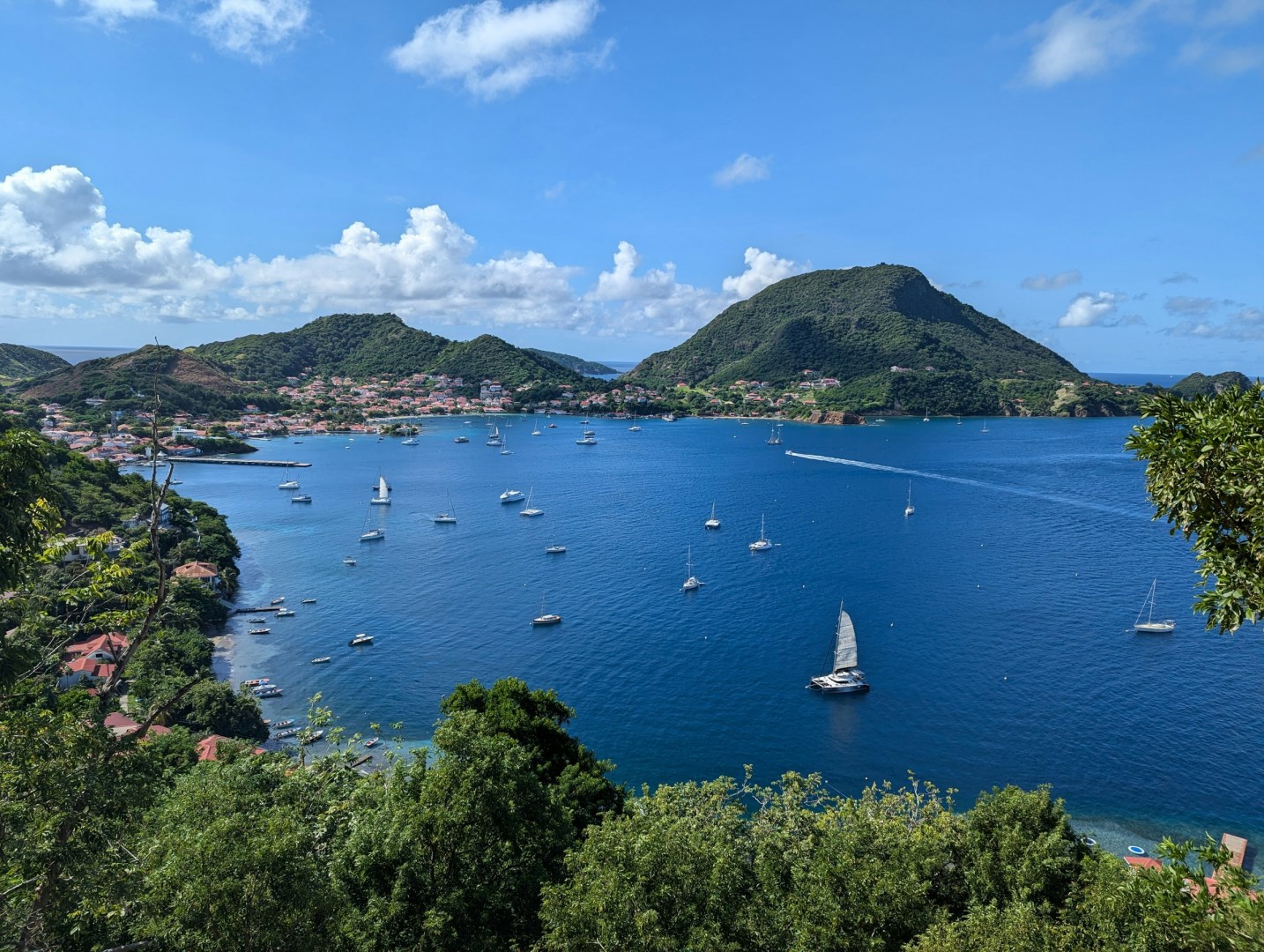
Îles des Saintes
Les Saintes (also known as Iles des Saintes) are perfect for the kind of traveler who relishes unspoiled tropical beauty and the serenity that comes from doing next to nothing on a vacation, but doing it à la française.
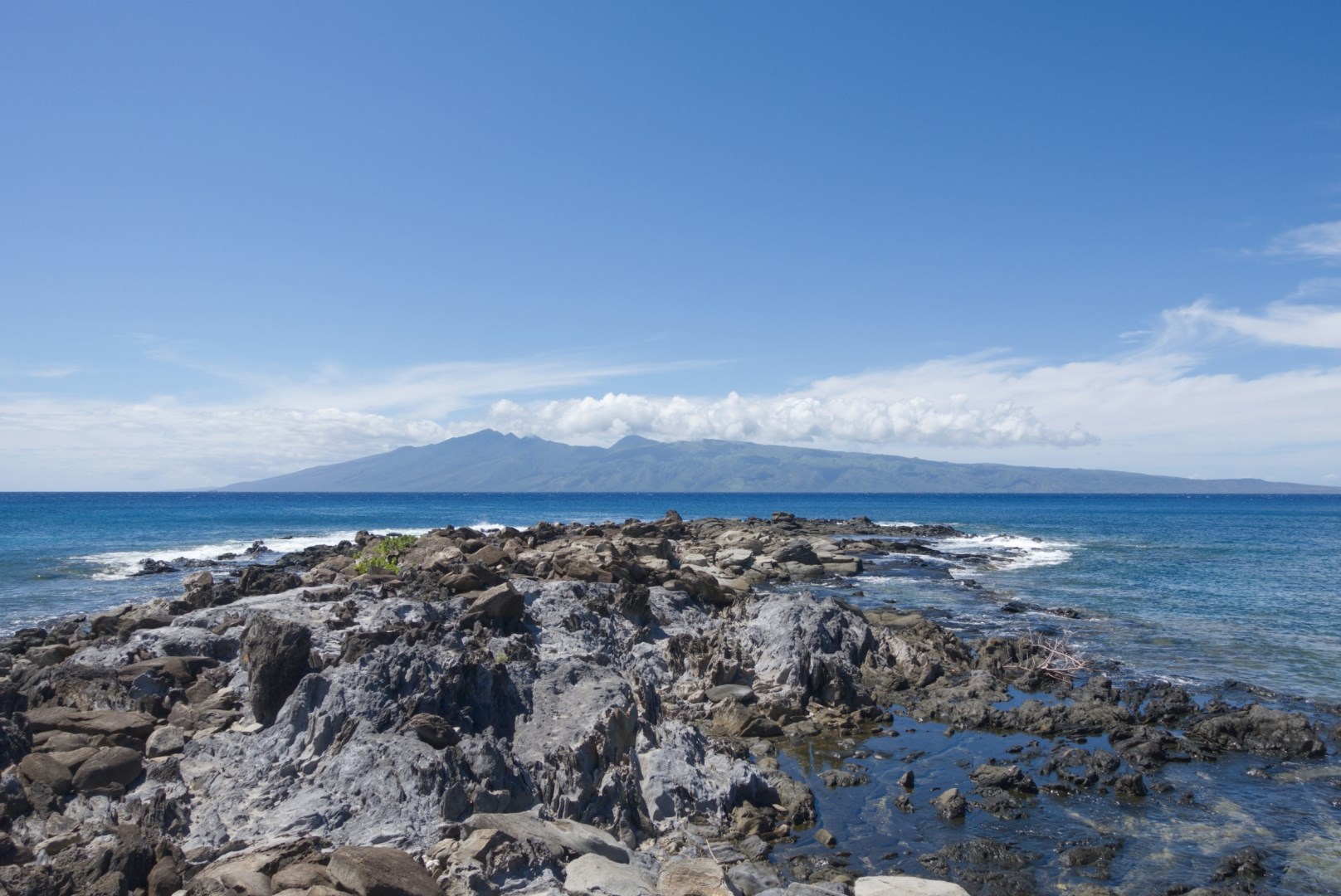
Molokai Island
Molokai, island, in Kalawao County, administered by Maui County, central Hawaii, between Oahu and Maui islands, known as the Friendly Island. On the southern coast of Molokai is the port of Kaunakakai. The island rises to 1512 m (4961 ft) in the east at Kamakou Peak. Pineapples, coffee, and cattle are raised. In 1873Father Damien, the Belgian Roman Catholic missionary, began his work in the leper colony of Kalawao on the Kalaupapa Peninsula of northern Molokai.

Tauranga
Tauranga, New Zealand, lies southeast of Auckland and is an adventure-lover's paradise. Originally settled by the Māori peoples, this vibrant city is a popular destination for hiking, kayaking, biking, golfing, and everything active. Hike up Mount Maunganui for stunning panoramic views of the city below, then hit nearby Mount Maunganui Beach to soak up the sun or play in the sand.
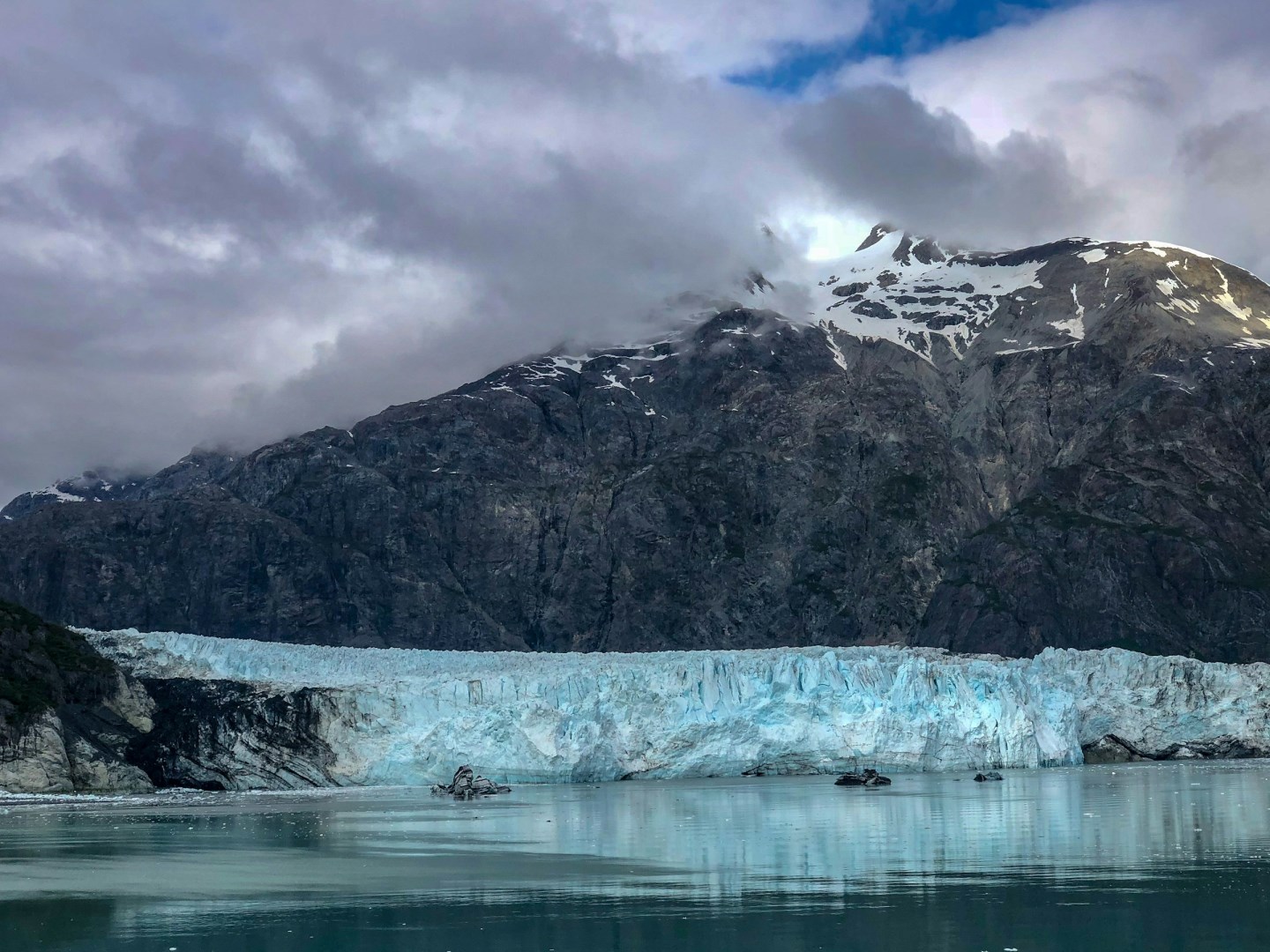
Gustavus
Located in Glacier Bay, Alaska, Gustavus is the only town in this beautiful Wilderness Area.Several lodges are located in the area.
