

Yangon
Yangon, Myanmar’s largest city, blends colonial heritage, cultural diversity, and spiritual landmarks. Once the country’s capital, it remains the economic and cultural hub, with lively markets, tree-lined avenues, and historic buildings that reflect its layered past under British, Burmese, and regional influences.

Assisi
Assisi, Italy, is a city where history and spirituality intertwine, creating an atmosphere that is both serene and awe-inspiring. Perched on the slopes of Mount Subasio in the Umbria region, Assisi is best known as the birthplace of St. Francis, one of the most beloved saints in Christianity. The city is a pilgrimage site for those seeking to walk in the footsteps of St. Francis, with the majestic Basilica of San Francesco d'Assisi standing as a testament to his enduring legacy. This UNESCO Worl
Orvieto
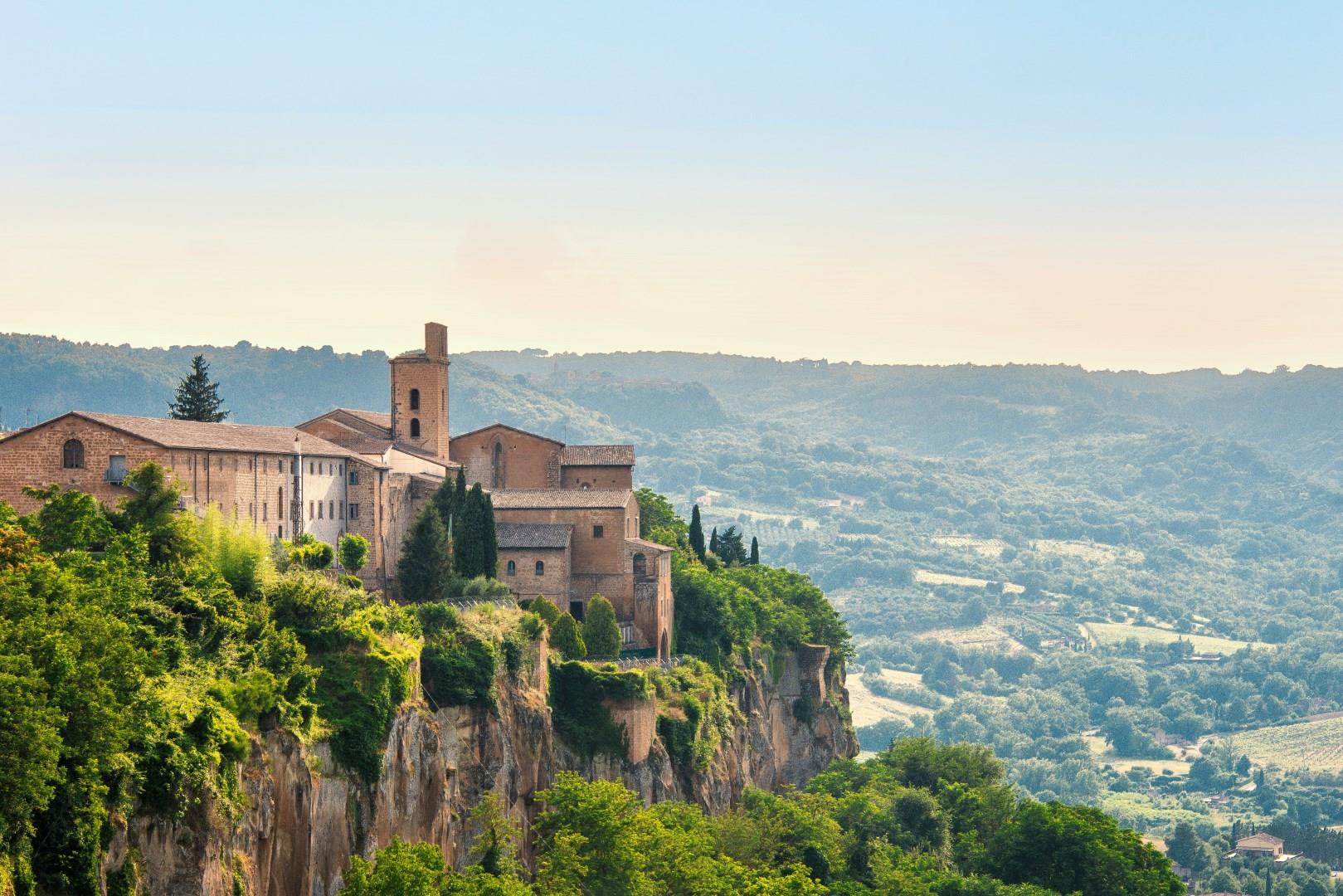
Orvieto, perched atop a volcanic tuff cliff in Umbria, Italy, is a town that effortlessly combines history, art, and striking landscapes. Its dramatic position overlooking the surrounding countryside immediately captures attention.
A Coruna
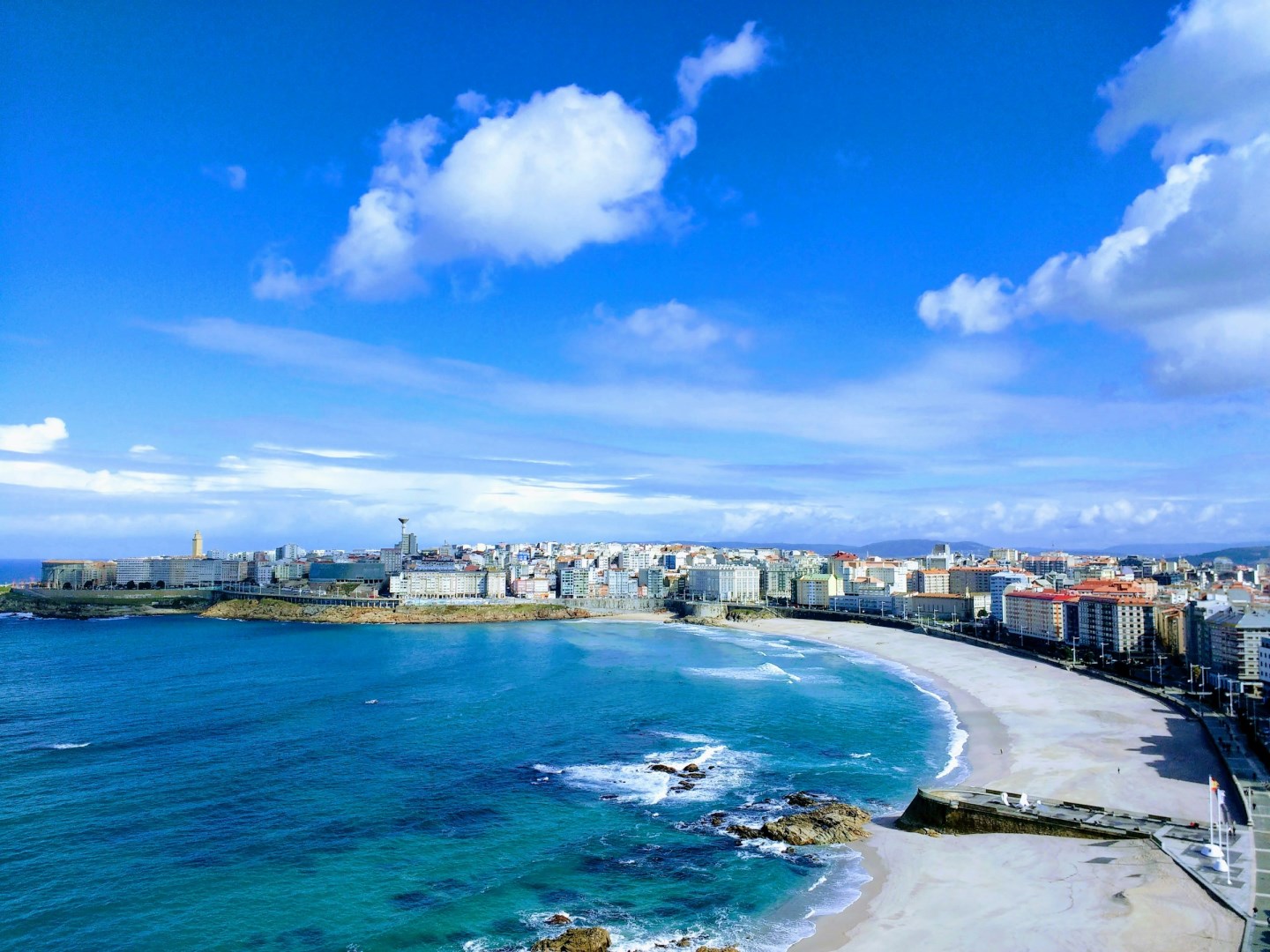
Perched on the northern coast of Spain, A Coruña (or La Coruña) is a captivating city with a rich maritime heritage and scenic beauty. Dominated by its iconic lighthouse, the Torre de Hércules, which is the oldest functioning lighthouse in the world, A Coruña offers a unique glimpse into ancient engineering.
Liberia
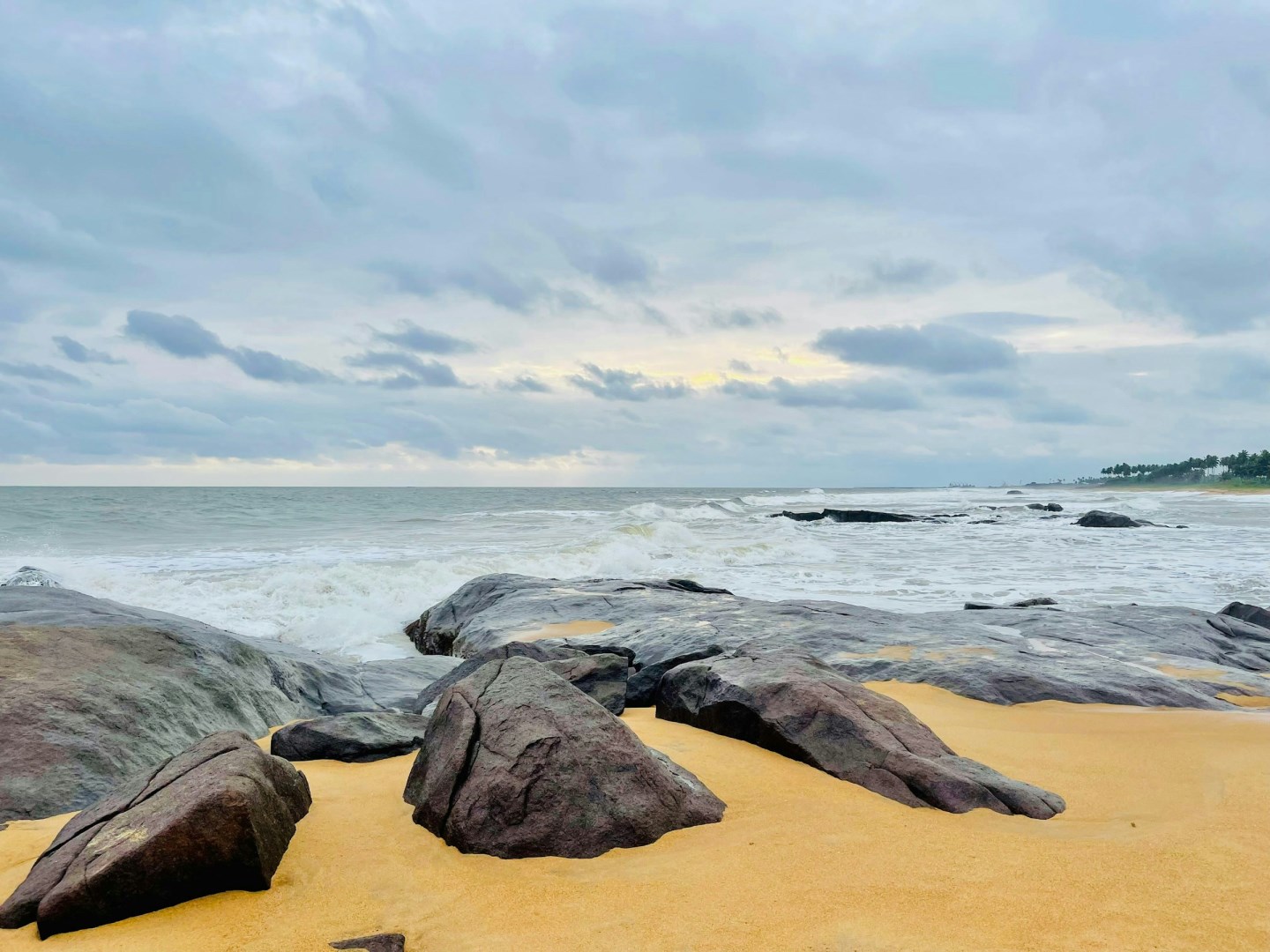
Liberia, republic in western Africa, bounded on the north by Sierra Leone and Guinea, on the east by Côte d'Ivoire, and on the south and west by the Atlantic Ocean. Liberia has an area of 99,067 sq. km (38,250 sq. mi.). Liberia was founded in the early 1800s by freed American slaves. Monrovia is the capital and largest city.
