
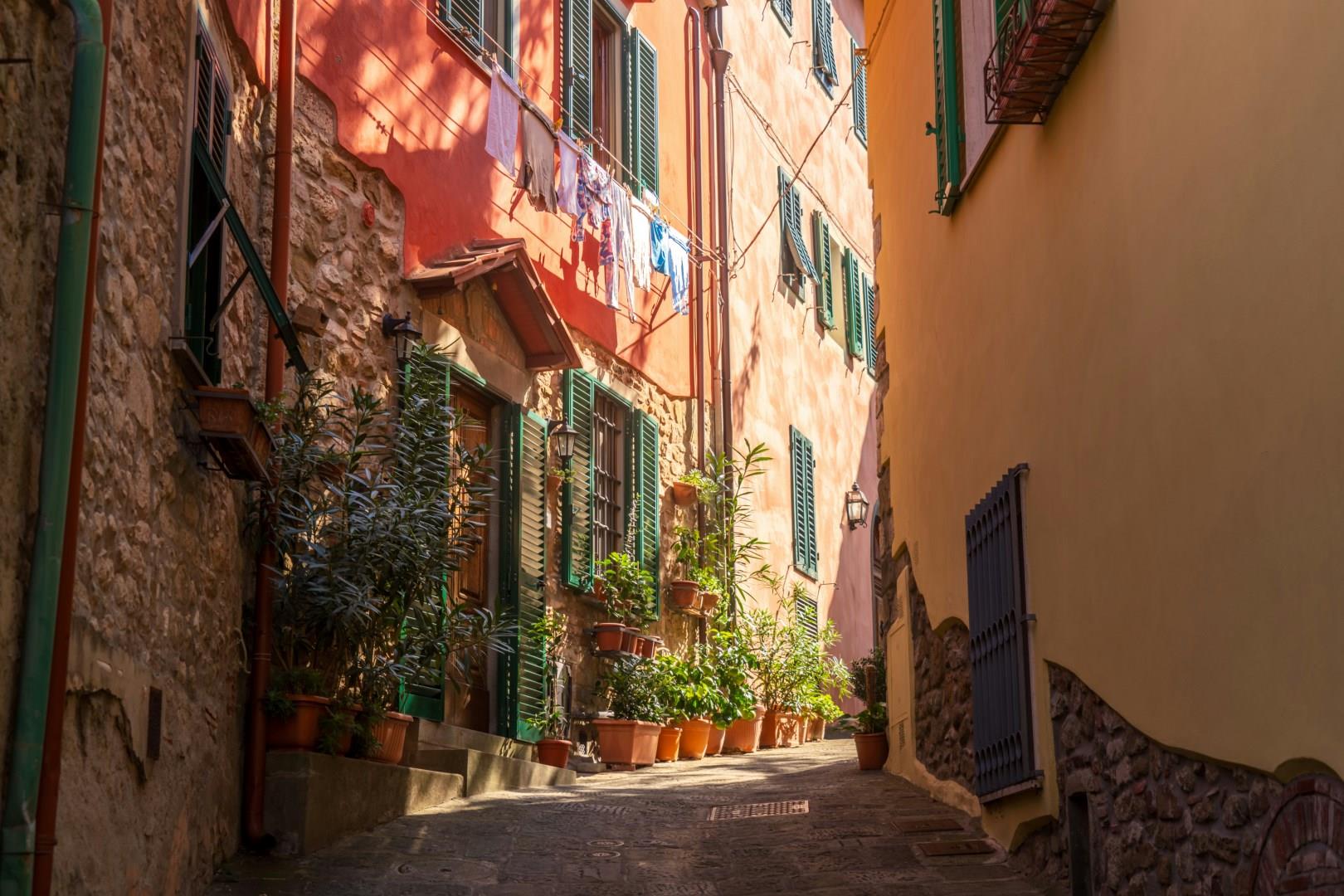
Taupō, located in the heart of New Zealand’s North Island, is built along the shores of Lake Taupō, which is the largest freshwater lake in Australasia, formed nearly two thousand years ago by a massive volcanic eruption. That eruption was so powerful, it was recorded in ancient Chinese and Roman texts, even though it occurred halfway across the world. Today, the lake is calm, clear, and central to life in the region, offering everything from trout fishing to kayaking and lakeside cycling.
Sudan, located in northeastern Africa, is a country of diverse landscapes, from the vast Sahara Desert in the north to the fertile Nile Valley in the center. The Nile River, one of the world’s longest, runs through the country, shaping both its agriculture and history.
St. Moritz, located in Switzerland’s Engadin Valley, has been attracting visitors for over 150 years, long before the term "alpine resort" became common. It was here in 1864 that winter tourism was born, when a hotelier made a wager with British guests that they would enjoy the snow just as much as the summer sun. They returned, and the rest is history. The town has since hosted the Winter Olympics twice (in 1928 and 1948) and remains a favorite for skiing, snowboarding, and ice sports.
Qatar invites discovery through both its modern ambition and traces of its desert heritage. In Doha, the Museum of Islamic Art, designed by I. M. Pei, rises over the waterfront to display centuries of calligraphy, ceramics, textiles, and metalwork. Nearby, the National Museum of Qatar presents the nation's story through exhibits and architecture shaped like the desert rose. Each space offers both insight and reflection.
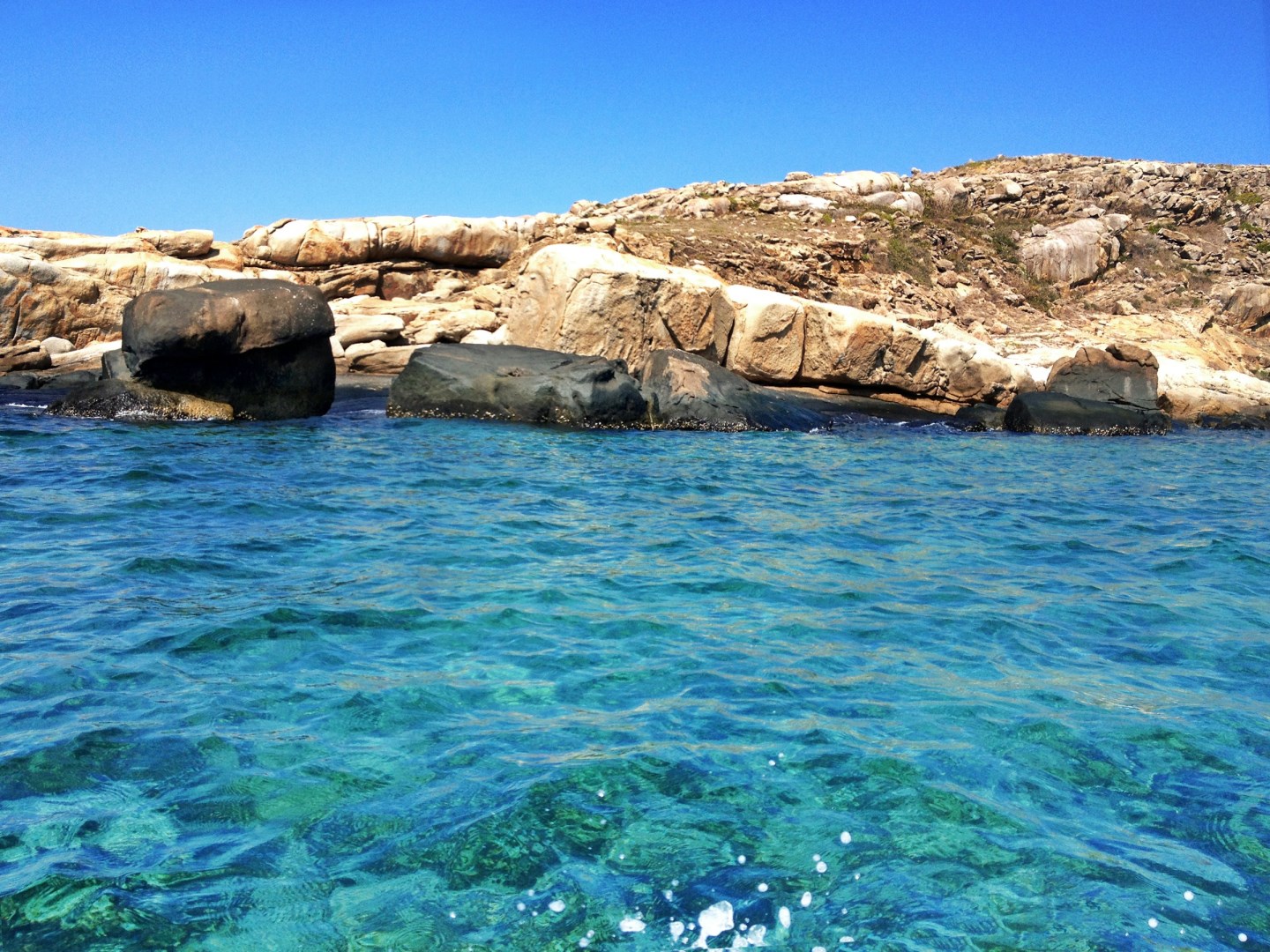
Motril, Spain, is located near the Guadalfeo River on the Mediterranean coast in the province of Granada. Sugar cane refineries form the backbone of Motril's economy, though tourism is also an essential industry.
Perched on the northern coast of Spain, A Coruña (or La Coruña) is a captivating city with a rich maritime heritage and scenic beauty. Dominated by its iconic lighthouse, the Torre de Hércules, which is the oldest functioning lighthouse in the world, A Coruña offers a unique glimpse into ancient engineering. The Torre de Hércules, a UNESCO World Heritage Site, stands as a beacon of the city's historical and cultural significance source.
A Coruña's charm extends to its bustling Old Town, where you can wander through picturesque streets lined with colorful Galician buildings and traditional tapas bars. The Plaza de María Pita, named after the local heroine who defended the city from English invaders, serves as the heart of the city’s social life and features impressive architectural landmarks like the City Hall source. Don’t miss a stroll along the scenic promenade that encircles the city, offering panoramic views of the Atlantic Ocean and the rugged coastline source.
For nature enthusiasts, A Coruña provides easy access to the stunning beaches of Riazor and Orzán, ideal for sunbathing and water sports. The city is also a gateway to the lush green landscapes of Galicia, with numerous trails and parks such as the beautiful Monte de San Pedro, which offers spectacular views over the city and the sea source.
Slogan: "A Coruña: Where Ancient Legends Meet Atlantic Breezes."
Fun Fact: A Coruña is famous for its "meigas" or witches, a nod to the region’s rich folklore and magical traditions source.
Visiting A Coruña in the spring or early fall provides the best weather for exploring its outdoor attractions and enjoying its cultural events with fewer crowds.
Learn More About A Coruna
The Kooks
On 3/5/2026
The Kooks are an indie rock band from the UK known for catchy guitar-driven hits like "Naive" and "She Moves in Her Own Way." Their live sets are energetic and full of nostalgic 2000s alt-rock vibes.
