
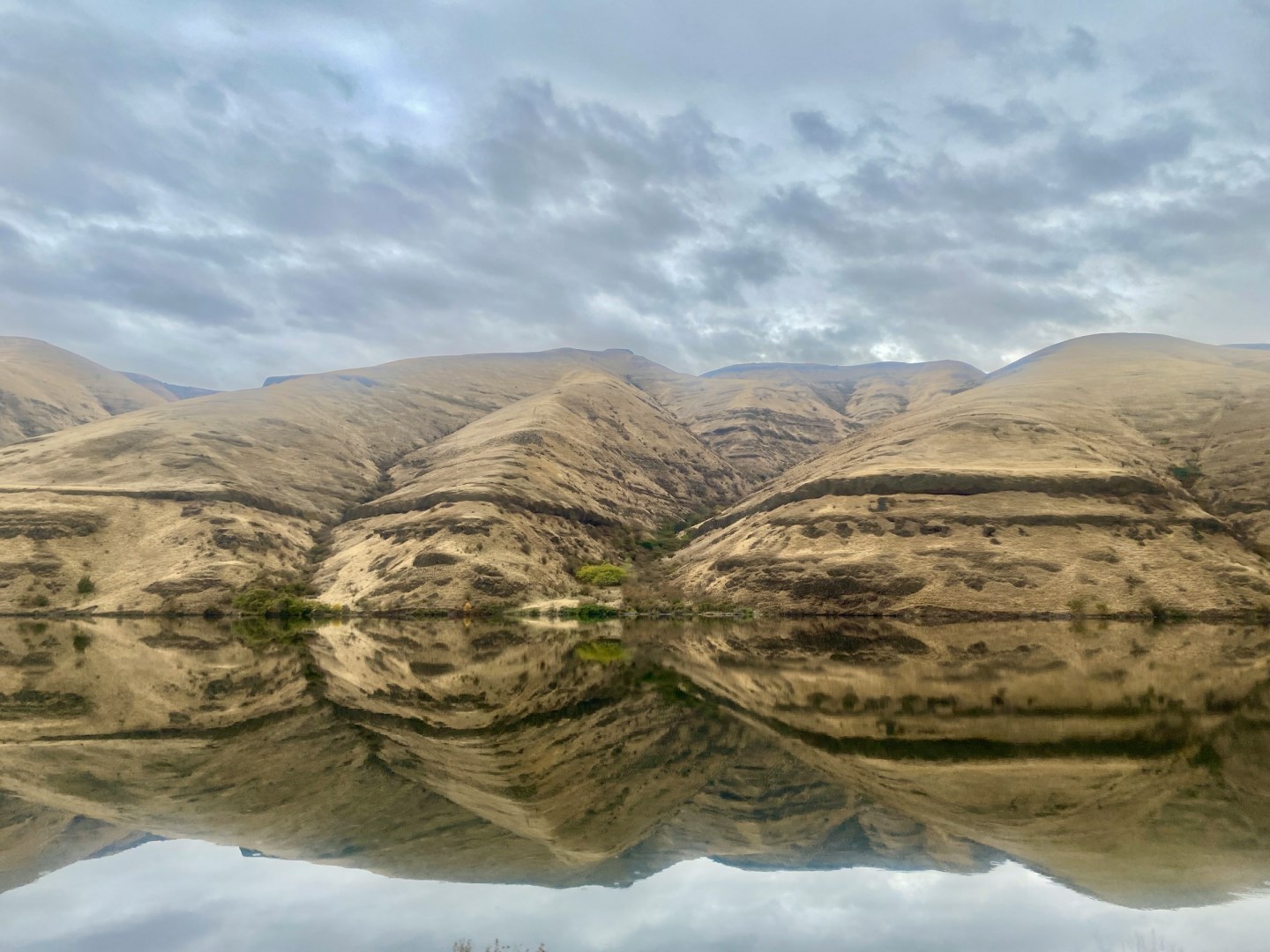
Clarkston
Lewiston and Clarkston are located at the confluence of the Snake and Clearwater Rivers at an elevation of 738 feet above sea level. The valley is rather narrow with a range of hills to the North sloping abruptly to about 2,000 feet above the valley floor.

San Diego
A perfect climate, a famous zoo and a relaxed SoCal vibe await visitors to San Diego. Those lucky enough to find themselves here enjoy exceptional Mexican food, oceanside walks, art galleries and exciting nightlife in the Gaslamp Quarter.
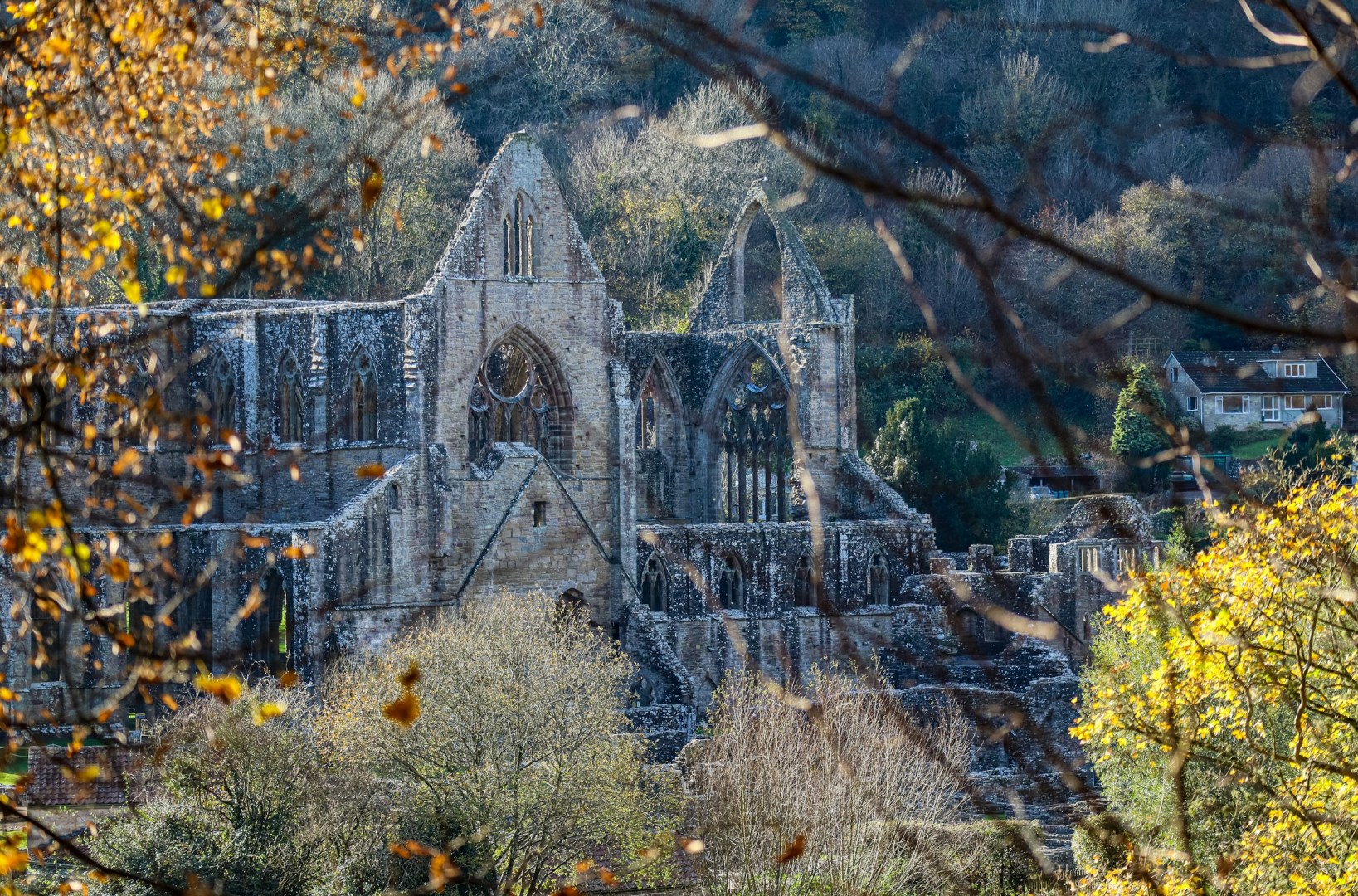
Tintern
Tintern, a picturesque village in Monmouthshire, Wales, is nestled in the heart of the scenic Wye Valley. This charming destination is renowned for the atmospheric ruins of Tintern Abbey, a 12th-century Cistercian monastery that has inspired poets like William Wordsworth and artists such as J.M.W. Turner. Visitors are often captivated by the abbey's majestic presence and the serene beauty of its surroundings.
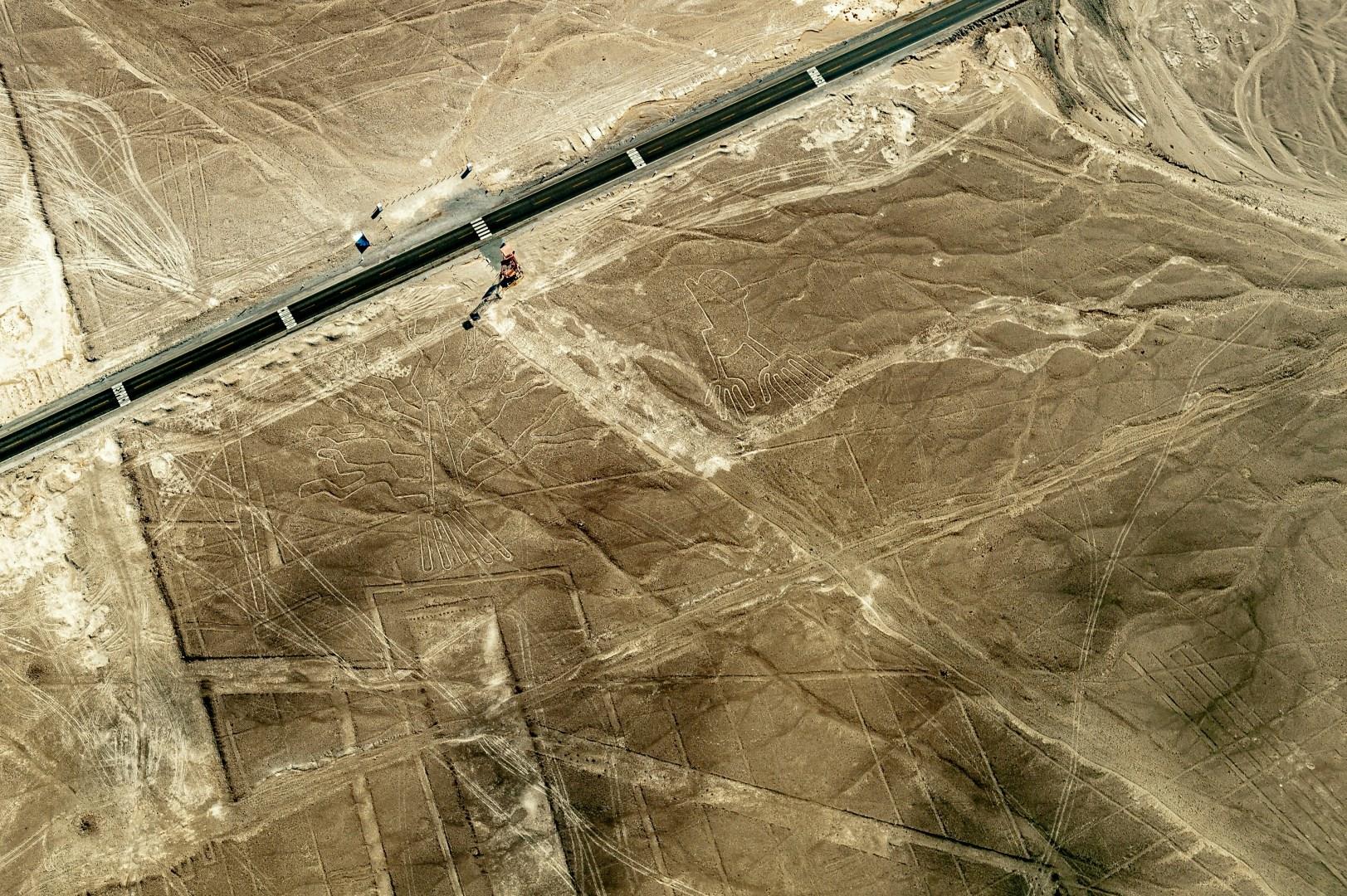
Nazca
In the southern deserts of Peru, Nazca invites visitors to look beyond the horizon. This small city is world-famous for the mysterious Nazca Lines, enormous geoglyphs etched into the desert floor more than 1,500 years ago. From the air, shapes like hummingbirds, monkeys, and even a stylized astronaut come into view, some stretching over 300 meters. Their exact purpose remains a mystery, fueling decades of theories.
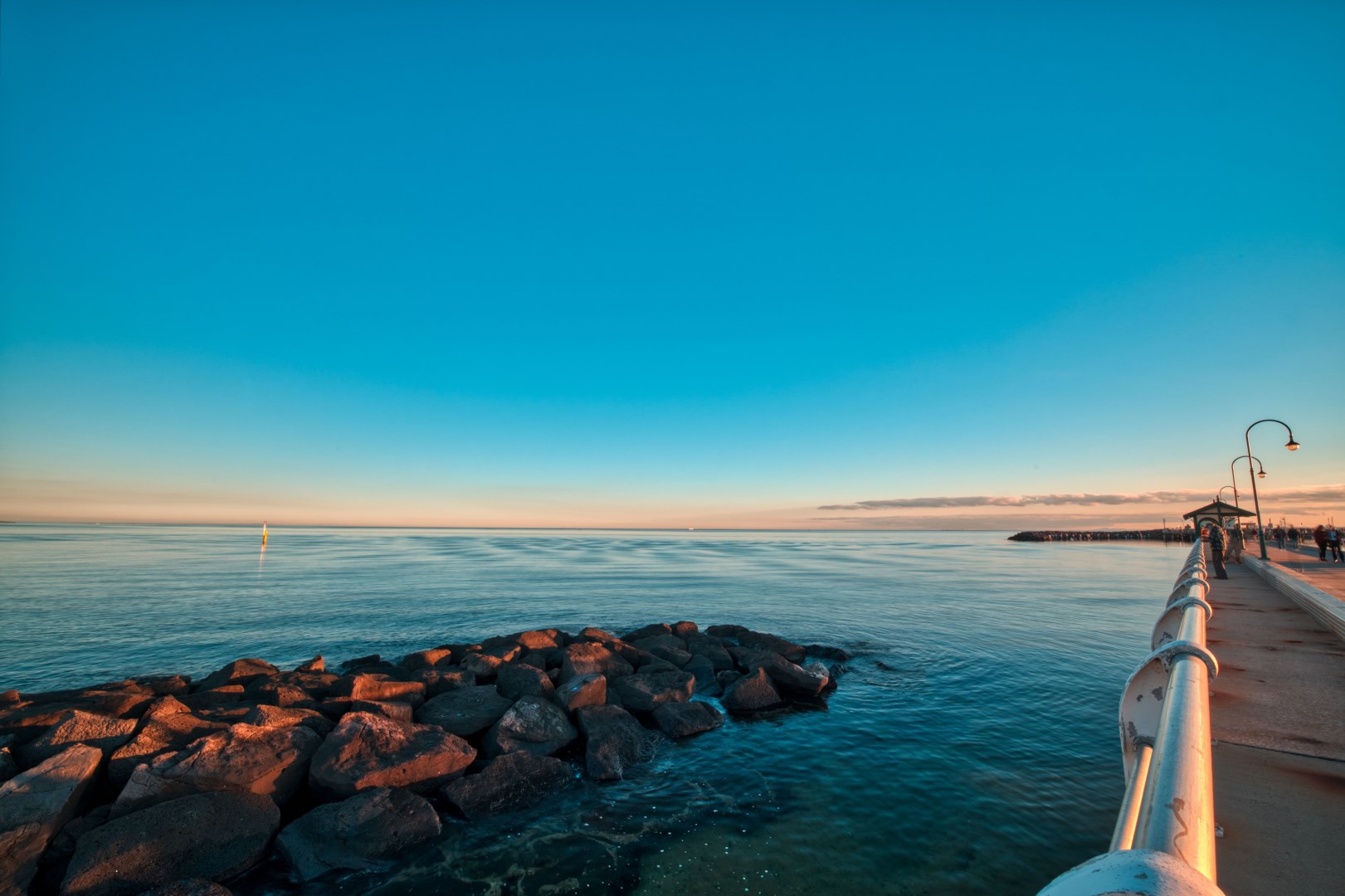
St. Kilda
Set along the shoreline of St Kilda, Victoria, Australia, this seaside suburb offers a relaxed coastal setting just minutes from central Melbourne, Victoria, Australia. Its wide promenade, lined with palm trees, draws both locals and visitors who come to walk, cycle, or simply watch the bay. The historic St Kilda Pier stretches into the water, offering open views of Port Phillip Bay and a steady breeze that carries the scent of salt and sea.
