
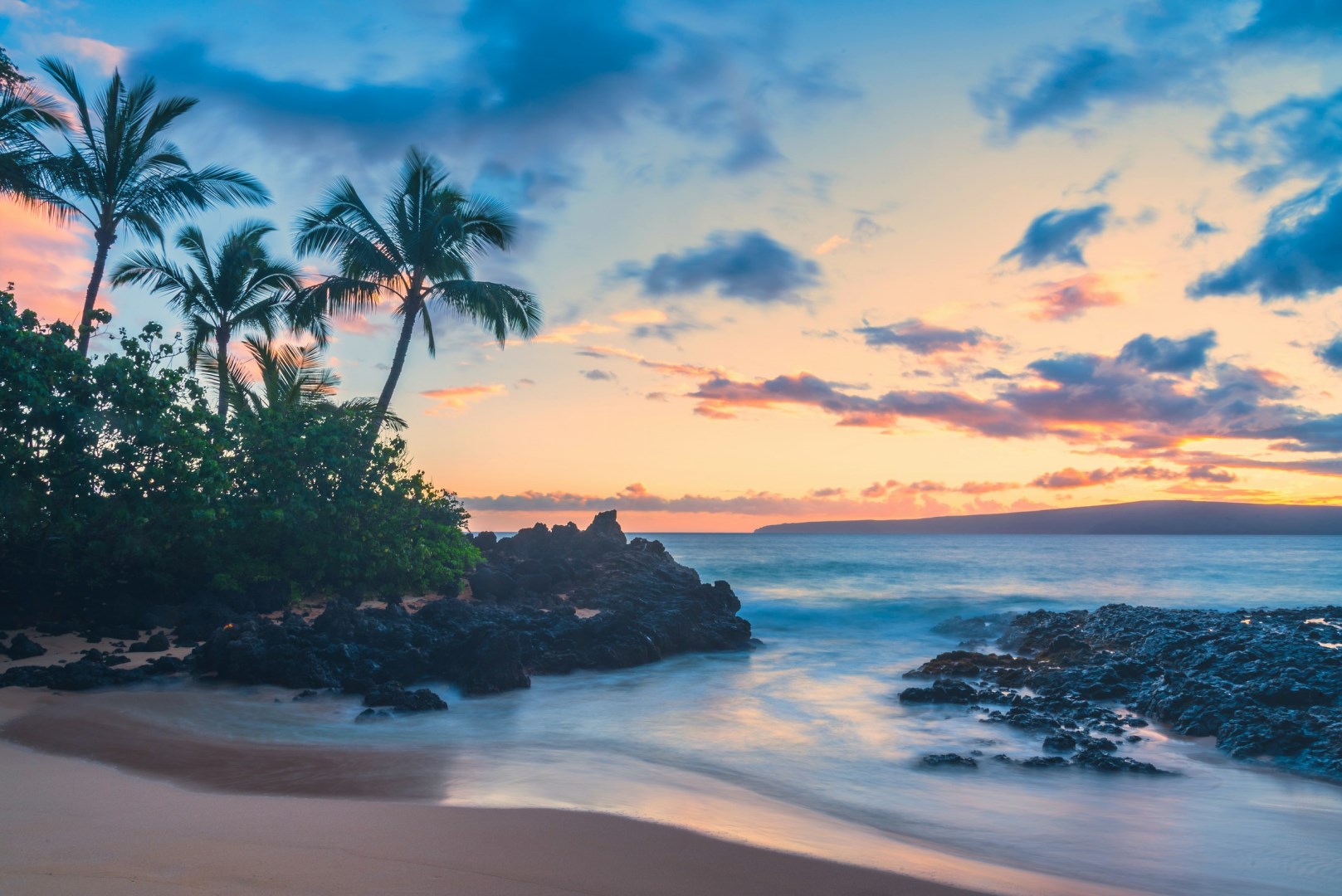
Kihei, Maui
Kihei was once a favored destination for Hawaiian royalty! With scenery like this, you can easily see why. Whether you choose to spend your days snorkeling, paddle boarding or watching for humpbacked whale breaches, or even just sitting on the beach enjoying stunning views, Kihei is sure to leave you enchanted.
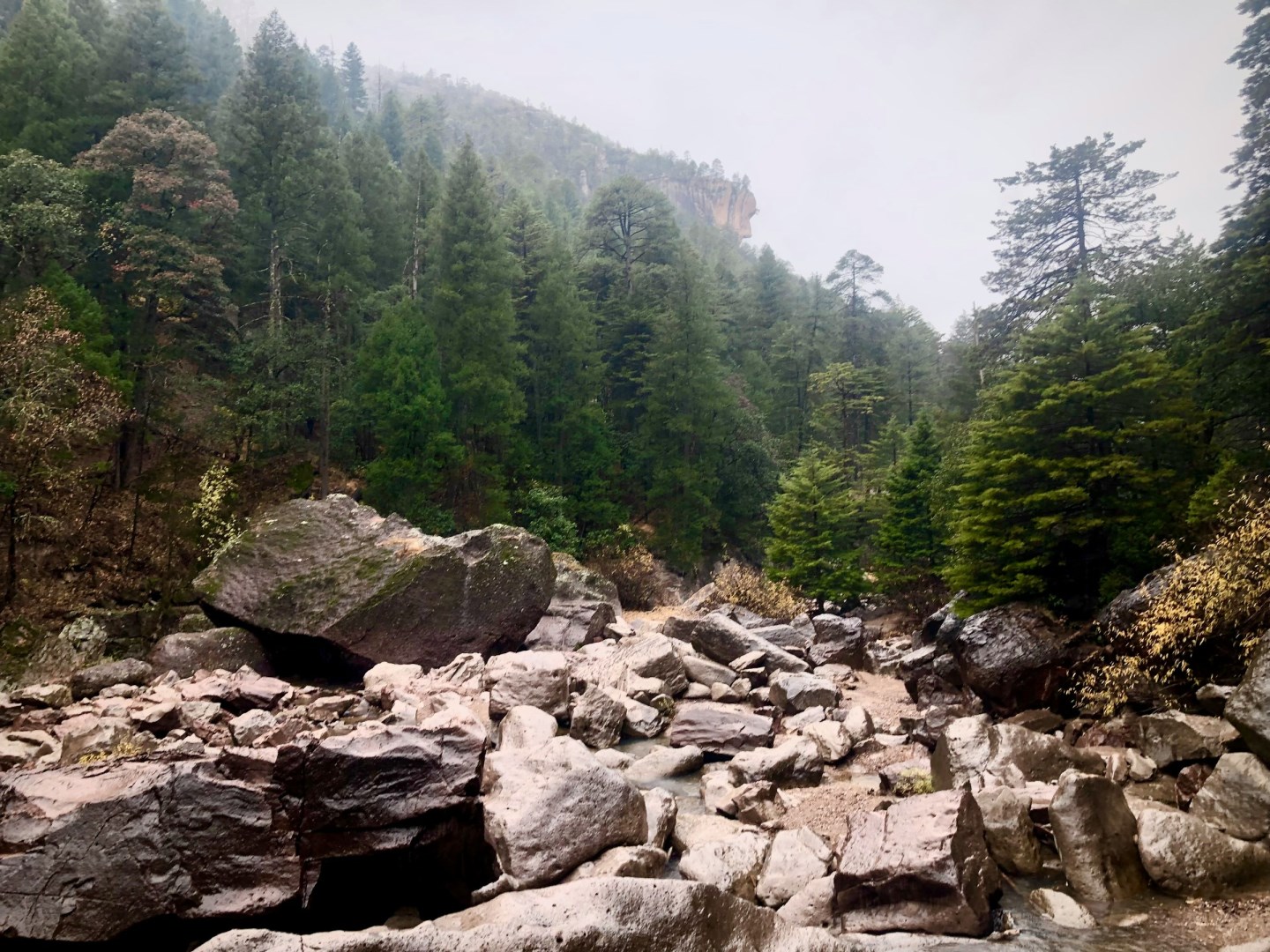
Copper Canyon
Copper Canyon is actually not a single canyon, but rather a series of more than 20 canyons running through the northern region of Mexico. The canyon covers over 20,000 square miles and is four times larger than the Grand Canyon in the United States.
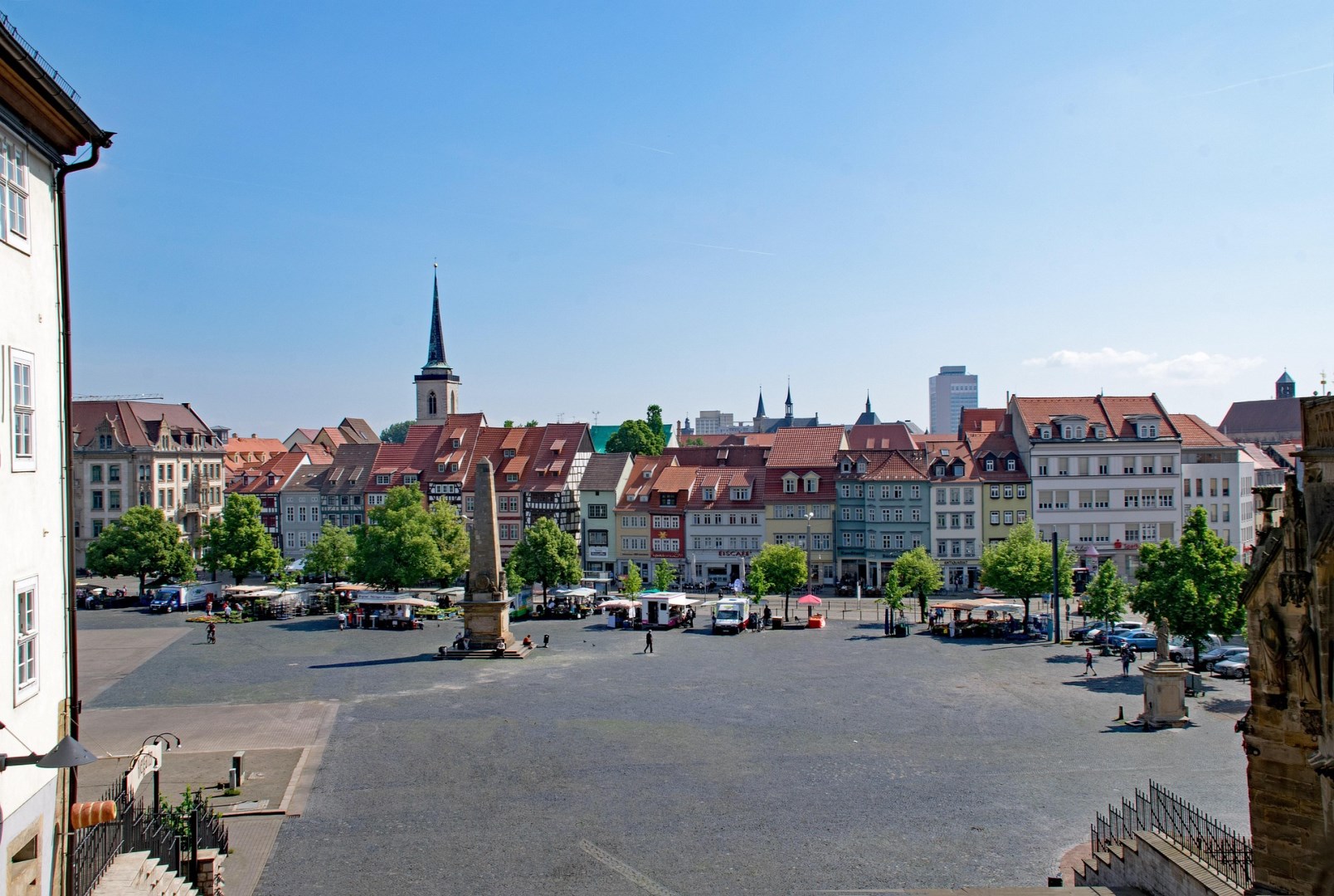
Erfurt
The skyline of Erfurt is shaped by dozens of churches, monasteries, and convents thrusting their pointed steeples upward to the sky. In the Middle Ages, Erfurt was known as "Thuringian Rome" because of its religious orders. The impressive twin churches on the Domberg (Cathedral Hill), the Roman Catholic St. Mary's Cathedral (14th century) and the Roman Catholic Parish church St. Severus with a flight of 70 outdoor steps leading from the Cathedral Square up the hill to the churches.
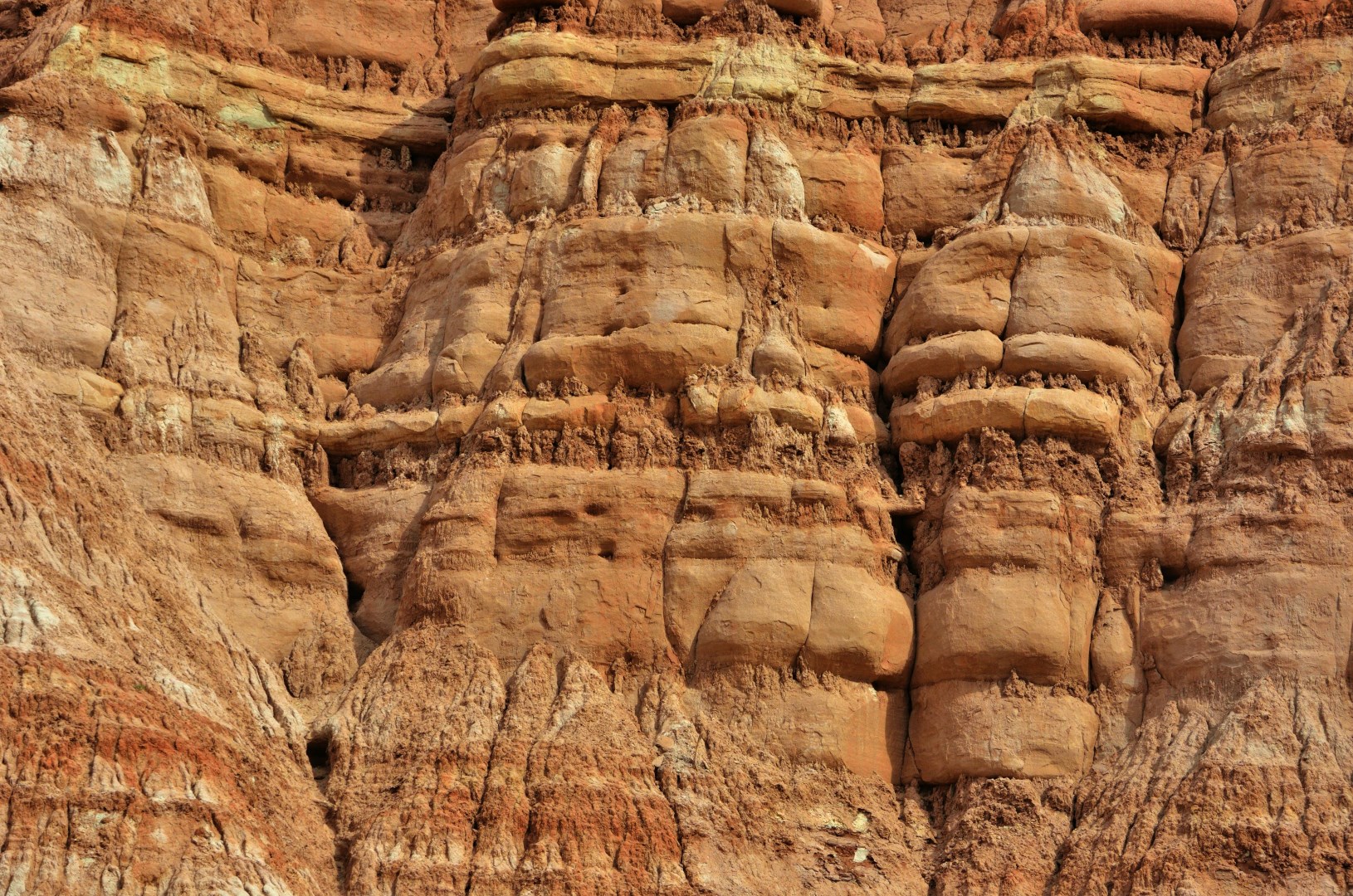
Grand Staircase-Escalante National Monument
Grand Staircase–Escalante National Monument stretches across southern Utah as a vast landscape of layered cliffs, winding canyons, and open desert plateaus. The land shifts in color from pale cream to deep red, depending on the angle of the sun, revealing rock layers that look like pages stacked over time. Much of the area feels remote, with long dirt roads like Hole-in-the-Rock Road leading travelers deep into quiet terrain where rock formations rise suddenly from flat ground.
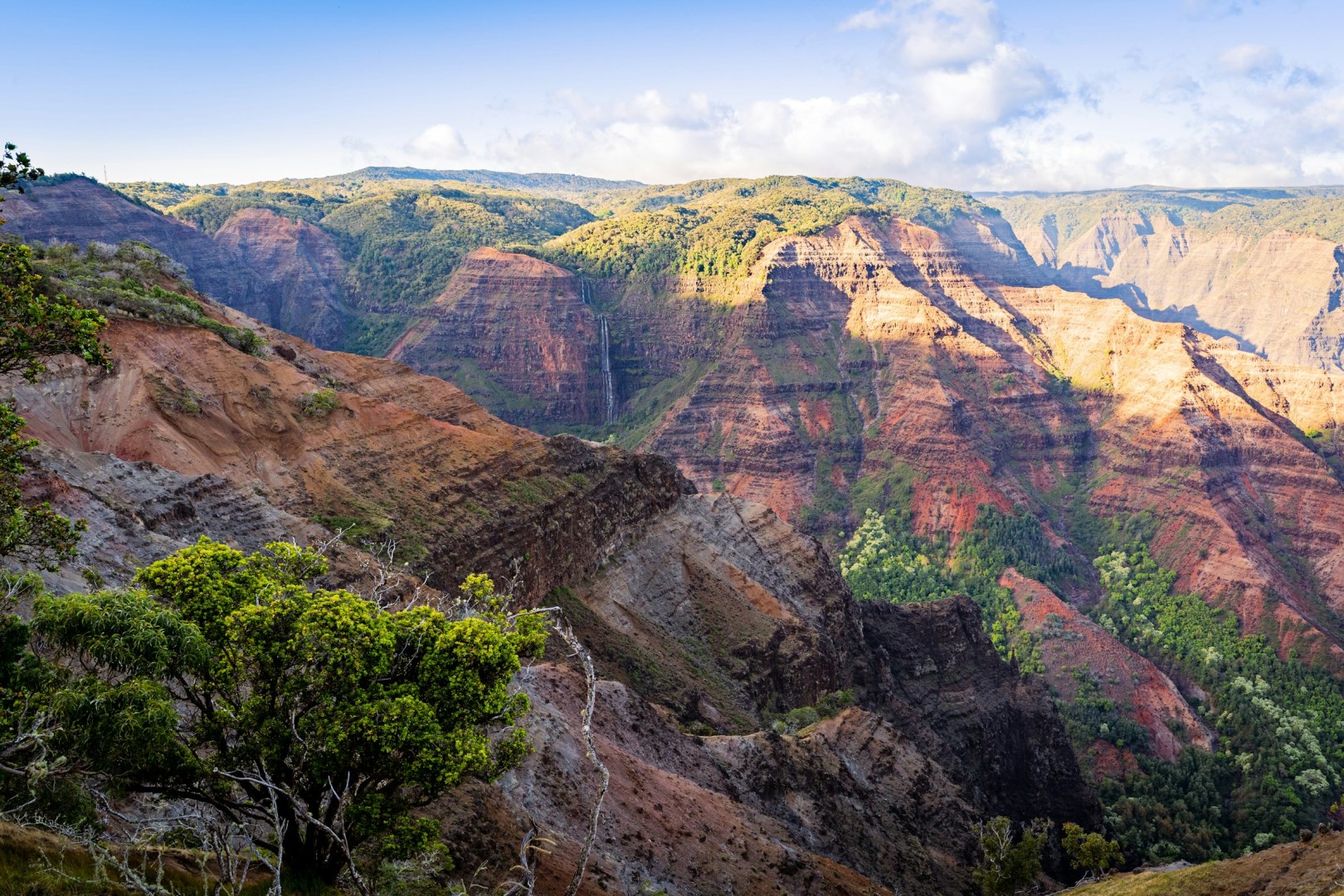
Waimea Canyon, Kauai
The Canyon valleys of the Waimea River and its tributary were once heavily populated, and the town was an early center of native government. It was here that Captain James Cook, English Navigator-Explorer, made his first landing in the Hawaiian Islands on January 20, 1778. Waimea developed as a provisioning port for whalers and sandalwood traders. A ruined Russian fort, built (1815) in a futile attempt to seize the isle, occupies a coastal bluff aboe the Waimea River. A rich sugar-plantation
