
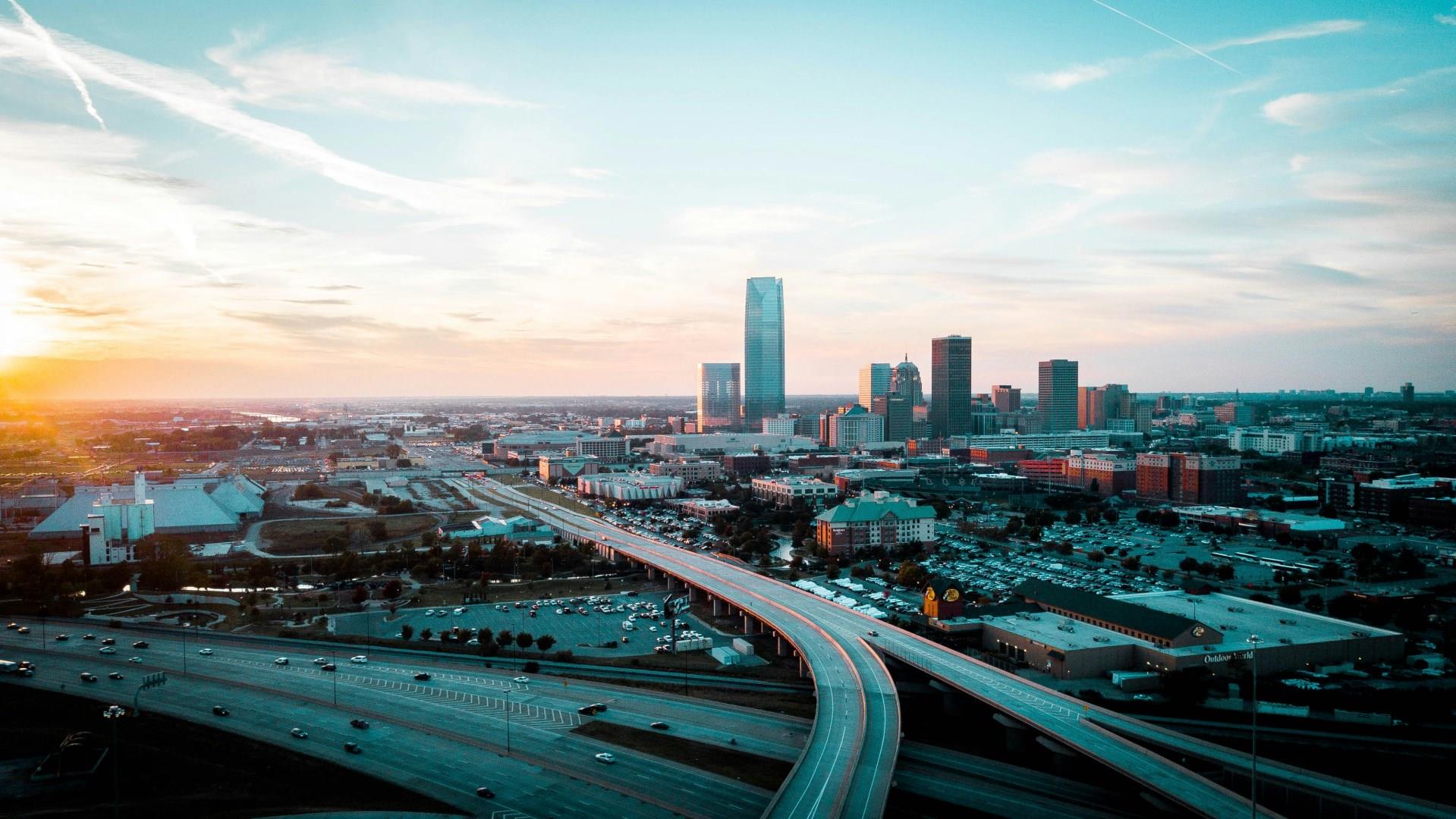
Oklahoma City
Oklahoma City stands at the crossroads of Western tradition and modern energy. It’s a place where cowboy boots walk into sleek coffee shops, and horse shows take place just a few miles from contemporary art galleries. A good starting point is the National Cowboy & Western Heritage Museum, home to one of the largest collections of Western art and artifacts in the world.
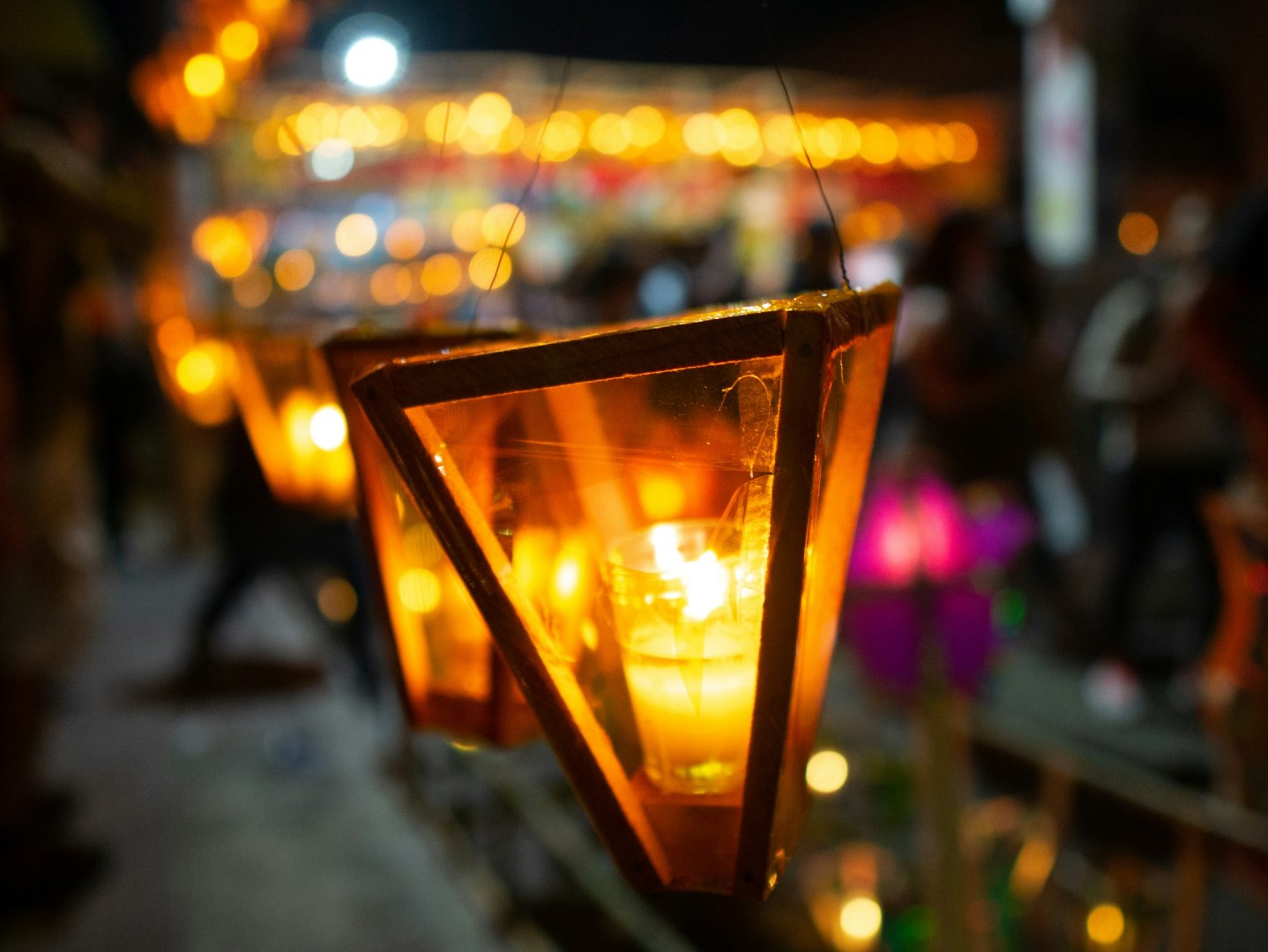
Ahuachapán
Ahuachapán is a city in western El Salvador and the capital of the department of the same name. It sits near the foothills of the Apaneca-Ilamatepec mountain range, an area known for highland coffee farms, volcanic landscapes, and the route connecting several towns along the Ruta de las Flores. The city itself has a historic center with traditional architecture, plazas, churches, and pedestrian areas.
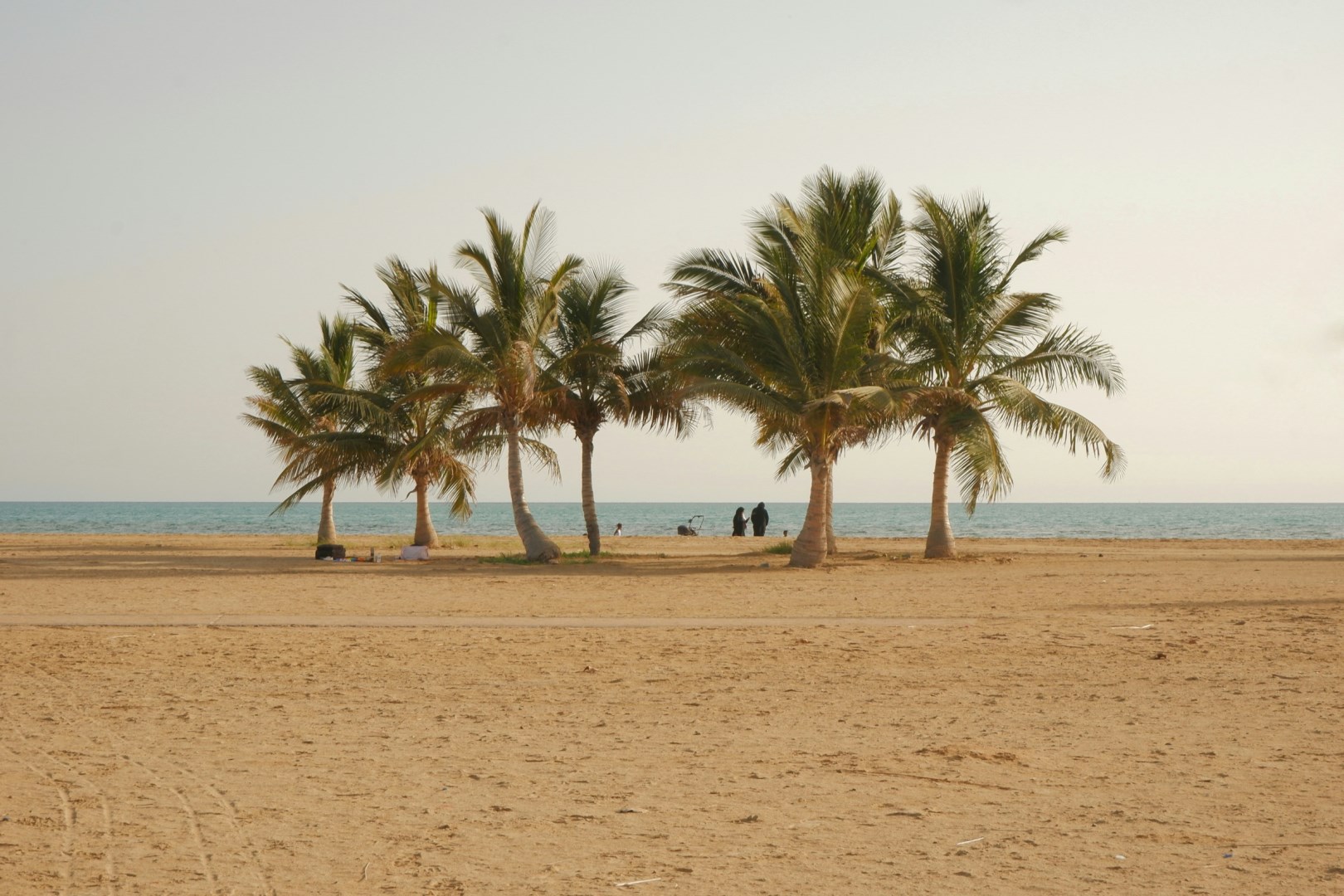
Yanbu
Yanbu, located on the Red Sea coast of Saudi Arabia, is a city where ancient history meets modern allure. As one of Saudi Arabia’s oldest port cities, Yanbu has a rich maritime heritage that is evident in its well-preserved historical sites. A visit to the Yanbu Historic Area reveals charming traditional architecture and the vibrant local culture.
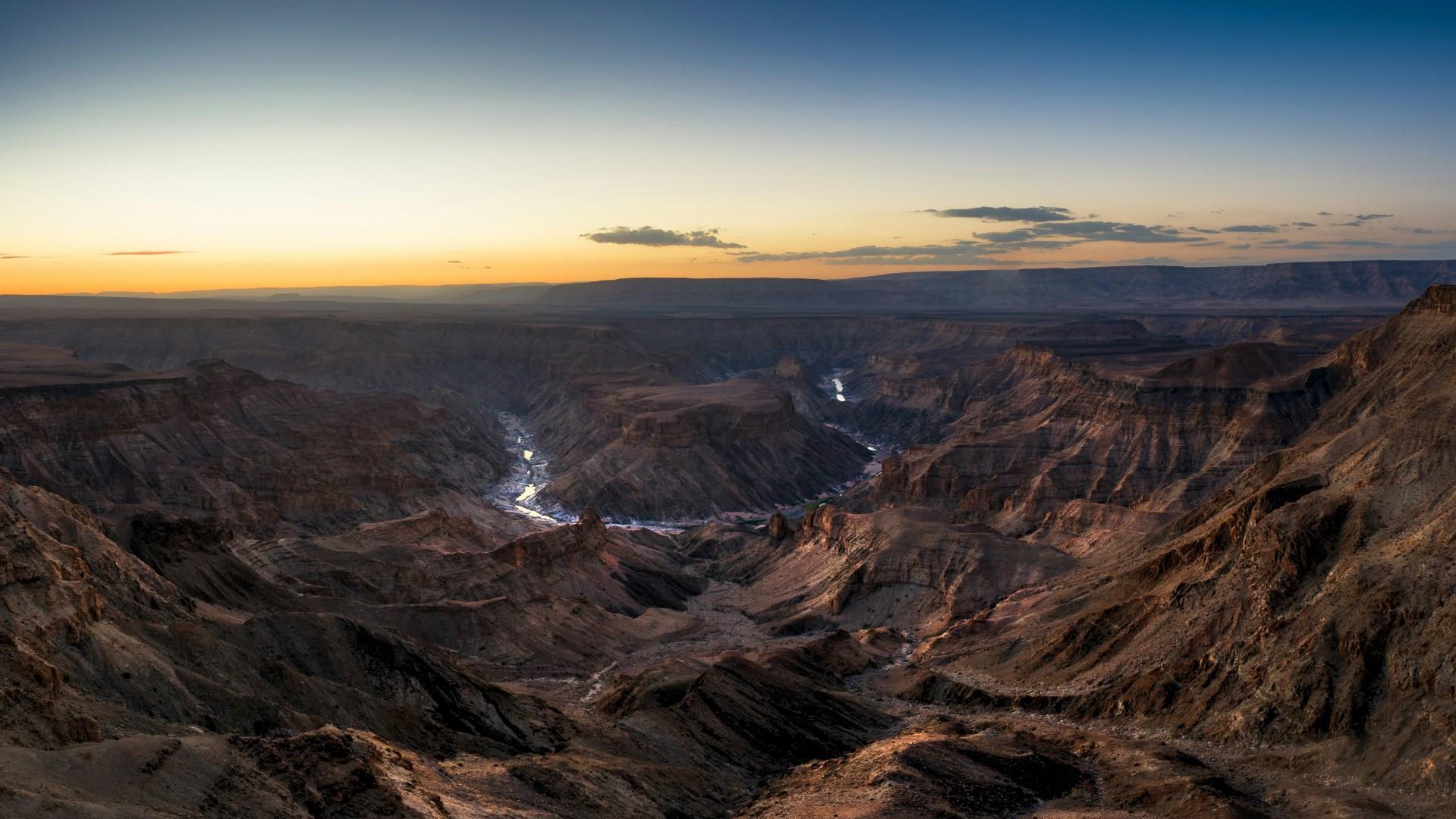
Fish River Canyon
The Fish River Canyon in southern Namibia is one of the planet’s most remarkable landforms, stretching across vast terrain in the Richtersveld Transfrontier Park. It is one of Africa’s largest canyons, carved over millions of years by the Fish River as it etched a deep, twisting gorge into the desert plateau. From high viewpoints like Hell’s Bend, visitors can see layers of rock dropping away to reveal ridges and ravines that seem to go on forever, all under wide, open skies.
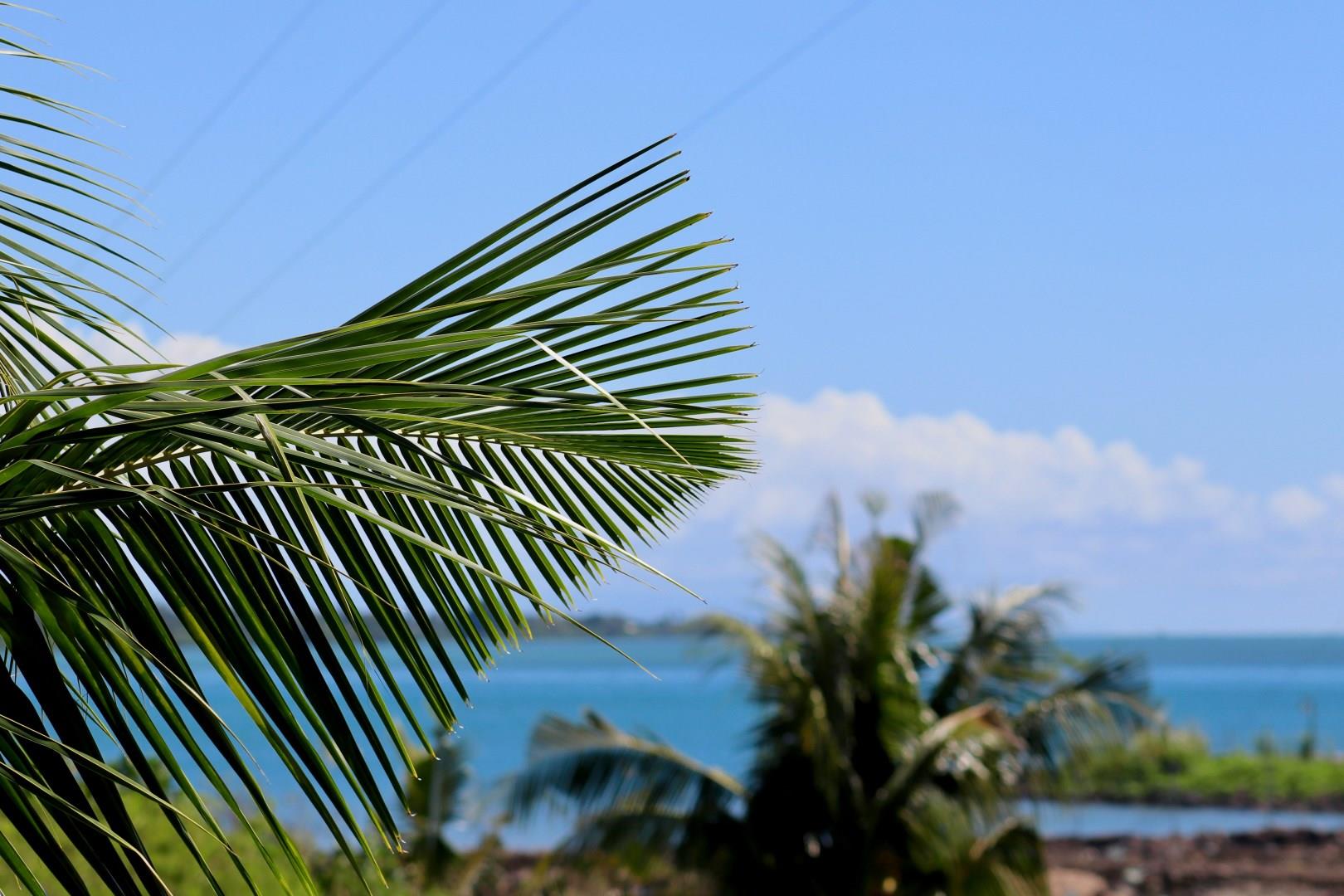
Apia
Apia, the lively capital of Samoa, sits on the north coast of Upolu island and blends the island’s rich traditions with a laid-back charm that’s hard to miss. Once a small village, Apia has grown into a central hub where local culture, commerce, and history meet. From bustling markets to quiet waterfronts, Apia offers visitors a chance to experience Samoa’s rhythm at their own pace.
