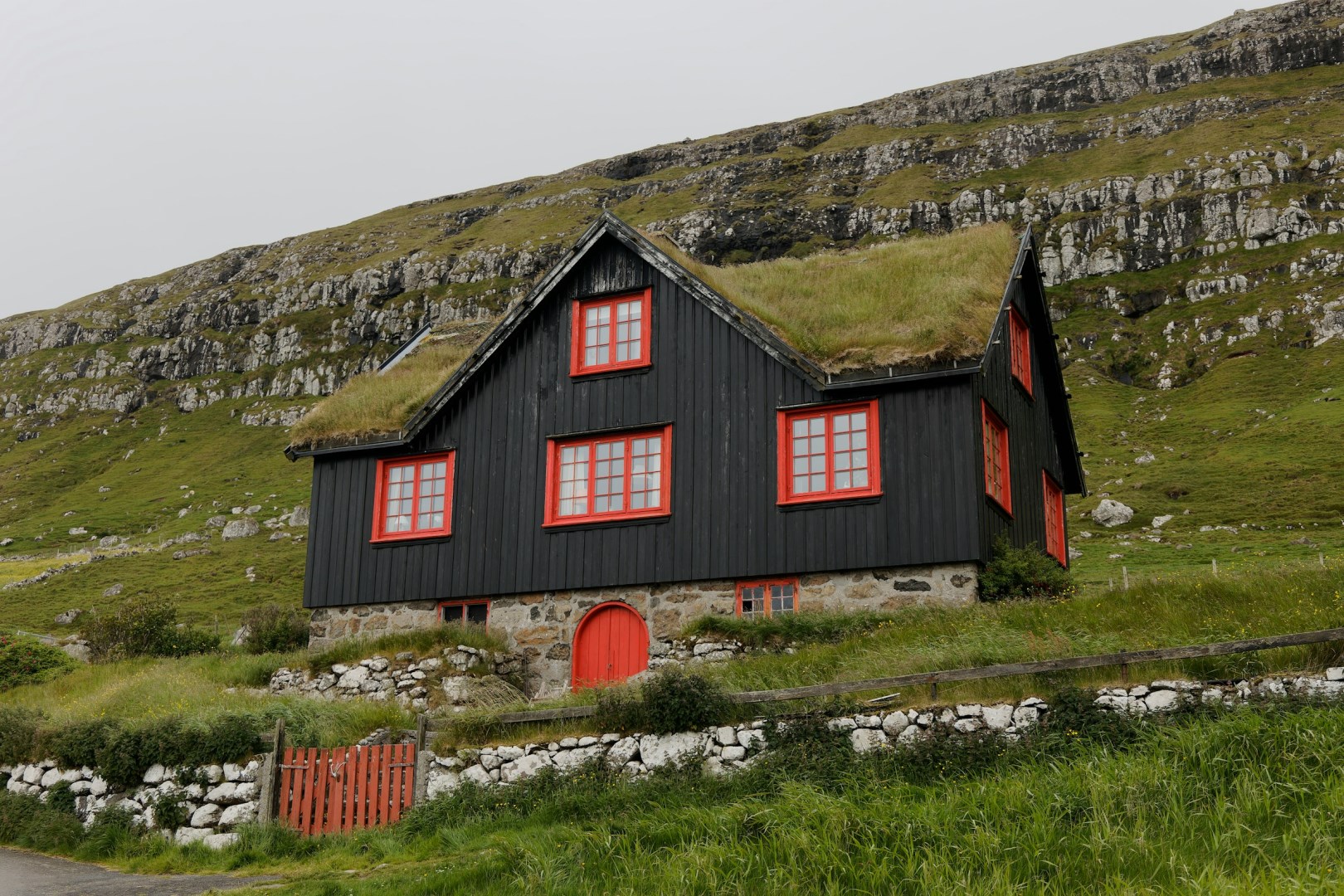
Streymoy is the largest and most populated island in the Faroe Islands, forming a central part of the archipelago and home to the capital, Tórshavn. Its landscape combines steep mountains, deep fjords, grassy valleys, and exposed coastal cliffs, with settlements concentrated along sheltered shorelines. The island is connected to neighboring islands by bridges, tunnels, ferries, and causeways, making it an important center for travel across the Faroes.
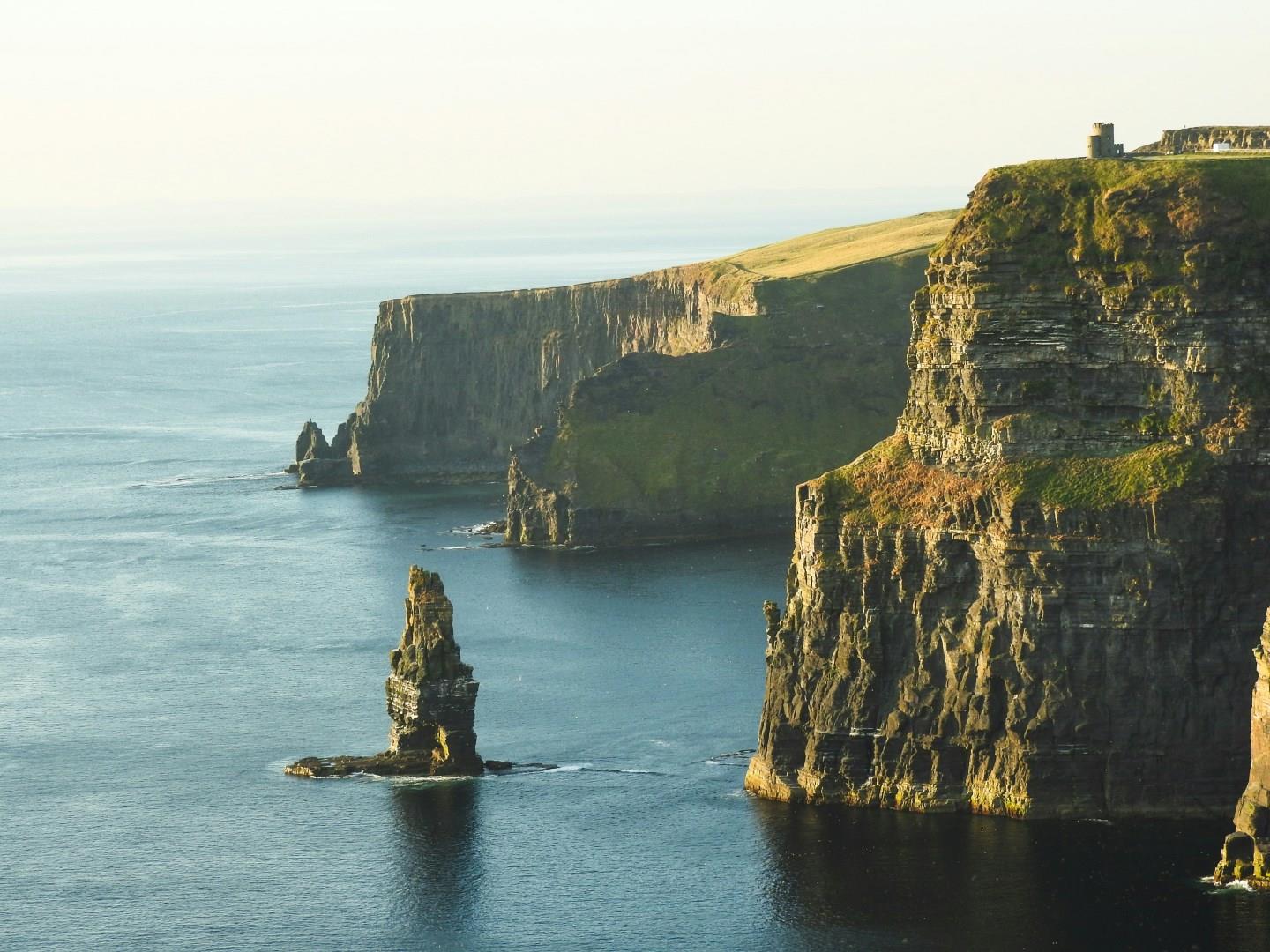
The Cliffs of Moher rise dramatically from the Atlantic Ocean, stretching for about 8 kilometers along Ireland’s western coast in County Clare. At their highest point near O'Brien's Tower, the cliffs reach 214 meters, offering uninterrupted views of the Aran Islands, Galway Bay, and the craggy peaks of Connemara on a clear day. These ancient sea cliffs have stood for over 300 million years and remain one of the most visited and photographed sites in Ireland.
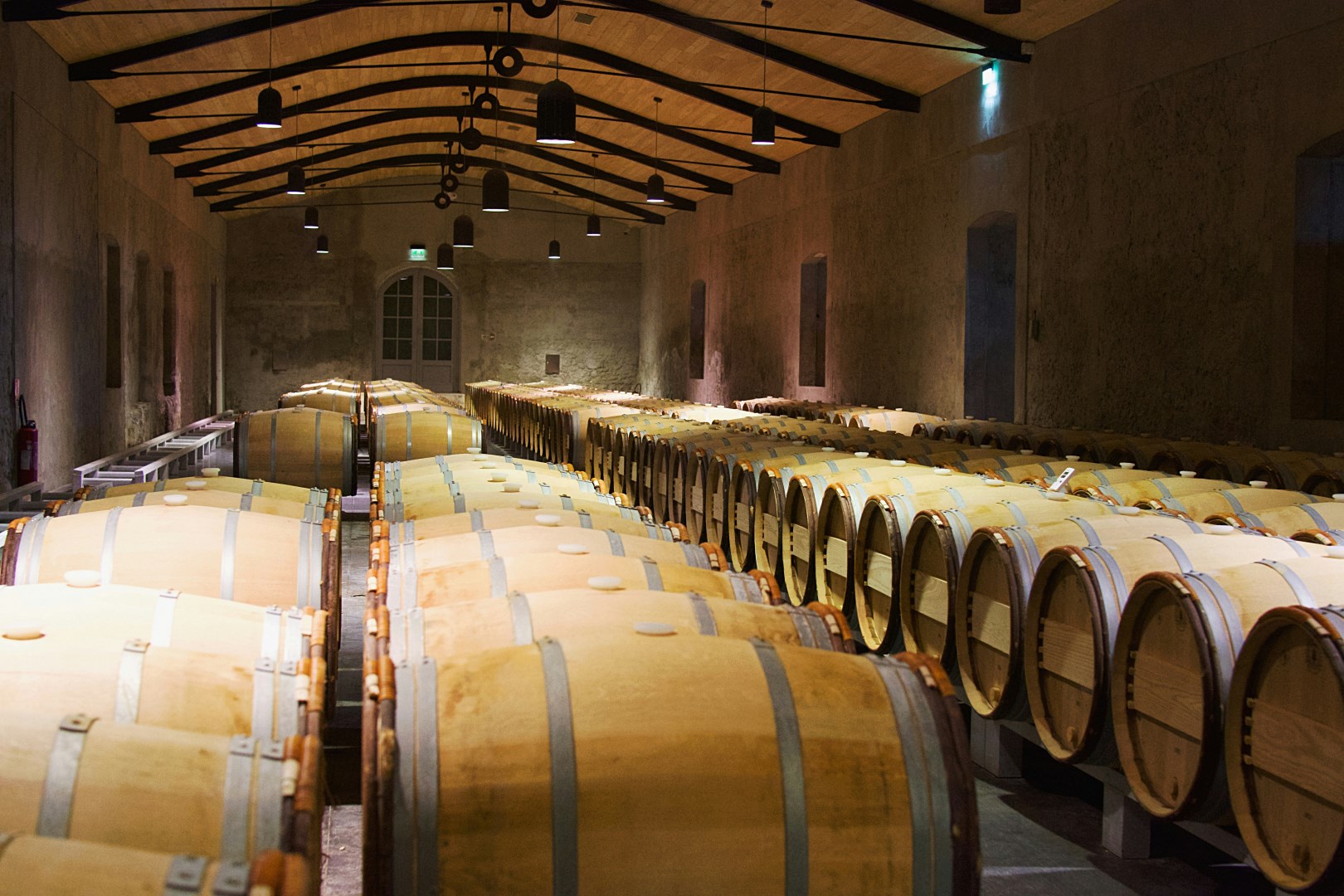
Médoc is a peninsula in southwestern France, located between the Atlantic Ocean and the Gironde estuary, north of Bordeaux. It is widely recognized for its vineyards, which produce some of the country’s most established wines, particularly red varieties based on Cabernet Sauvignon and Merlot.
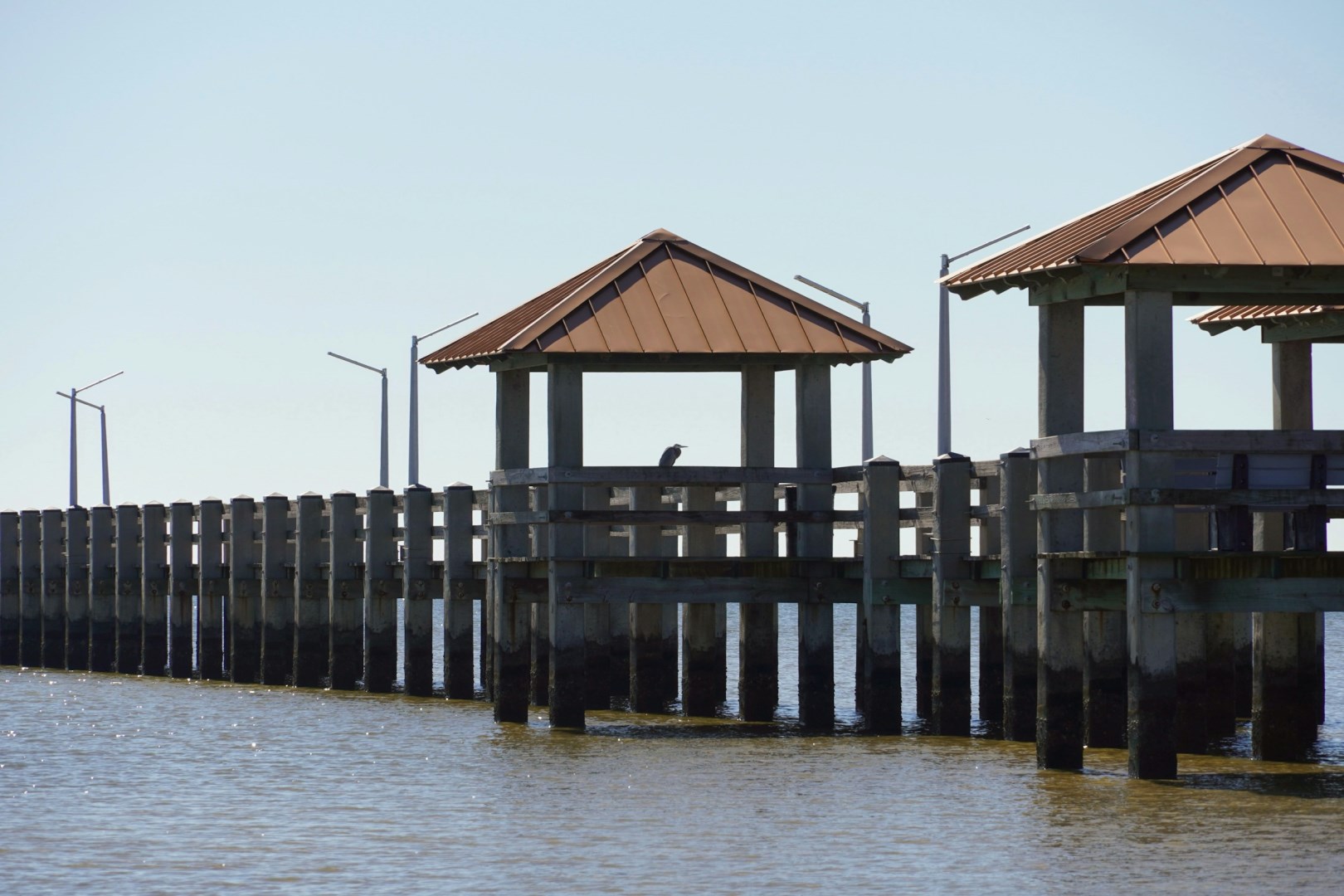
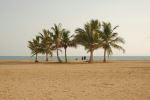
Gulfport, Mississippi, is the largest city on the Mississippi Gulf Coast and an important center for beaches, fishing, shipping, and coastal recreation. The city faces the Mississippi Sound, with barrier islands lying offshore and helping shape its relatively calm coastal waters. Gulfport Beach stretches along the shoreline with wide sandy areas, while the Port of Gulfport serves as a major deep-water shipping facility.
Inyeug, more commonly known as Mystery Island, is a tiny, uninhabited islet off the coast of Aneityum in Vanuatu’s southernmost province. Measuring just 1.5 kilometers long, the island is completely free of roads, shops, and electricity. What it offers instead is pure seclusion and untouched beauty. Cruise ships often anchor offshore, bringing day visitors to its white-sand beaches and shallow coral lagoons, but once they depart, the island returns to stillness.
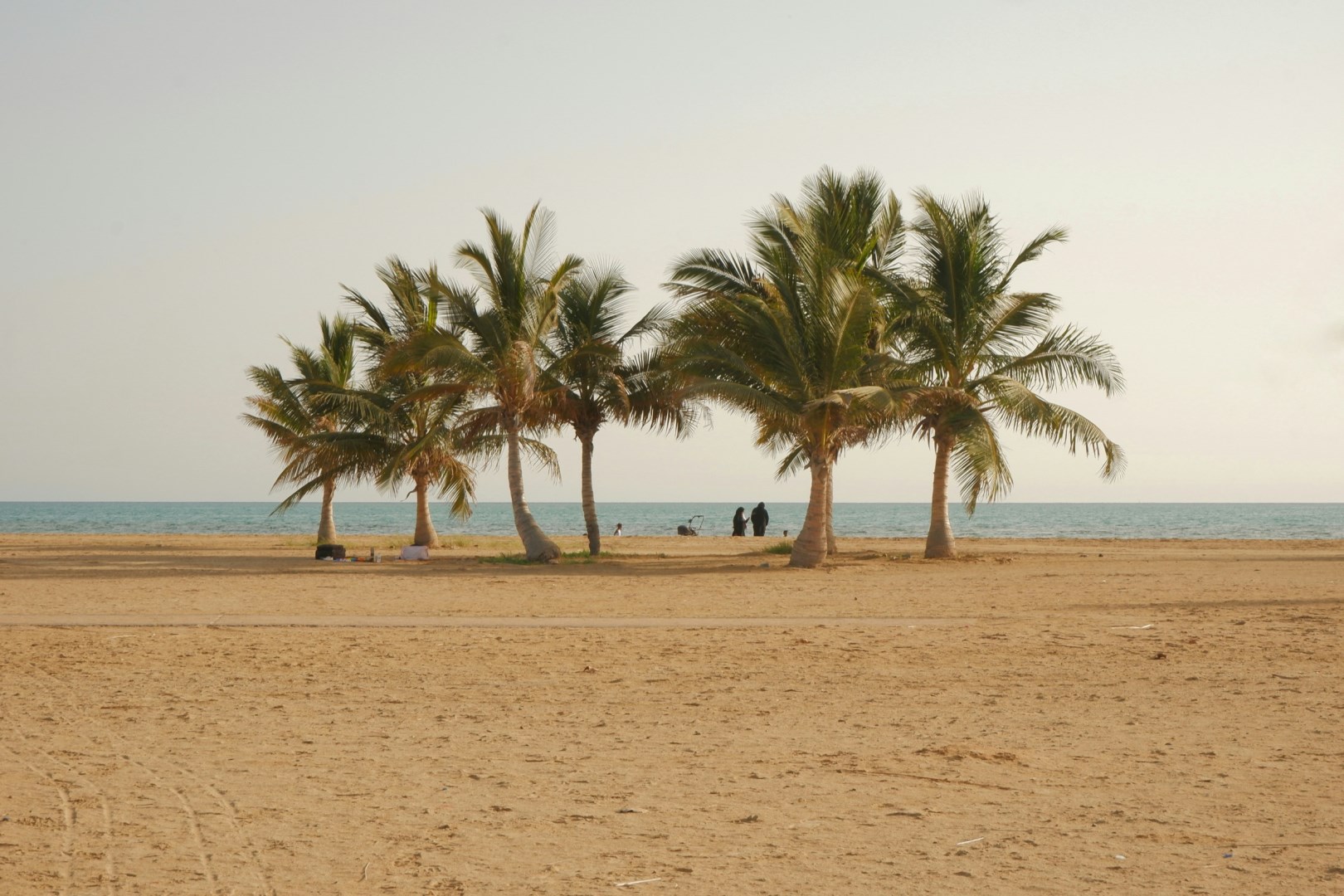
Yanbu, located on the Red Sea coast of Saudi Arabia, is a city where ancient history meets modern allure. As one of Saudi Arabia’s oldest port cities, Yanbu has a rich maritime heritage that is evident in its well-preserved historical sites. A visit to the Yanbu Historic Area reveals charming traditional architecture and the vibrant local culture. Stroll through the old town and explore the old souks, where you can experience traditional Arabic crafts and spices that have been traded for centuries.
The city's coastline offers a different kind of adventure. Yanbu is renowned for its pristine beaches and clear waters, making it a hotspot for diving and snorkeling enthusiasts. The Yanbu Corniche provides a scenic waterfront promenade ideal for leisurely walks or family picnics. The nearby Yanbu Diving Center offers guided underwater excursions to explore the diverse marine life of the Red Sea, including colorful coral reefs and exotic fish species.
For a glimpse into Saudi Arabia’s natural beauty, visit the Yanbu Lake, a serene spot perfect for relaxing or taking a boat ride. This artificial lake is surrounded by landscaped gardens and walking paths, making it a popular spot for both locals and visitors seeking a peaceful retreat. The lake’s creation was part of a broader initiative to enhance the city’s recreational spaces and offer new experiences for tourists.
A fun fact about Yanbu is its historical role as a gateway for the incense trade, historically linking the Arabian Peninsula with the ancient world. This legacy is still celebrated in local festivals and cultural events, offering visitors a unique blend of ancient traditions and modern-day hospitality. Whether you're exploring historical sites, enjoying the coastal beauty, or diving into the Red Sea's underwater wonders, Yanbu promises an enriching and memorable experience.
Other Popular Destinations in Saudi Arabia
Jeddah
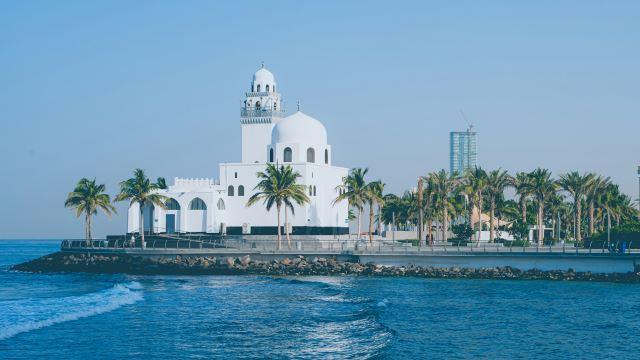
Jeddah sits along Saudi Arabia’s Red Sea coast and has long served as a gateway between the Arabian Peninsula and the wider world. For centuries, merchants, pilgrims, and travelers passed through its port on the way to Mecca, shaping a city known for openness and exchange.
Riyadh
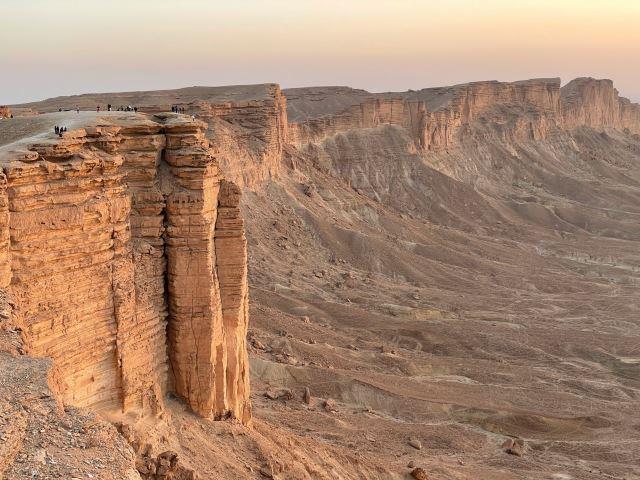
Riyadh blends stories from centuries with modern splendor. At its core stands Al Masmak Fortress, built of clay and mud-brick in the 19th century. It was the site that set the stage for the unification of Saudi Arabia. Today, it’s a museum that preserves weapons, historical displays, and accounts of that pivotal moment. Adjacent to the fortress, the Souq Al-Zal offers spices, traditional jewelry, and handmade crafts, connecting visitors to the city’s past through its alleyways.