

Rab
The picturesque city of Rab, located on Rab Island in Croatia, offers a delightful blend of medieval charm and stunning natural beauty. Known for its well-preserved Old Town, Rab features a network of narrow, cobblestone streets lined with historic buildings that reflect its rich past.
Chuuk
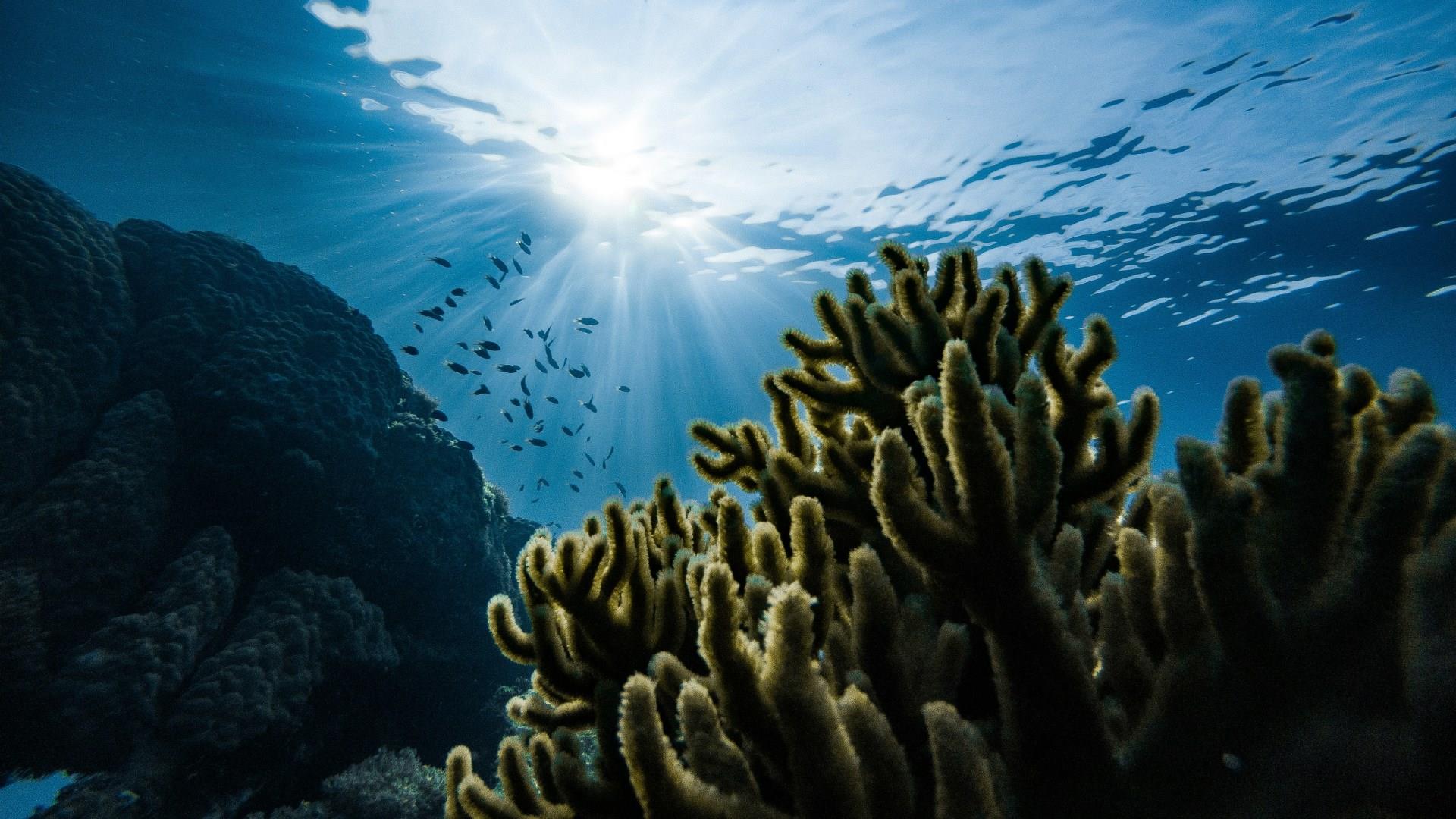
Chuuk, one of the four states of the Federated States of Micronesia, is best known for its vast lagoon which is one of the largest enclosed lagoons in the world. But what sets Chuuk apart is what lies beneath those calm blue waters: an entire underwater fleet of sunken warships, aircraft, and submarines left from World War II. Often called the "Ghost Fleet of Truk Lagoon," these wrecks make Chuuk a global destination for experienced divers.

Dominica
Dominica, known as the “Nature Island of the Caribbean,” is a haven for eco-tourists and adventure seekers. Nestled between the French islands of Guadeloupe and Martinique, this lush island boasts a remarkable landscape of volcanic mountains, dense rainforests, and stunning waterfalls. Dominica’s most iconic natural wonder is the Boiling Lake, the second-largest hot spring in the world.
La Serena
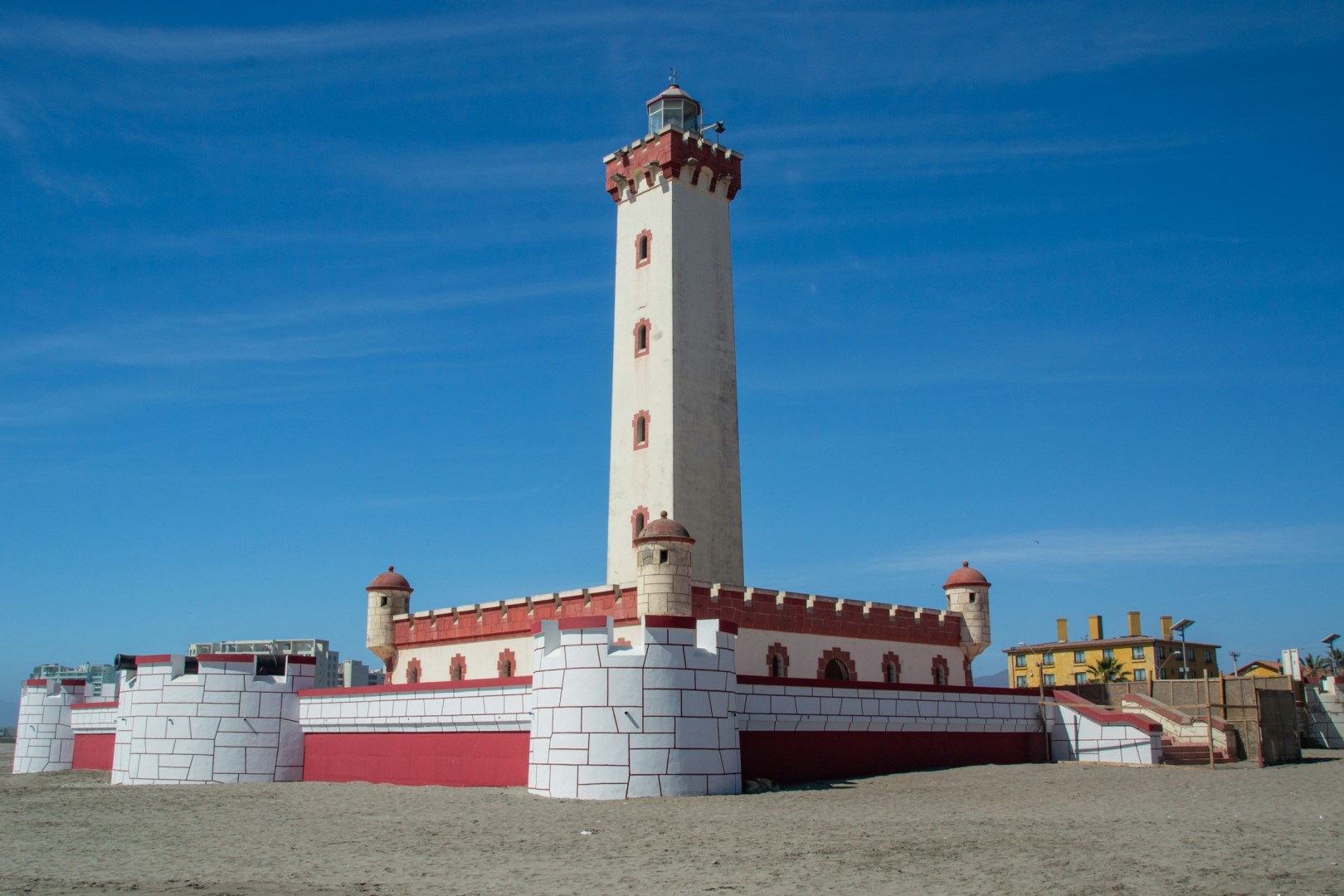
Important both historically and economically, the beachside city of La Serena is one of Chile's oldest post-Columbian cities. The region's silver, copper and agriculture were so important that the city had its own mint. Today, La Serena maintains a colonial air, although it is threatening Viña del Mar's supremacy as premier beach resort. Apart from a string of beautiful beaches, attractions include a handful of museums and a number of nearby quaint villages and vineyards.
Mexico City
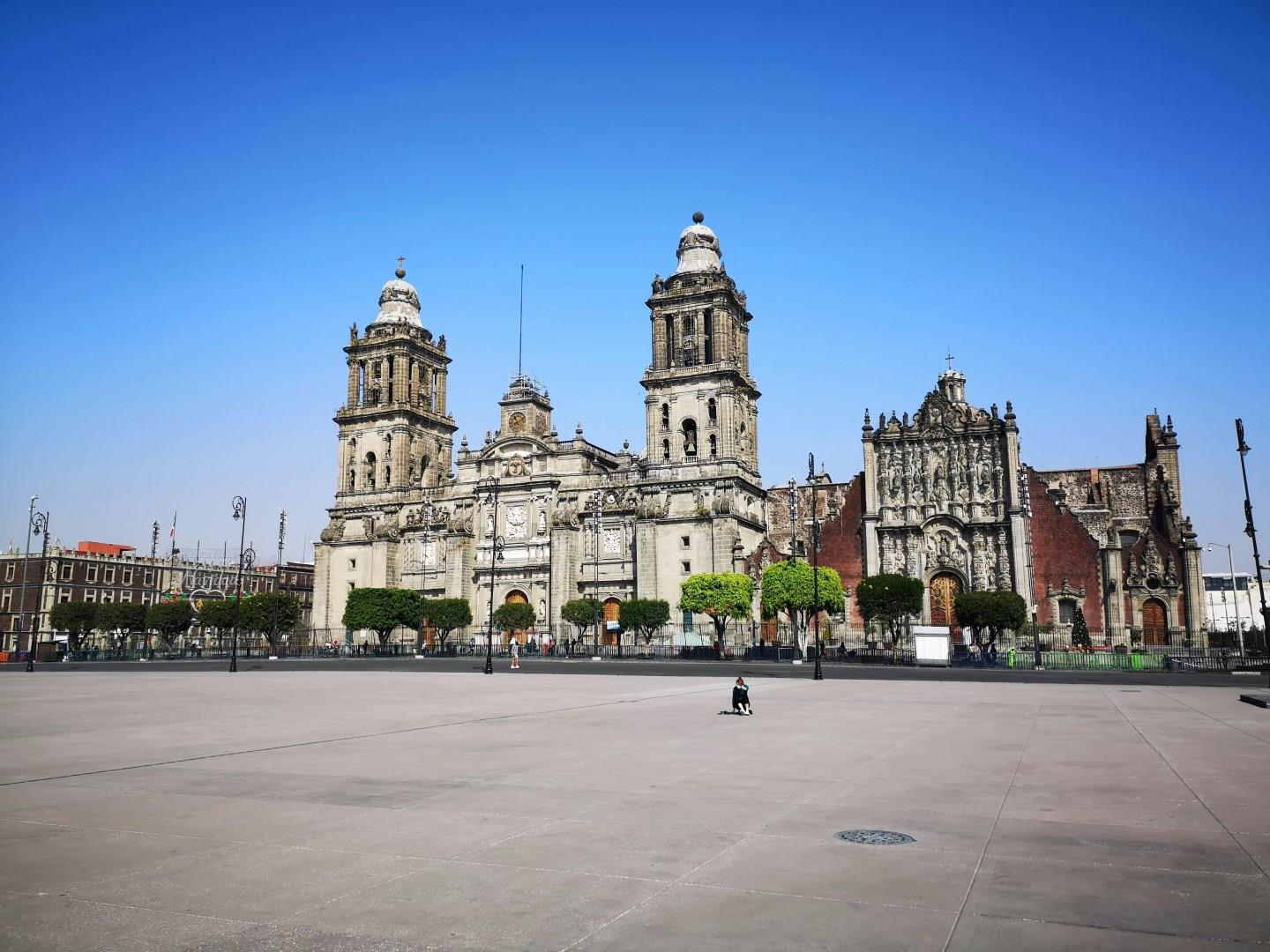
Mexico City sits on the high plateau of central Mexico, layered with more than seven centuries of history and culture. Built atop the ruins of the Aztec capital Tenochtitlán, the city reflects a continuous dialogue between Indigenous foundations, Spanish colonial influence, and modern urban life.
