Sullivan Bay
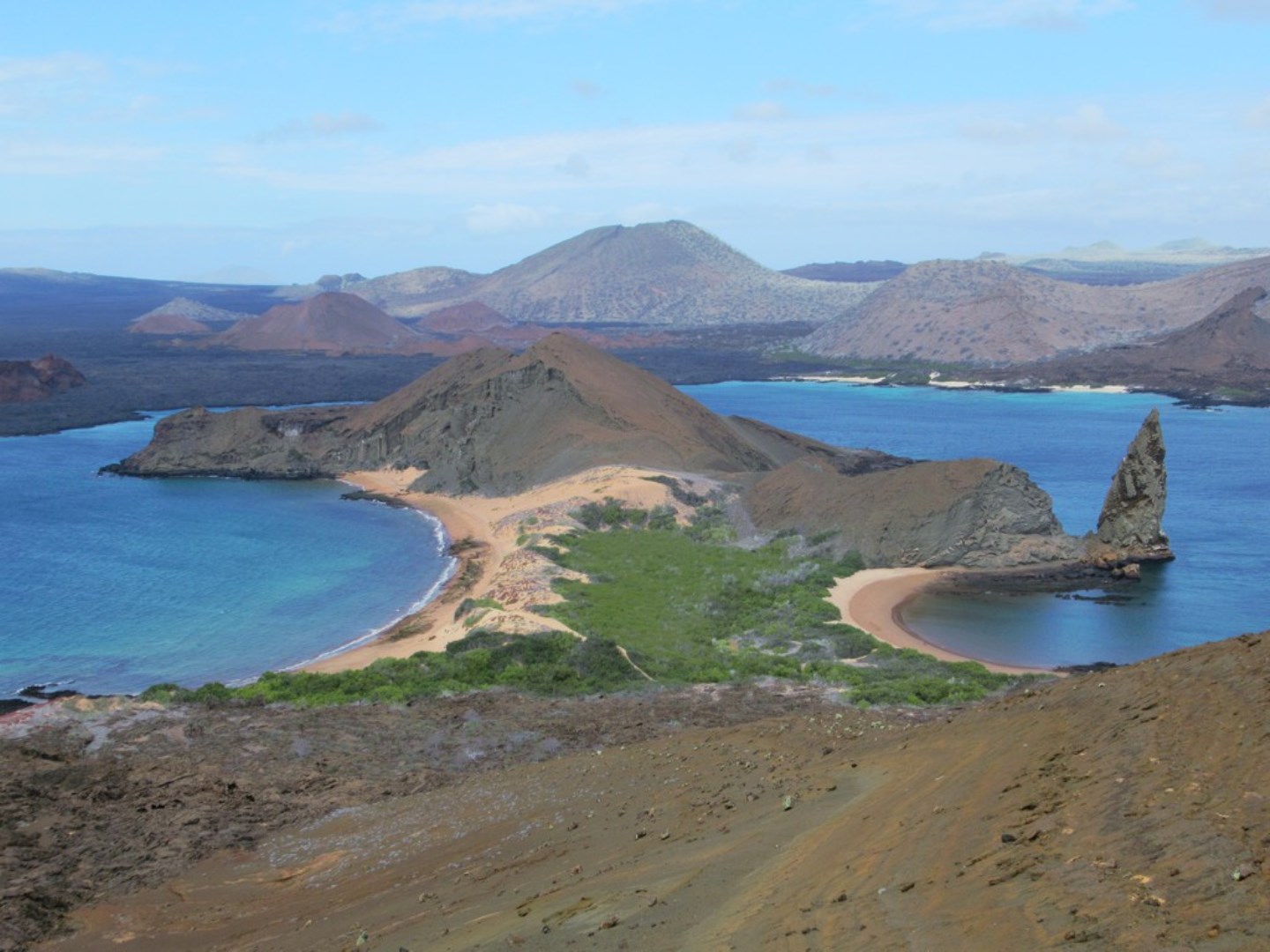
Sullivan Bay, located on the eastern shore of Santiago Island in Ecuador’s Galápagos archipelago, offers a landscape that feels almost otherworldly at first glance. Instead of lush greenery, visitors are greeted by wide stretches of hardened lava. These black, rippled fields tell a story written in fire, where molten rock once flowed freely before cooling into intricate patterns that can still be traced today.
San Salvador
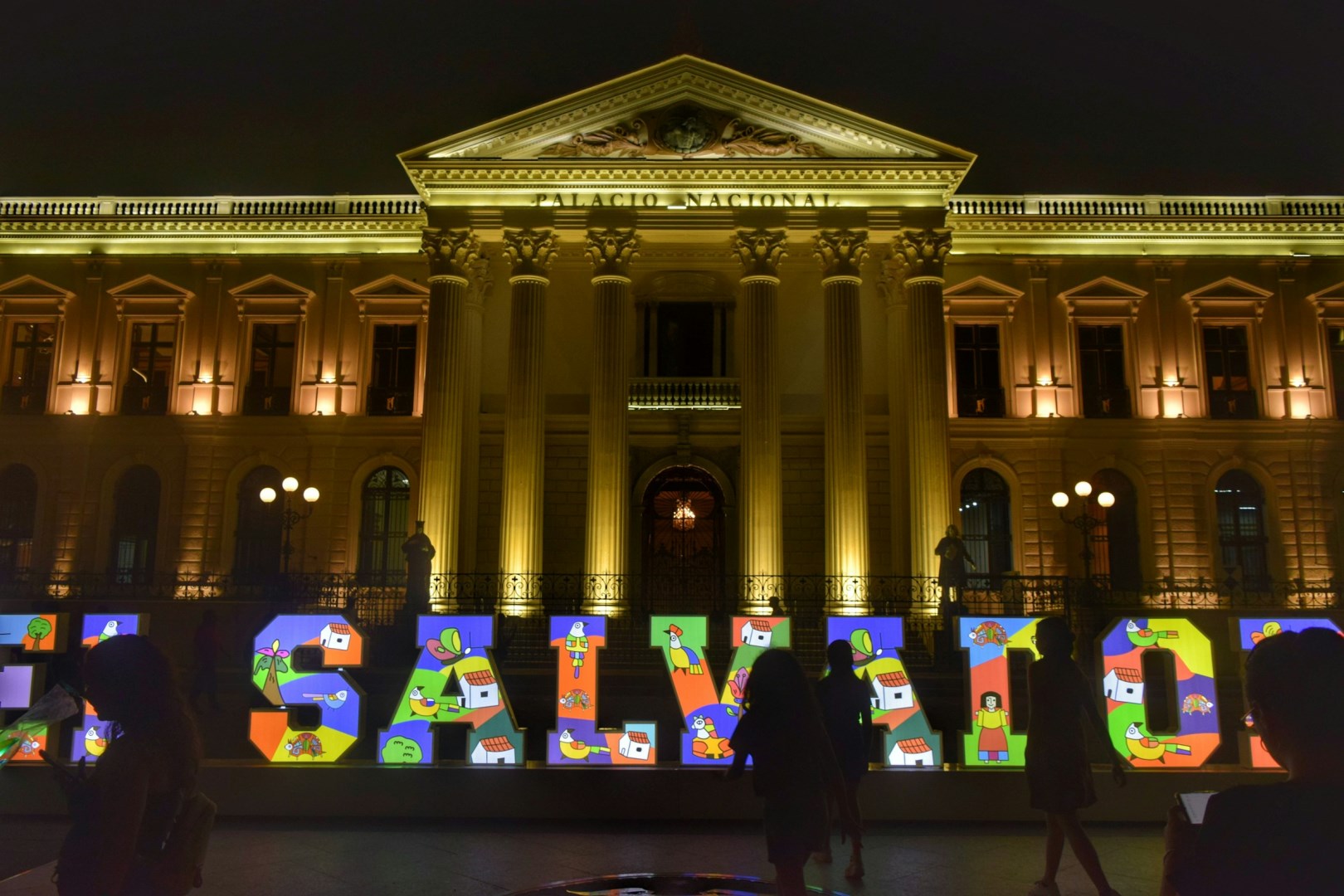
El Salvador's capital and largest city lies in a valley at the foot of the large San Salvador volcano. Shanty towns abound and the streets are lined with people selling everything.
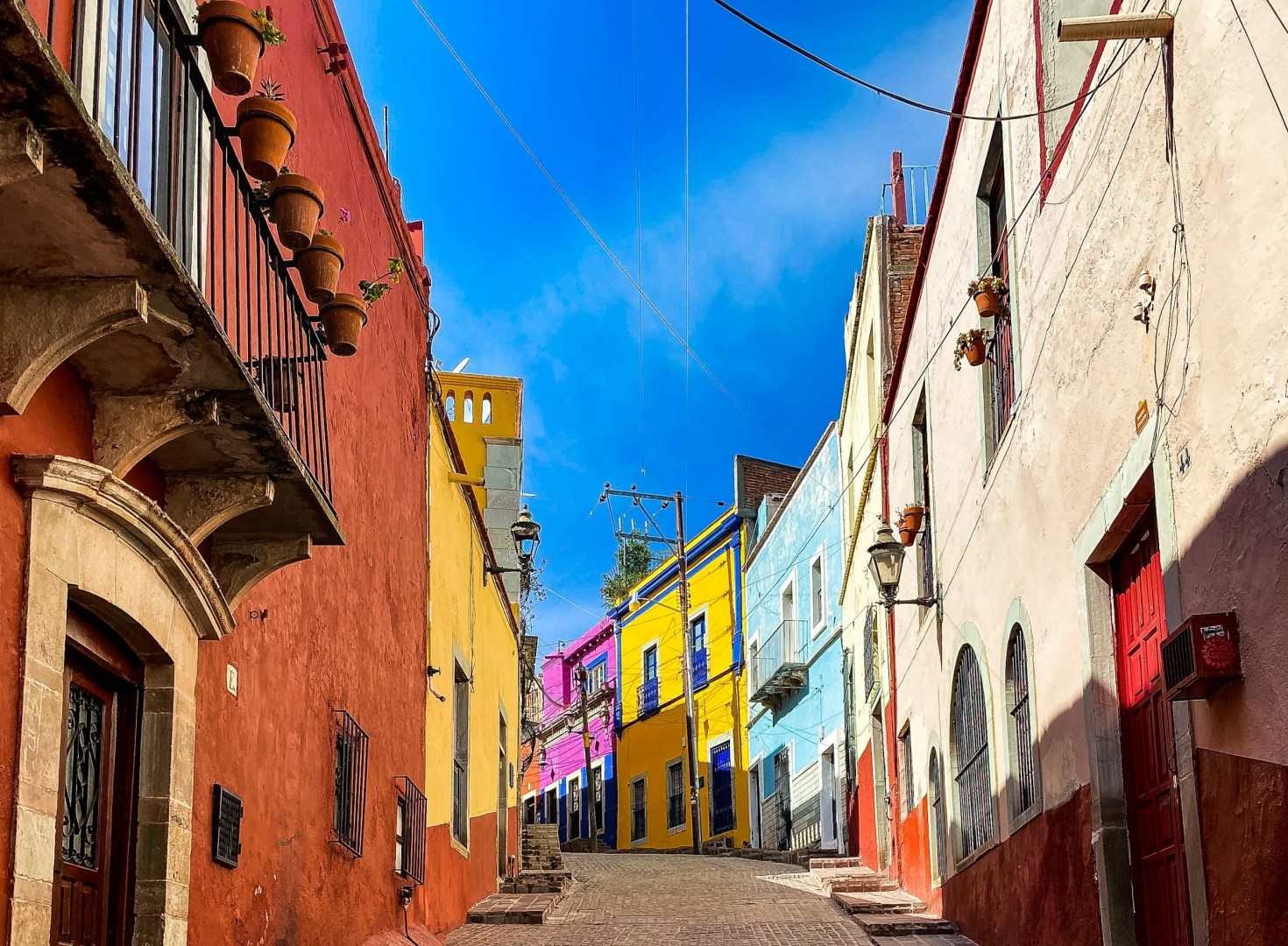
Guanajuato
Guanajuato, a UNESCO World Heritage City nestled in the mountains of central Mexico, is a place where history is built into every hillside alley and underground tunnel. Today, visitors can still tour La Valenciana Mine, where centuries-old tunnels and original mining equipment offer a glimpse into the city's wealth-driven past. The nearby Templo de San Cayetano, built by mine owners in the mid-1700s, is a stunning example of baroque design, lined with gilded altars and intricate woodwork.
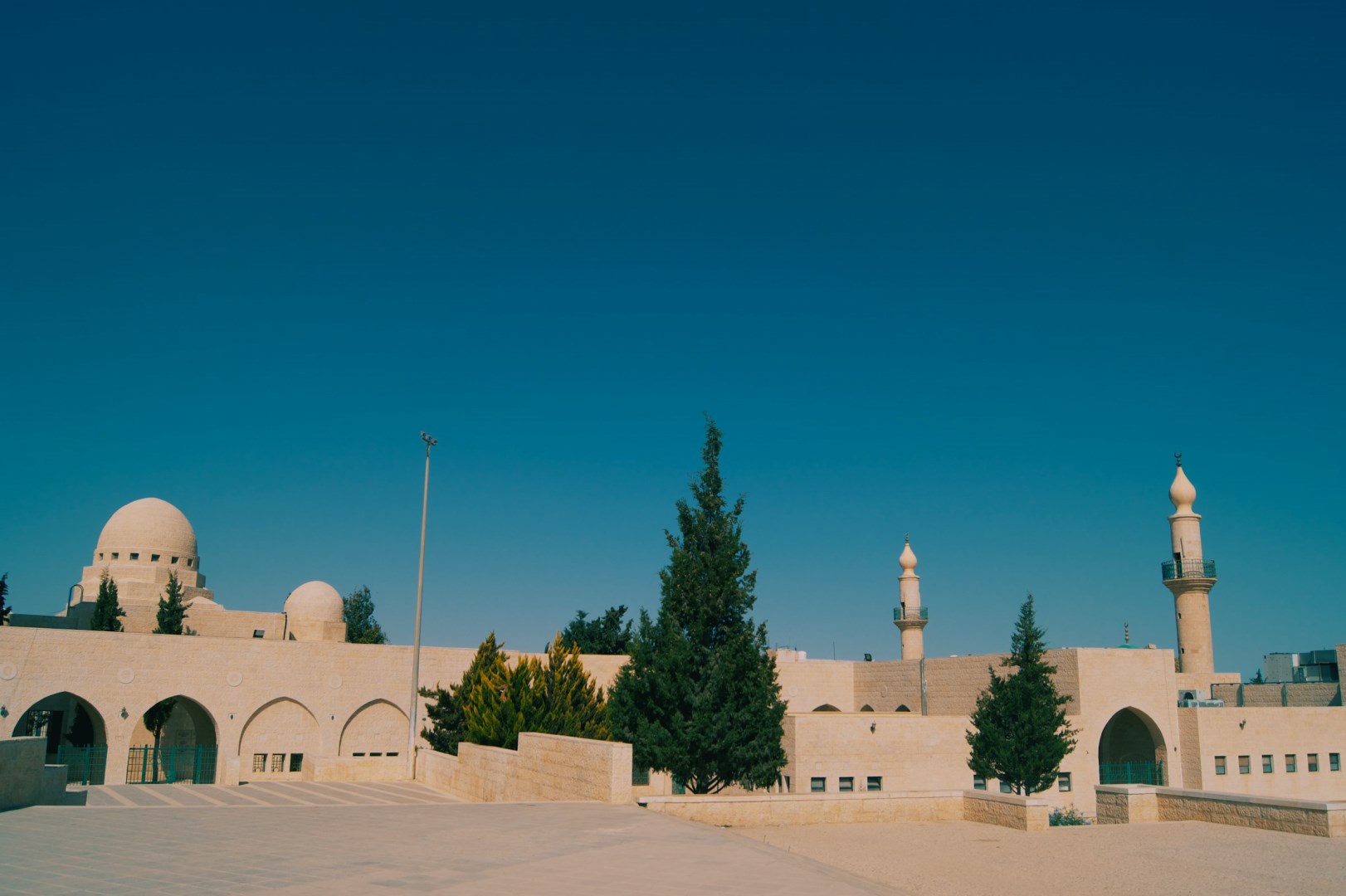
Kerak
Kerak is a fortress town 75 miles (120km) from Amman, and contains one of the two major Crusader castles in the Kingdom. The castle, built to protect the approach to Jerusalem, stands on a craggy plateau 4,300ft above sea level. It was built in the early part of the 12th century and held for 50 years by the Crusaders until they were defeated by Salah al Din (Saladin) in 1189.

Sossusvlei
Sossusvlei, located in the heart of the Namib Desert in Namibia, is a breathtaking destination that captivates travelers with its surreal landscapes and towering red sand dunes. The star attraction of Namib-Naukluft National Park, Sossusvlei is famous for its clay pans surrounded by some of the highest sand dunes in the world, some reaching heights of over 300 meters.