
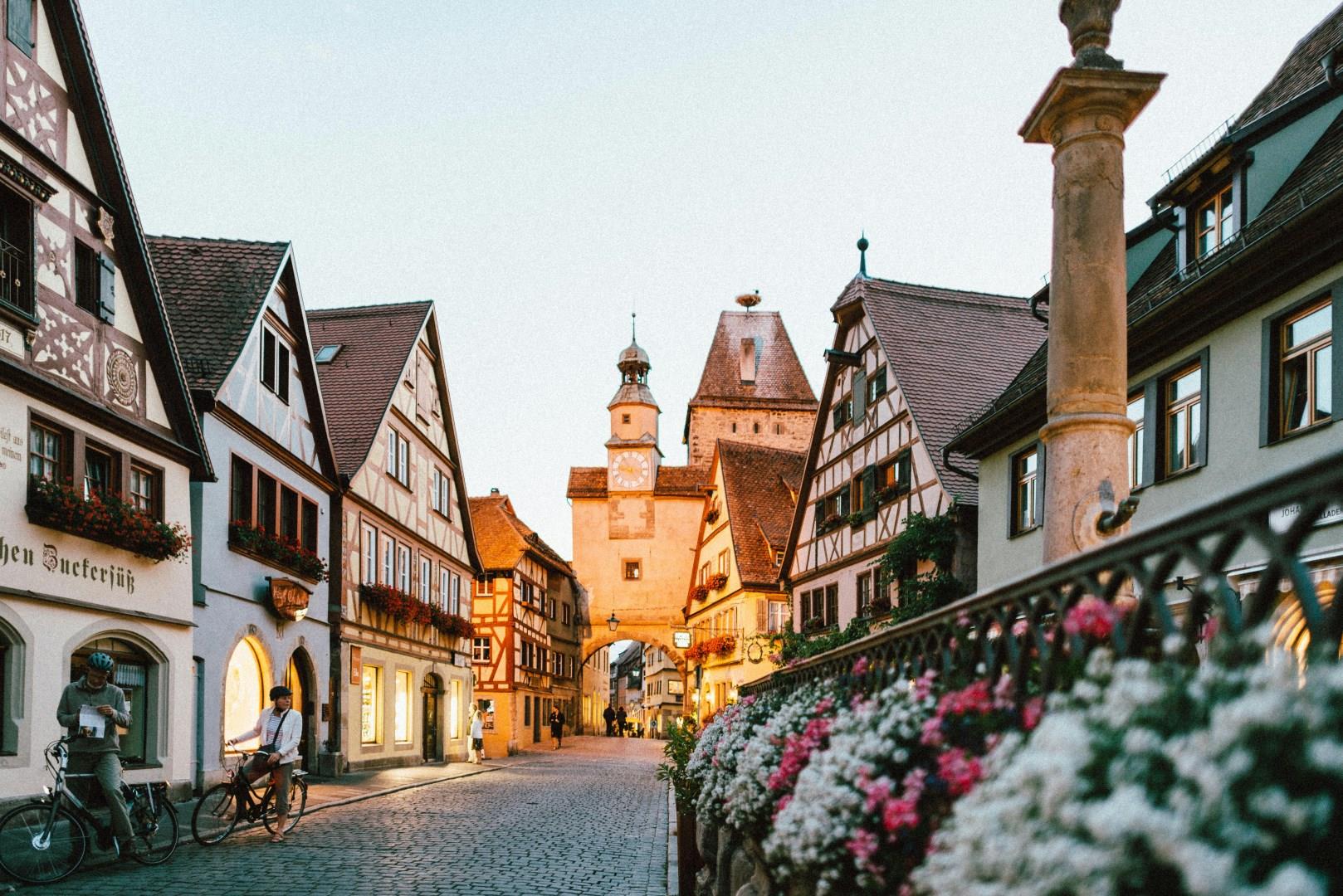
Rothenburg
Rothenburg ob der Tauber rises above the Tauber River in Bavaria, where its medieval town center has stood largely unchanged for centuries, making it one of Germany’s most vivid windows into the past. This old walled city stretches along cobblestone streets where half-timbered houses, ancient towers, and narrow alleys invite visitors to wander and imagine life in the Middle Ages.

Hiroshima
Hiroshima, a city on Japan’s Honshu Island, is a place where history and resilience intertwine to create a destination that is both deeply moving and inspiring. Beyond its historical significance, Hiroshima offers visitors a vibrant cultural scene.

Galapagos Islands
Off the coast of Ecuador, the iconic and biodiverse Galápagos Islands, made famous by Charles Darwin’s nineteenth-century research expeditions on HMS Beagle, beckon you. This glittering archipelago, surrounded by vivid turquoise waves, abounds with stunning beaches and spectacular wildlife, perfect for the adventurous traveler.
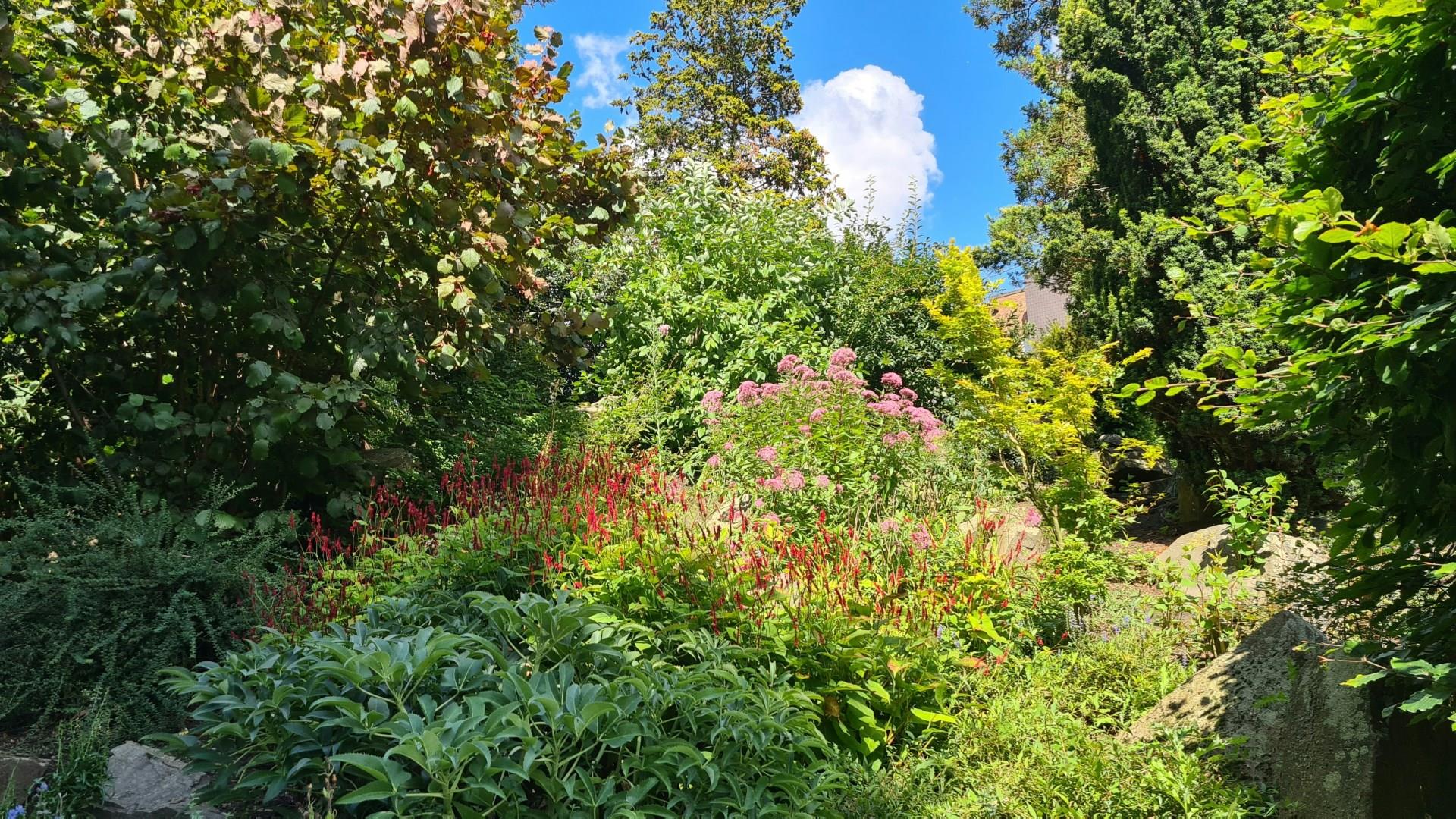
Liège
Liège, located along the Meuse River in eastern Belgium, is a city shaped by industry, resilience, and an independent spirit that dates back centuries. Once the capital of a powerful prince-bishopric, Liège has always done things its own way and is lived-in and layered with working neighborhoods, student cafés, and markets that tell the city’s real story. Every Sunday, locals gather at La Batte, one of the oldest and largest outdoor markets in Belgium.
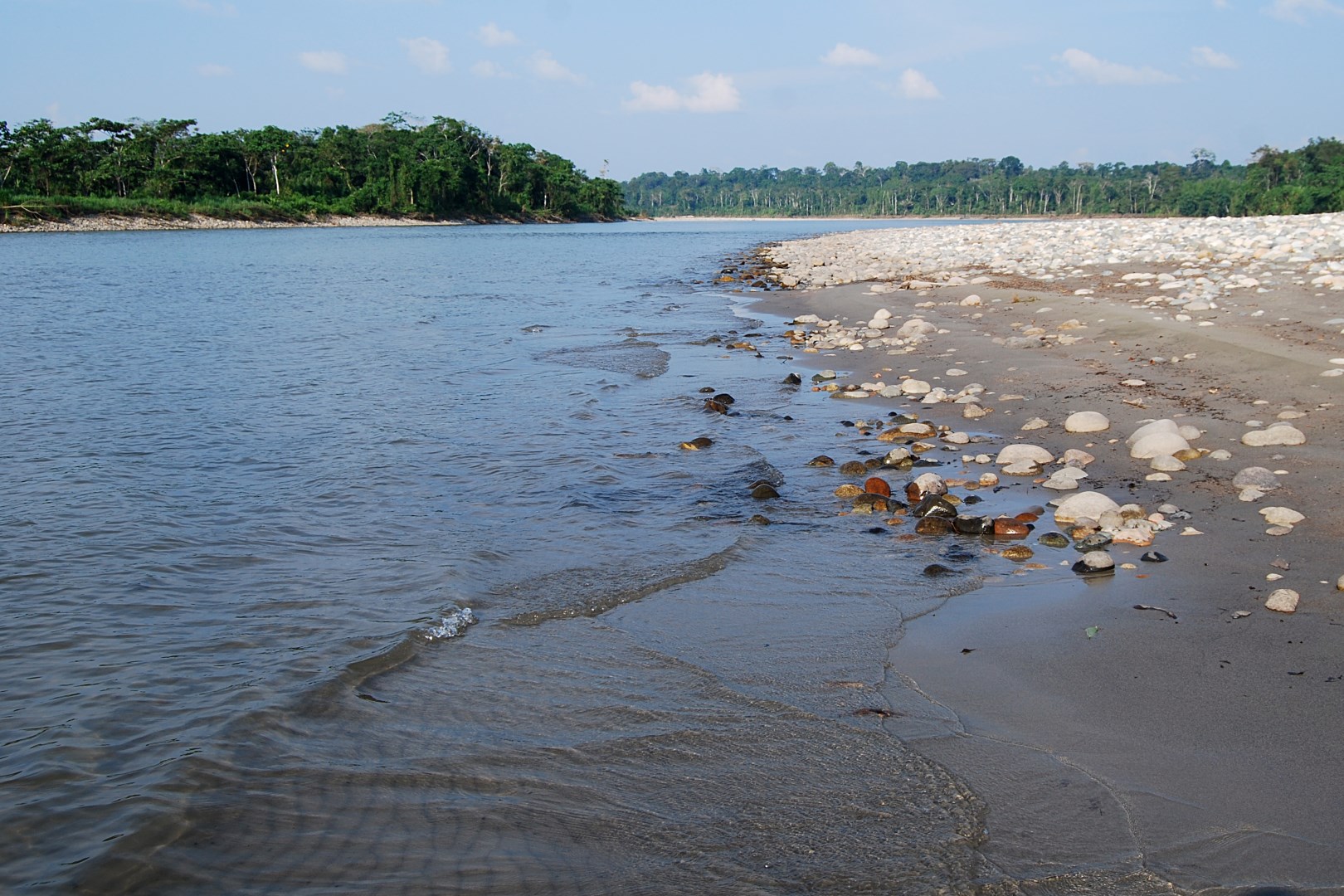
Napo River
A tributary of the Amazon, the Napo River (Río Napo) originates in the east Andes mountains. It flows east through Ecuador, then southeast into Peru, where it joins the larger river roughly 50 miles downstream from Iquitos.
