

Motril
Motril, Spain, is located near the Guadalfeo River on the Mediterranean coast in the province of Granada. Sugar cane refineries form the backbone of Motril's economy, though tourism is also an essential industry.
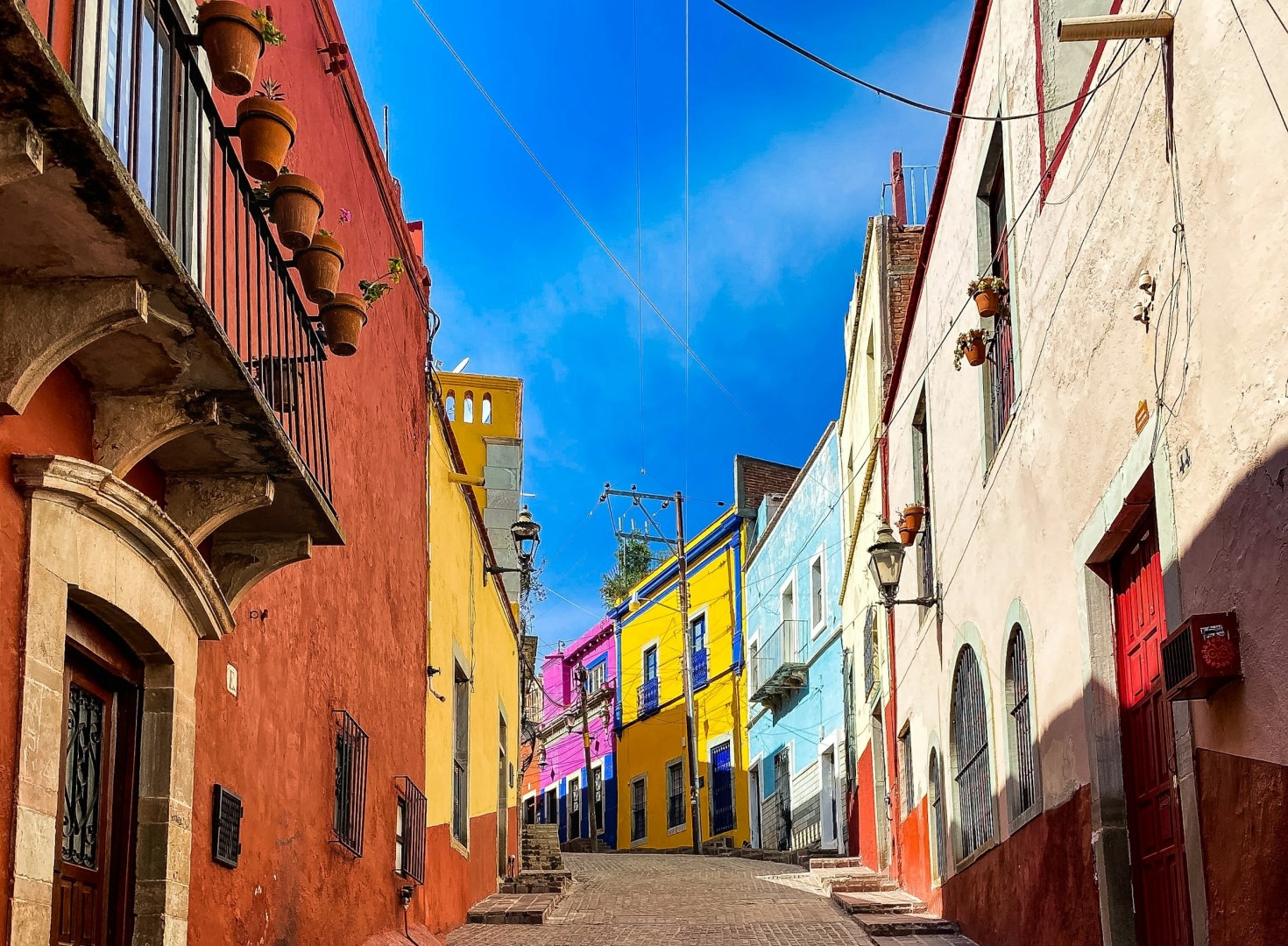
Guanajuato
Guanajuato, a UNESCO World Heritage City nestled in the mountains of central Mexico, is a place where history is built into every hillside alley and underground tunnel. Today, visitors can still tour La Valenciana Mine, where centuries-old tunnels and original mining equipment offer a glimpse into the city's wealth-driven past. The nearby Templo de San Cayetano, built by mine owners in the mid-1700s, is a stunning example of baroque design, lined with gilded altars and intricate woodwork.
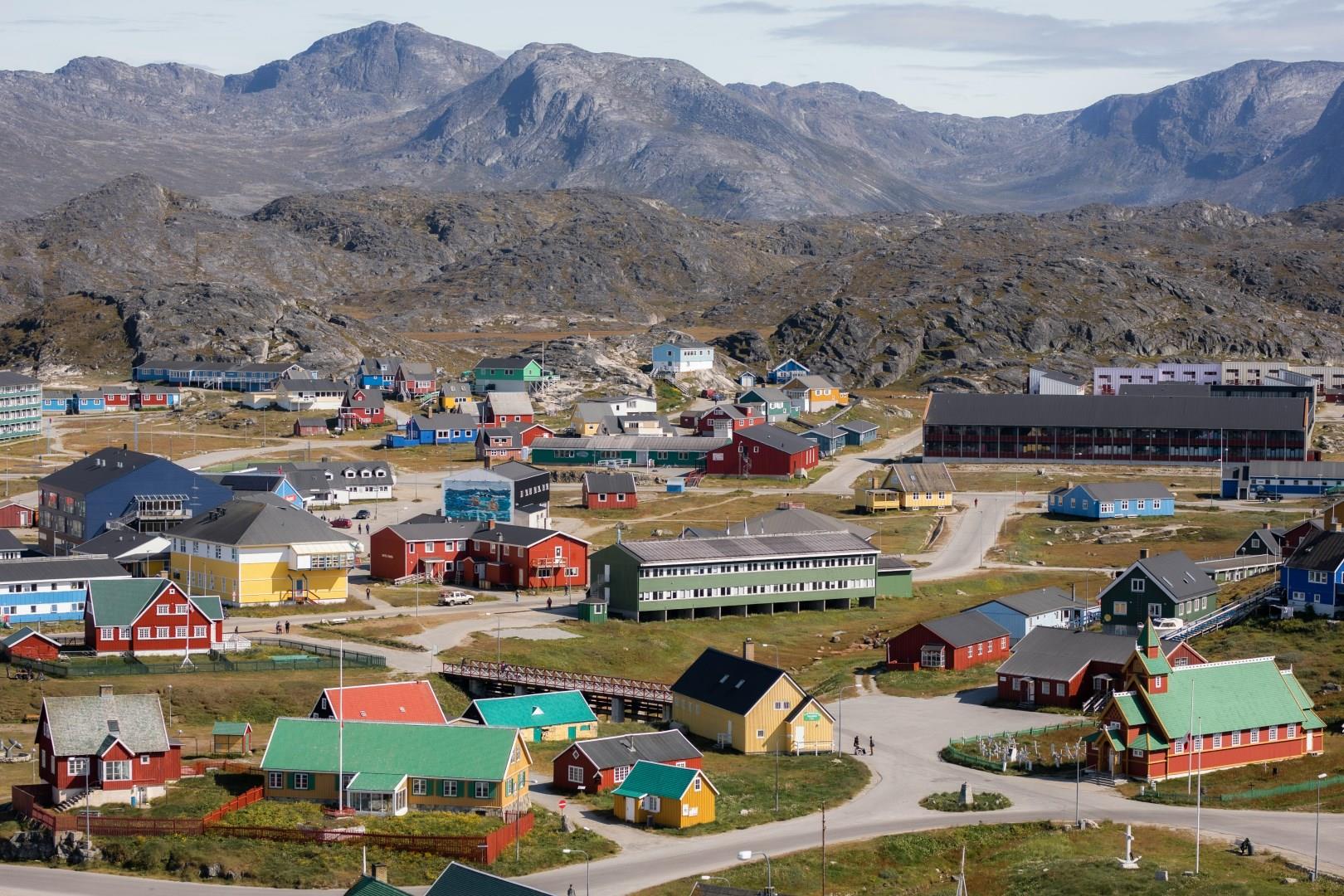
Paamiut
Paamiut lies on Greenland’s southwest coast, where the Labrador Sea meets a rocky, fjord-cut shoreline. Established in the 18th century as a Danish trading post and mission, the town developed around fishing and sealing, activities that continue to shape daily life.
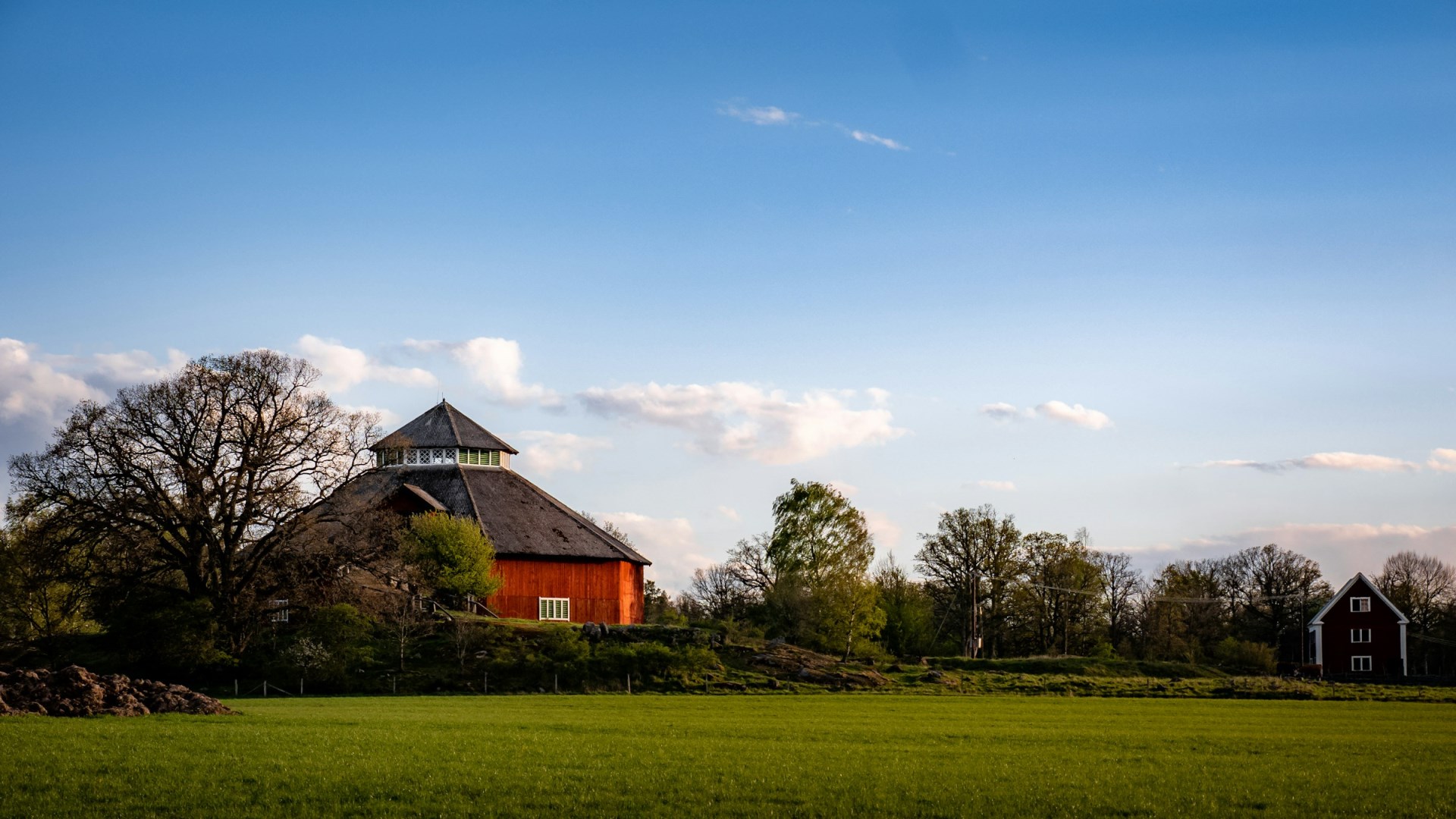
Linköping
Even though Linköping has developed into an industrial center and is Sweden's fifth-largest city, it maintains a small-town atmosphere. Old Linköping is the restored town center with preserved buildings from the 18th and 19th centuries. The tower of the impressive Linköping Cathedral, which took nearly 300 years to complete, can be seen from a distance of more than 10 kilometers.
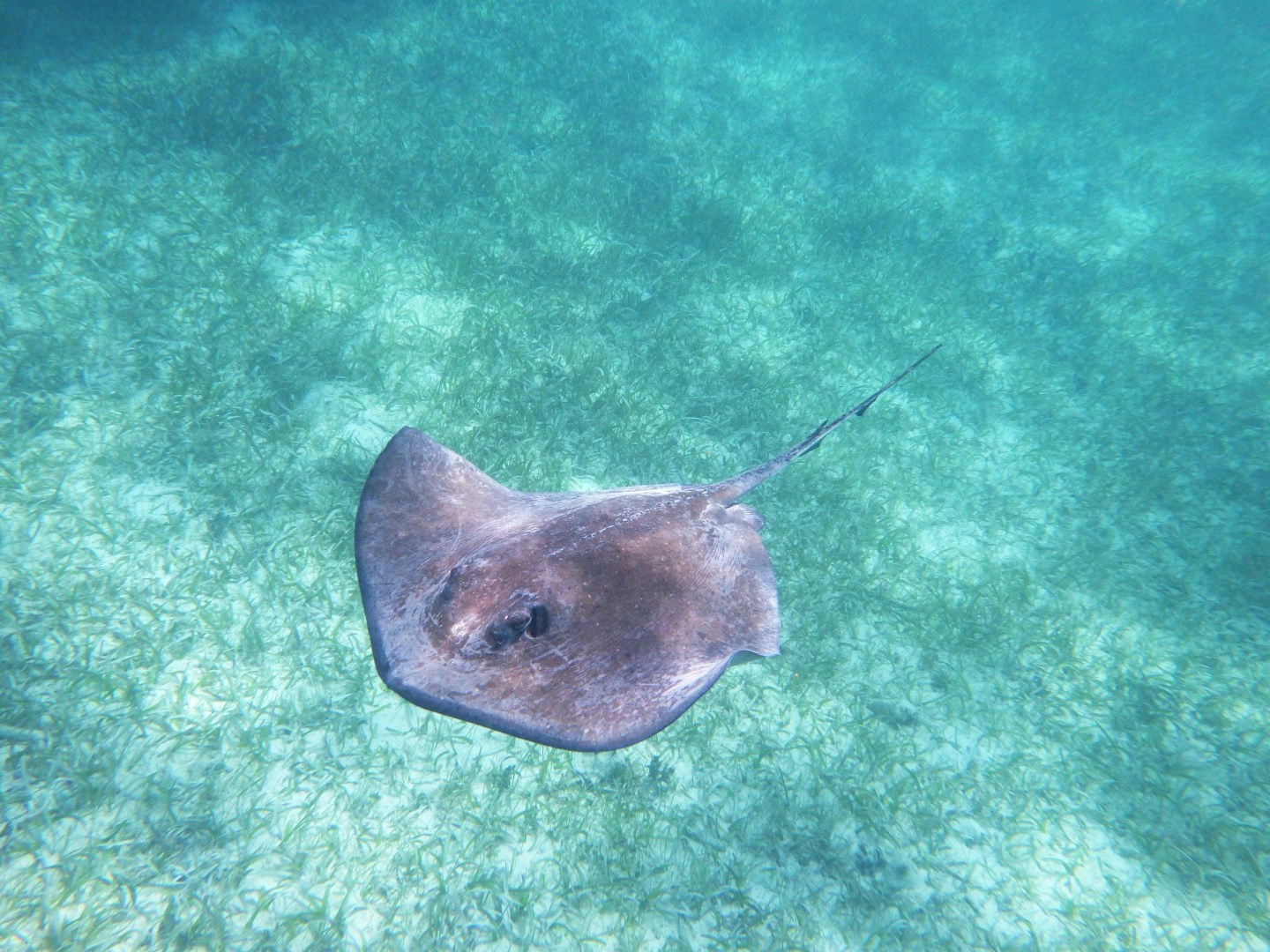
Hol Chan Marine Reserve
Hol Chan Marine Reserve lies off the southern coast of Ambergris Caye, near San Pedro in northern Belize. The protected area covers coral reefs, seagrass beds, mangroves, and channels that form part of the Belize Barrier Reef. Its name comes from the Maya words for “little channel,” referring to a natural break in the reef that allows water to move between the Caribbean Sea and the shallow lagoon.
