Vukovar
Vukovar, a city in eastern Croatia, stands as a poignant symbol of resilience and beauty. Its rich history is etched into its architecture and monuments, telling the story of its resilience during the Croatian War of Independence.

Hakodate
Hakodate sits at the southern tip of Hokkaido and combines historical charm with natural splendor.
Gyumri
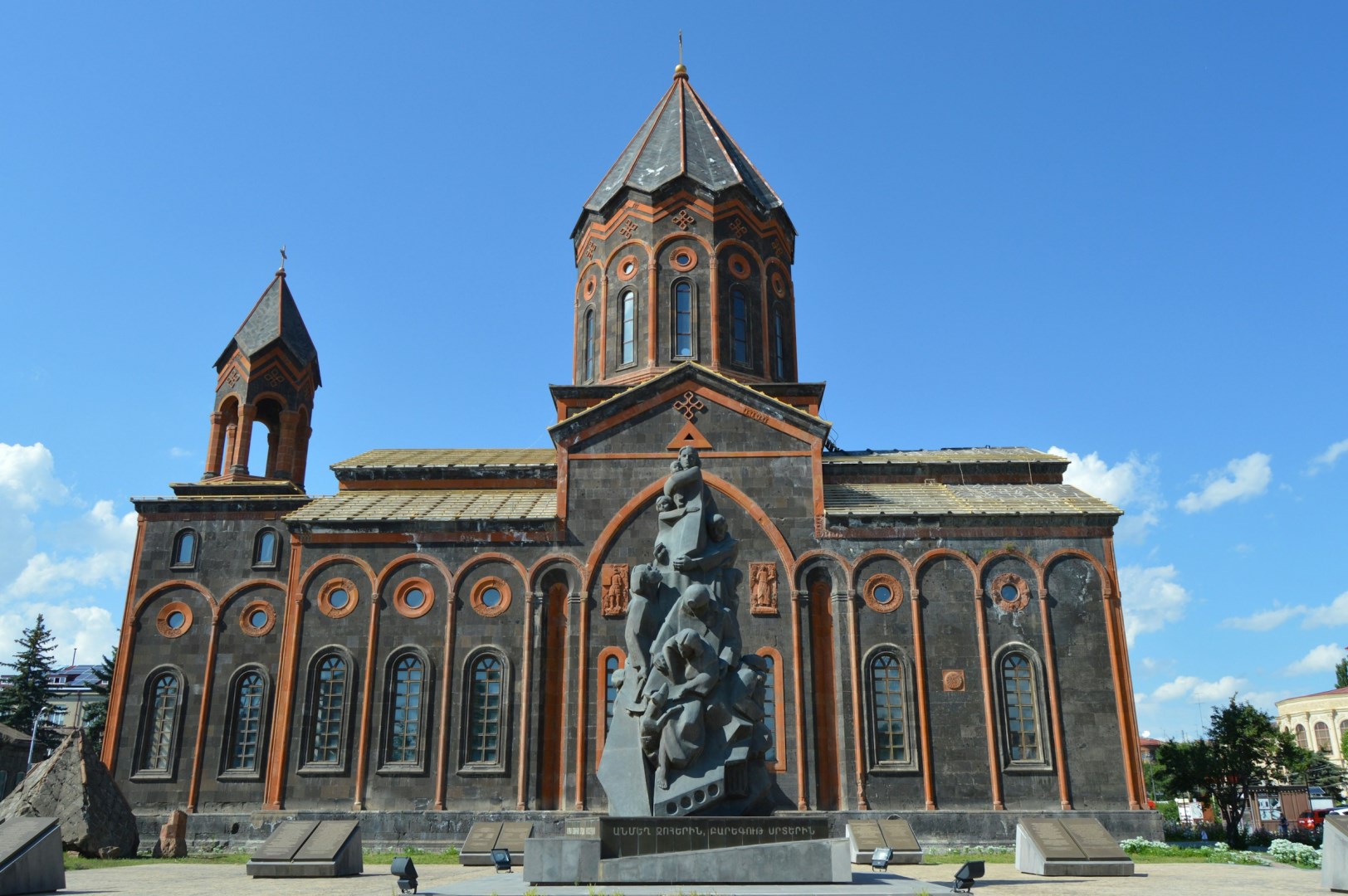
Gyumri is Armenia's second-largest city and the capital of Shirak Province, located on a high plateau in the country's northwestern region. The city is known for its distinctive black and red volcanic-stone architecture, broad streets, historic districts, and strong artistic traditions. Its setting near the Turkish border places it among open plains and volcanic landscapes, with Mount Aragats visible from parts of the surrounding region.
Aveiro
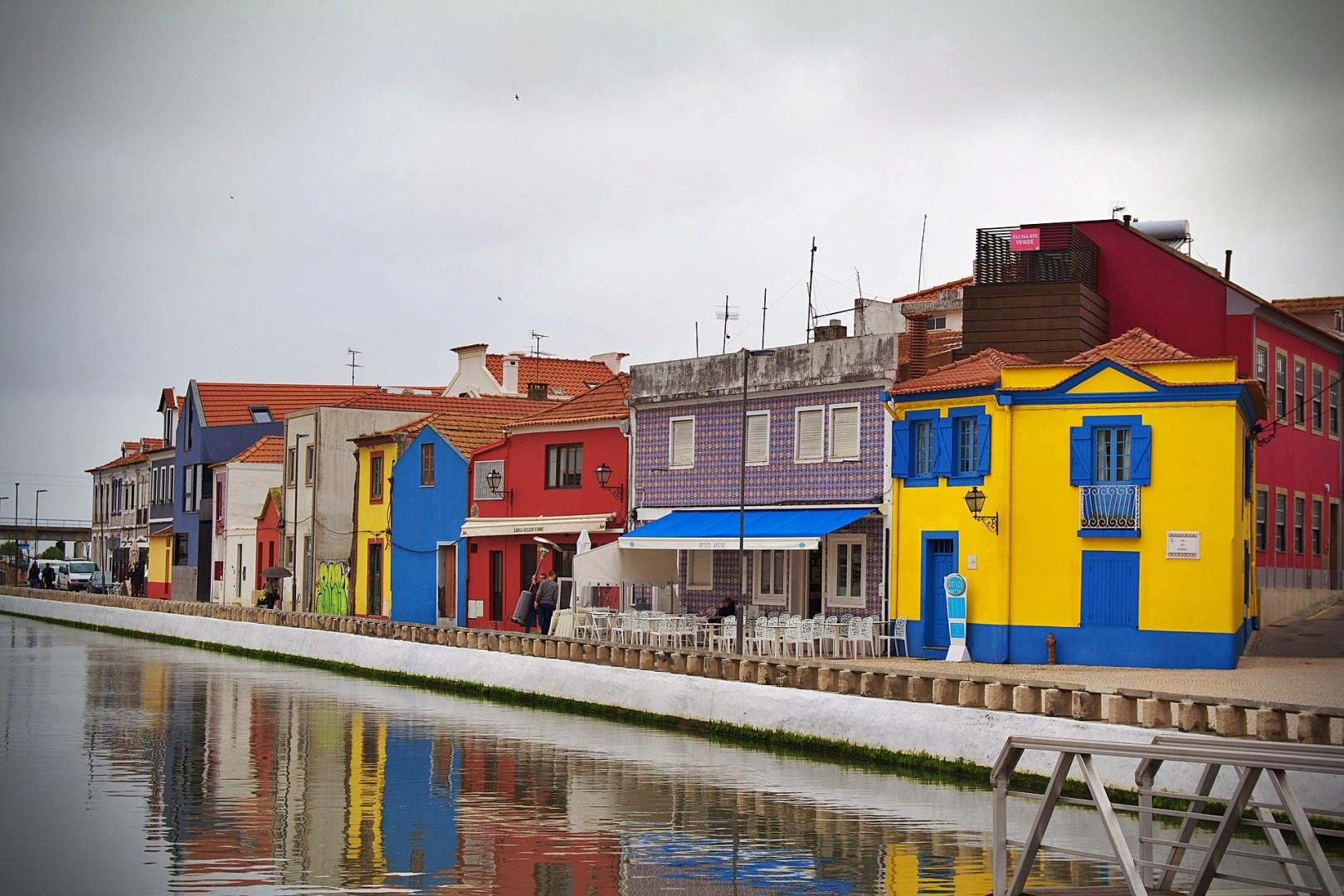
Aveiro, often called the "Venice of Portugal," enchants visitors with its picturesque canals, brightly painted boats called moliceiros, and Art Nouveau architecture. Located on the northern coast of Portugal, Aveiro offers a charming blend of history, culture, and natural beauty. Glide along its tranquil waterways on a moliceiro ride, once used to harvest seaweed but now a peaceful way to admire the city’s colorful façades and iconic architecture. These boats, decorated with vibrant, humorous pa
Santa Maria
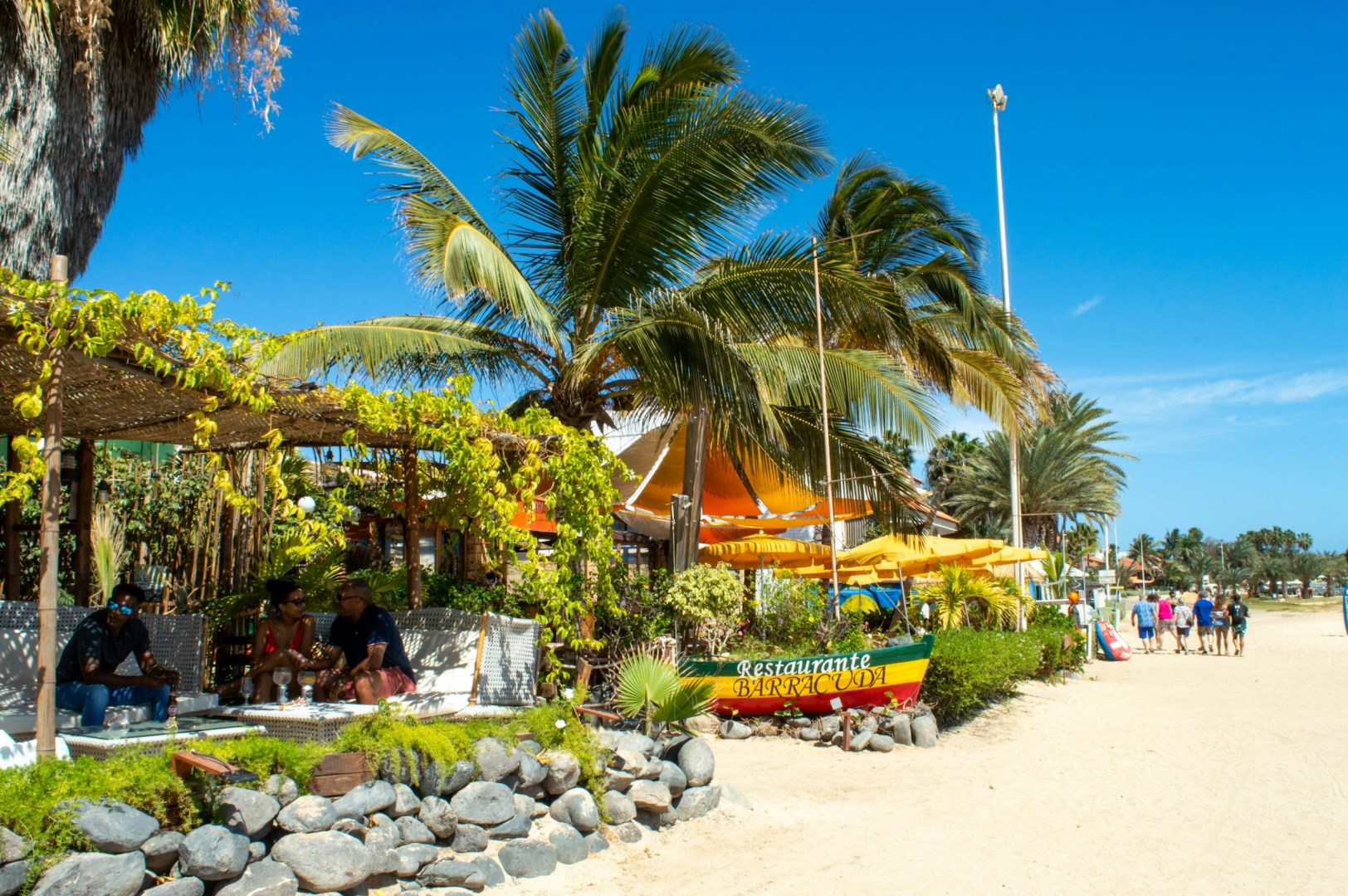
Santa Maria is the main coastal town on Sal, one of Cabo Verde’s eastern islands, and is closely connected with the island’s fishing and salt-producing heritage. The town developed beside a long sandy beach on the southern coast, with low buildings, narrow streets, small shops, restaurants, and a busy waterfront forming its center.