

Whistler
Whistler, nestled in the Coast Mountains of British Columbia, is a year-round destination renowned for its world-class skiing and vibrant outdoor lifestyle. As home to the largest ski resort in North America, Whistler Blackcomb, this picturesque town transforms into a snowy wonderland each winter.

Melk
Nestled along the south bank of the Danube, this historical Austrian city bursts with charm. A favorite stop on European river cruises, the city's most famous attraction is Melk Abbey, which dates back to the 11th century. The original Benedictine structure was lost to fires and foreign invasion, then rebuilt during the 18th century in lavish Baroque style, including a library and inner church covered in magnificent frescoes and gilded fixtures.

Egypt
Egypt is a land of timeless wonders, where ancient history meets modern vibrancy. The Great Pyramids of Giza, the Sphinx, and the Temple of Karnak are just a few of the awe-inspiring monuments that attract millions of tourists each year.

Xi'an
Xi’an, located in central China’s Shaanxi Province, served as the starting point of the ancient Silk Road and was the capital of 13 imperial dynasties. Its long history is most famously represented by the Terracotta Army, an underground army of life-sized warriors discovered in 1974. Each figure has distinct facial features, hairstyles, and armor, designed to protect Emperor Qin Shi Huang in the afterlife.
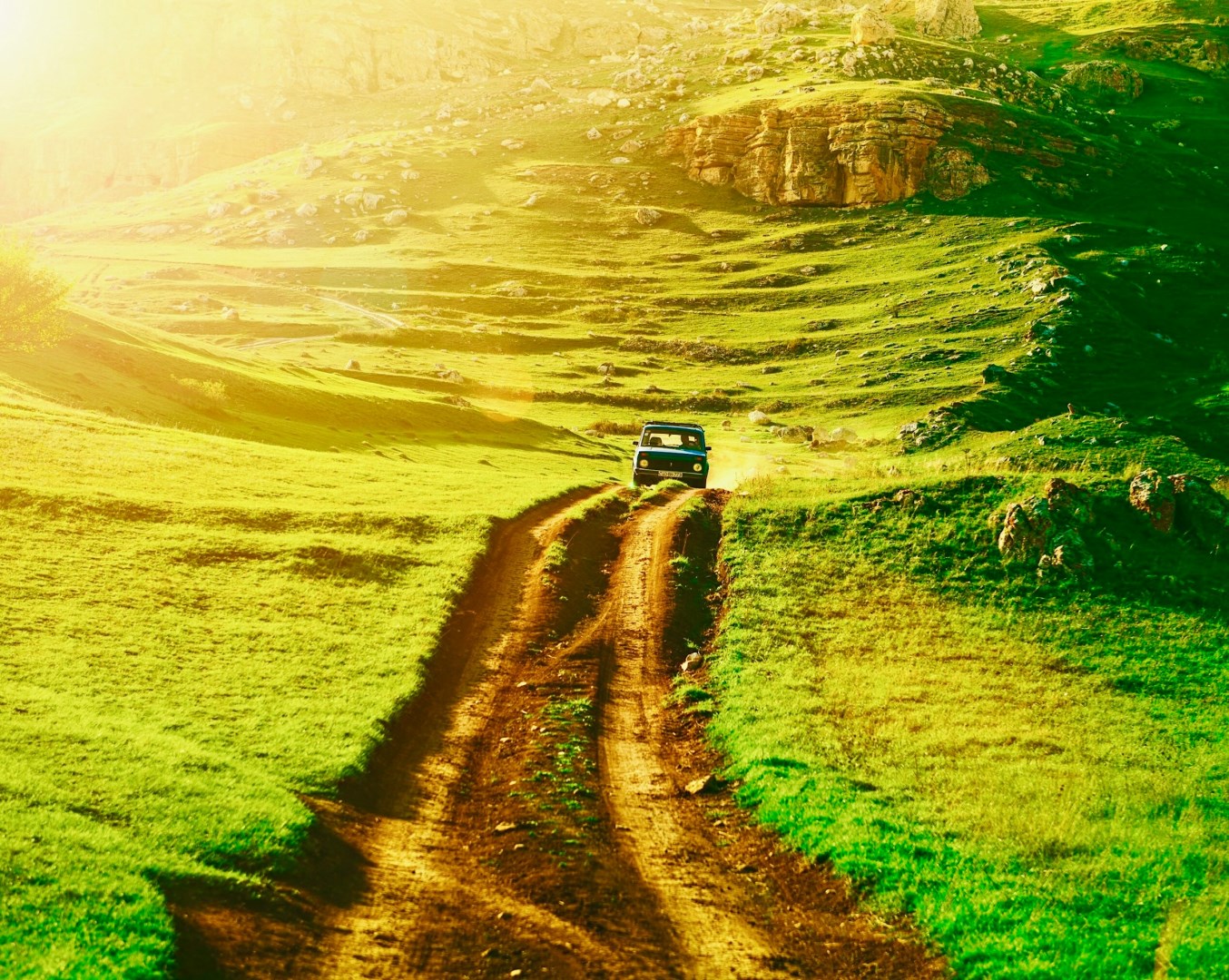
Khinaliq
Khinaliq is a high-mountain village in northern Azerbaijan, situated in the Greater Caucasus Mountains at an elevation of more than 2,000 meters. The village is built on steep slopes above the Qudyalchay valley, with tightly packed stone houses rising in terraces along the mountainside. Surrounding peaks, alpine meadows, rocky ridges, and deep valleys create a rugged landscape shaped by the high-altitude environment.
