

Russia
Russia attracts thousands of tourists each year who have a taste for cathedrals and monasteries, fine art, theater, museums, and the Russian culture in general.
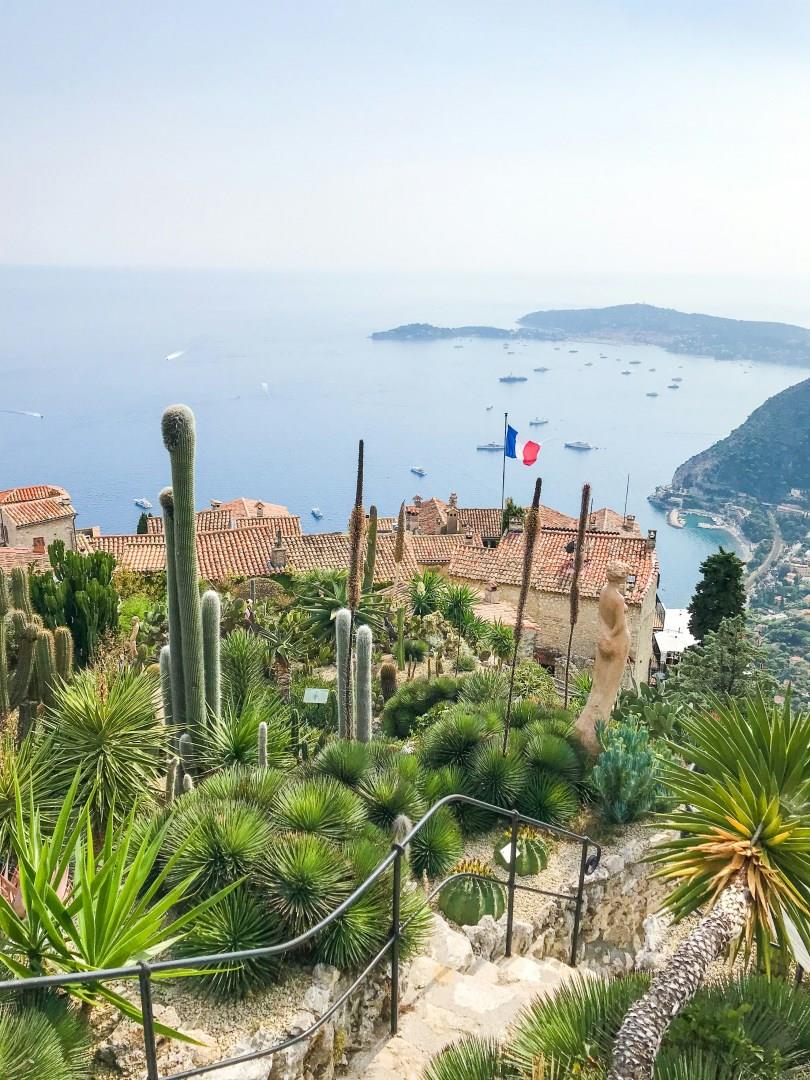
Èze
Eze is a hilltop village perched high above the Mediterranean on France’s Côte d’Azur, where stone houses and narrow lanes cling to a steep rocky outcrop between Nice and Monaco.
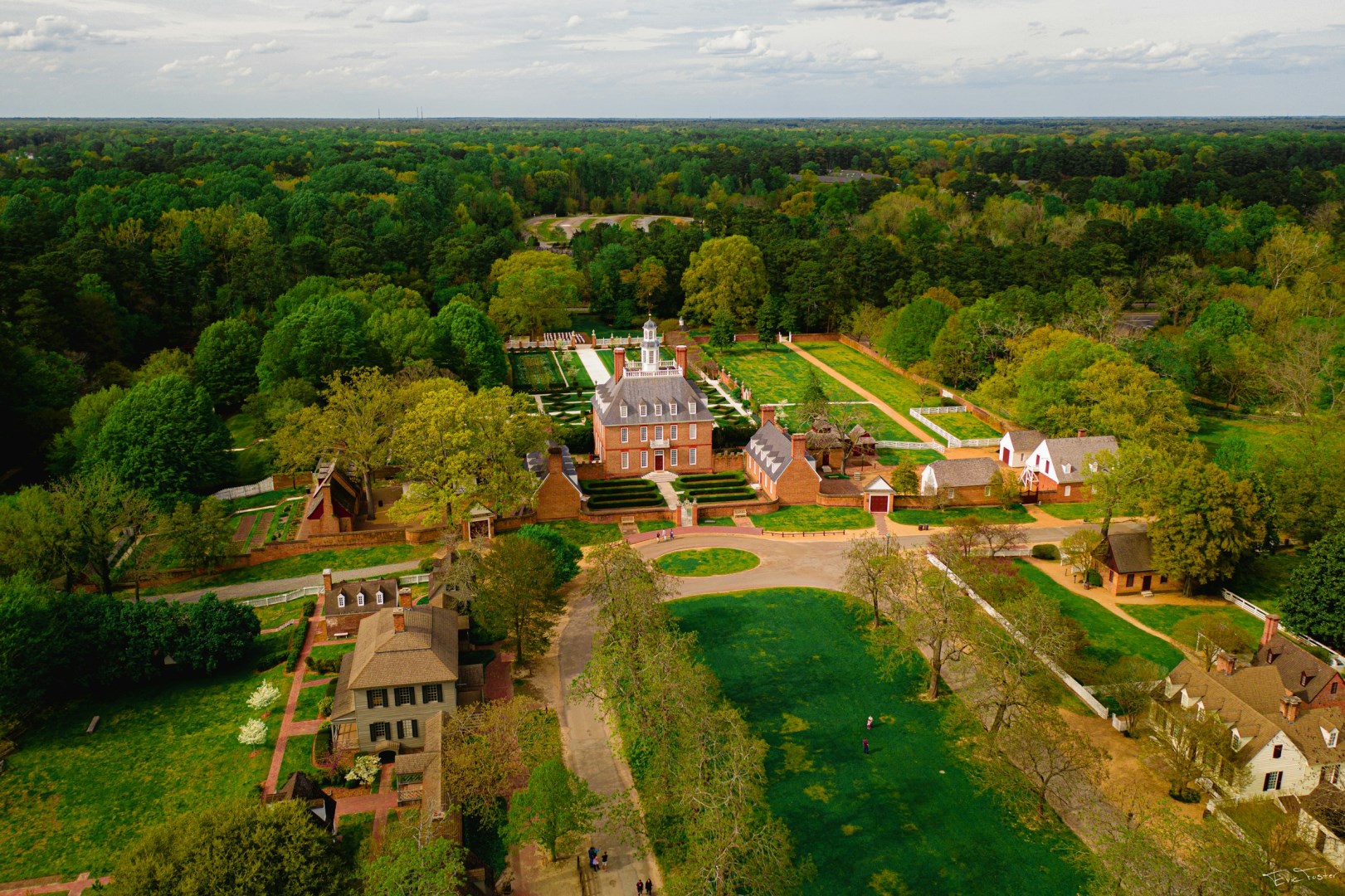
Williamsburg
Williamsburg, Virginia offers visitors the unusual opportunity to walk through a fully reconstructed 18th-century city. As the capital of the Virginia Colony from 1699 to 1780, Williamsburg played a key role in early American politics and daily life. Today, Colonial Williamsburg spans over 300 acres and includes historic buildings, working tradespeople, and costumed interpreters who bring the Revolutionary era to life.

Middelburg
Whether uncovering its past, enjoying its culinary delights, or simply soaking in the peaceful atmosphere, the picturesque Dutch city of Middelburg leaves a lasting impression on all who visit.

Puerto Plata
Puerto Plata, located on the Dominican Republic's northern coast, is the perfect tropical getaway for your next trip to the Caribbean! From Acapulco Beach to Playa Dorada, sandy beaches and warm turquoise waves are the highlight of this sunny destination.
