
Bogotá
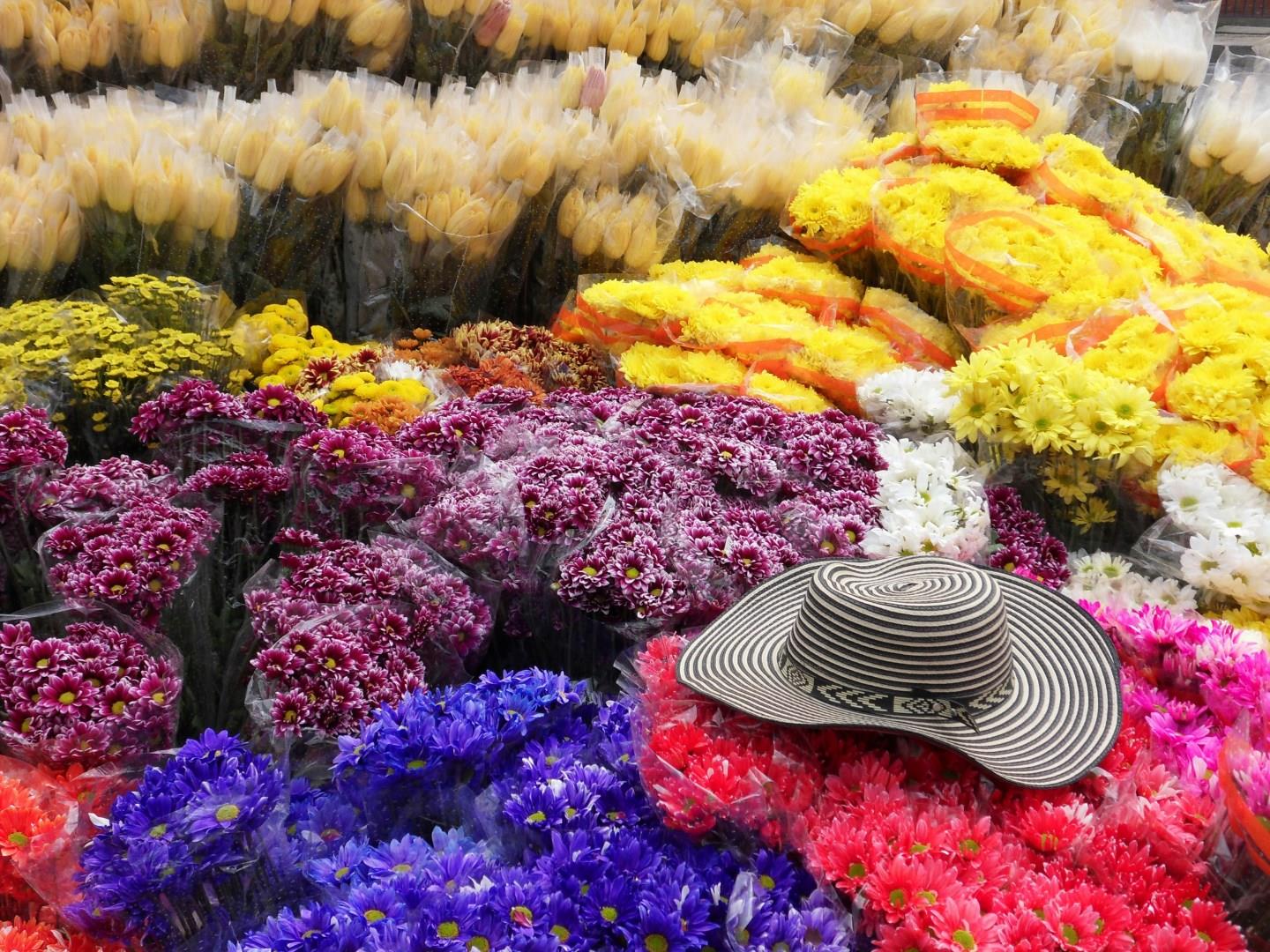
Bogotá, the vibrant capital of Colombia, sits high in the Andes at 2,640 meters above sea level. The city balances historic charm with modern energy, where cobblestone streets meet bold street art and colonial churches stand beside sleek galleries and cafes. At the heart of it all is La Candelaria, Bogotá’s oldest neighborhood, where travelers can visit centuries-old buildings, including the neoclassical Capitol and the richly decorated Gold Museum.
Tours
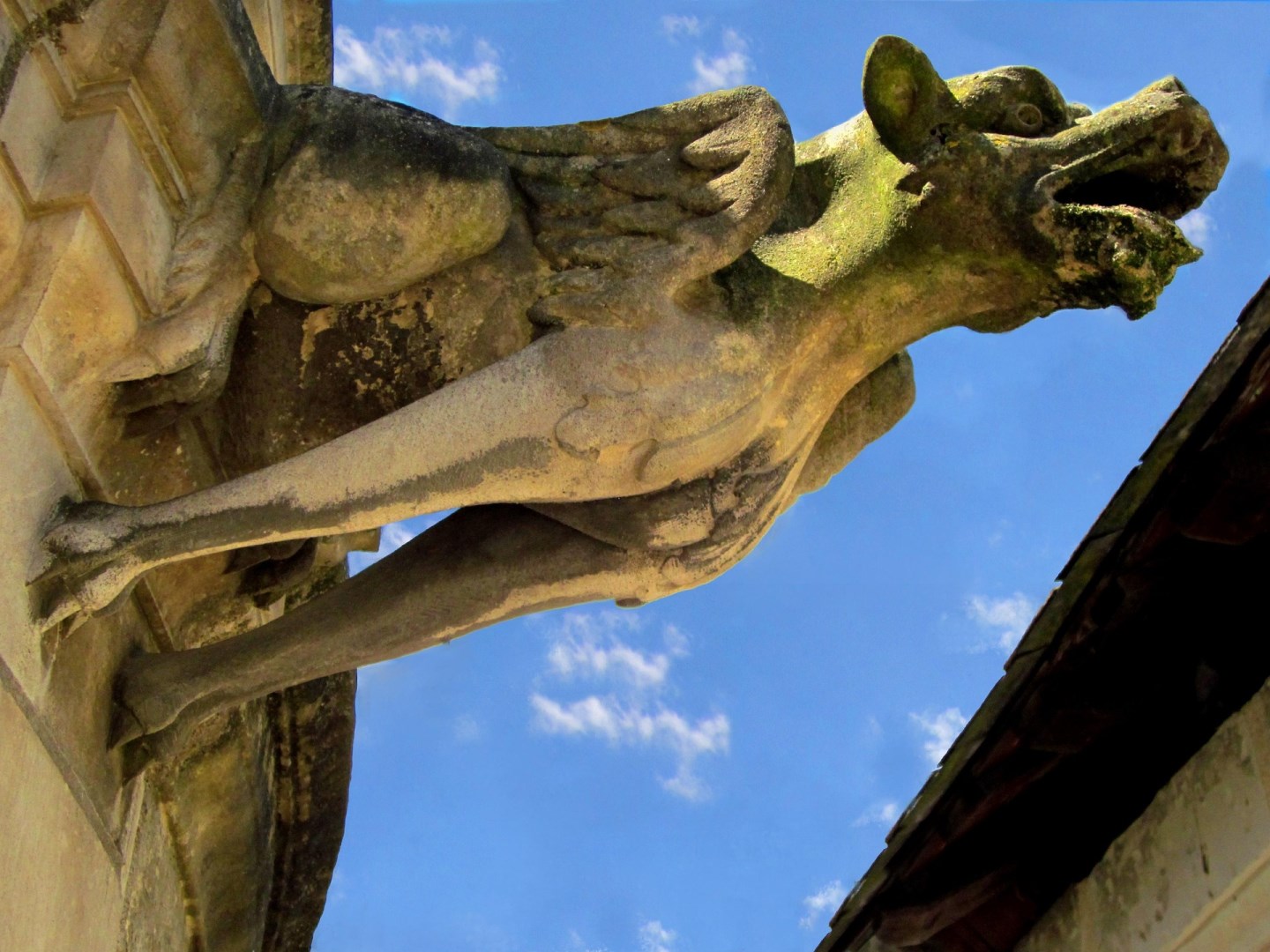
A major industrial area in the Loire Valley, it is an ancient city and was often visited in pilgrimages to pay homage to the tomb of St. Martin, a former bishop of Tours.

Delphi
Delphi is an iconic historical site and was once the sacred precinct of classical Greece, due to its role in Greek myth as the seat of a prophetic oracle. Originally considered the center of the world by ancient Greeks, today's Delphi is a UNESCO World Heritage site and archaeological wonder, filled with the ruins of theaters, temples, treasuries, and other remains of centuries-old architecture.
Lençóis Maranhenses National Park
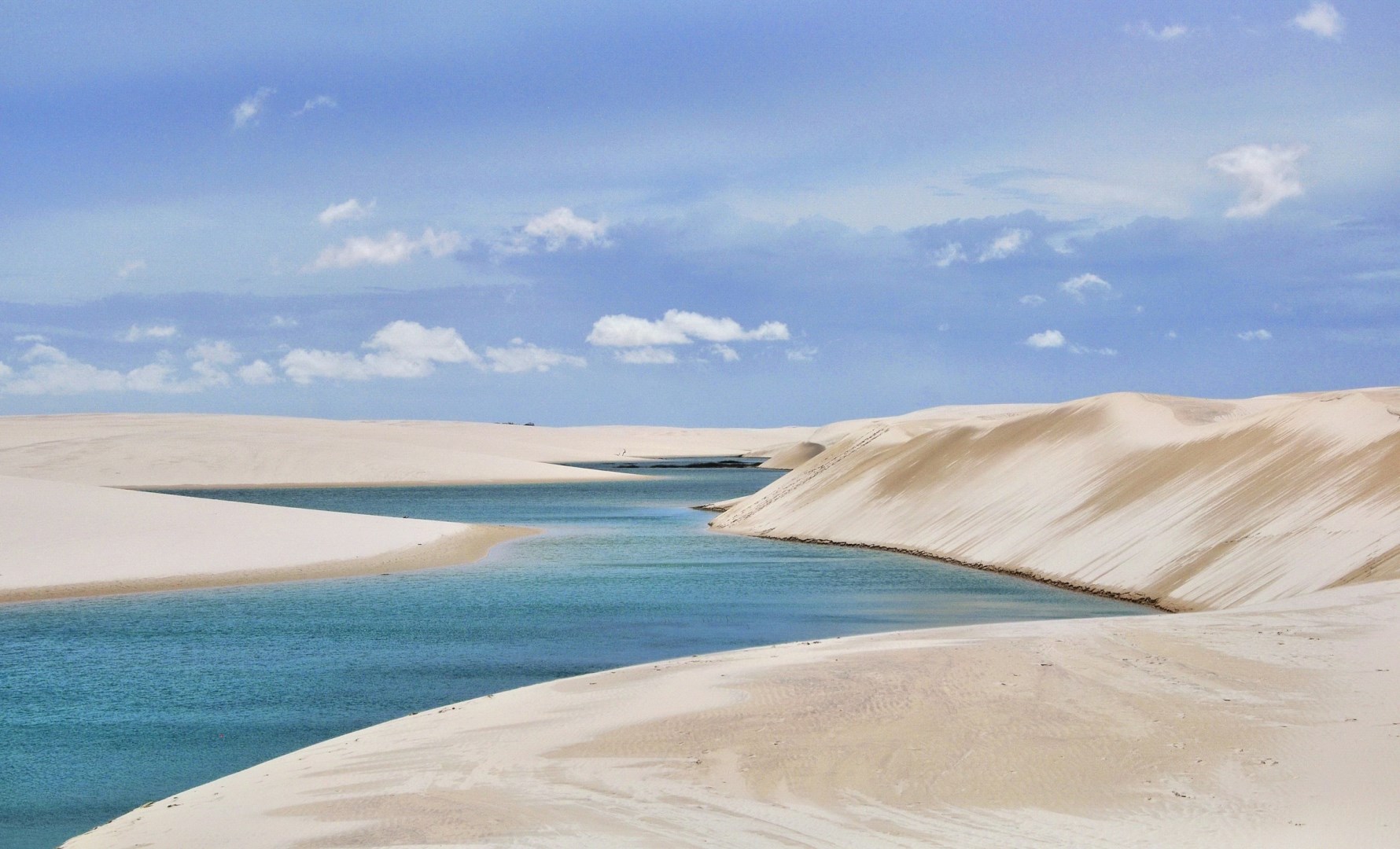
Welcome to Lençóis Maranhenses National Park, one of Brazil's most breathtaking natural wonders! Imagine endless stretches of white dunes with breaks of crystal-clear freshwater lagoons that fill during the rainy season. It's a photographer's dream and a hiker's paradise, where you can explore this surreal landscape by foot or on a thrilling 4x4 adventure.Whether you're seeking adventure or tranquility, this unique destination offers a once-in-a-lifetime experience you won't want to miss!

Pilsen
Pilsen, located in the western part of the Czech Republic, is renowned for its rich history and vibrant cultural scene. The city is best known as the birthplace of Pilsner beer, a name synonymous with the iconic pale lager that has become a global standard.
