
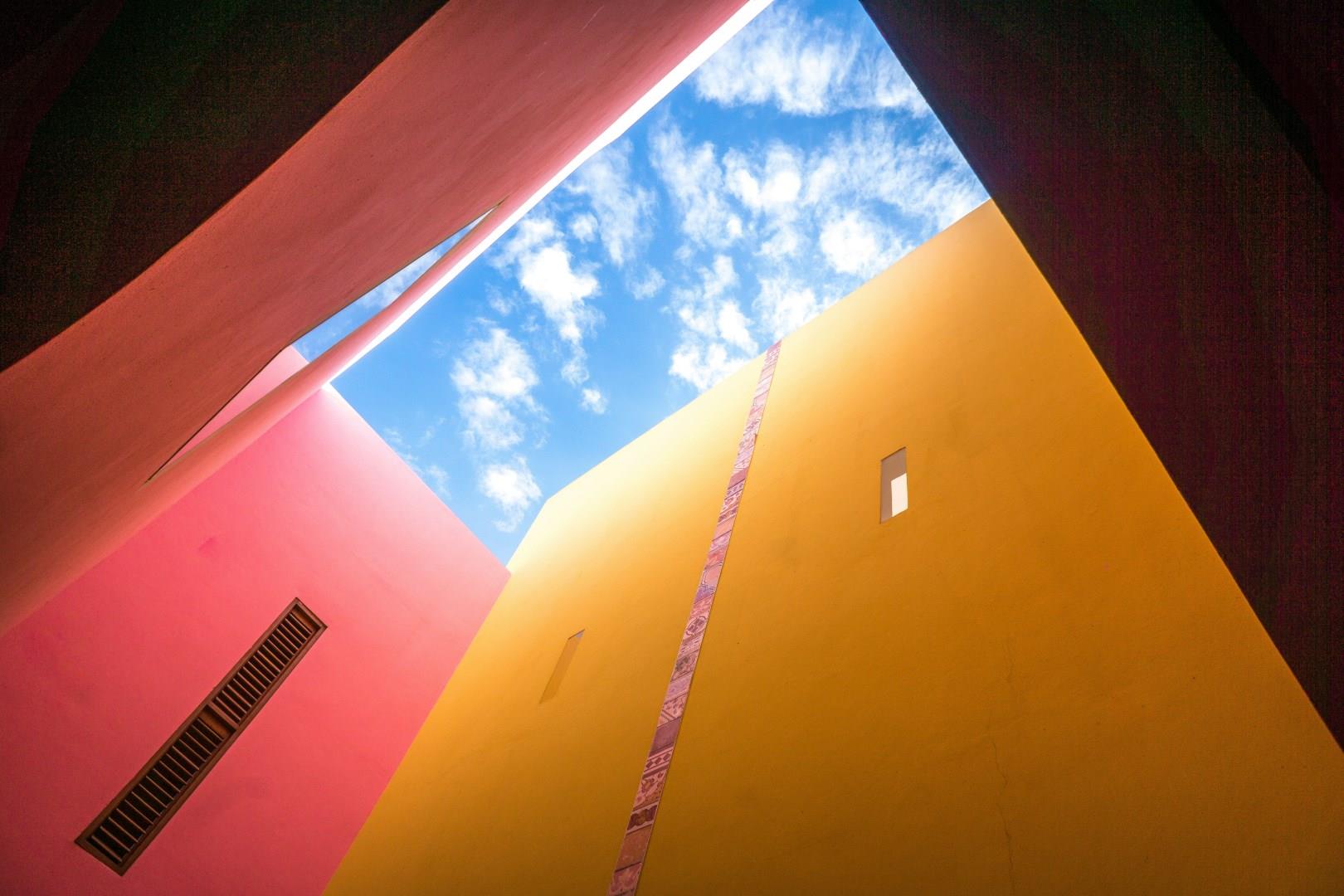
Mérida
Merida was once the sprawling capital of the Mayan empire and the center of their universe. Merida is now the center of a cosmopolitan universe, built on Mayan heritage, and given a unique twist by French and Mediterranean immigrants. Days are spent exploring the city's many museums and equally fascinating shopping districts. At night, local music can be heard from just about every park in the city, inviting newcomers to enjoy a romantic and fun-filled evening.
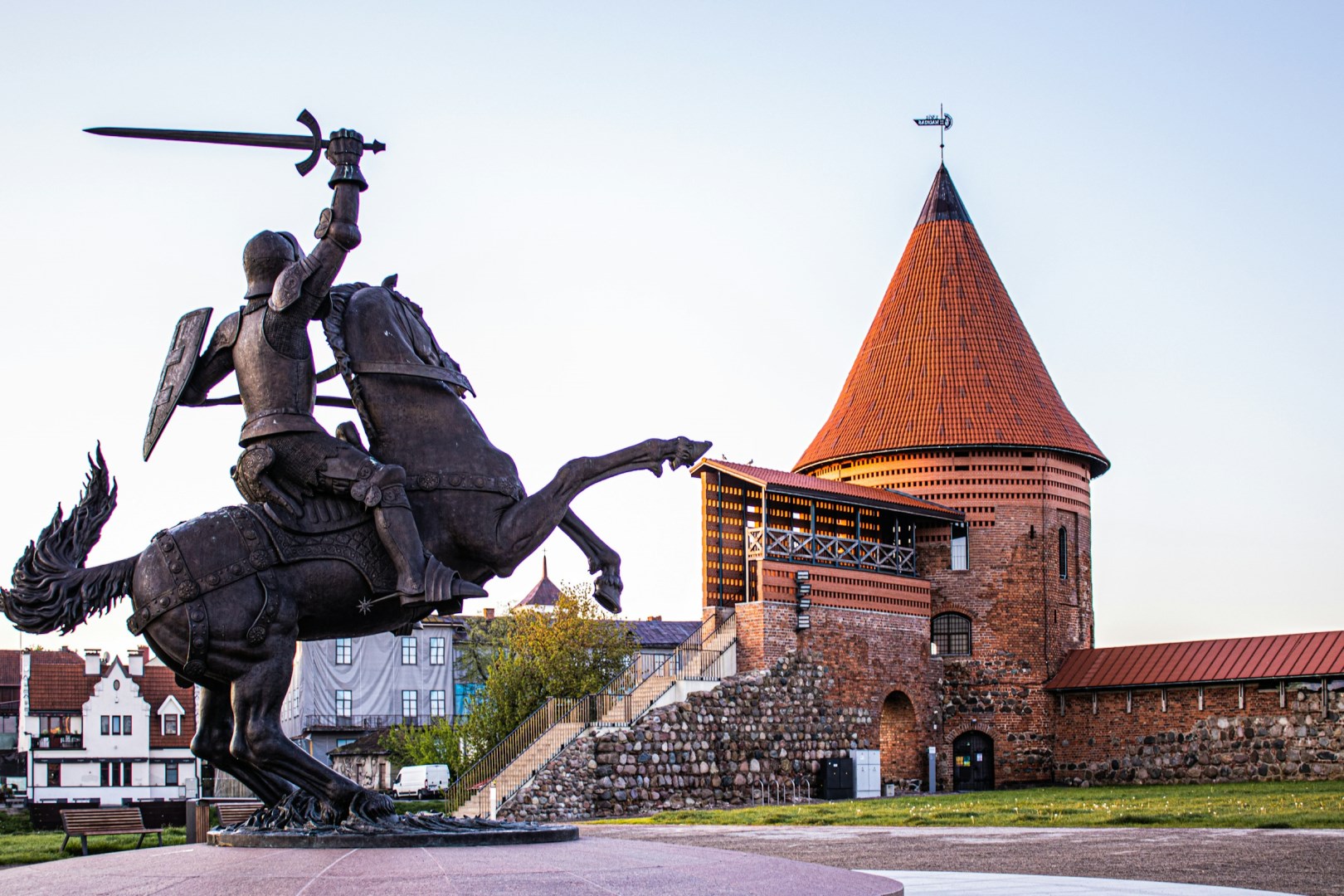
Kaunas
Kaunas is Lithuania’s second-largest city, located at the confluence of the Nemunas and Neris rivers in the country’s central region. Its historic center combines a compact Old Town of Gothic, Renaissance, and Baroque buildings with the broader streets and distinctive architecture of the New Town. Kaunas Castle, standing near the river confluence, is one of the city’s best-known landmarks, while Laisvės Alėja forms a long pedestrian boulevard through the central districts.
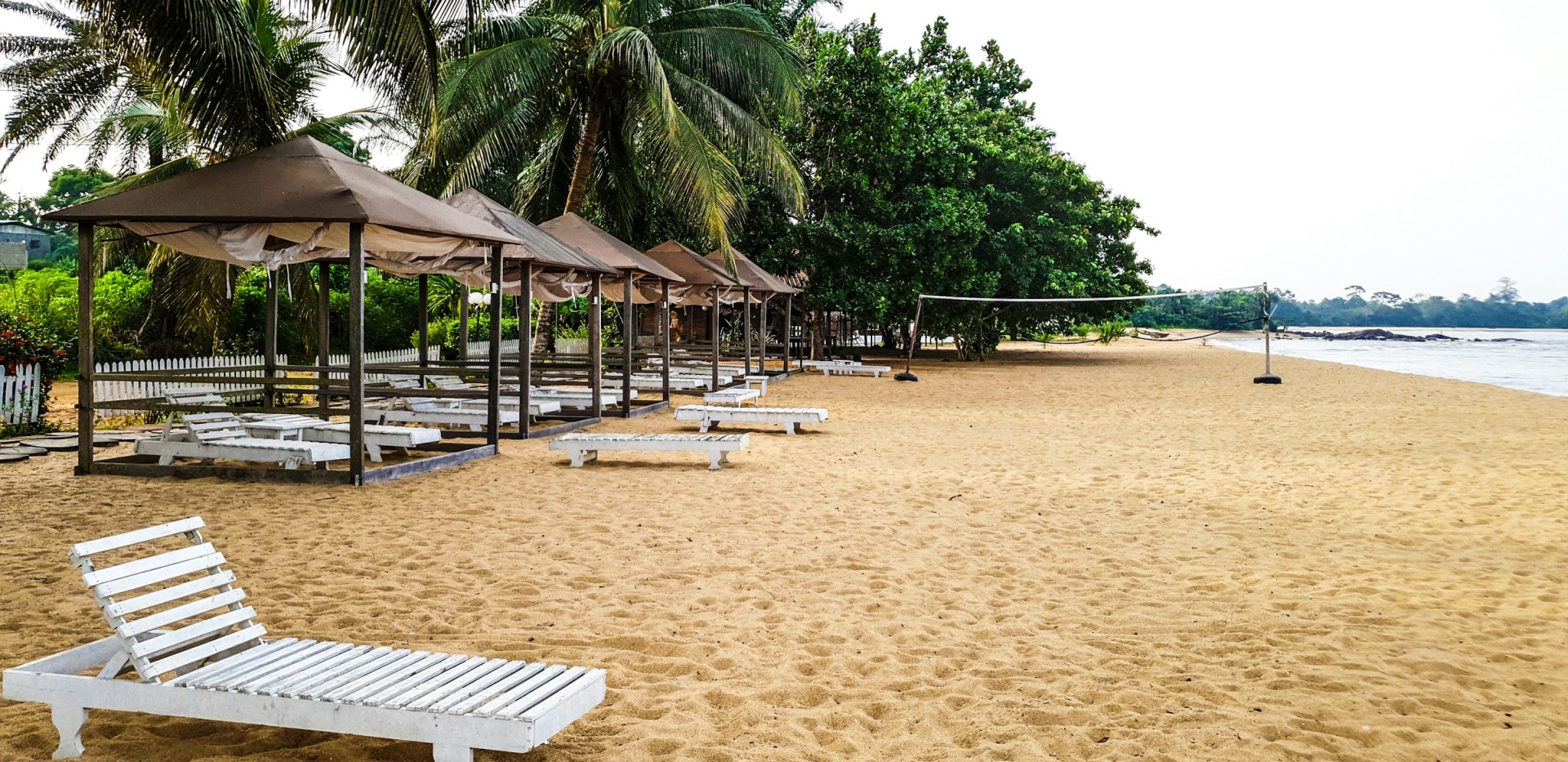
Kribi
Kribi is a coastal town in southern Cameroon, facing the Gulf of Guinea in the country’s South Region. It is known for long Atlantic beaches, a fishing port and a setting where dense equatorial forest reaches close to the sea.

Nawiliwilli, Kauai
This is your passage into the sacred "Garden Isle," where the sweet smell of the mokihana berry permeates the air and the lush green landscapes intoxicate your senses. Visit Waimea Canyon and witness the union of water, sunshine, clouds and canyon walls as they create the most colorful rainbows imaginable.

Nile River
The River Nile, most often associated with Egypt and its ancient civilizations, actually flows through eight other countries including Uganda, Ethiopia, Sudan, and Kenya. It is formed by two major tributaries, the White Nile and Blue Nile, and is considered by many to be the longest river in the world when measured from its source waters in Rwanda and Burundi.
