Nyeri
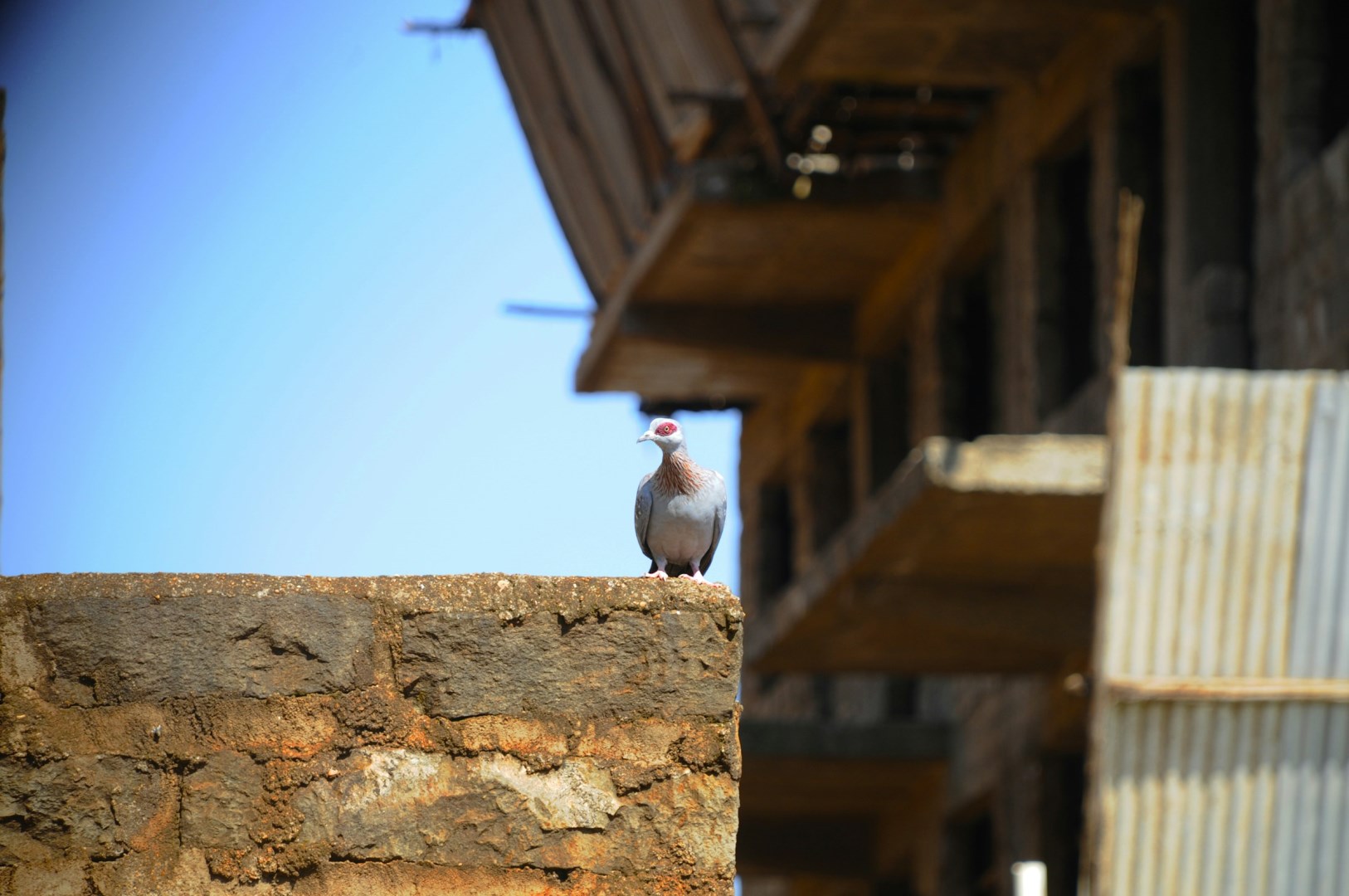
Nyeri is a town in central Kenya, set in the fertile highlands between Mount Kenya and the Aberdare Range. Its elevated location supports tea, coffee, dairy farming, and other forms of agriculture, while the surrounding landscape includes cultivated hills, forested slopes, and open farmland. Nyeri serves as the administrative centre of Nyeri County and is an important commercial hub for the central highlands.

Ensenada
Ensenada is an enchanting port city on the coast of Baja California, Mexico. Stroll along the harbor on the Malecón Promenade for spectacular panoramic views of the Pacific Ocean, or hit the town for a taste of Ensenada's thrilling night life and delectable local eats.
Lake Placid
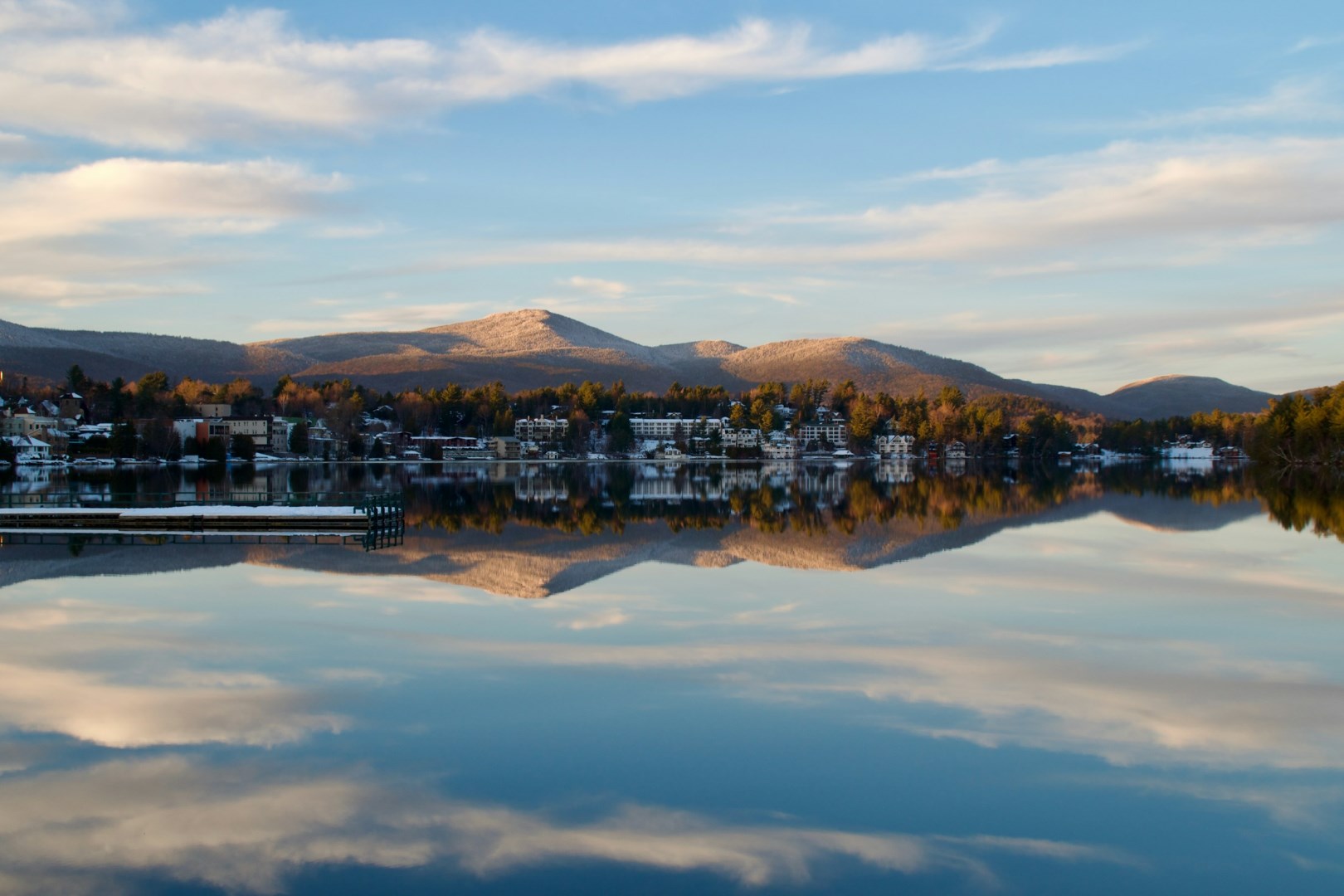
Lake Placid is a village in the Adirondack Mountains of northern New York, set beside Mirror Lake and close to the larger Lake Placid. Surrounded by forested mountains, the community has a compact centre with shops, restaurants, galleries, and lodging along Main Street. The area is part of the Adirondack Park, a vast protected landscape of forests, lakes, rivers, and mountains.

Hovden
Hovden is part of Setesdal, a region recognized for its distinctive Norwegian folk traditions and strong rural identity. Music and dance are especially important, with the Setesdal tradition of playing the hardingfele fiddle and munnharpe jaw harp included on UNESCO's Intangible Cultural Heritage list. The area also has a long connection with metalworking. The Hovden Museum of Iron Production presents a reconstructed iron-smelting facility and explains how local ore was processed using charcoal.
Douala
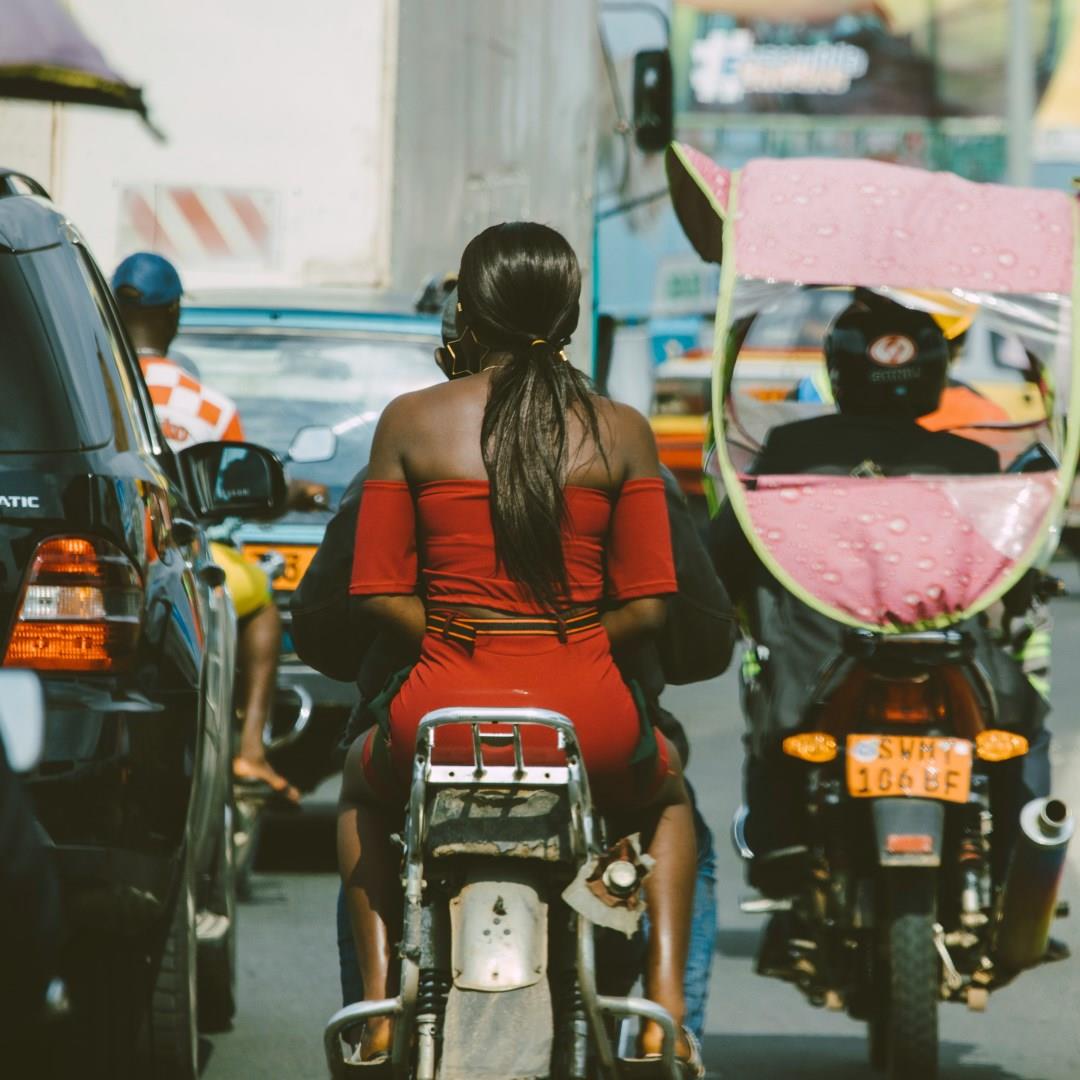
Douala is Cameroon’s largest city and its economic powerhouse, but beyond the busy ports and bustling streets lies a city full of creativity, flavor, and unexpected charm. Located on the Atlantic coast, Douala has long served as a crossroads of cultures. The city's waterfront, especially along the Wouri River, is a great place to watch the movement of boats, local fishermen, and floating markets while soaking in the tropical coastal air.