
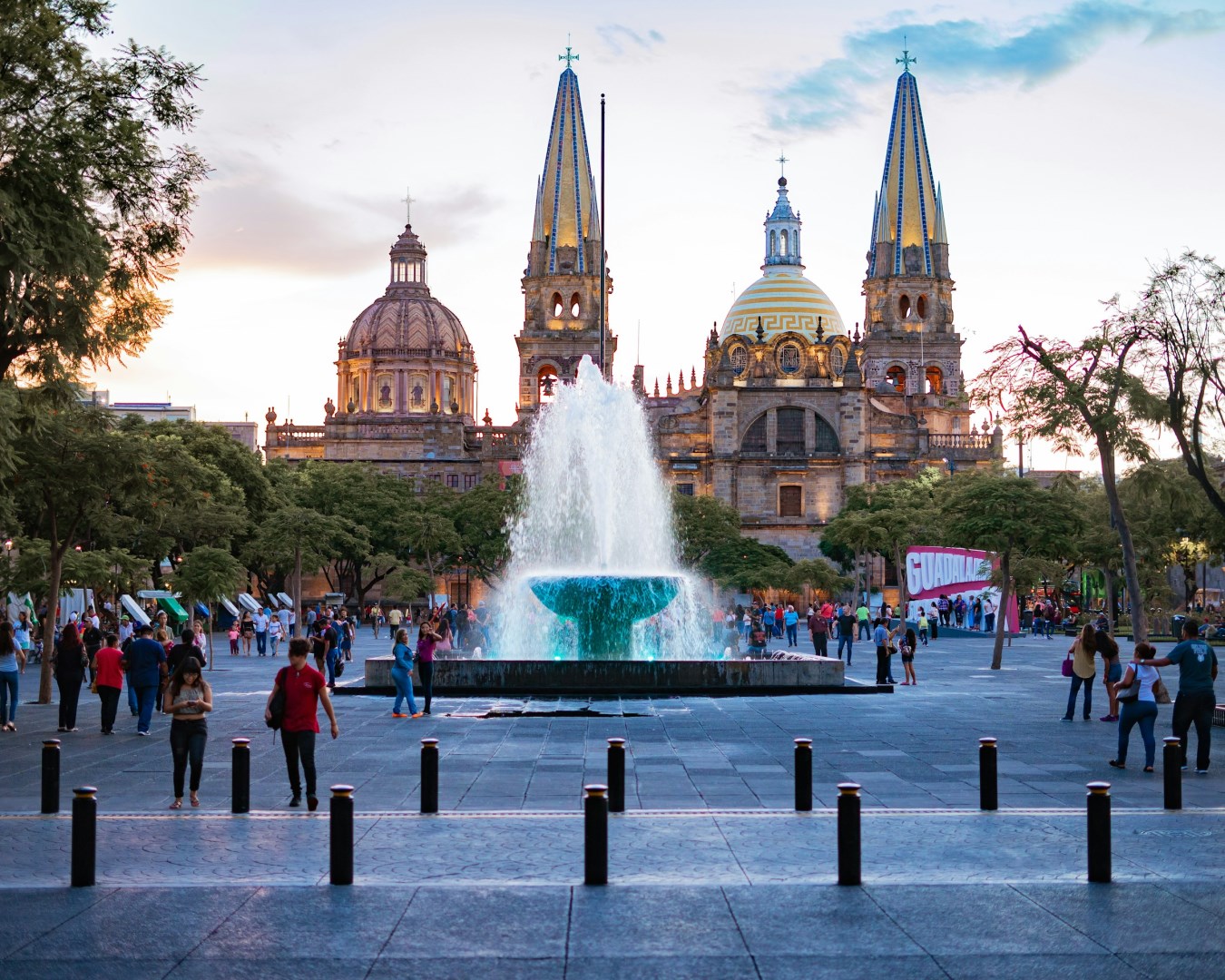
Guadalajara
In the central highlands of Mexico lies a rich city, with a culture as colorful as its past. Guadalajara, Mexico's second largest city, may be best known for its tequila, mariachis and the hat dance, all part of its celebrations. The downtown area is dominated by a huge public square, the Plaza del la Liberacion. Guadalahara's most impressive historical sights are found along this square, as well as museums tracing Mexico's long history.

Island Of Mozambique
The Island of Mozambique, a UNESCO World Heritage Site, is a historical gem nestled off the northern coast of Mozambique. This small island, which was once a pivotal trading post, boasts a rich tapestry of history and culture. The island's main attraction is the Fort São Sebastião, an imposing 16th-century fortress built by the Portuguese to protect their trading interests.

Palermo, Sicily
Palermo, the vibrant capital of Sicily, Italy, is a city where history, culture, and gastronomy converge in a kaleidoscope of experiences. A walk through Palermo is like stepping into a living museum, where Byzantine, Arab, Norman, and Baroque influences blend seamlessly. The Palermo Cathedral, a masterpiece of architectural evolution, showcases a mix of styles from its Norman origins to later Baroque and Neoclassical elements.
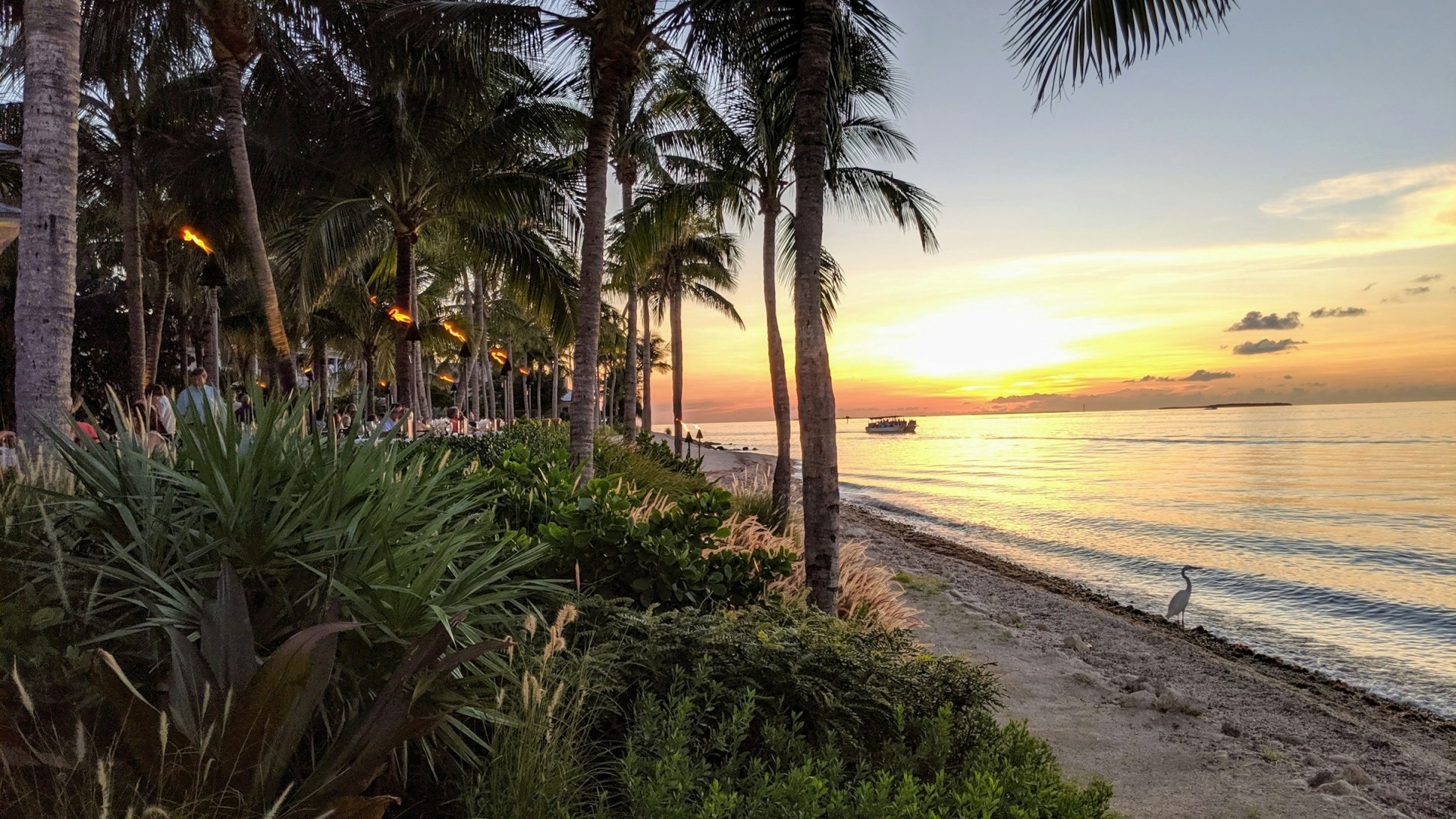
Sunset Key
Sunset Key is a small private island just offshore from Key West in the Florida Keys, offering a quieter setting surrounded by the Gulf of Mexico. The island is centered on residential properties and the Sunset Key Cottages resort, with white-sand beaches, palm trees and low-rise buildings arranged along brick-paved paths. Access is by boat from Key West, giving the island a distinct separation from the busy streets of the city. Its compact size and waterfront setting make Sunset Key notably dif
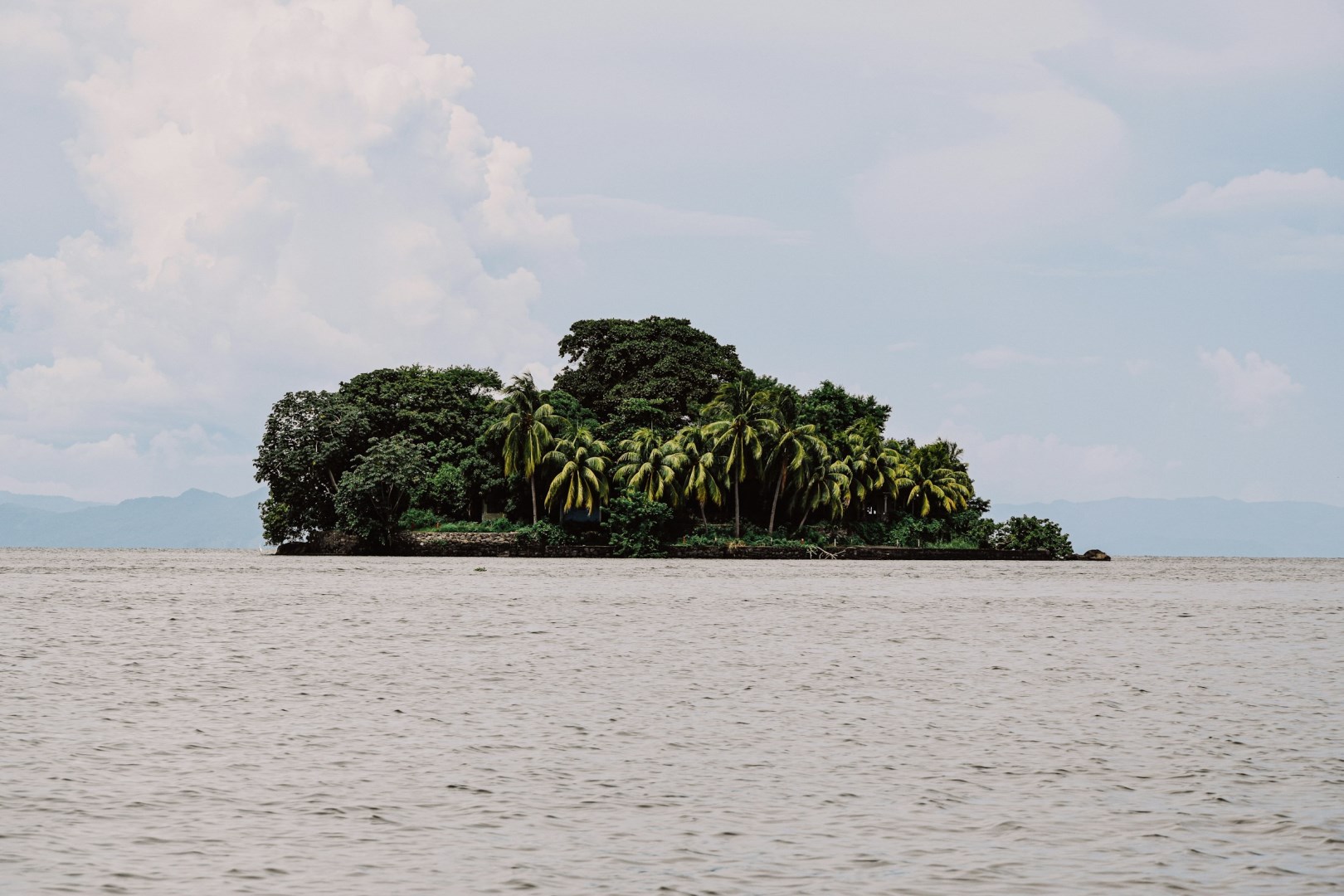
Corn Islands
Corn Islands are a small Caribbean archipelago off Nicaragua's southeastern coast, made up of Great Corn Island and Little Corn Island. The islands are surrounded by clear Caribbean waters, coral reefs, sandy beaches, and tropical vegetation.
