
Yemen
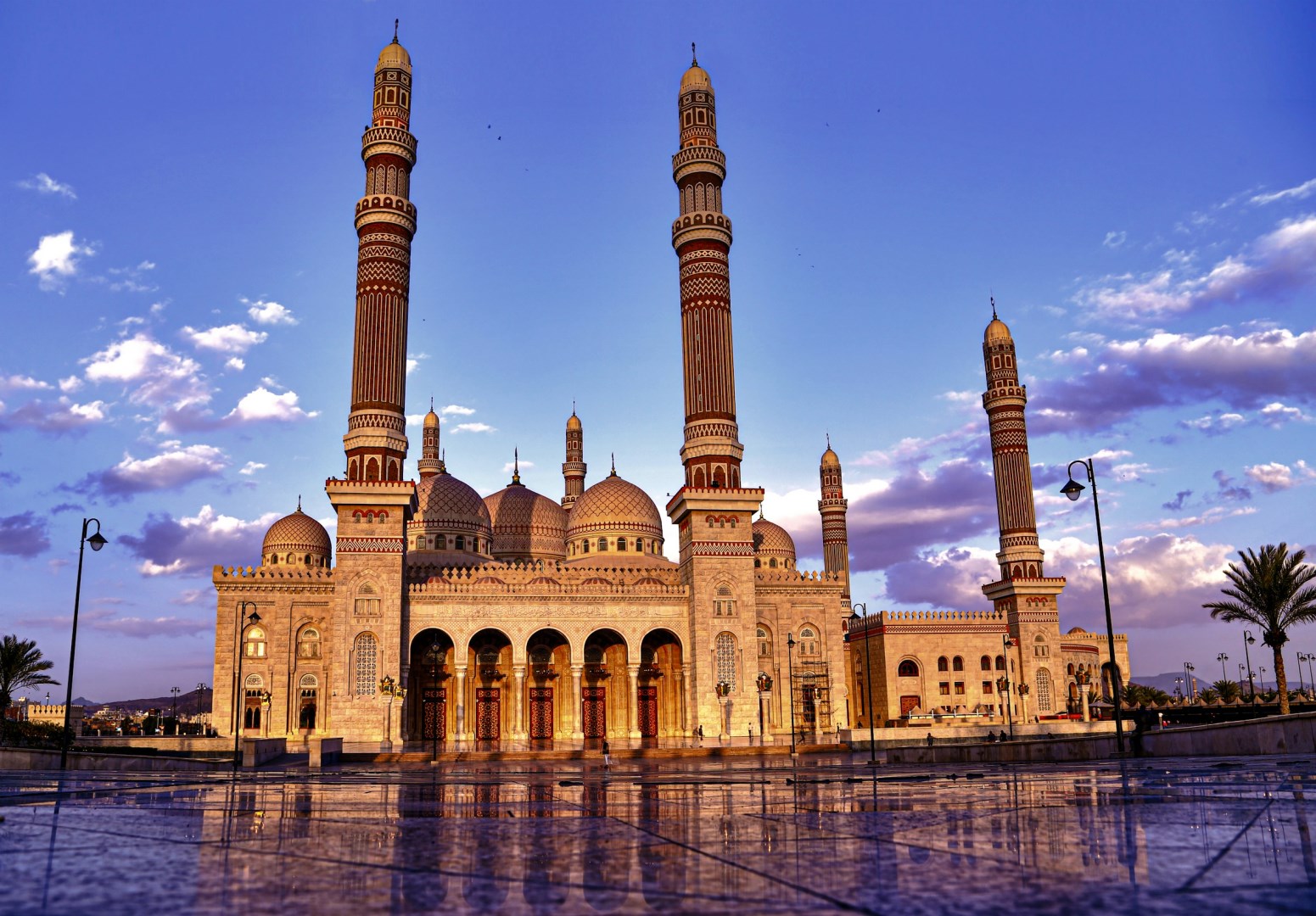
Yemen’s Old City of Sana'a stands as a living mosaic of civilizations. Just past the ornate Bab al‑Yaman gate, towering homes made of adobe, lime plaster, and layered with qatad (plaster) rise like giants in the maze of markets and quiet courtyards. Nearby, the ruins of Ghumdan Palace, once said to rival skyscrapers, recall a pre‑Islamic past and offer echoes of bygone architectural ambition.
Pingyao
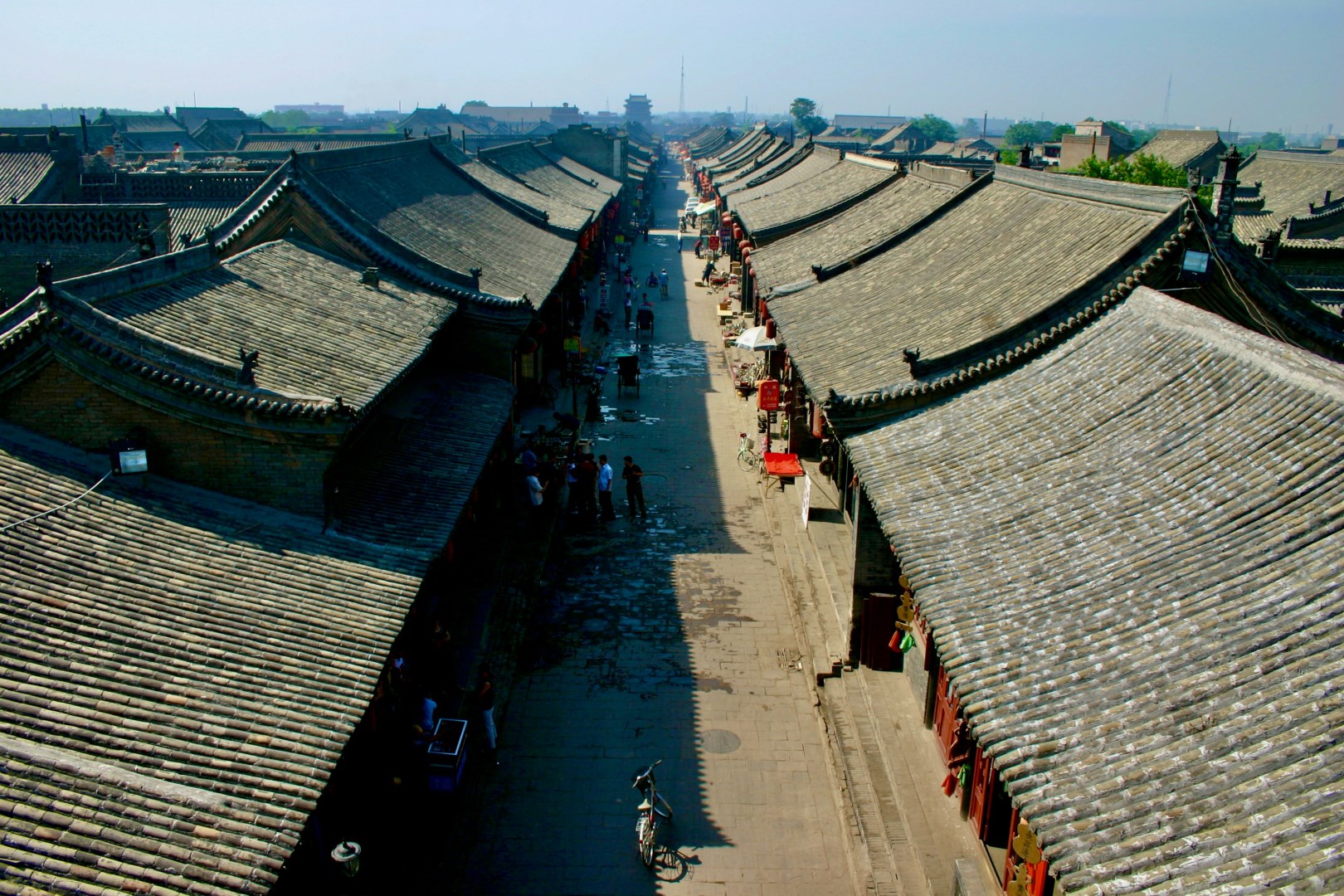
Pingyao, a city steeped in ancient charm, offers a remarkable glimpse into China’s rich history. This well-preserved city, a UNESCO World Heritage Site, is renowned for its classical ancient architecture, which remains largely intact since the Ming and Qing dynasties. Wander through the Pingyao Ancient City Wall, a formidable structure that encircles the city and provides panoramic views of the surrounding landscape.
Windsor
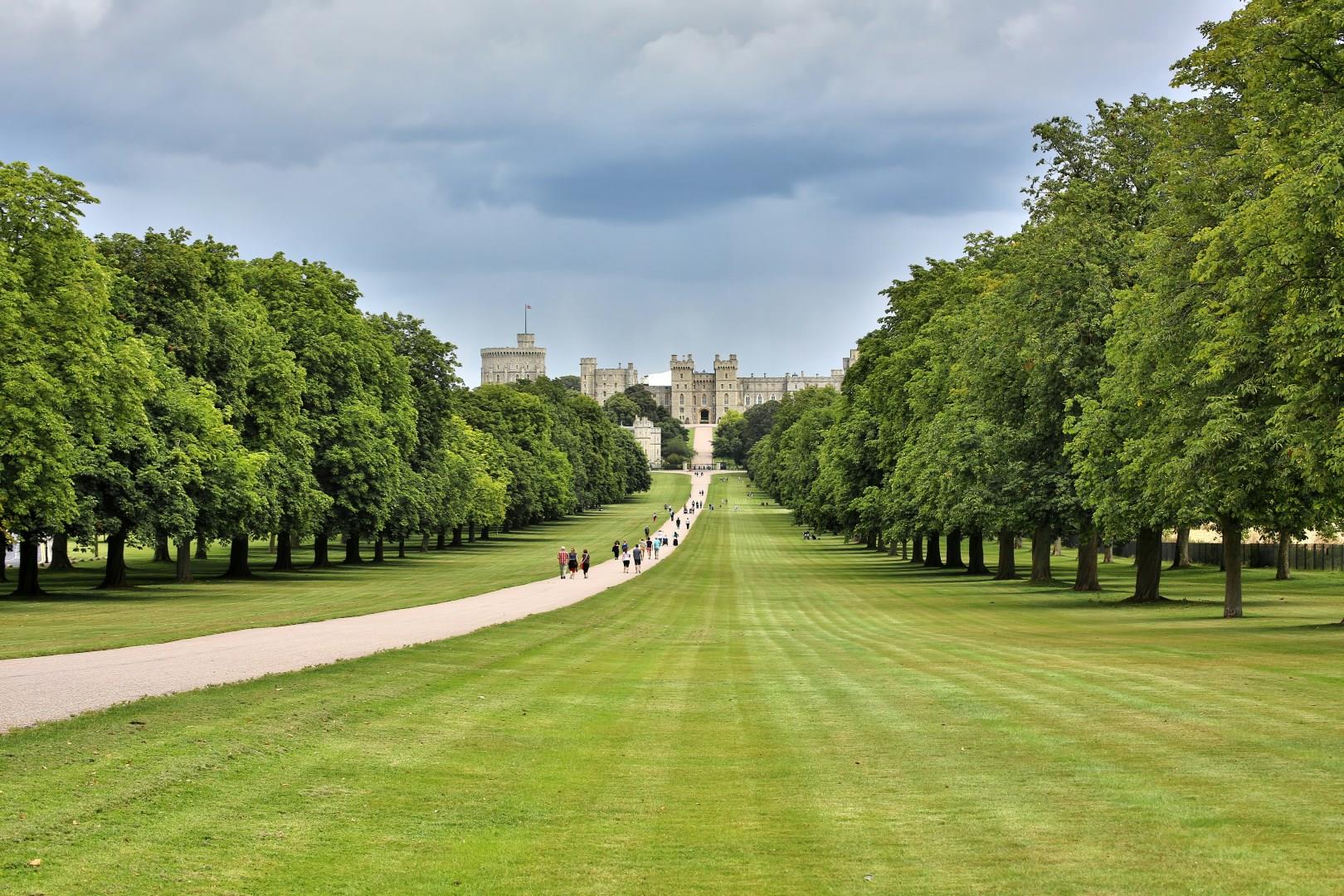
Windsor sits along a bend in the River Thames, its identity shaped by nearly a thousand years of royal presence. Windsor Castle, the world’s oldest continuously inhabited royal residence, dominates the town and anchors its historical significance, but the surrounding streets and parks reveal a place that has long supported court life, trade, and everyday routines alongside ceremony.
Wamena
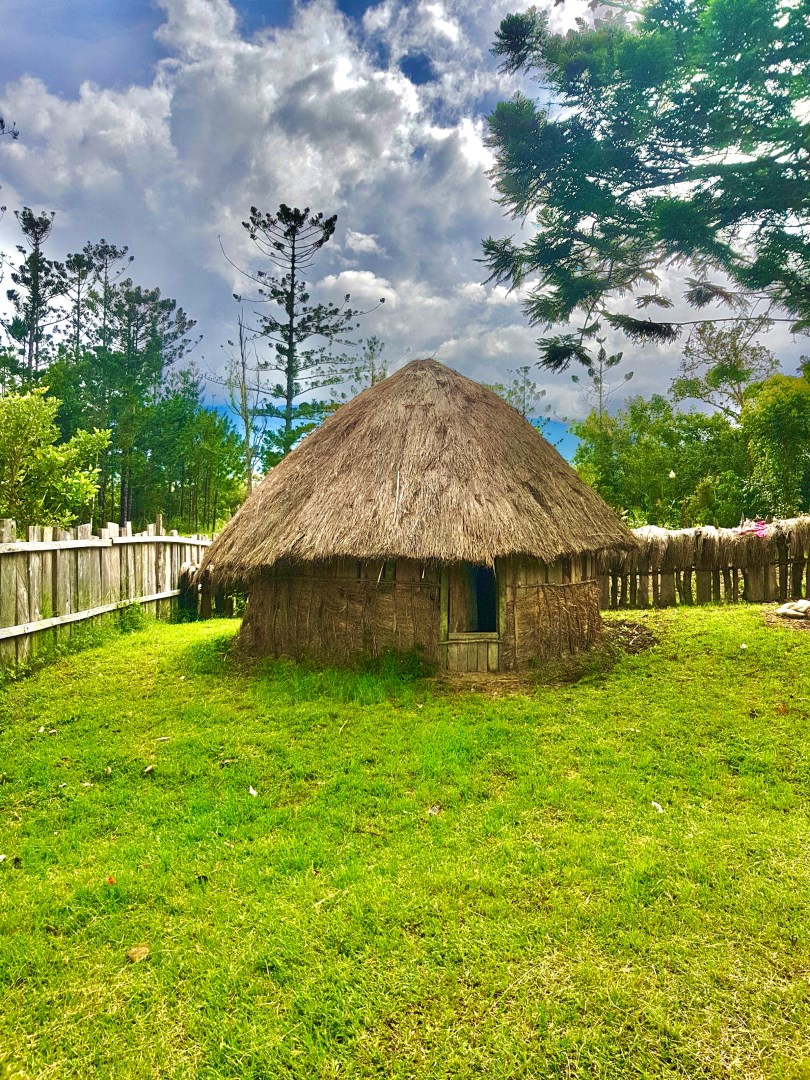
Wamena is a part of Irian Jaya and shares a landmass with Papua New Guinea and it's peoples culture is very similar to the Papuans. From snow capped mountains to jungles, from swamps to glaciers there is much to explore in this less traveled, diverse region.
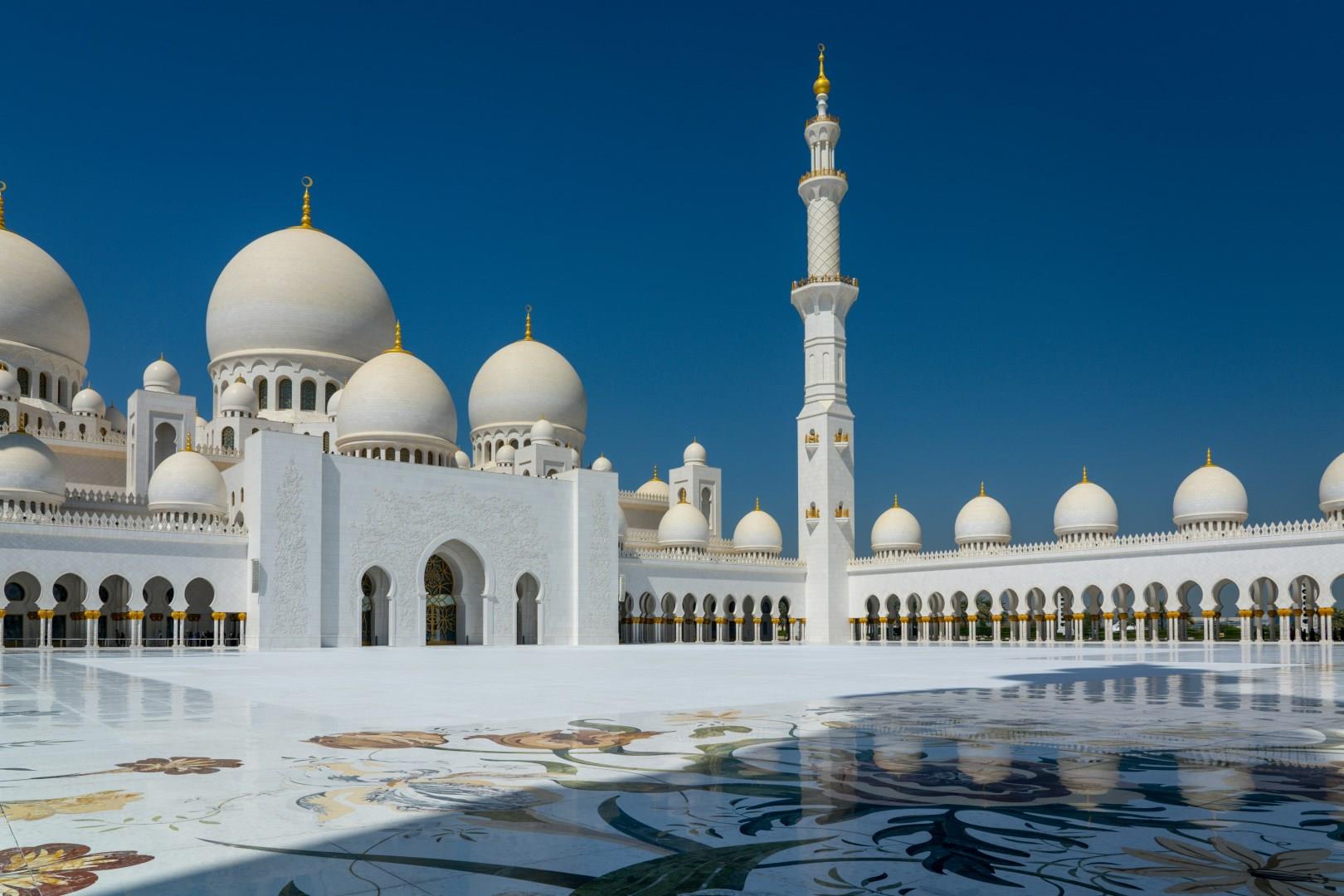
Fujairah
Fujairah stands apart among the emirates as the only one on the UAE’s eastern shore, where waves roll in from the Gulf of Oman and the Hajar Mountains rise sharply behind the city. Life here moves between sea and mountain, where coastal breeze meets rugged terrain, and echoes of ancient trade routes still shape the rhythm of settlements.
