

Pompeii
Pompeii, Italy, is a mesmerizing time capsule that invites travelers to step back into the world of ancient Rome. Once a thriving city, Pompeii was abruptly buried under volcanic ash and pumice following the catastrophic eruption of Mount Vesuvius in 79 AD. This tragic event preserved the city in remarkable detail, allowing visitors today to walk the cobbled streets and witness a snapshot of Roman life, from grand villas and bathhouses to bakeries and amphitheaters.
Ojai
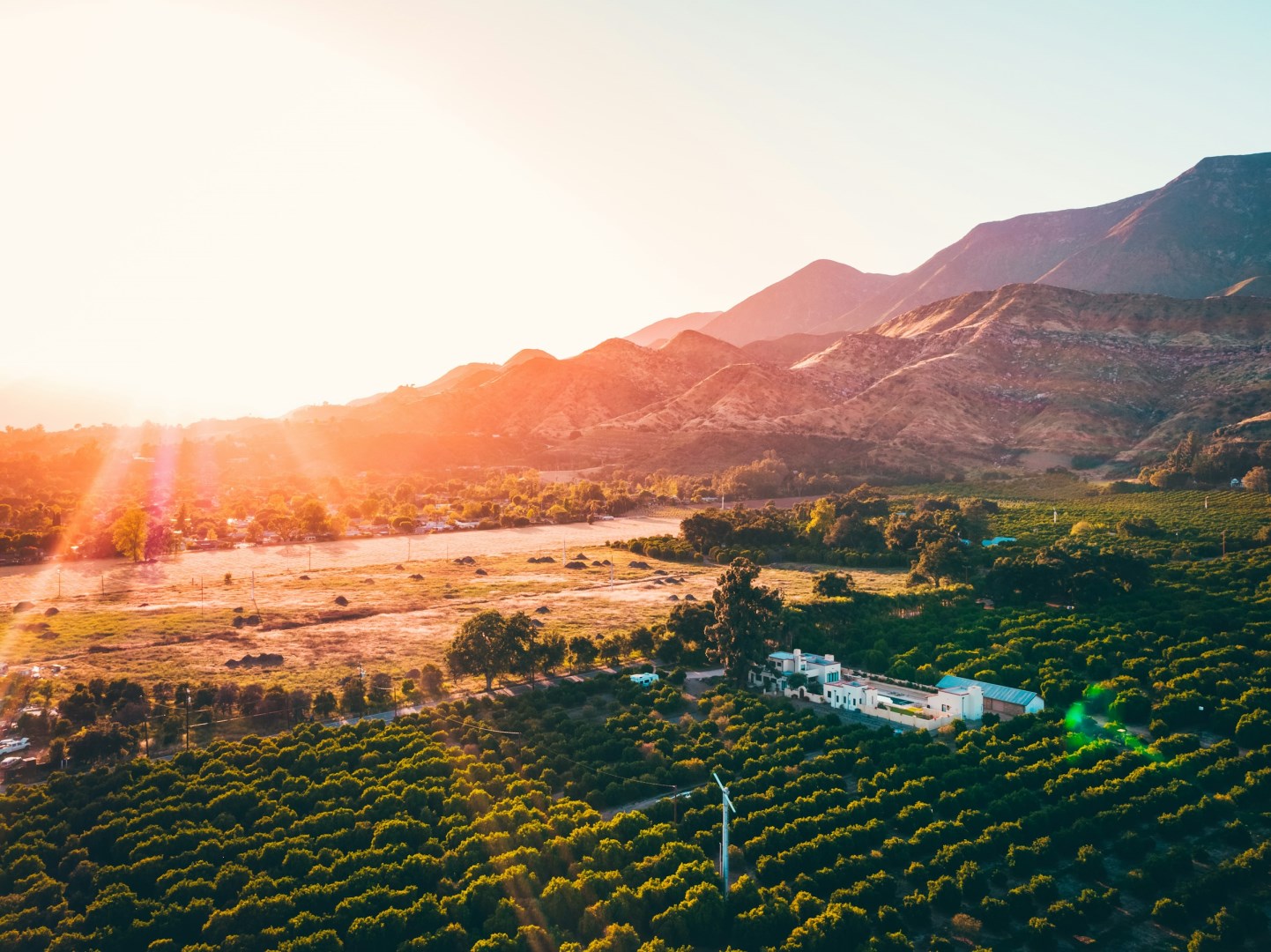
Ojai (pronounced "Oh hi") is an Indian name generally accepted as meaning "the nest," although experts also interpret it as "moon." The valley was home to the Chumash who ascribed the east-west lying valley with mystical powers and found sanctuary in its canyons and mountains.
Colmar
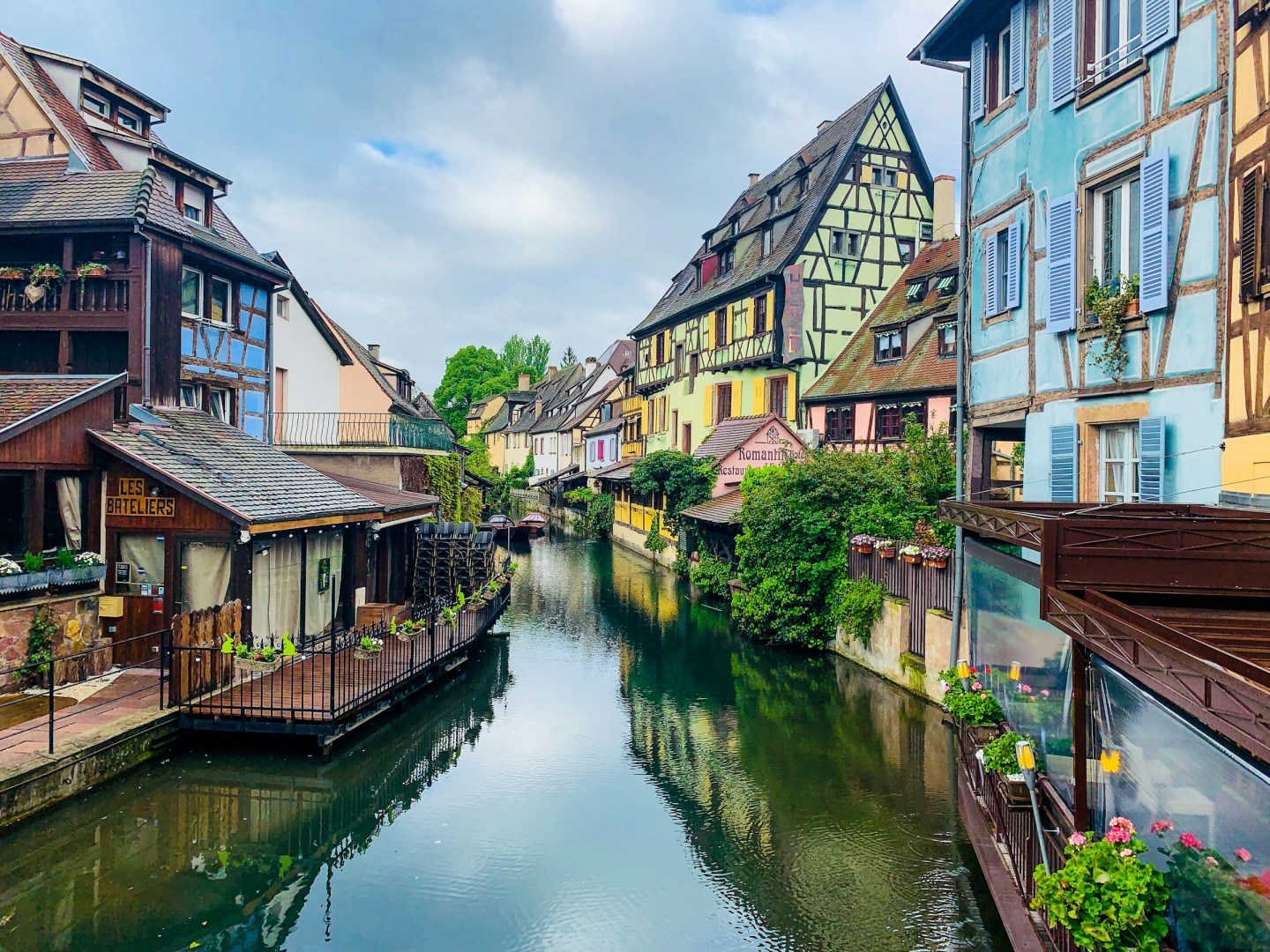
Colmar is a city in Alsace, northeastern France, situated between the Vosges Mountains and the Rhine plain. Its historic centre is known for canals, narrow streets, colourful timber-framed houses, and buildings with carved details that reflect the region's Germanic and French influences. The Lauch River passes through the district known as Little Venice, while the covered market, old customs house, and former merchant houses add to the architectural variety.
Mt. Rushmore
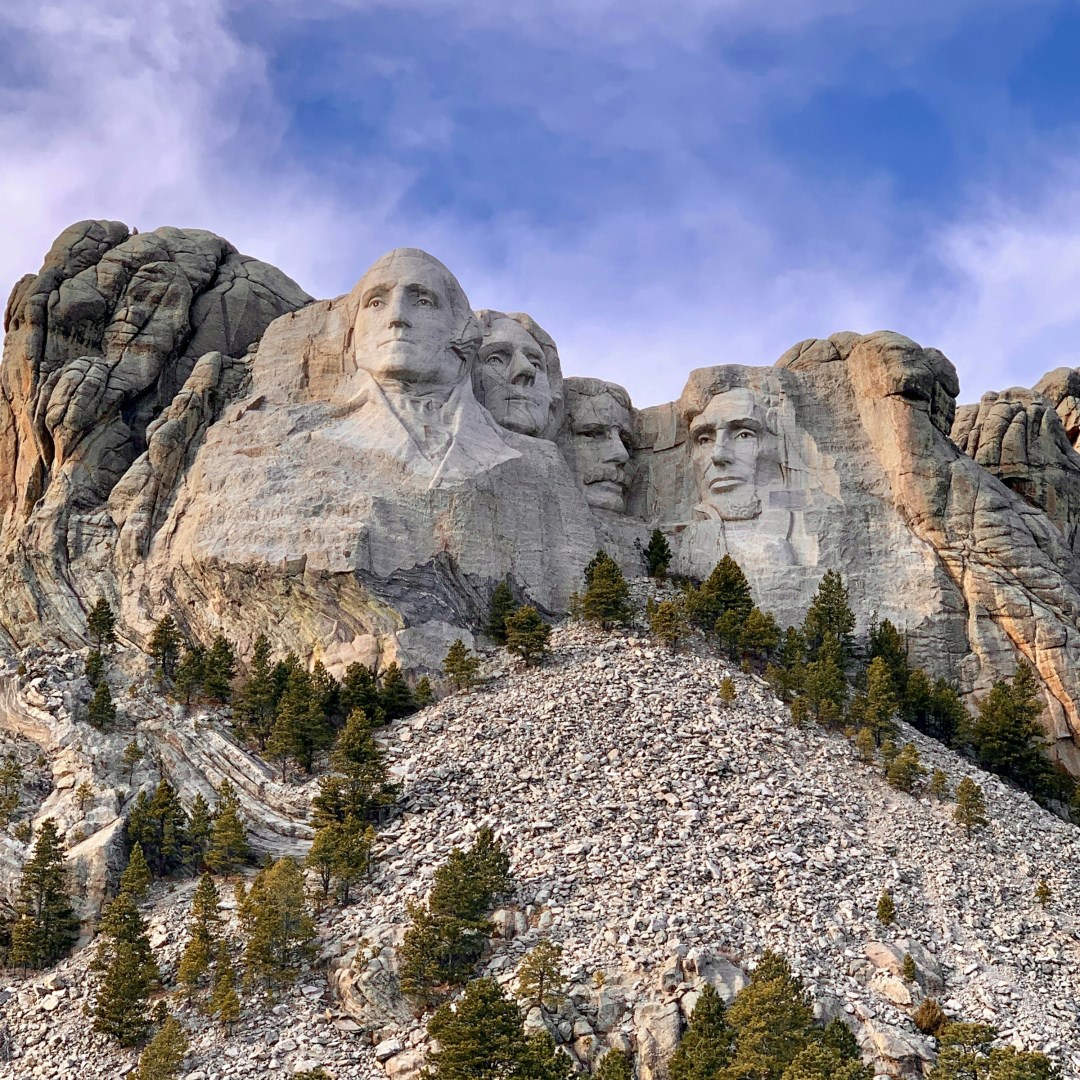
Located about twenty-five miles southwest of Rapid City, South Dakota, lies Mount Rushmore. Following Highway 244 from the west leads to the orientation center. There exhibits tell how sculptor Gutzon Borglum carved away twice the rock needed to construct Egypt's Great Sphinx (which isn't even as tall as Washington's nose).
Rundu
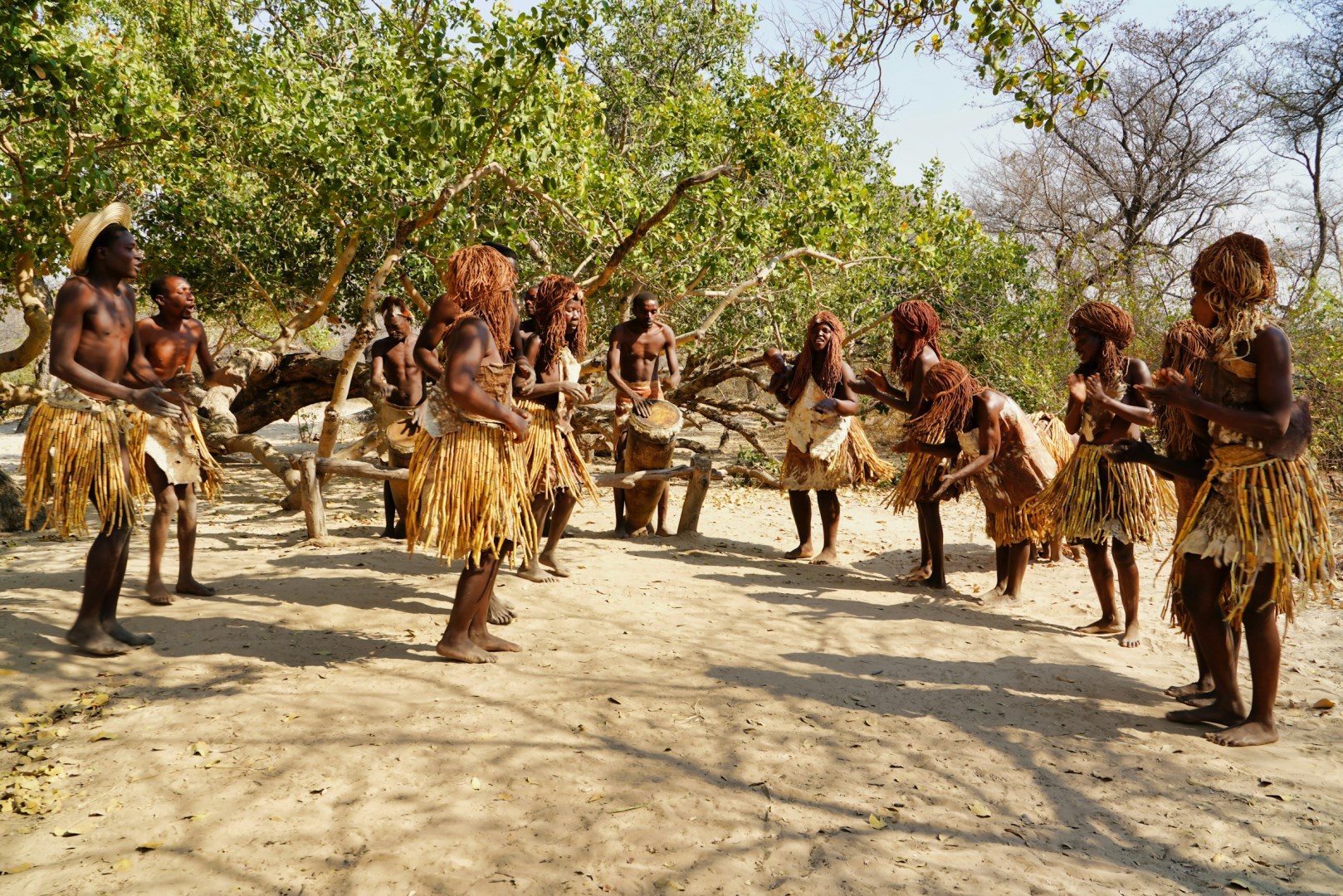
Rundu is the capital of Namibia’s Kavango East Region and a major town on the southern bank of the Kavango River, opposite Angola. Unlike much of Namibia’s dry interior, the area around Rundu is shaped by a permanent river, wooded floodplains, and fertile land used for small-scale agriculture.
