
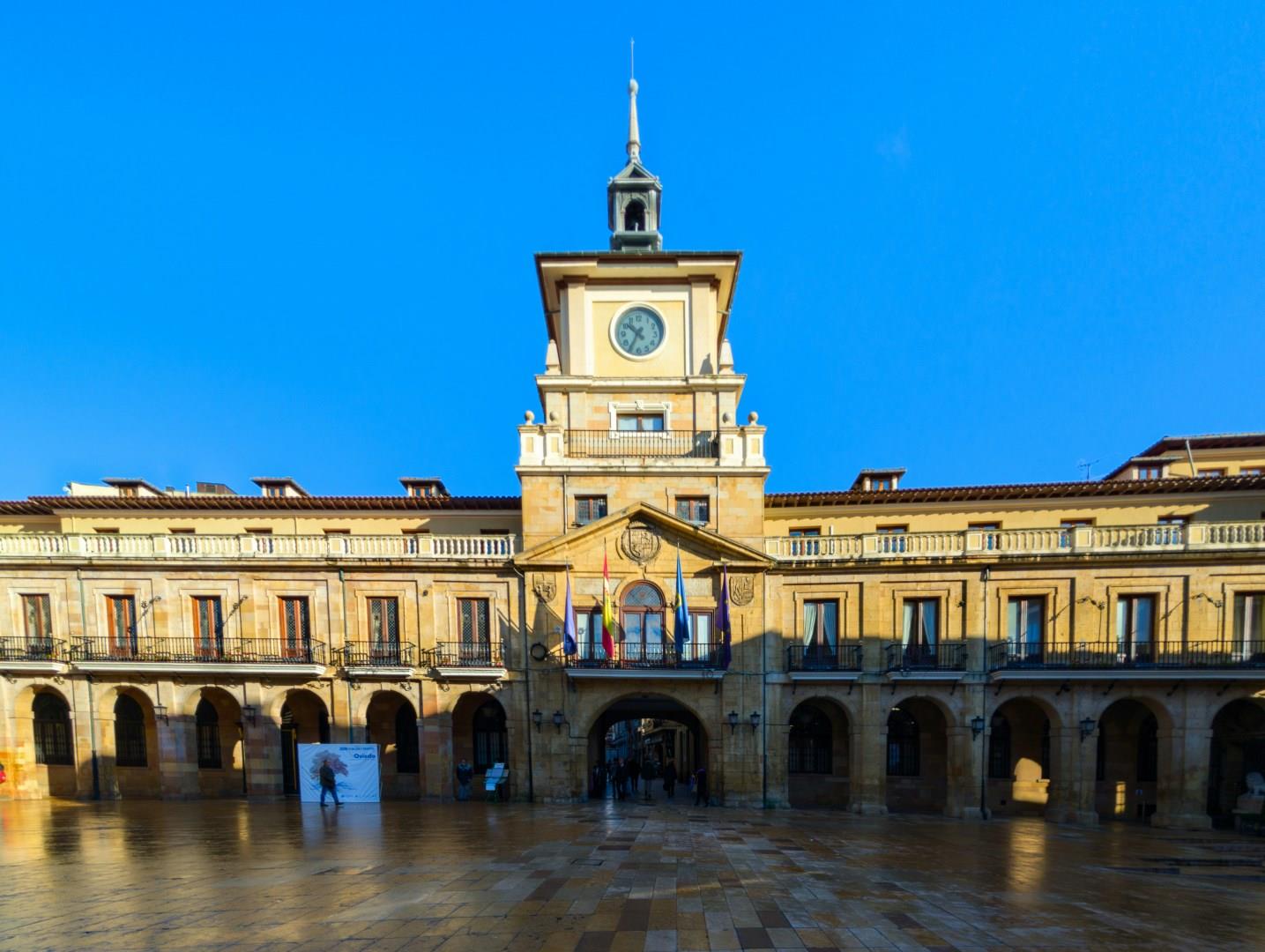
Oviedo
Oviedo, the capital of Asturias in northern Spain, offers a rare mix of medieval heritage and everyday life that feels rooted rather than staged. The city’s historic center is home to some of the oldest pre-Romanesque buildings in Europe, including the UNESCO-listed Santa María del Naranco and San Miguel de Lillo. Cider, not wine, defines the local table. Oviedo is surrounded by apple orchards, and the traditional drink, sidra natural, is poured from a height by skilled escanciadores.
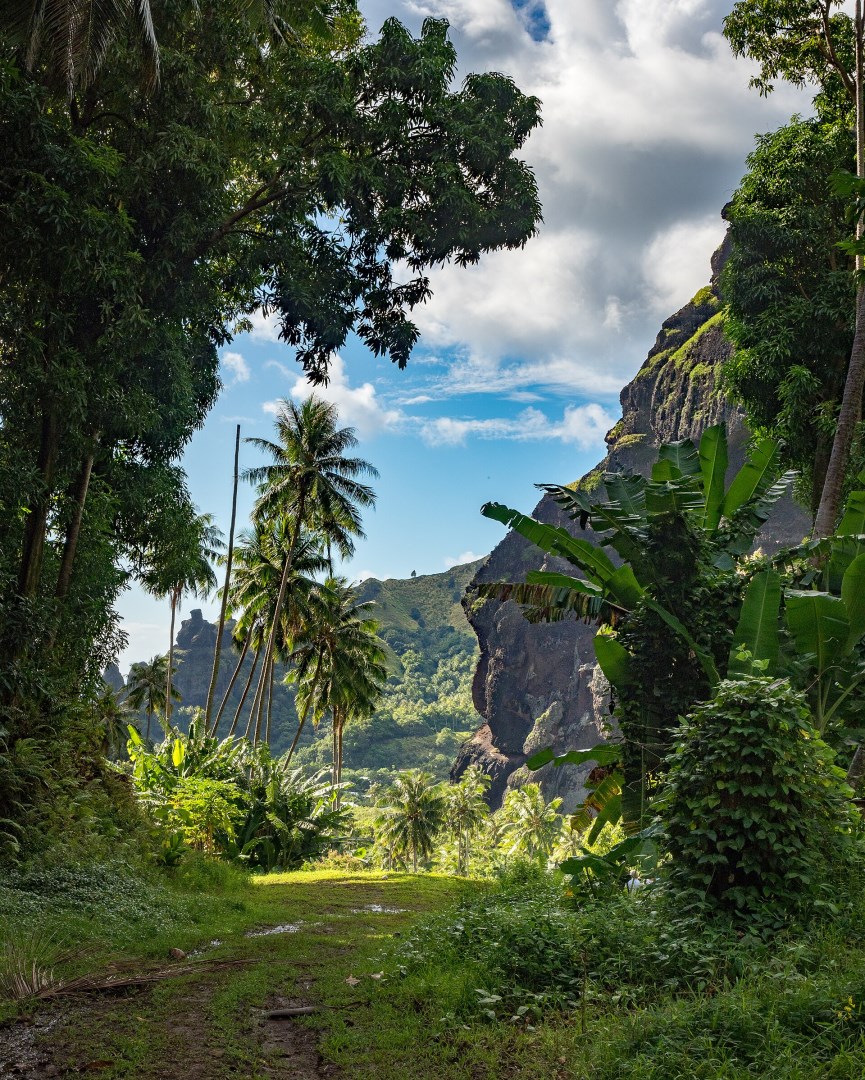
Fatu Hiva
Fatu Hiva, the southernmost of the Marquesas Islands, is a destination that feels like stepping back in time to a world untouched by modernity. This remote island is known for its breathtaking landscapes, where lush, verdant mountains rise dramatically from the deep blue sea.

Bimini Islands
The Bimini Islands, the westernmost point of the Bahamas, are a tiny chain of islands steeped in history, legend, and natural wonder. Bimini has long been celebrated as the “Gateway to the Bahamas,” blending fishing traditions, maritime lore, and a laid-back island culture.

Bulgaria
Bulgaria is a republic in southeastern Europe. The capital and largest city is Sofiya. Bulgarian culture has been influenced successively by Byzantine, Greek, Russian, and Western cultures.

Zululand
Zululand, located in South Africa's KwaZulu-Natal province, is a region steeped in history and natural beauty. Known as the heartland of the Zulu nation, Zululand offers visitors a chance to explore the rich cultural heritage of the Zulu people.
