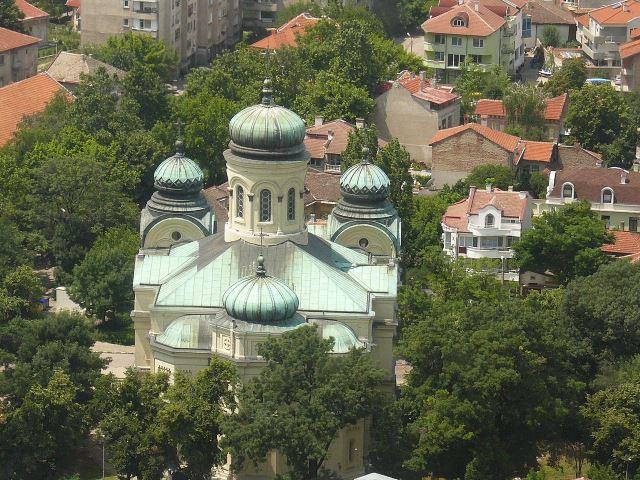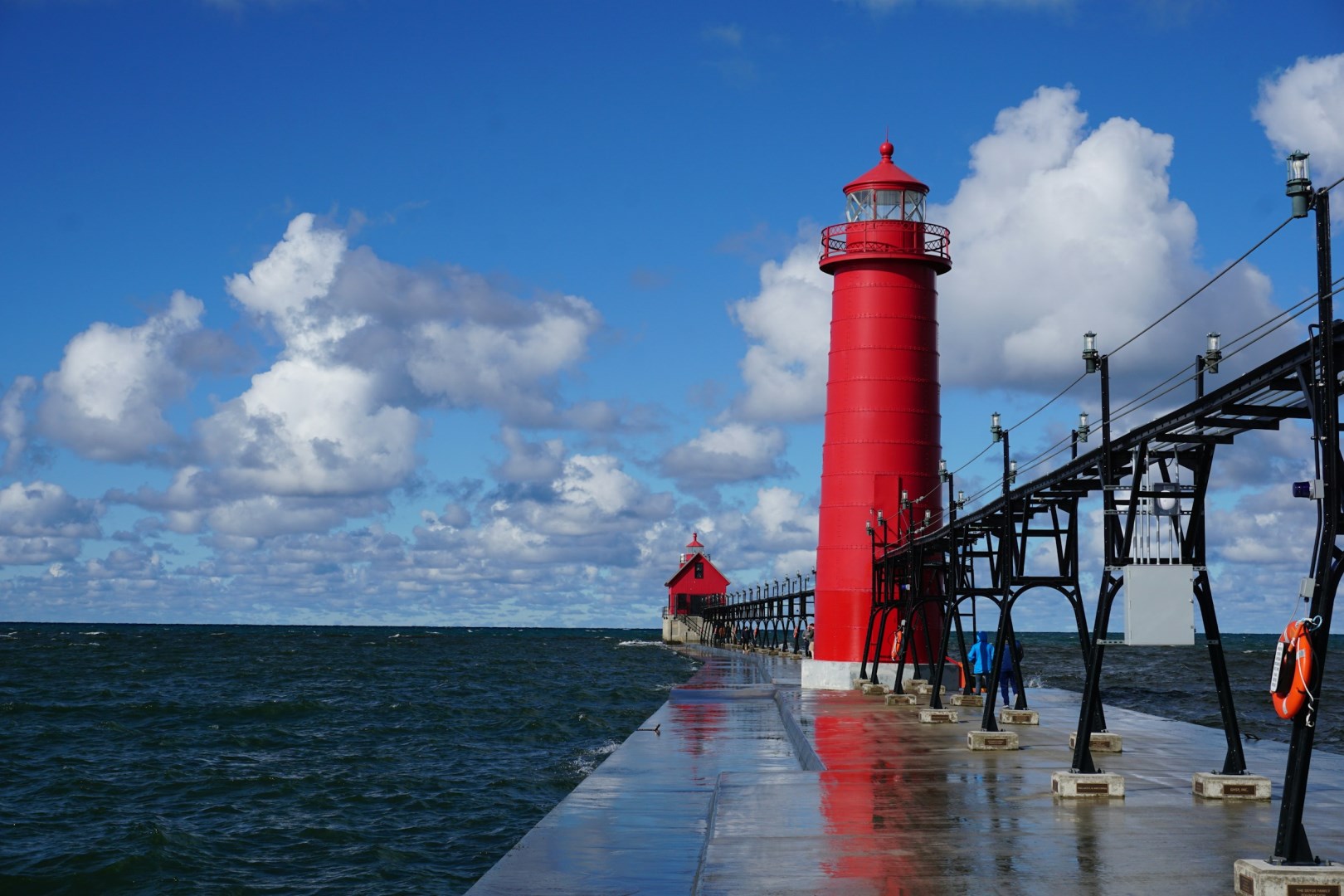
Grand Haven
Glen Haven is a small historic lakeside settlement on the western side of Michigan’s Leelanau Peninsula, within Sleeping Bear Dunes National Lakeshore. It sits along Lake Michigan beside a sheltered natural harbor, with forested hills and steep dunes rising behind the shoreline. Unlike nearby towns, Glen Haven is primarily a preserved historic site rather than a conventional residential community.
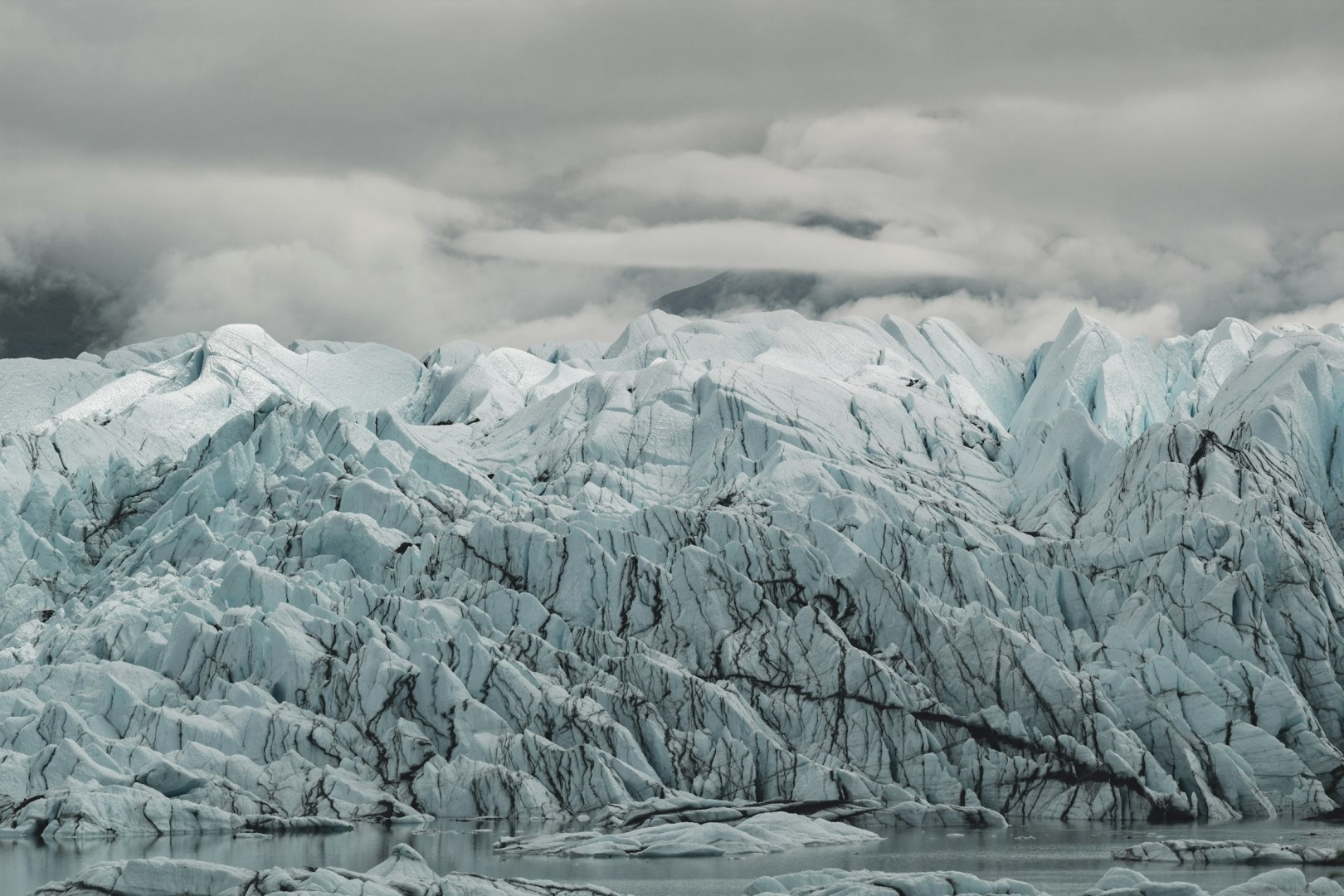
Matanuska Glacier
Matanuska Glacier is one of Alaska’s largest road-accessible glaciers, flowing through the Matanuska Valley northeast of Anchorage. The glacier stretches for roughly 27 miles and descends from the Chugach Mountains toward the valley floor, where its broad ice surface is bordered by steep mountain slopes and rocky terrain. The Glenn Highway follows the Matanuska River valley and provides access to viewpoints and guided glacier tours.
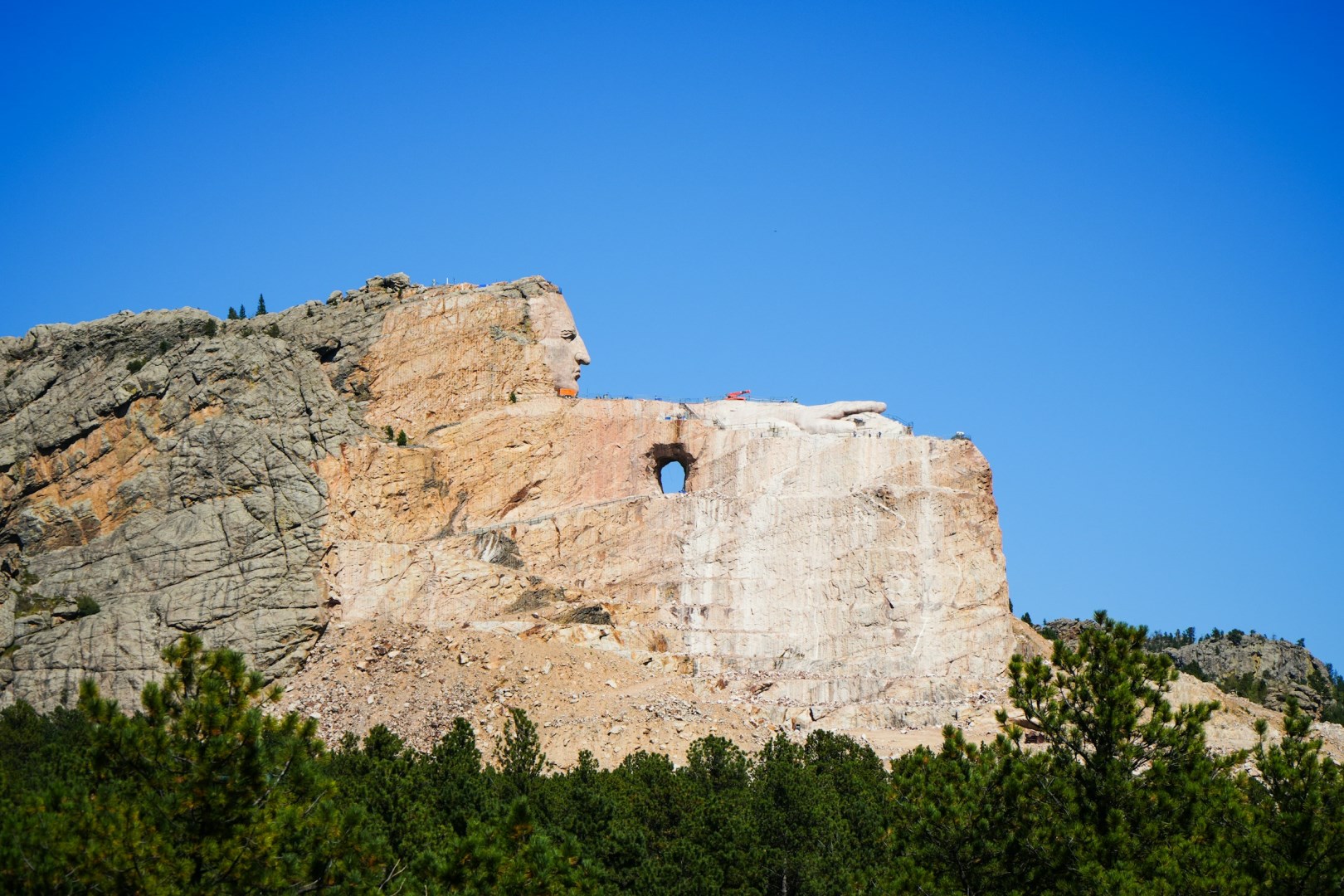
Crazy Horse Memorial
Crazy Horse Memorial stands in the Black Hills of South Dakota, between Custer and Hill City, where a massive mountain carving is being created to honor the Lakota leader Crazy Horse and the cultures of Native American peoples. The sculpture is cut directly into Thunderhead Mountain and is designed to depict Crazy Horse on horseback, pointing toward his ancestral lands
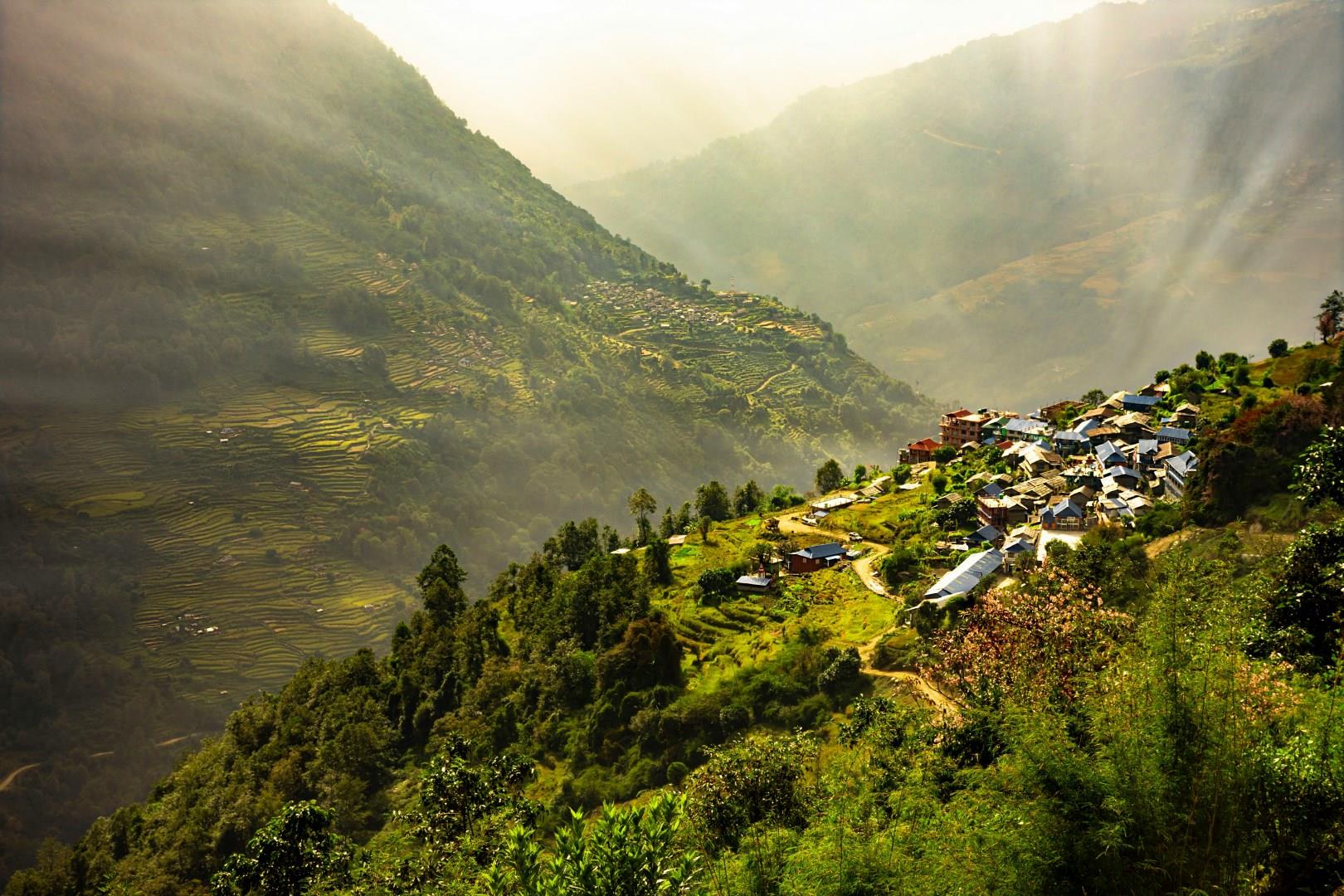
Ulleri
Ulleri is a small village in Nepal, located in the Annapurna region along the popular trekking route to Ghorepani and Poon Hill. It has traditionally served as a resting point for trekkers and local traders, with stone-paved streets and terraced fields reflecting centuries of Himalayan agricultural life.
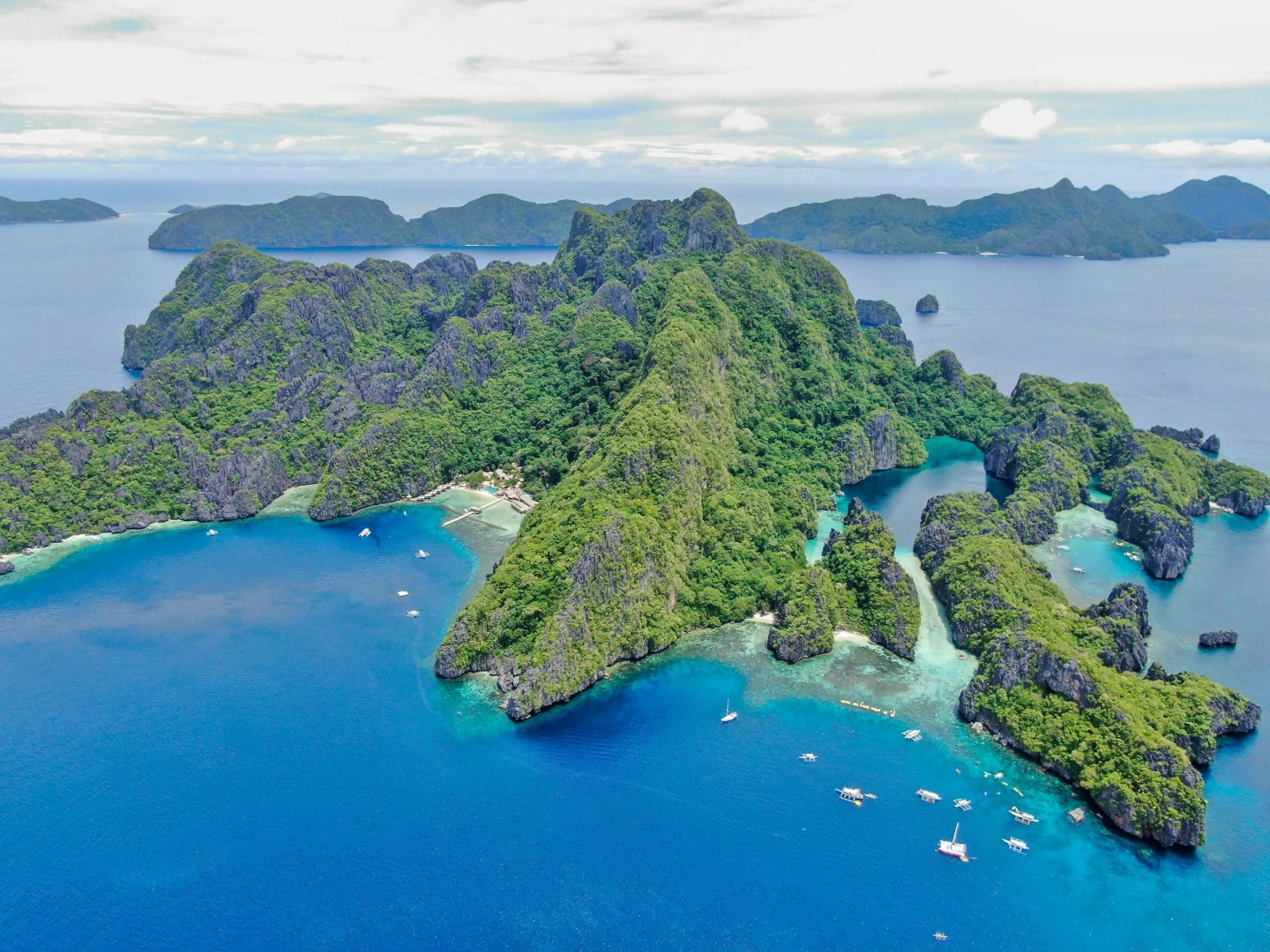
El Nido
El Nido is a coastal municipality in northern Palawan, Philippines, known for its limestone cliffs, turquoise lagoons, forested islands, and sheltered bays. The town sits at the northern end of the Palawan mainland, facing the Bacuit Archipelago, where numerous small islands rise from the sea. Its setting combines a compact seaside town with a large marine landscape that is explored mainly by boat.